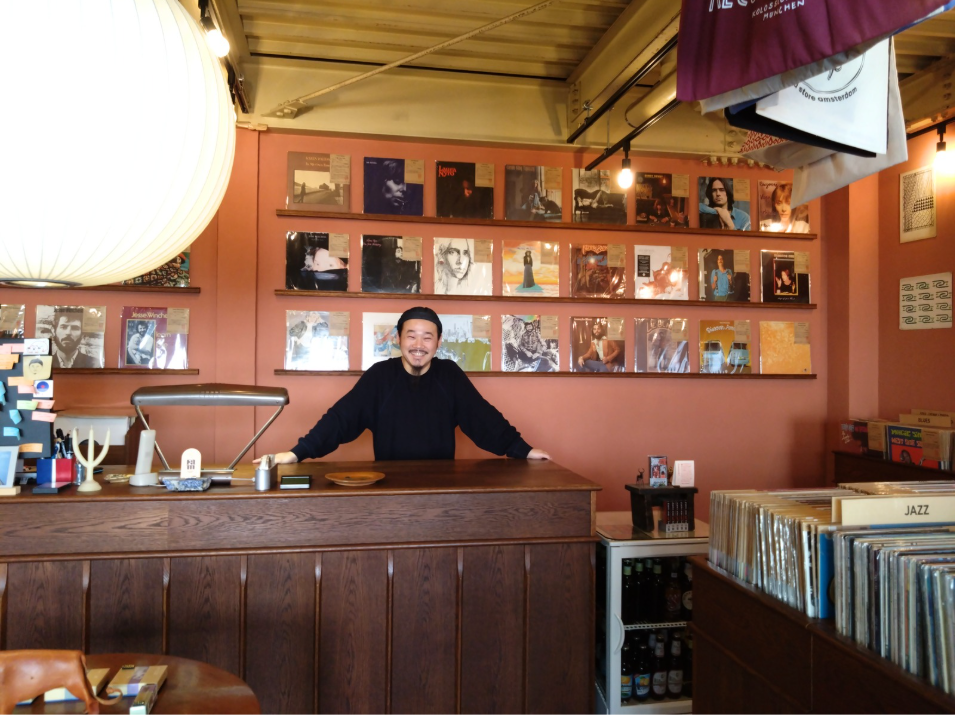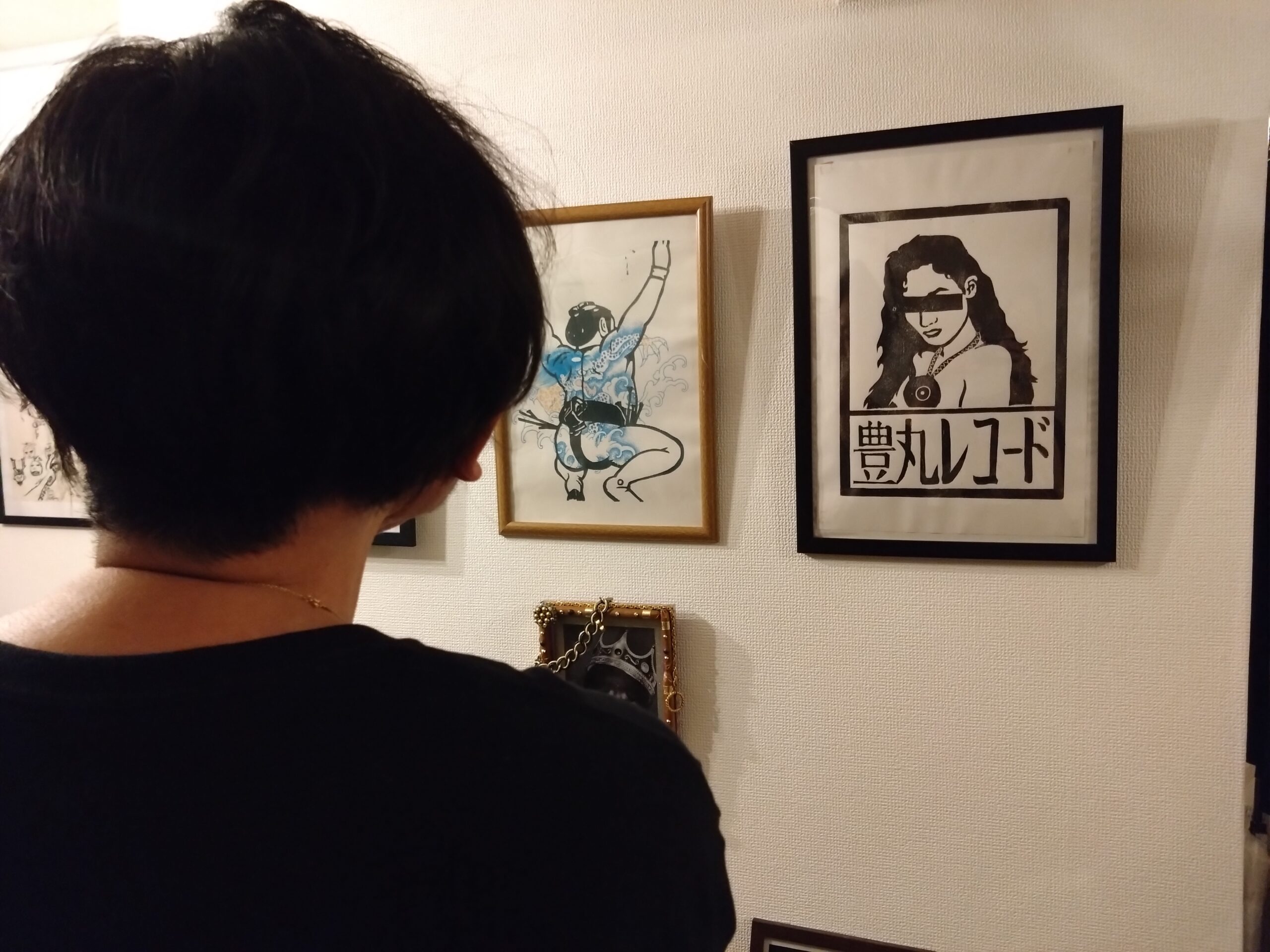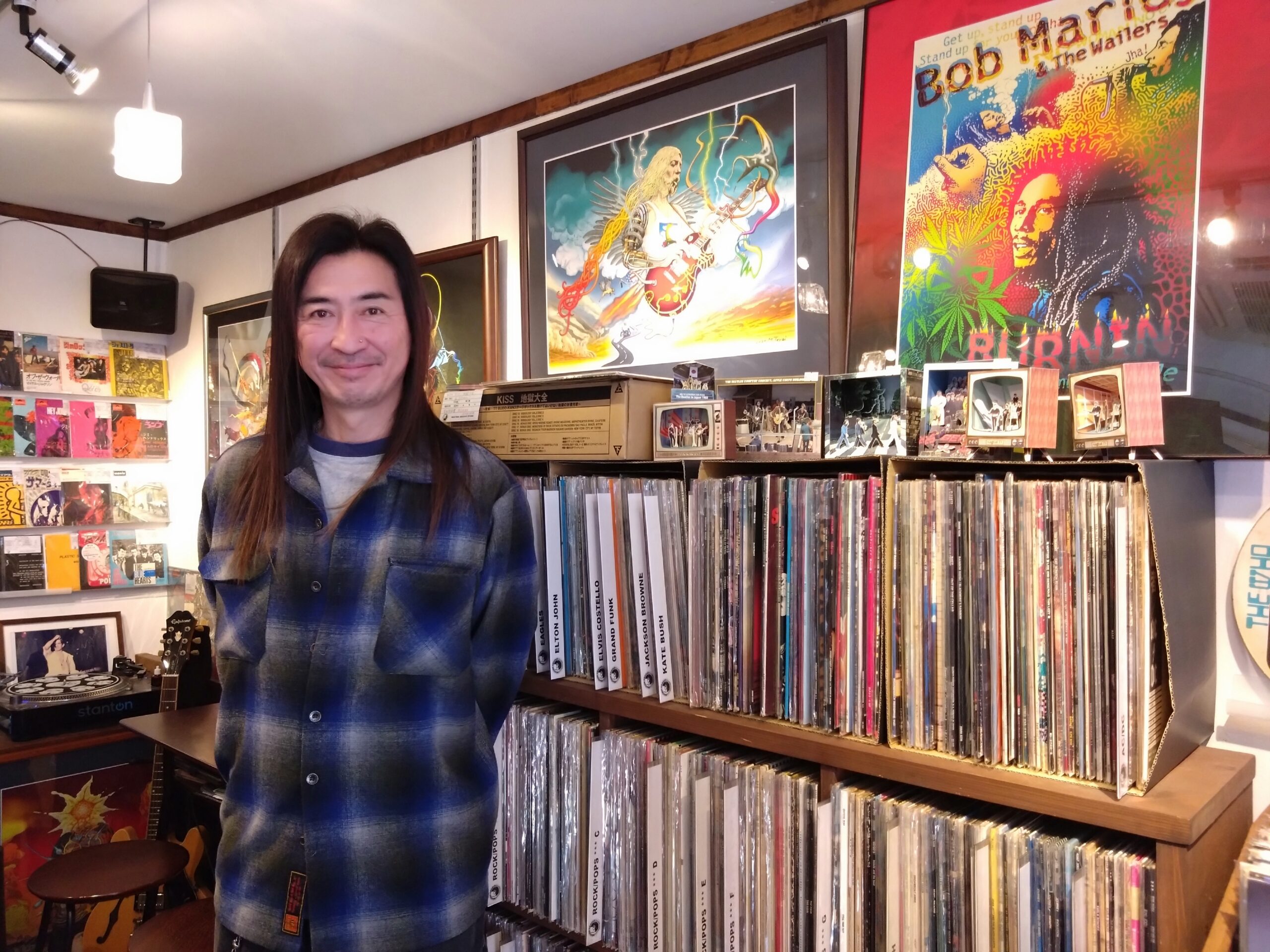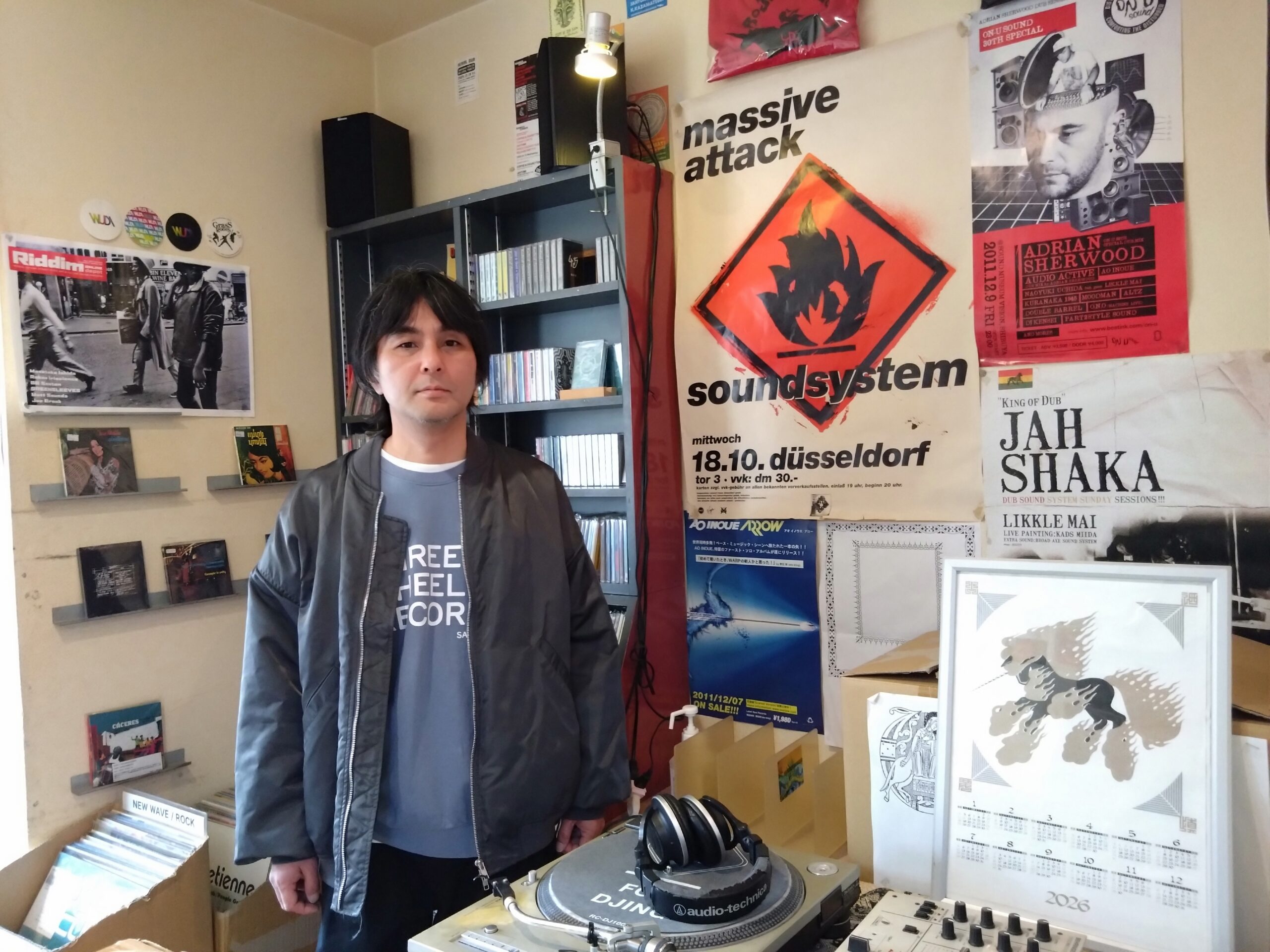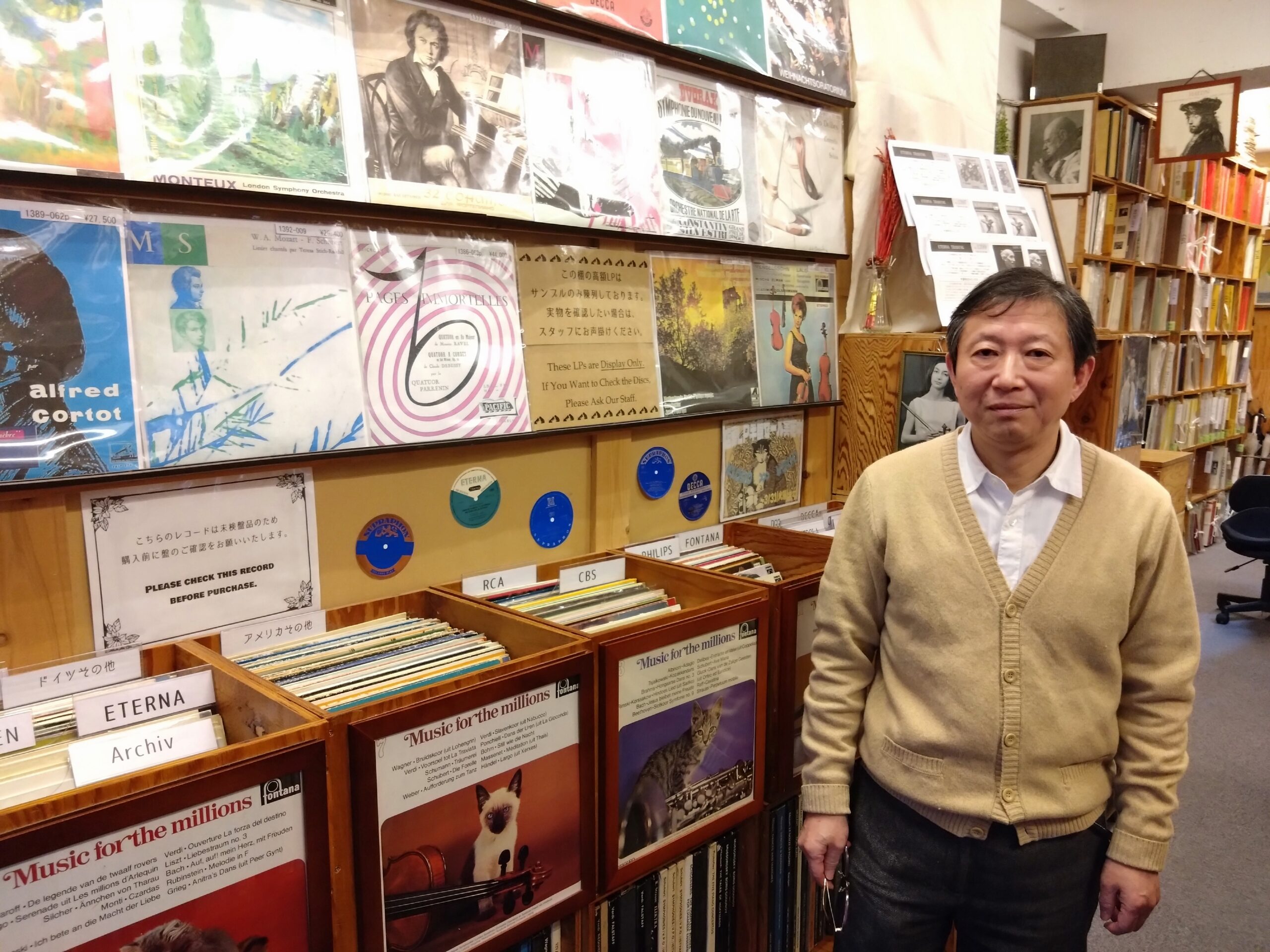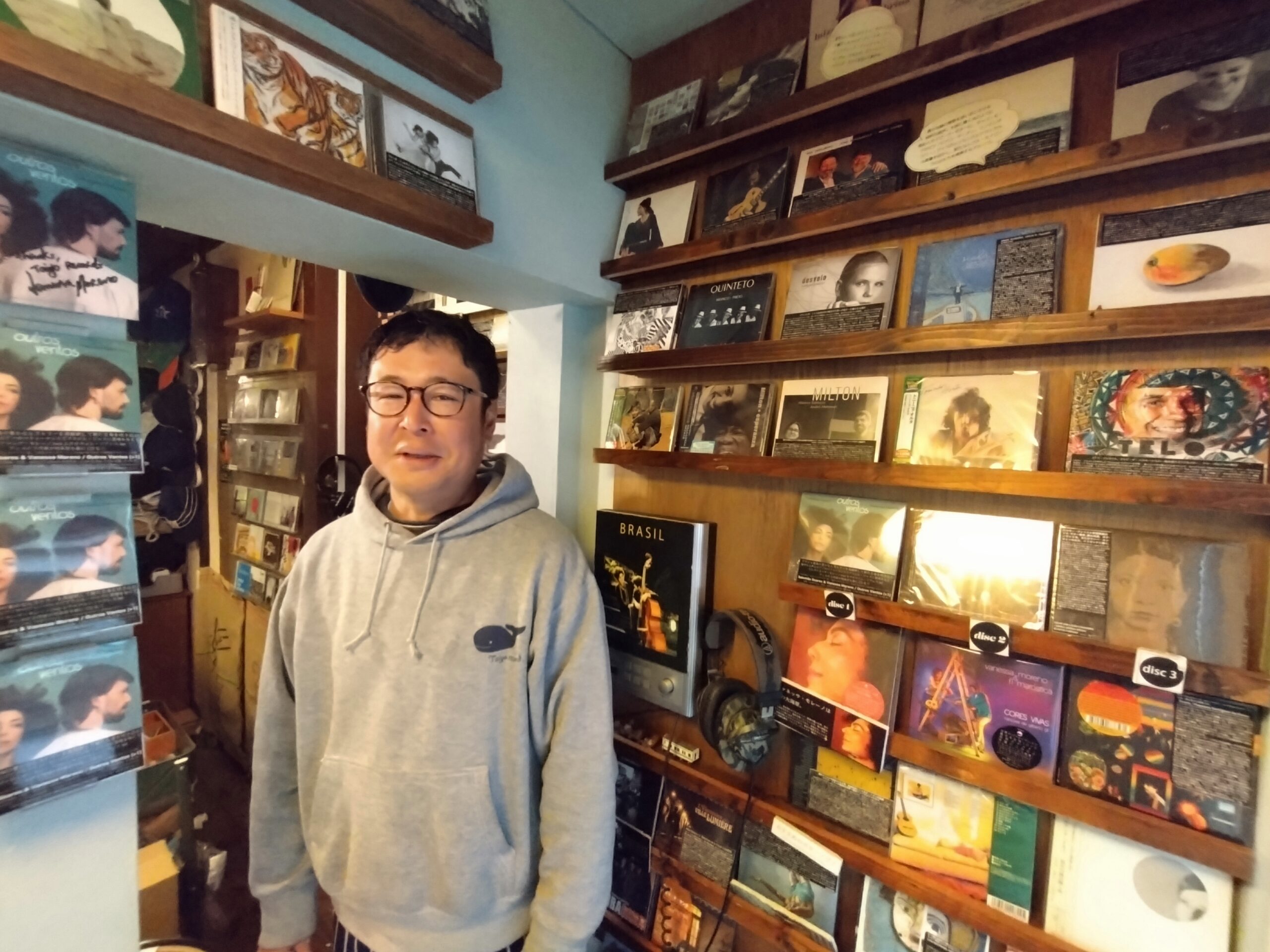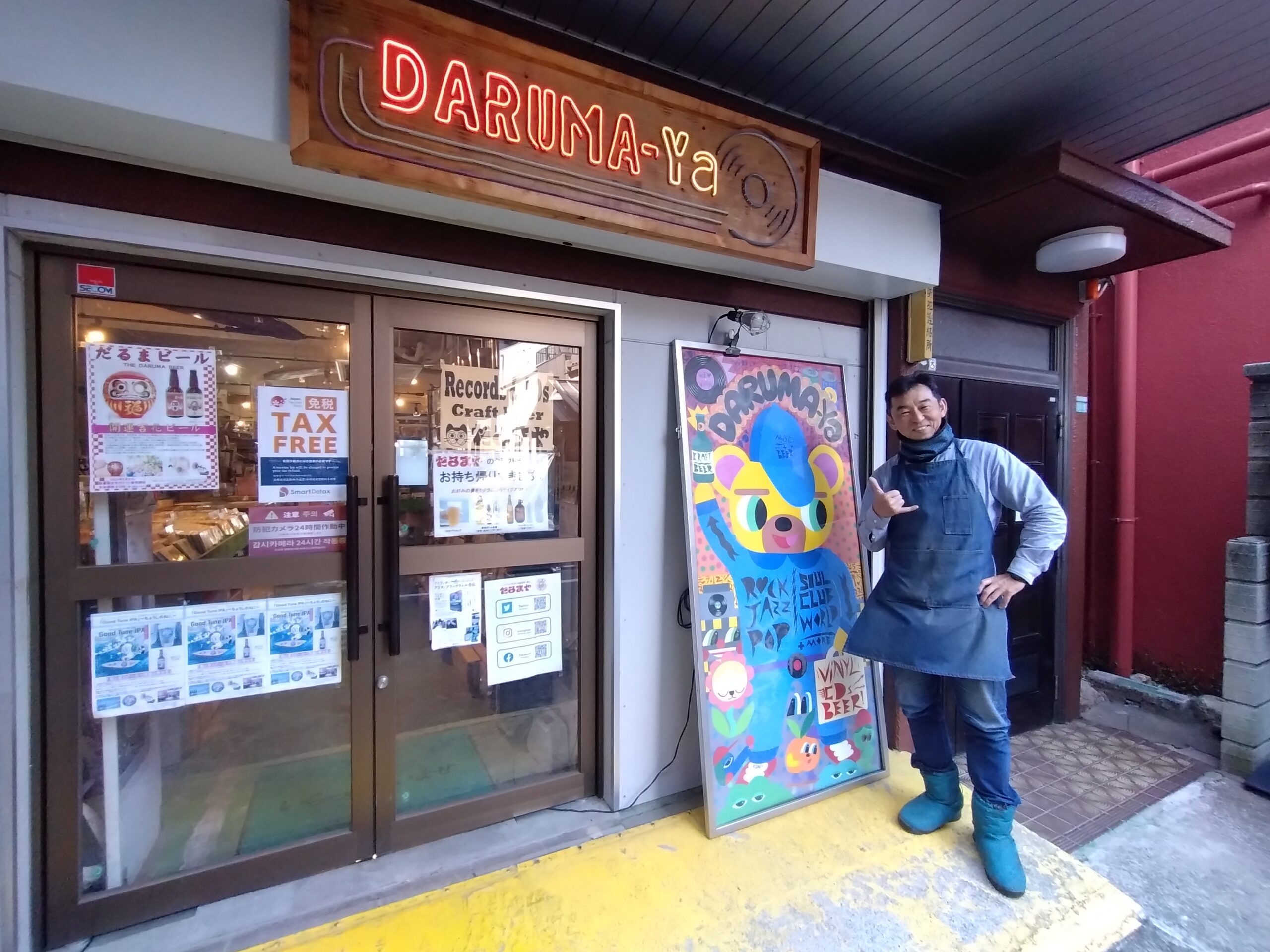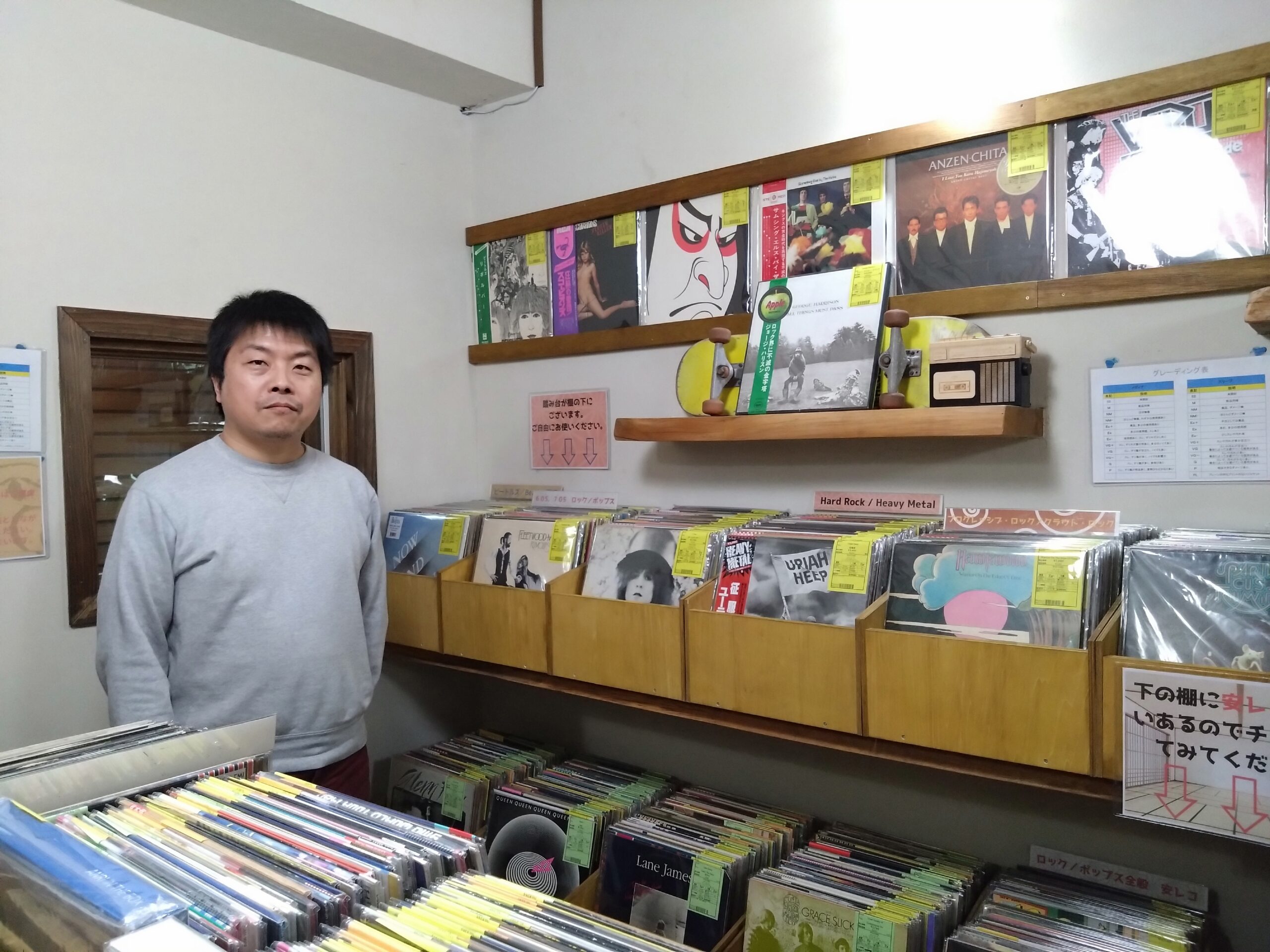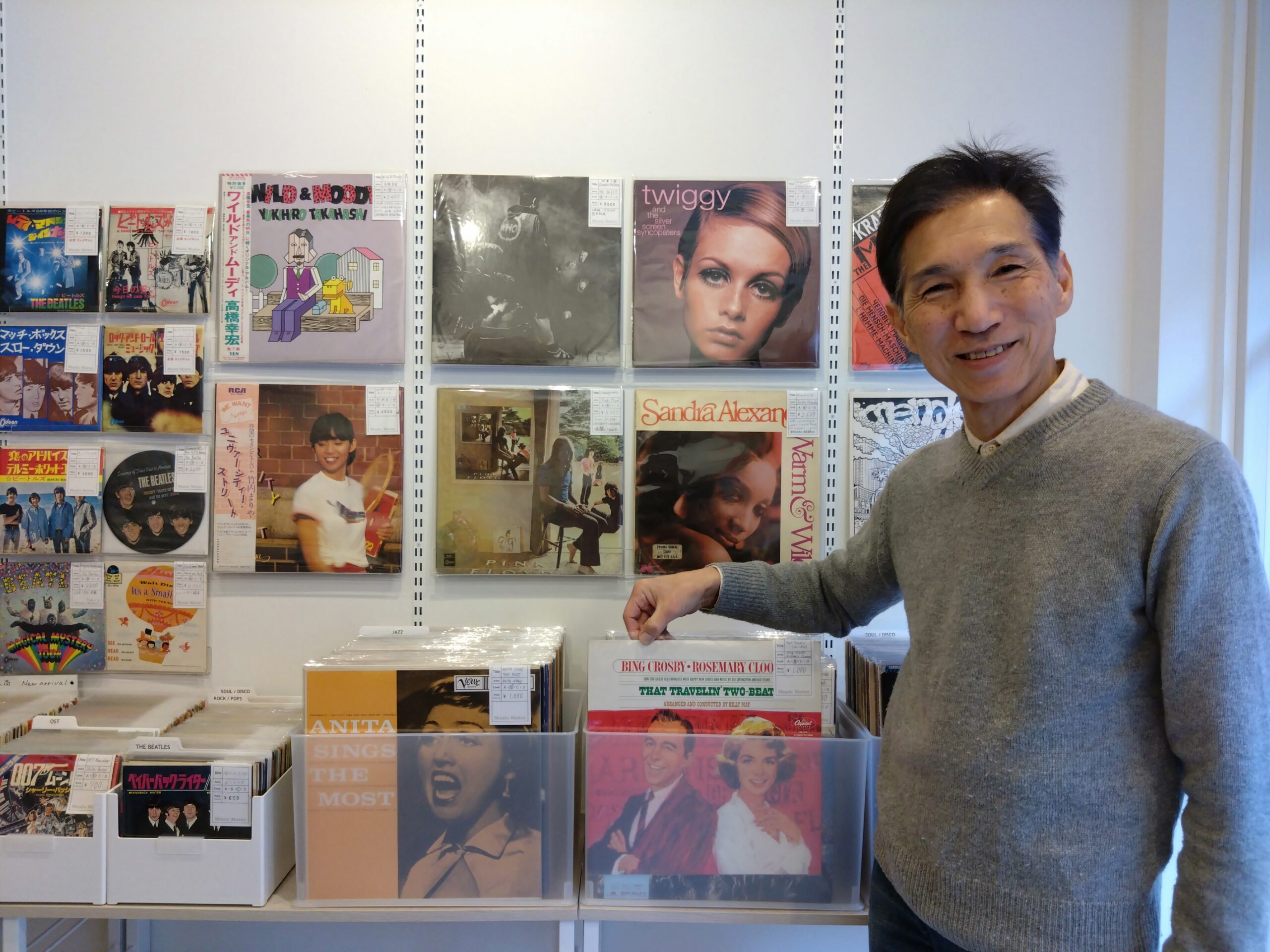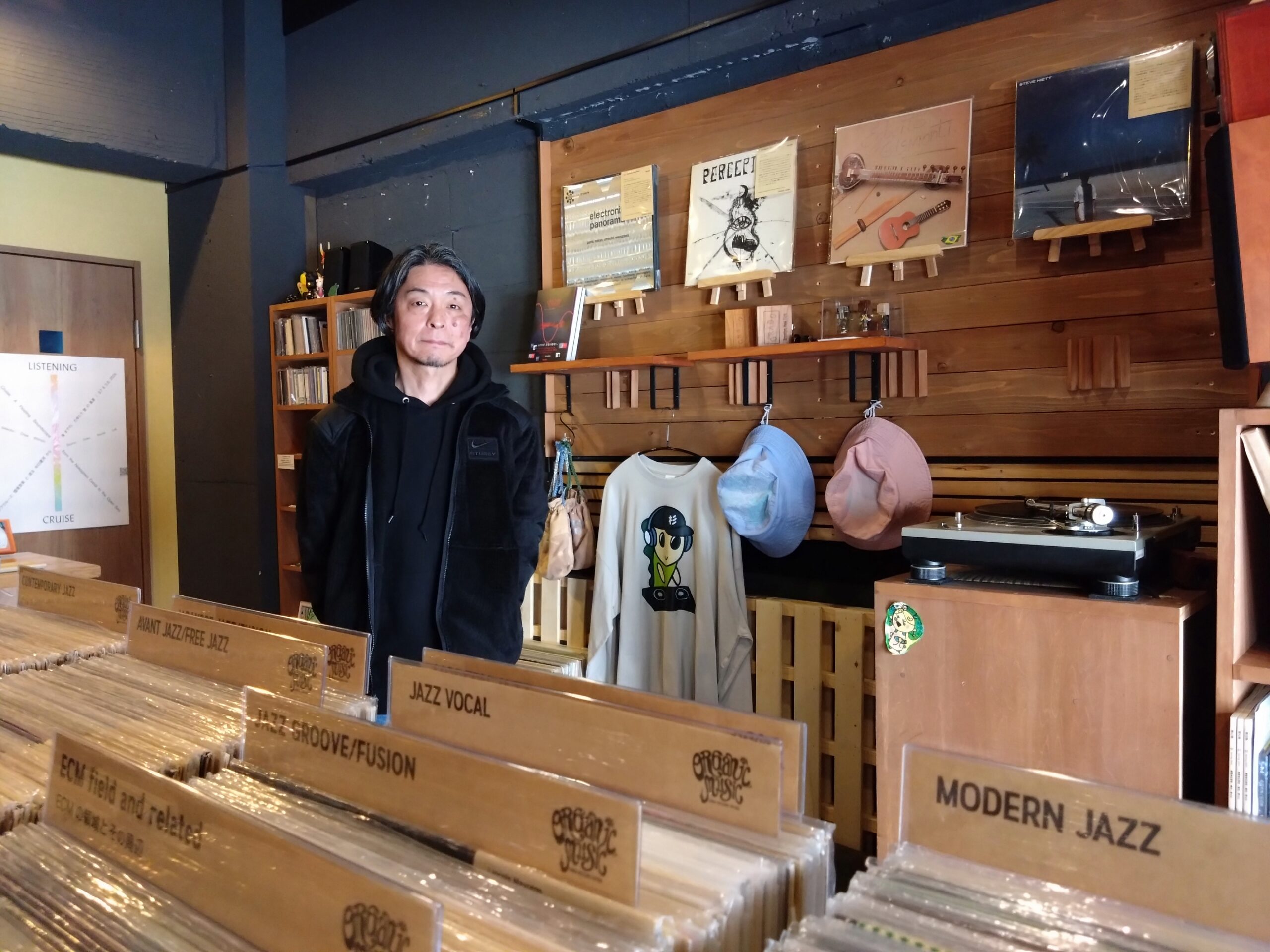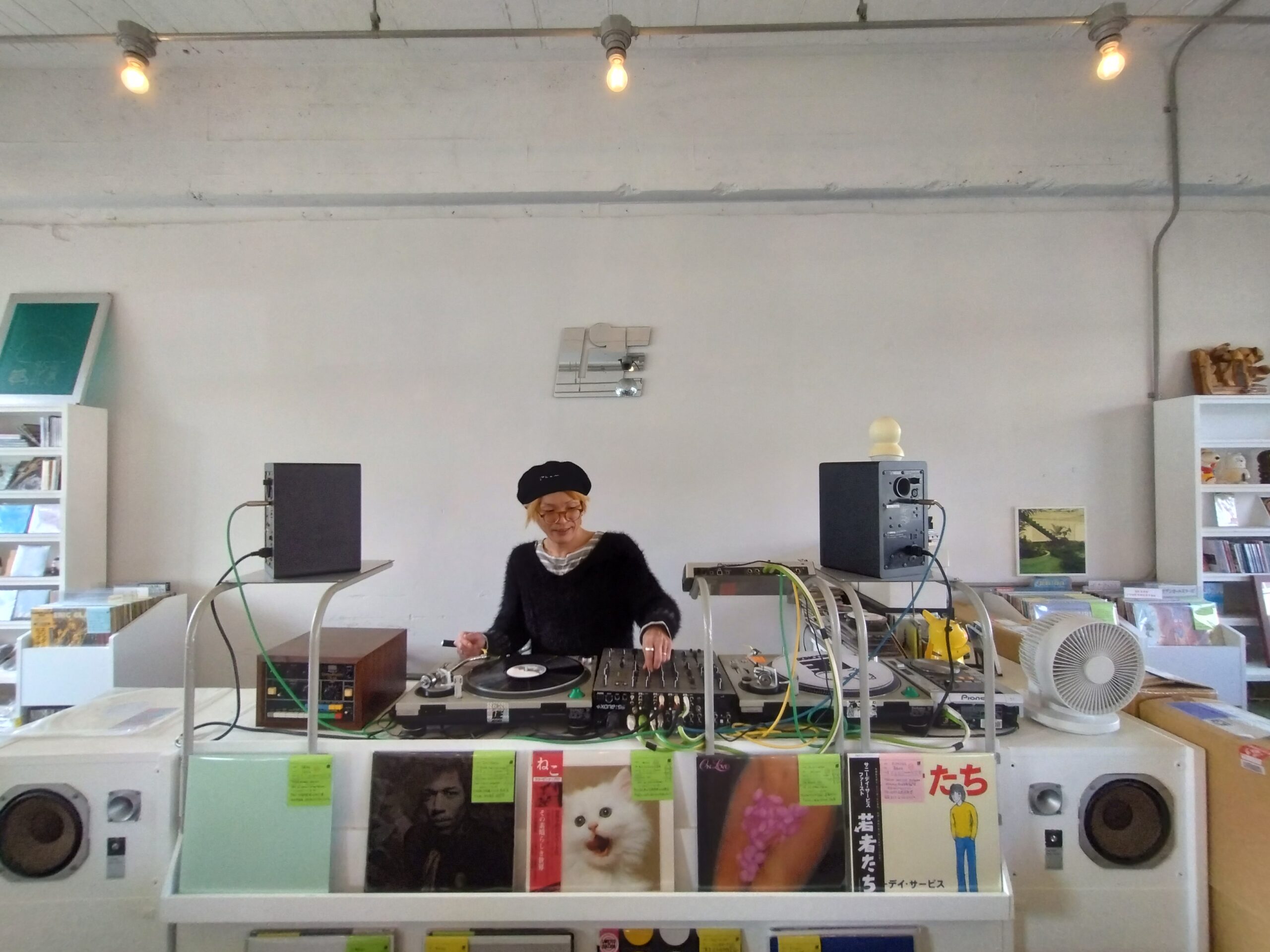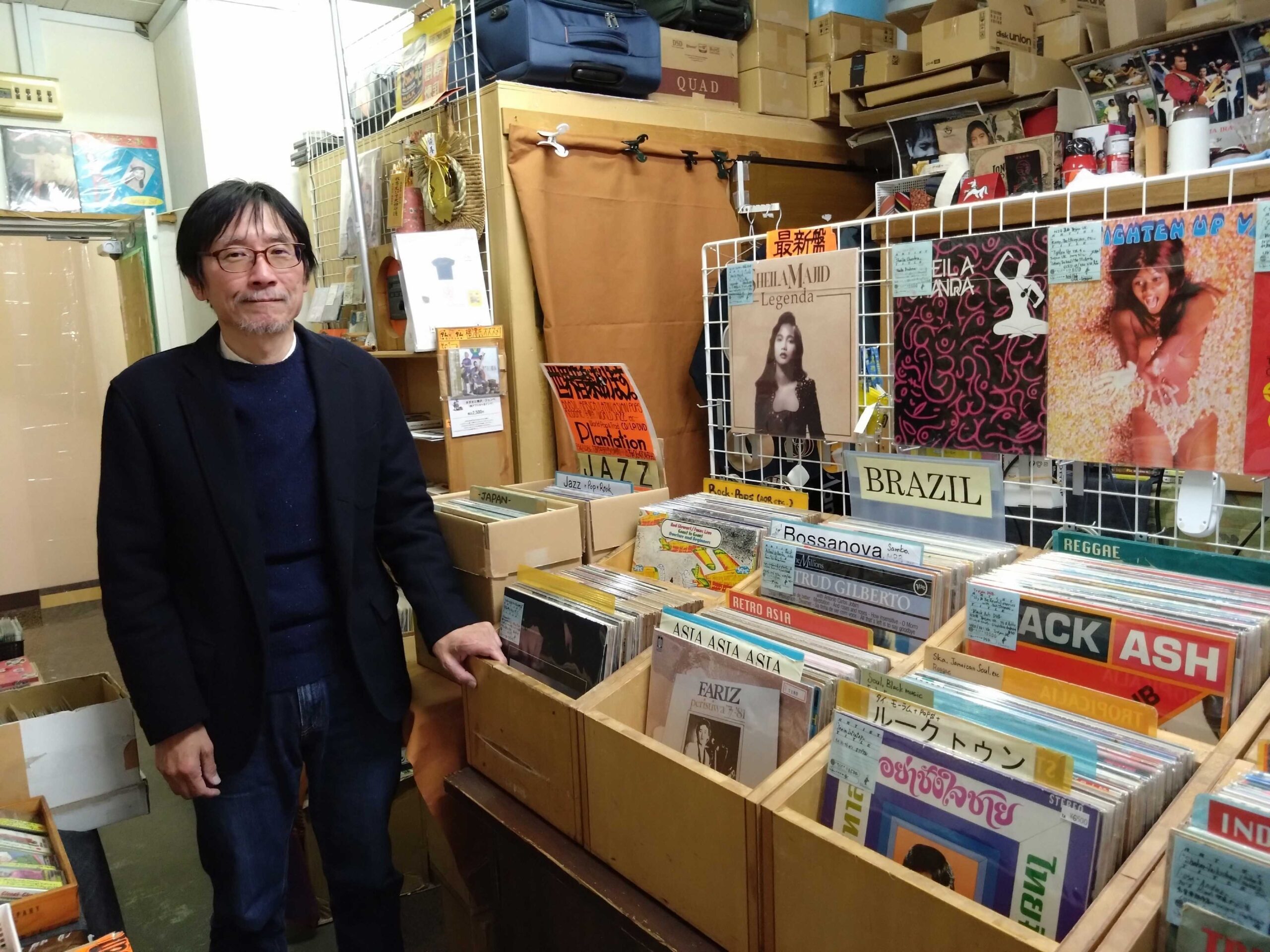
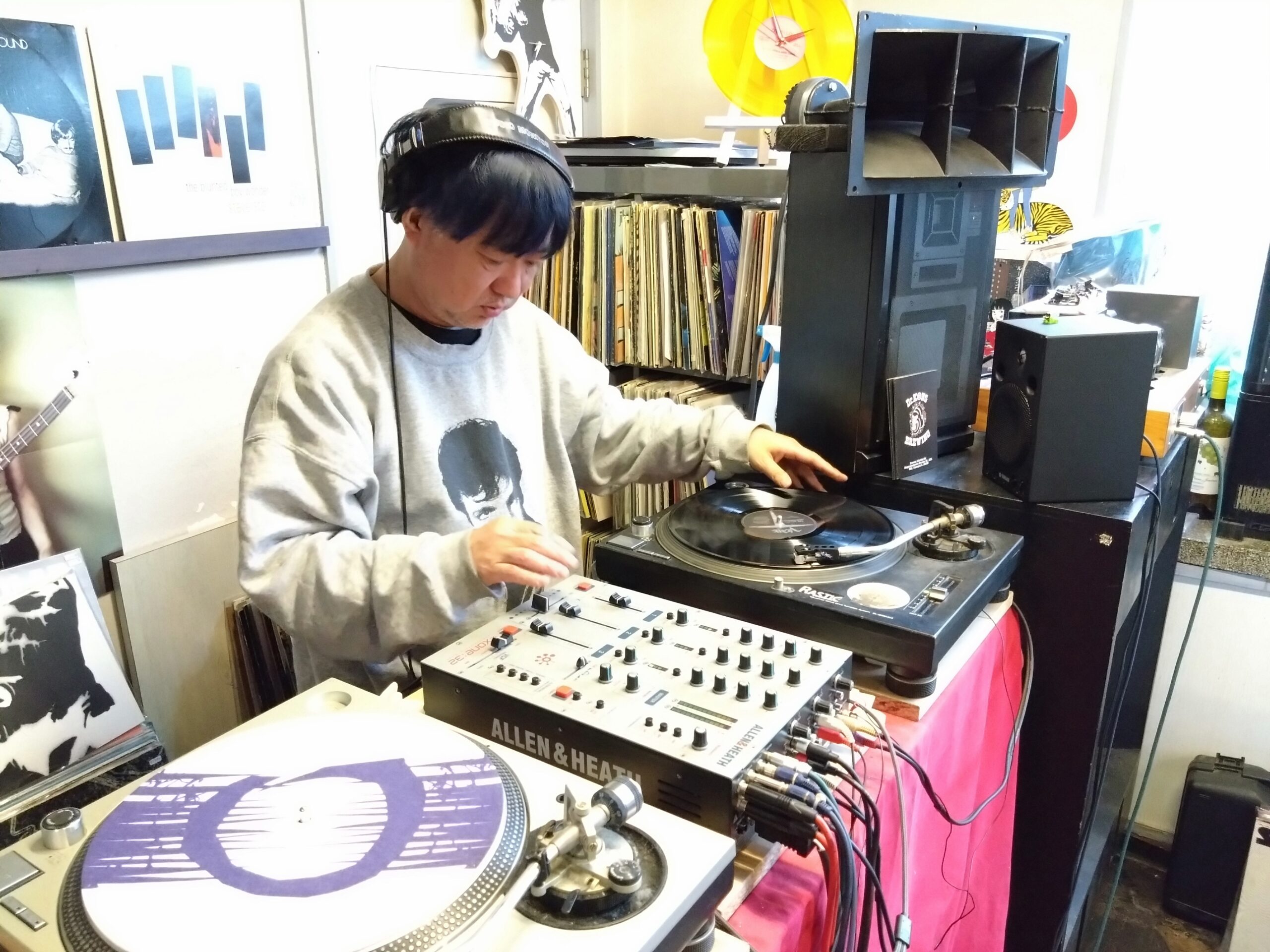
This is our interview series with record store owners, “Yomoyama Tales from Record Shops.” This time, we visited flowers of romance in Ube City, Yamaguchi Prefecture.
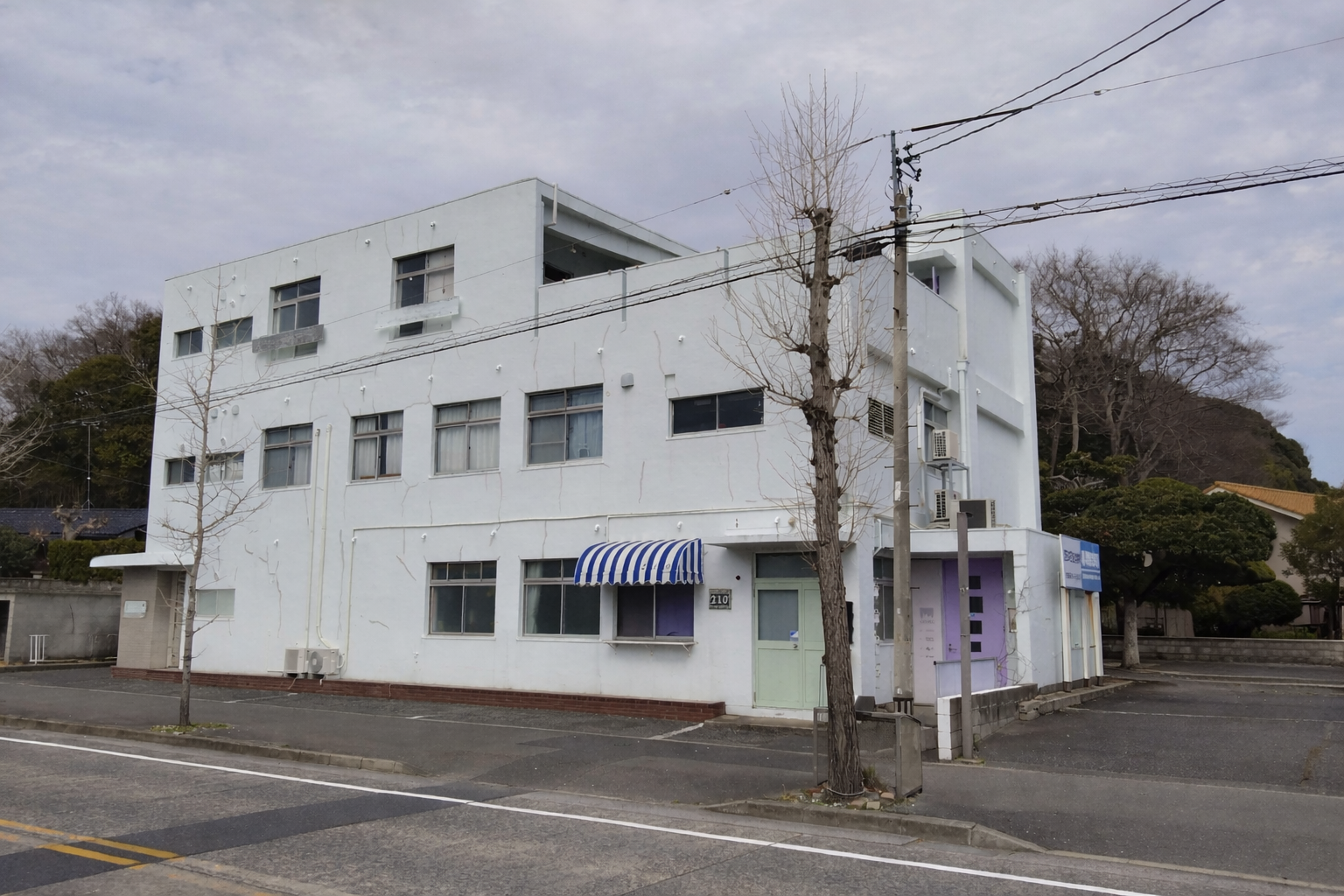
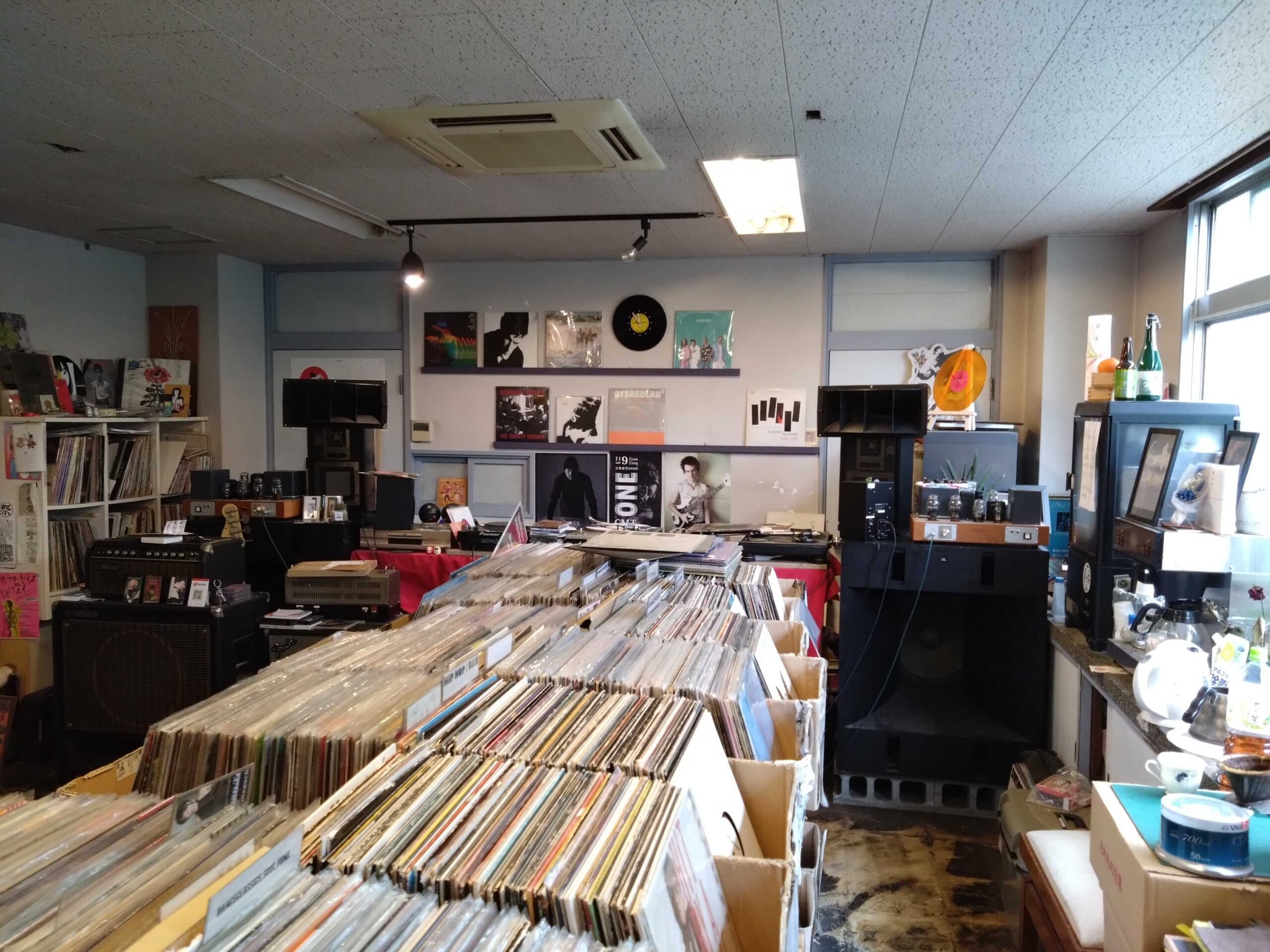
In Ube, there’s a place where, the instant you open the door, you can feel the temperature of the shop.
What you notice first is the shelves… but even before that, there’s what reaches your ears. The volume isn’t too loud, yet the contours don’t blur. There’s a solid core running through the air. Saying “it makes you straighten your back” might be a bit dramatic, but there’s definitely a comfort that keeps you pleasantly alert.
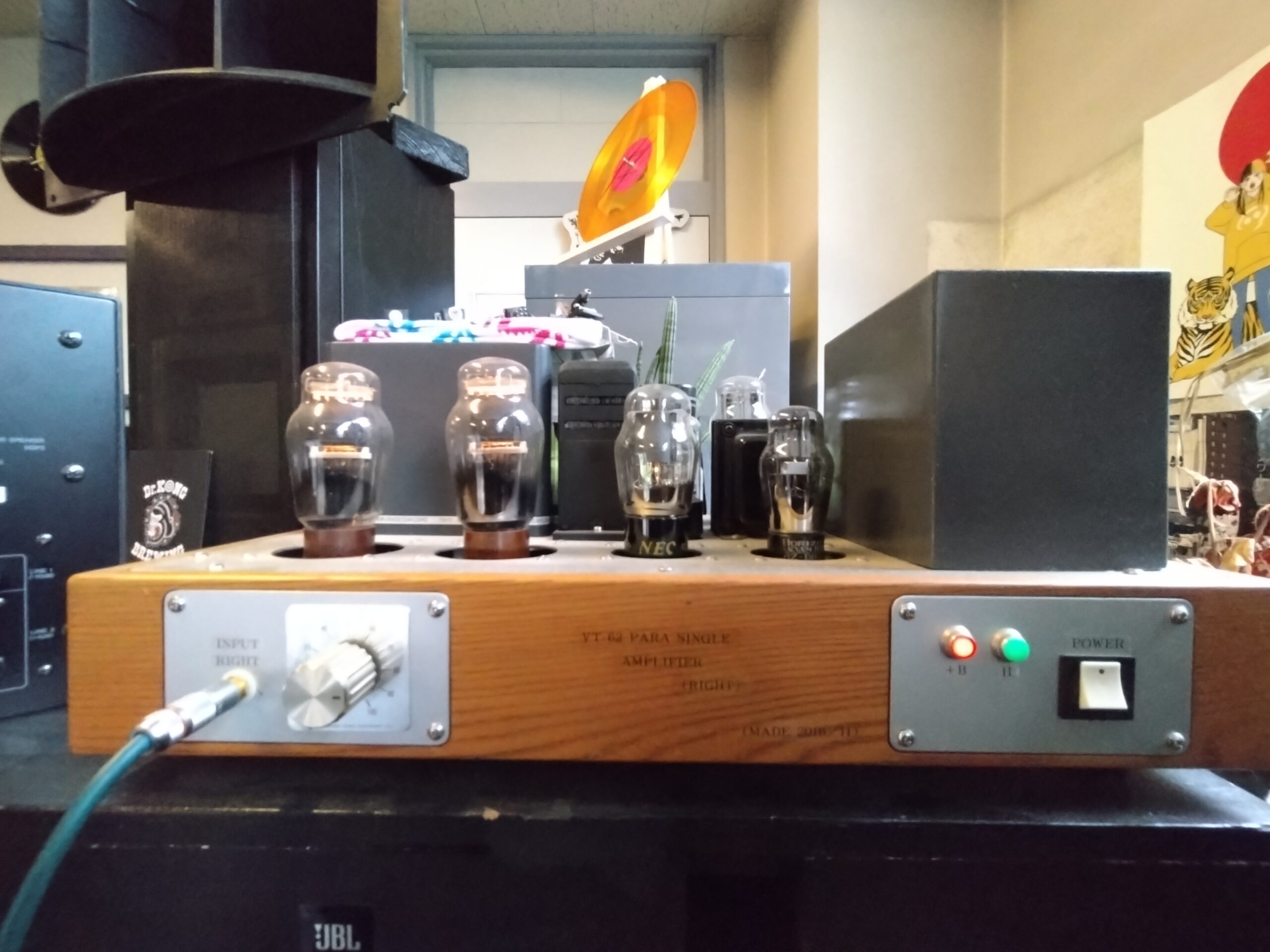
What the owner, Masuda-san, strongly recommended was his tube amplifier.
Even the way he says it isn’t pushy. He doesn’t show off—yet he doesn’t hide it either. That attitude comes through directly in the sound.
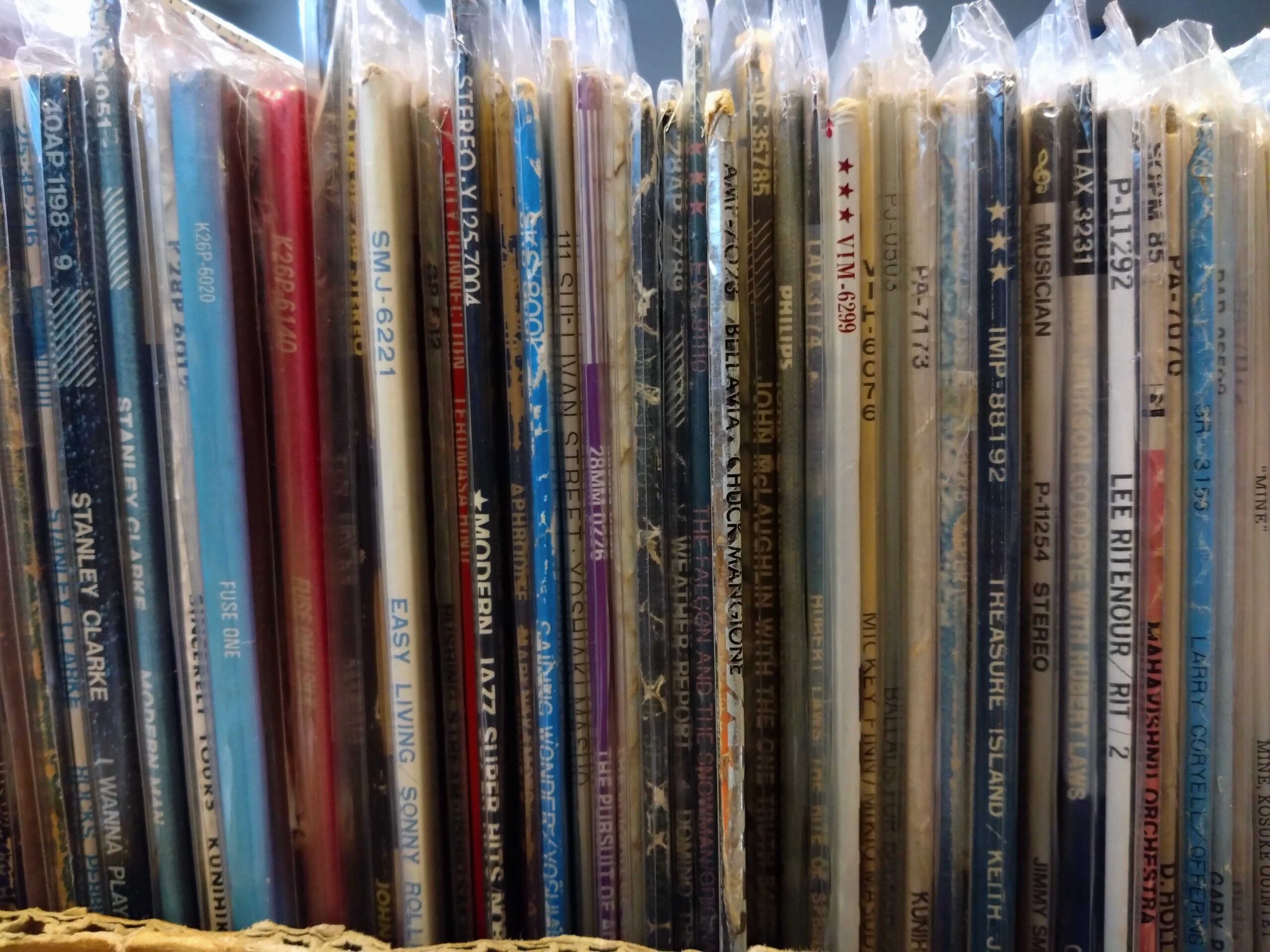
Shift your gaze and you’ll find a density formed by shelves and boxes. Around 7,000–8,000 records are out on the floor, and roughly 20,000 in total. It’s hard to grasp from text alone, but once you’re standing in front of the boxes, you can feel the sheer “volume” on your skin. A record shop’s stock is like geological strata. One box is one era, one mood.
Masuda-san said that with a laugh.
But I get it. Even in a space that isn’t perfectly tidy, the records—messily lined up—have real presence. Jackets with scuffed corners are still very much alive inside the boxes. That’s the kind of shop it was.
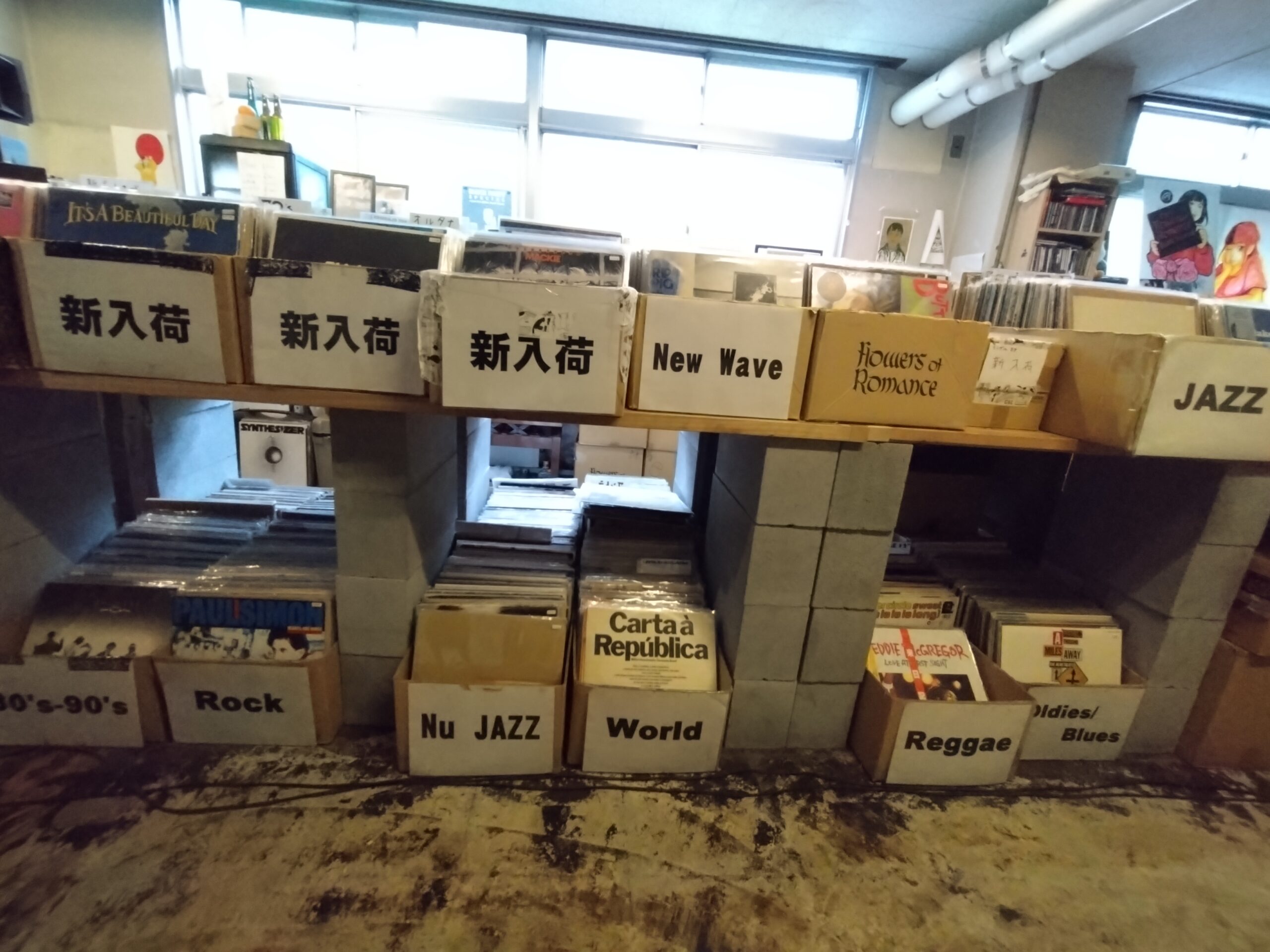
flowers of romance is basically all-genre. Rock, pop, Japanese music, soul, blues, indie… the doorway is wide.
But beyond genre, Masuda-san’s “criteria” were crystal clear.
That one sentence connects directly to the shop’s comfort. Not just for records—when the price feels tryable, you can take chances easily. You can pick up something you don’t know. And even if it isn’t your taste, you can keep digging.
That’s how your relationship with the shelves grows. Of course you’ll meet classics, but just as important is the feeling of “it’s more within reach than I expected,” or “I’ll try buying it here.”
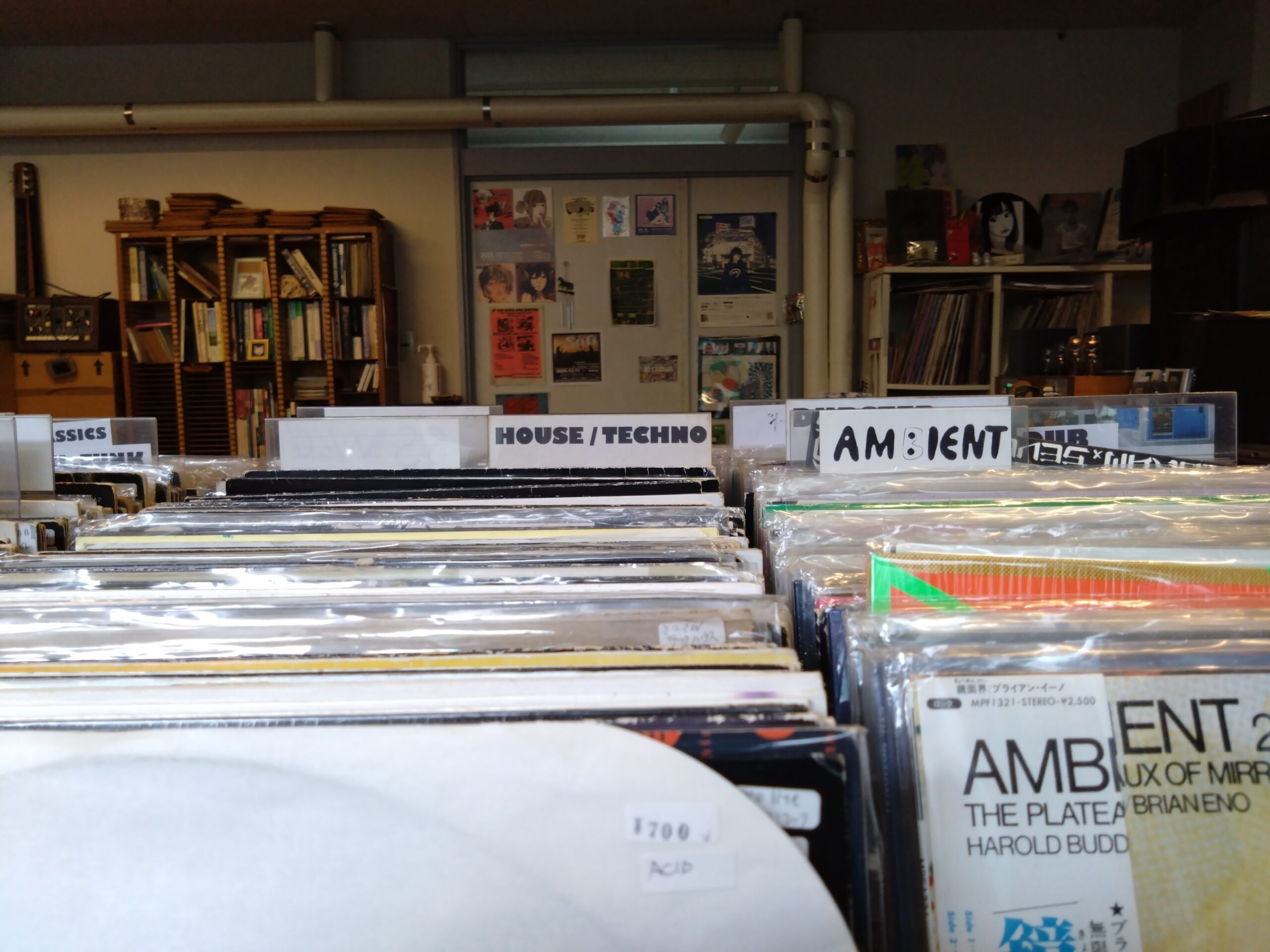
On the other hand, the genres Masuda-san often uses as a DJ—ambient, dub, techno, and other club-rooted sounds—show clear color as the shop’s “strong suit.”
There’s a dedicated ambient corner, and the finer branches of club music are organized to a certain degree. It’s all-genre, yet the shelves still carry Masuda-san’s touch.
Even if you can’t put everything into words, just listening to what’s playing in the shop and looking over the shelves, you start to feel it: “Ah—this is a shop run by someone who’s drawn to how sound is made, too.”
What stayed with me from the interview was how Masuda-san talked about records (music) as something that connects to a person’s time. Sounds that accompanied turning points in his life—emotional swings, moments of change—came out in his words just as they were.
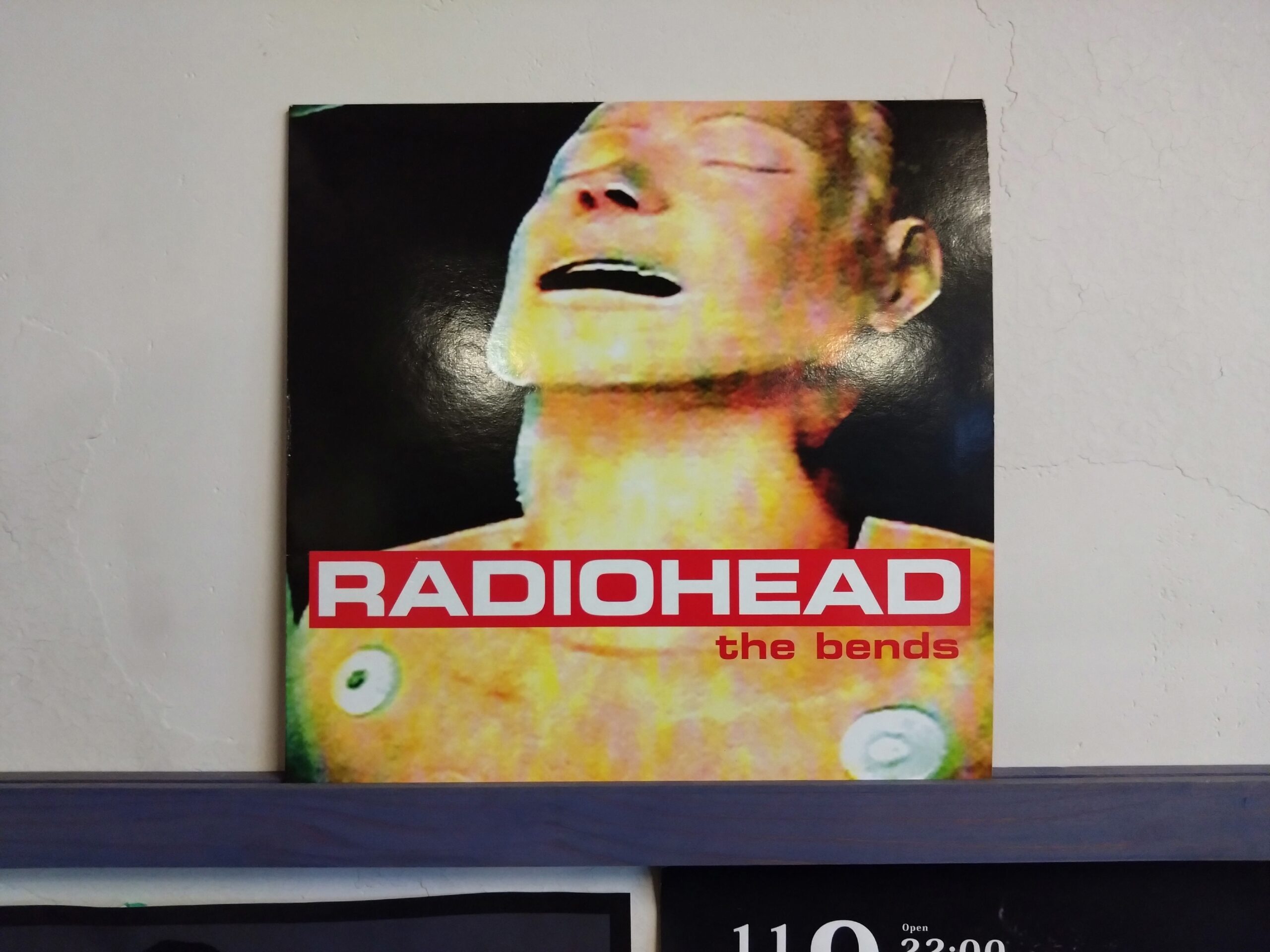
Radiohead, The Bends.
It’s known as a defining 90s UK rock album, but for Masuda-san it was a turning point—“it pulled me back from an electronic-focused self toward live-band rock.”
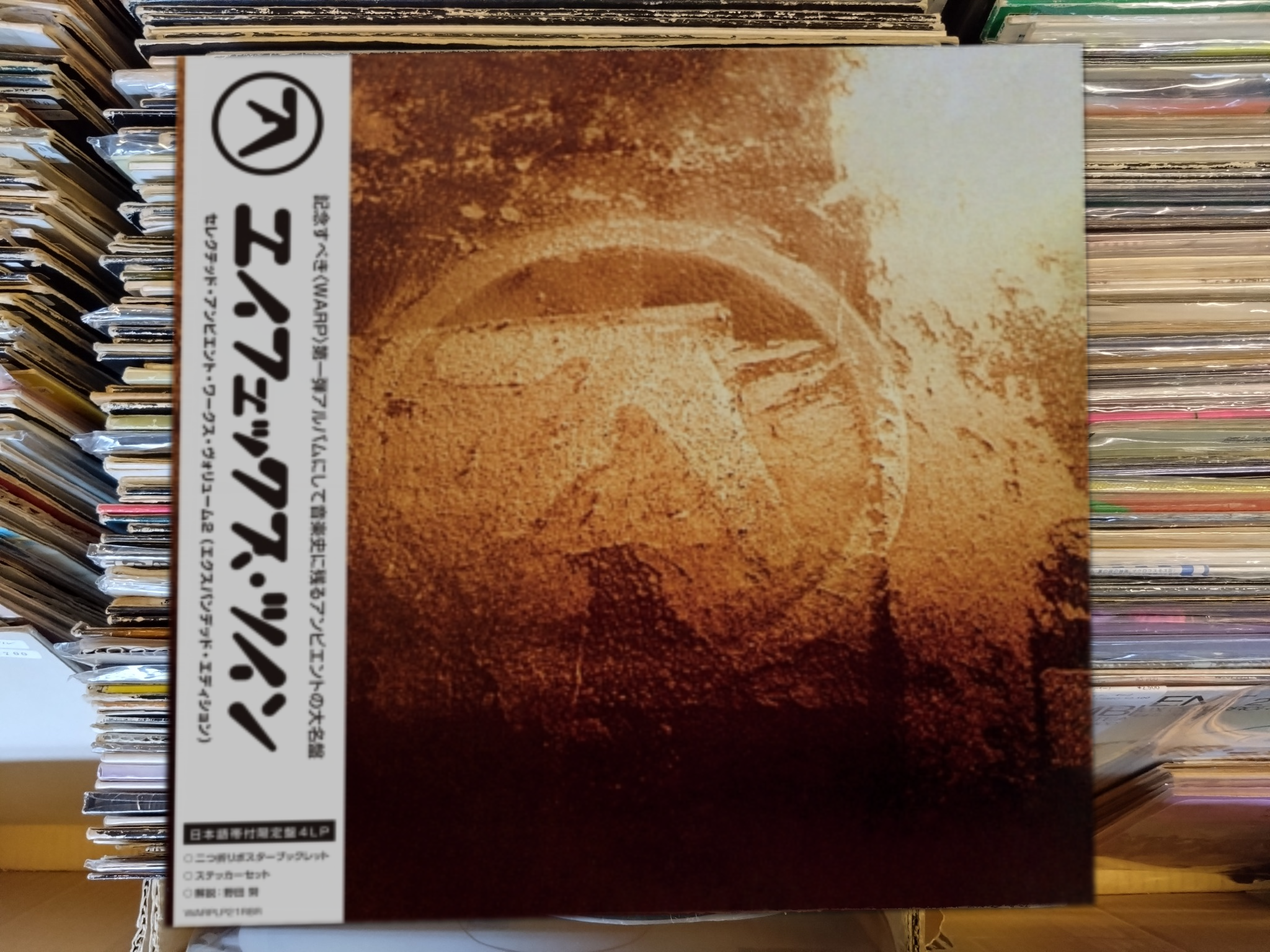
Next: Aphex Twin, Selected Ambient Works Volume II.
Here, the temperature of his words changed slightly.
Ambient sometimes works like a presence that stays close. It doesn’t cheer you up, yet it sits beside you. It doesn’t speak to you, yet it gently strokes something deep inside. In that moment, the reason there’s an ambient shelf in the shop felt like it all connected into a single line. A record shelf is also a shop owner’s résumé.
He also brought up 1970s albums.
That’s what Masuda-san said. Not “old” or “new,” but a texture that crosses time. It feels like the core of the joy of digging for records is right there.
These records weren’t just “today’s recommendations”—they’re tied to Masuda-san’s memories. That’s why a single record you pick up from the shelf becomes an entrance to conversation.
flowers of romance is in Ube City, Yamaguchi Prefecture.
Masuda-san also worked at a shop in Yamaguchi City when he was younger, and back then he apparently competed with a tightly focused selection—electronica/techno and the like. When DJs were still spinning vinyl, there was demand. But times changed; as the boom faded, he experienced a closure too.
Today’s flowers of romance is different from back then: the genres are broader. What’s interesting here is that he says:
With a narrower genre focus, it was clearer who it reached and how. Now that the range is wider, the “impact” is harder to outline. But in return, something remains in Masuda-san’s shop.
That is: relationships with people.
With people who come by often, it goes beyond a simple clerk-and-customer relationship—they might go out for a meal, or talk things through together.
Spending time with regulars who are a full generation older has become a place for Masuda-san to re-learn music. Stories from the “generation that went to concerts in real time” arrive as living voices. It’s knowledge with the warmth of the ground—different from big-city “information.”
A record shop isn’t made by its owner alone. It continues by finding a balance with the town, with people, and with the environment. Keeping a shop going in Yamaguchi means something like that, I think.
The more you love record shops, the more you remember that first-step tension.
“What if I’m not knowledgeable and I’m a nuisance?” “I don’t even know what I should listen to.”
Yes—me too. flowers of romance has several things that loosen those worries.
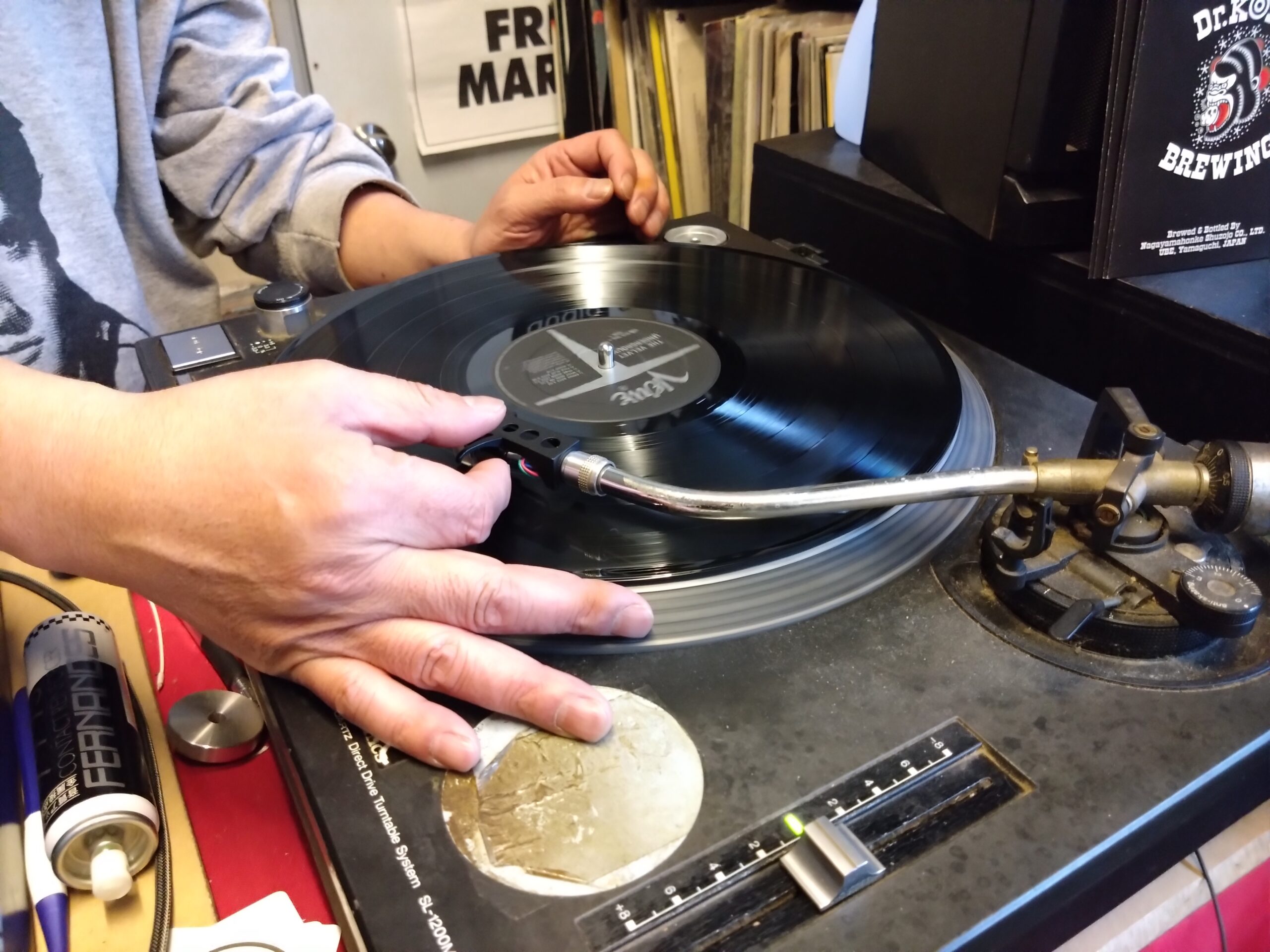
First, it’s easy to listen before you buy. There’s a DJ booth inside; if you ask, you can audition a record that catches your eye. There’s also a setup for people who want to listen on headphones.
That one sentence is gentle. And Masuda-san’s sense of distance is great for beginners, too. He likes to talk, but he doesn’t push in one-sidedly. He reads the other person’s reactions and adjusts the temperature of the conversation. You can dig in silence, and if you have something you want to ask, you can ask.
To begin with, Masuda-san doesn’t seem to enjoy showing off his knowledge, and even if you’re not deep into music, he’ll talk with you at the same eye level. That’s why the atmosphere here is calm. What makes beginners feel they belong isn’t knowledge—it’s safety. This place has that.
If it’s your first time, start by letting the tube sound wash over you. Next, make one lap around the boxes. Pick up a few jackets that catch your eye, and if you’re unsure, give them a listen. You don’t need to “get the right answer.” If you leave with the feeling “I want to come back” on your way home, that’s already the answer.
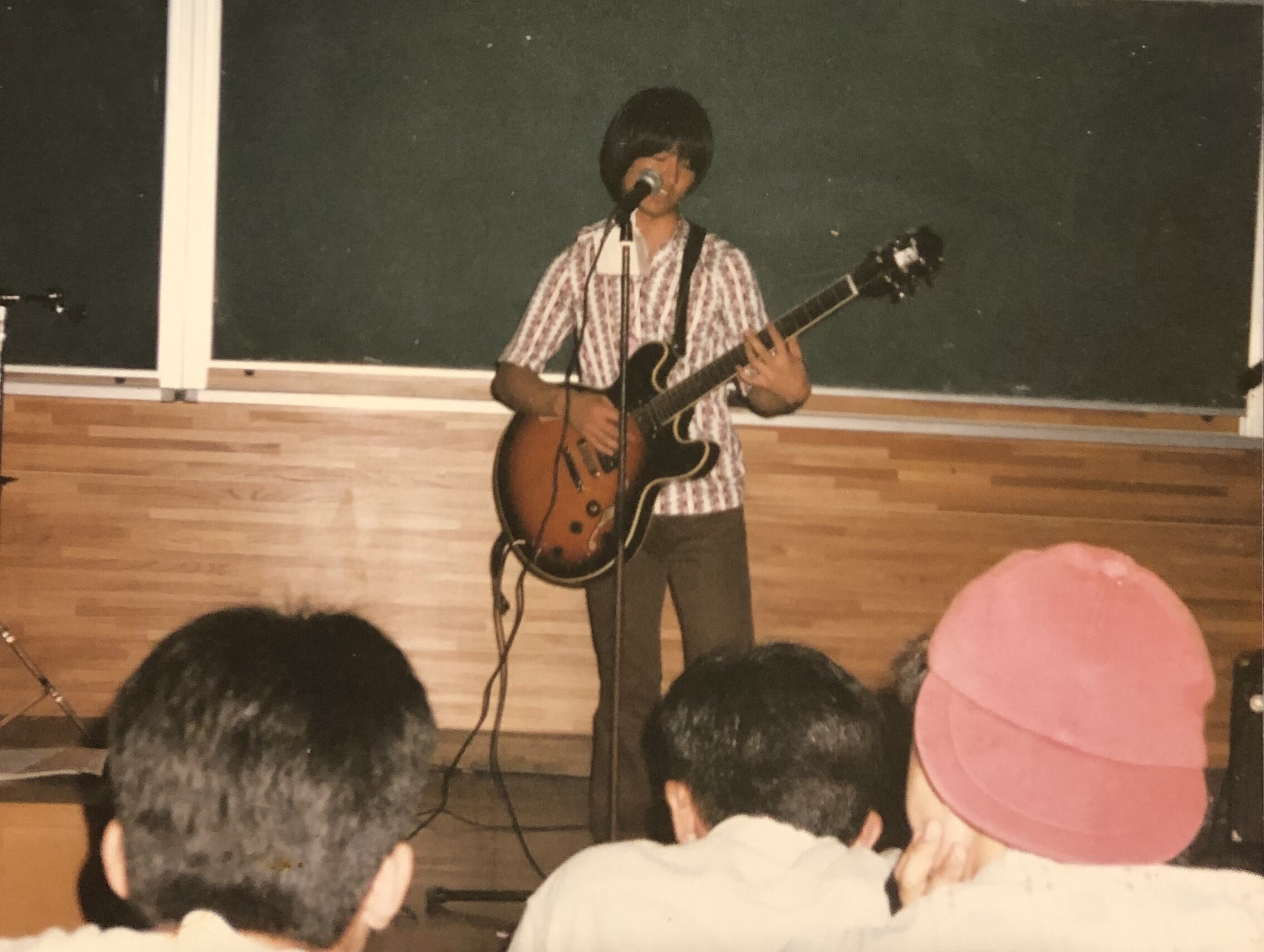
Masuda-san bought his first records at sixteen—two LPs, The Rolling Stones and Led Zeppelin, from a thrift shop along his school commute. He says his turntable was bought for him as a kind of entrance gift.
In the 1990s, at the beginning of an era when records were gradually disappearing, Masuda-san chose to be the one who “drops the needle.” In college, he worked part-time at a used record shop in Yamaguchi City and learned the world of vocal-driven music—singer-songwriters and AOR (Adult Oriented Rock).
From there he went independent and opened a record shop in Yamaguchi City. There was a period when he focused on electronica/techno and competed mainly with new releases. After many seasons and shifts, he now continues a shop in Ube with shelves that span a wide range.
Masuda-san’s reason for choosing a physical shop over online sales was clear.
A record shop isn’t a place just to line up shelves—it’s a place to meet people. That’s the root of flowers of romance. What the shelves speak of is Masuda-san’s roots, and the present that extends from them.
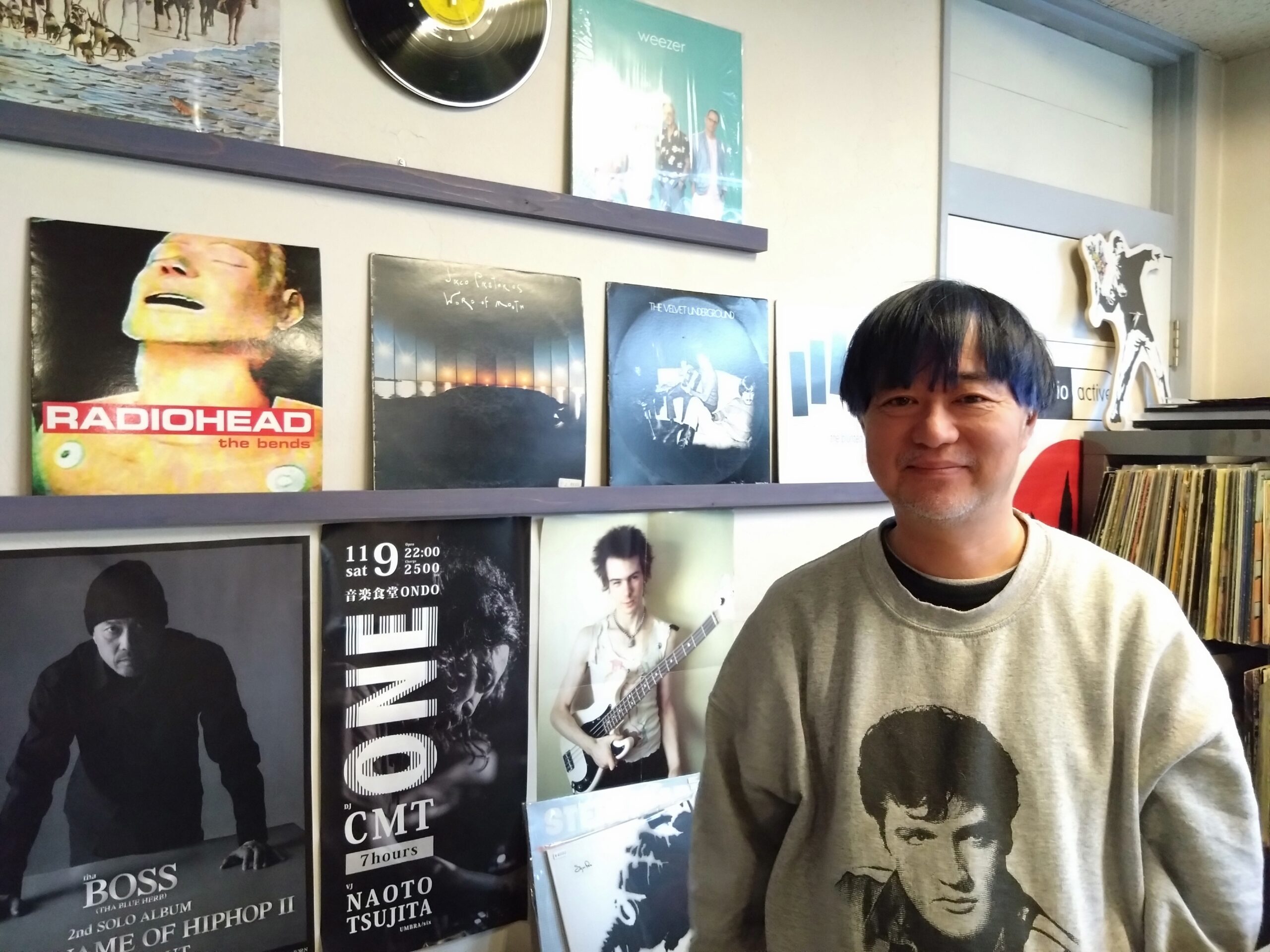
Finally, when I asked what “sound he wants people to discover in this shop,” Masuda-san’s answer was—of course—the tube amp.
Tube sound can’t be fully explained. Masuda-san laughed and said, “You’ll know when you hear it.” It’s like how you can’t completely convey the aroma of tea with words—in the end, you just have to drink it. The smell of rain, the quiet of a study—these things live close to experience.
But the goodness of this shop doesn’t end at “the sound is great.” That sound sets the pace of conversation, slows your digging gestures, and even makes the scuffed corners of jackets look lovable.
What I want you to discover here isn’t just a record title—it’s the texture of sound. As we were leaving, Masuda-san said this.
What he wants isn’t praise, but the feeling that you want to come back. That attitude is what keeps the air in this shop calm. flowers of romance is that kind of record shop.

|
||
|
||
|
||
|
||
|
||
|
||
|
||
|
||
|
||
|
||
|
||
|