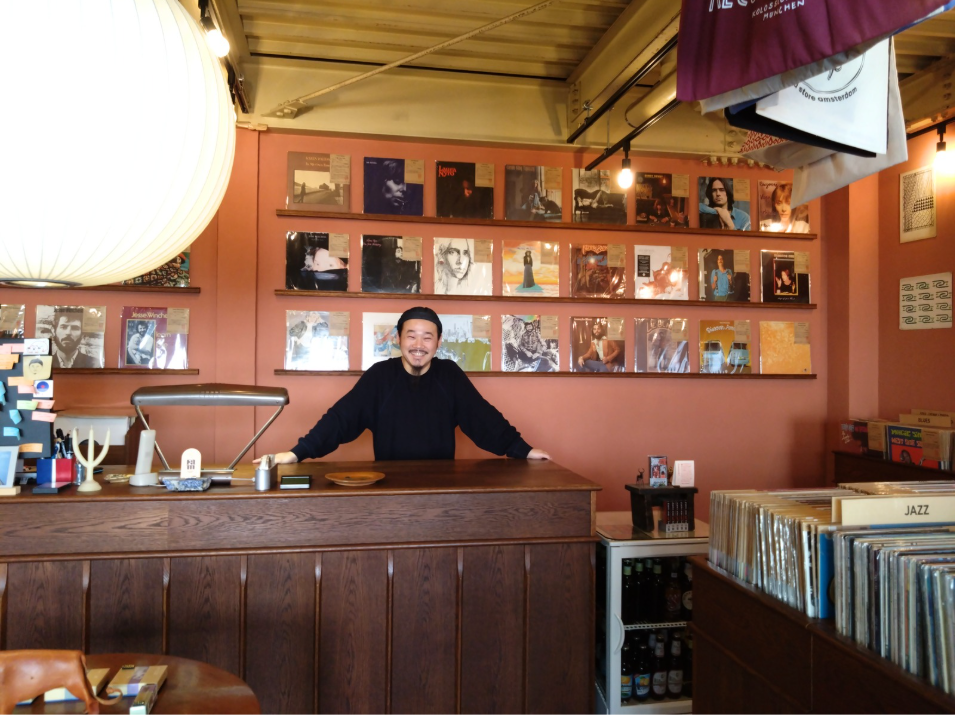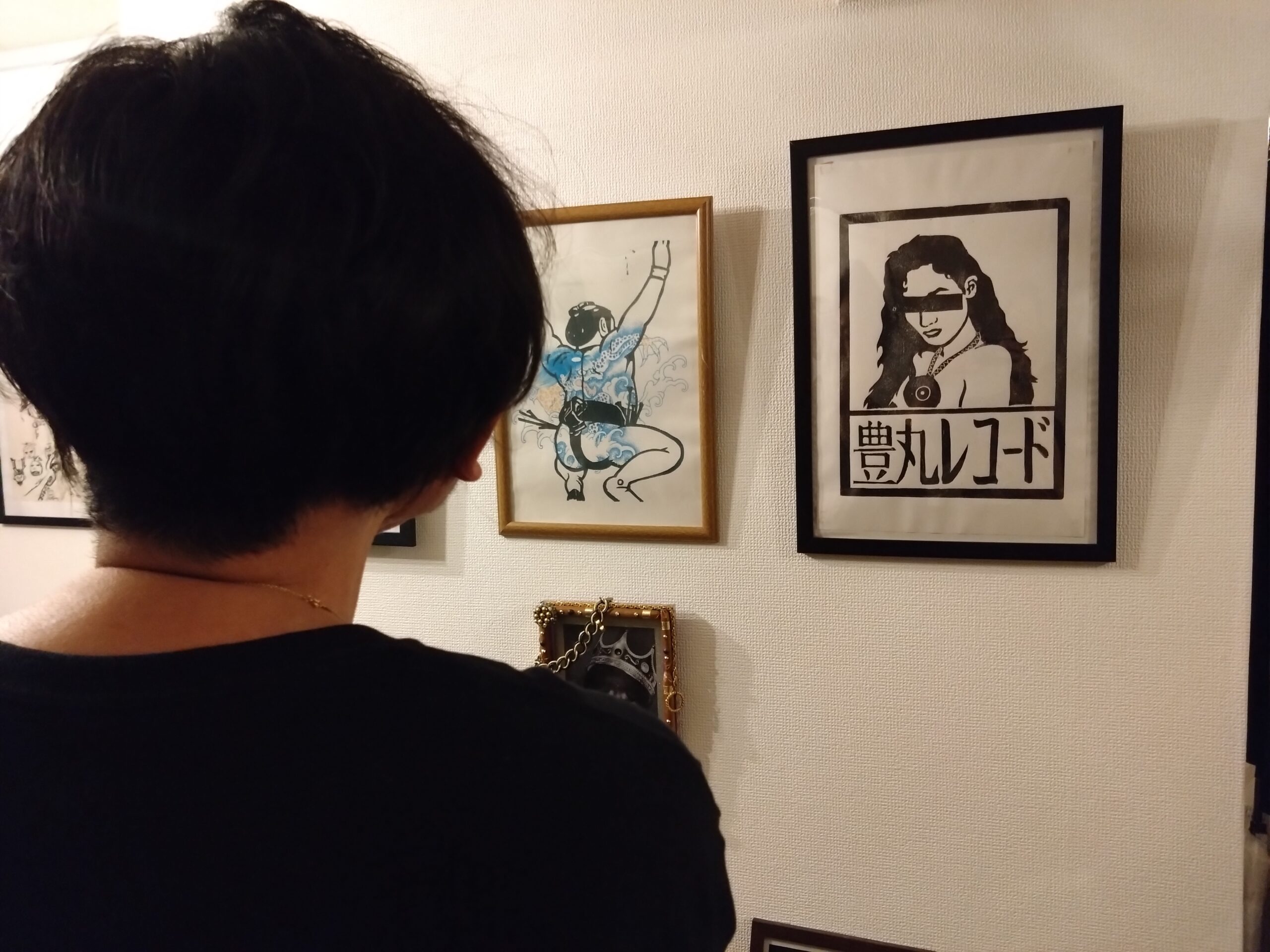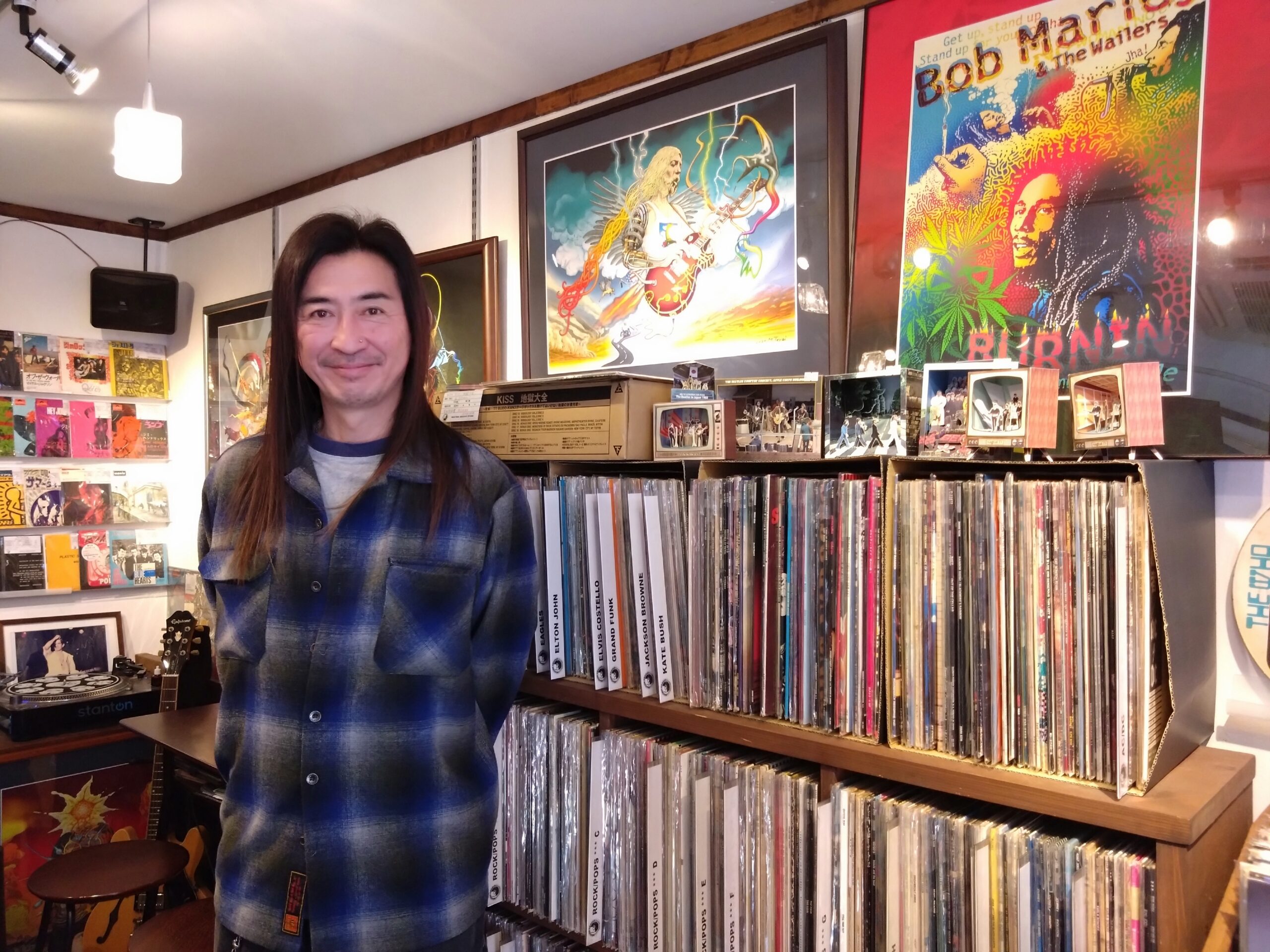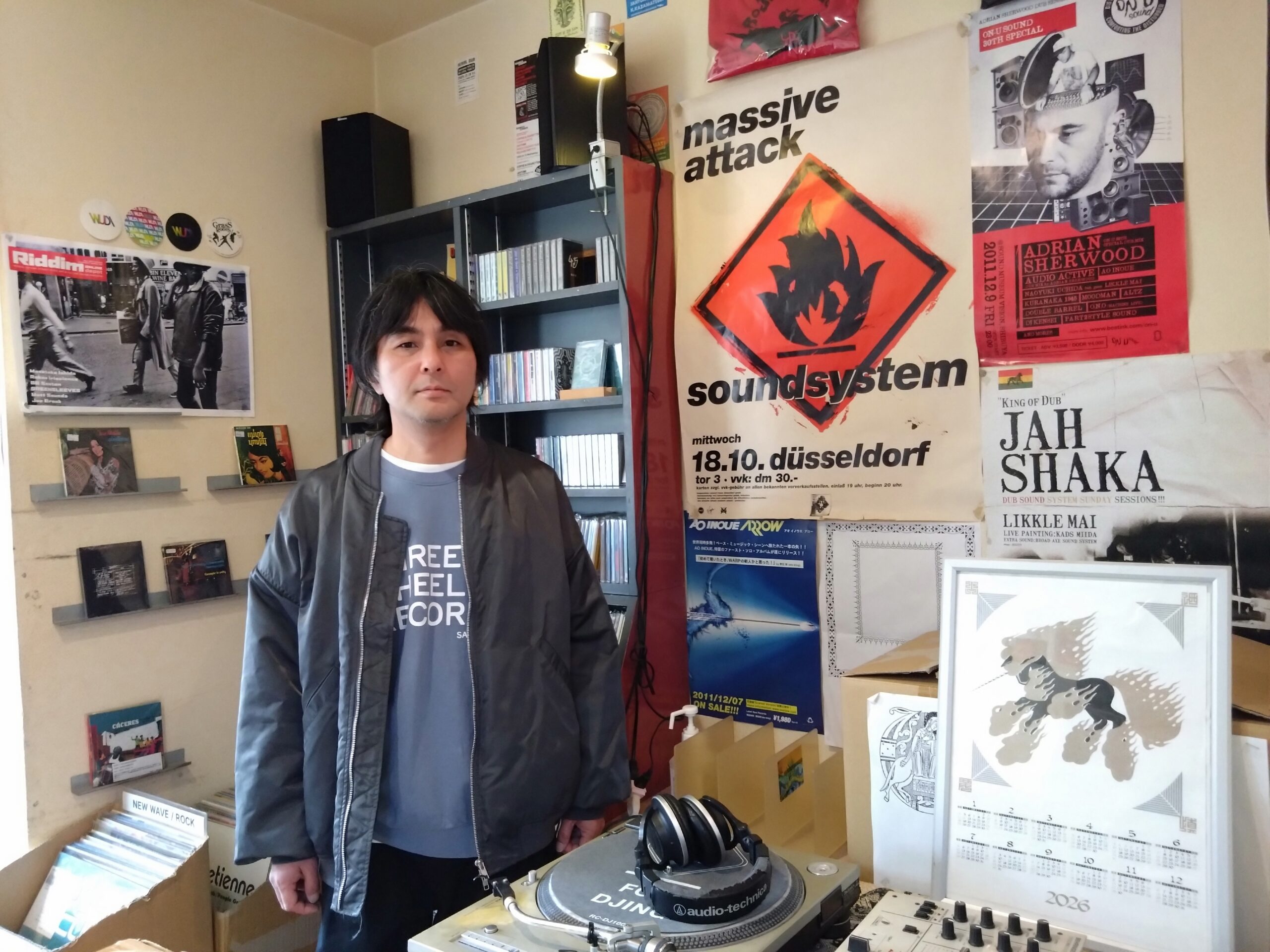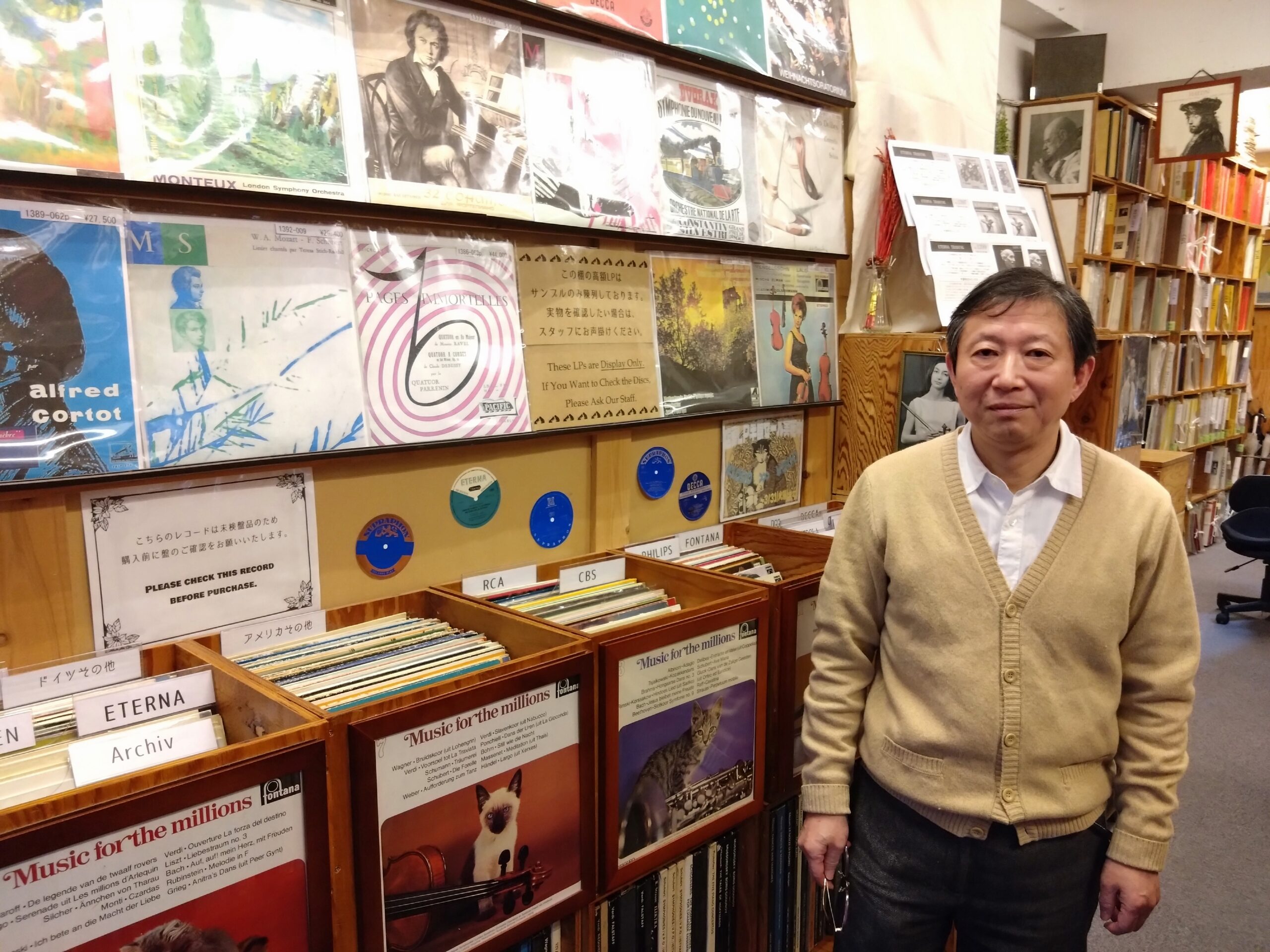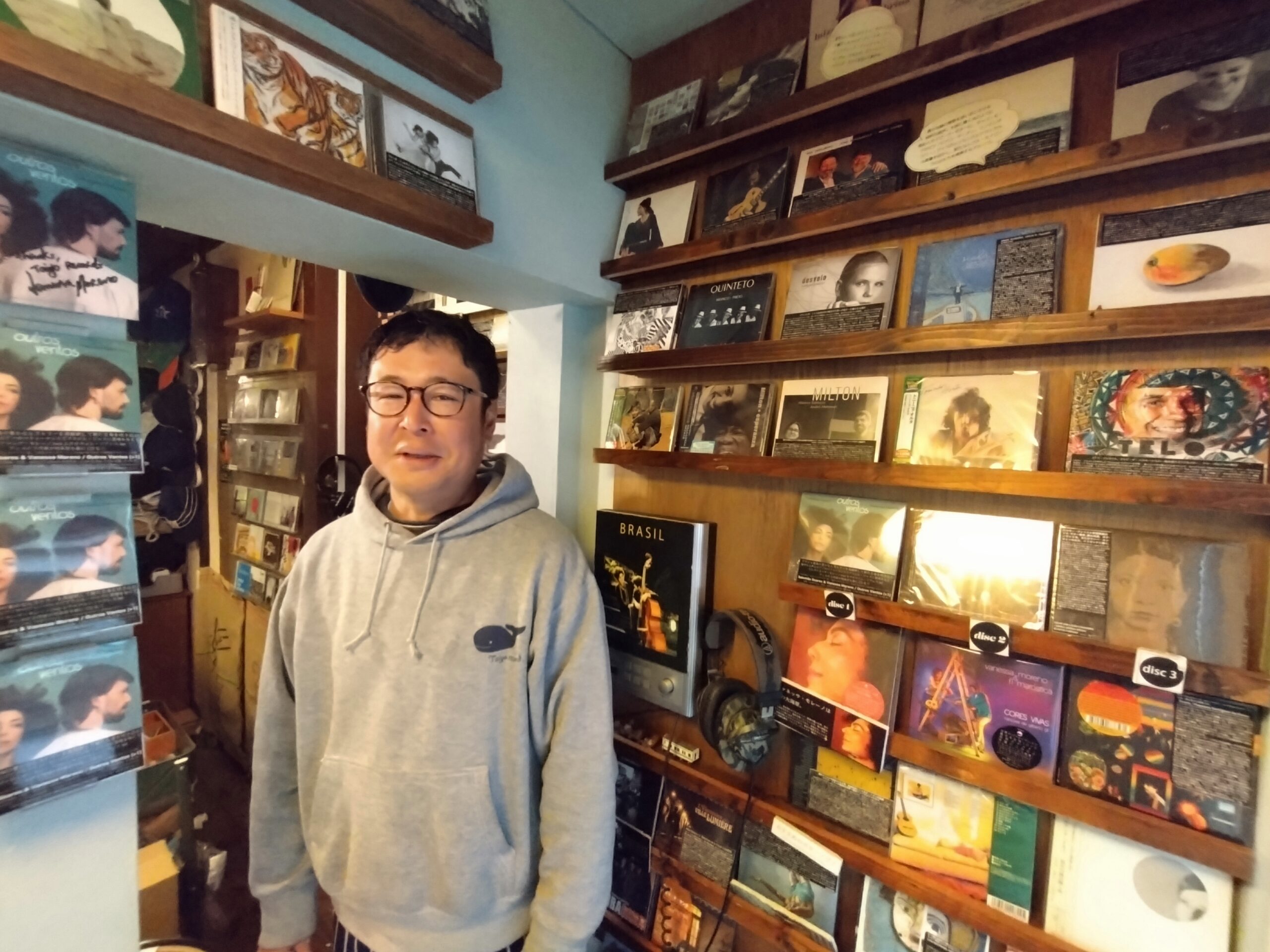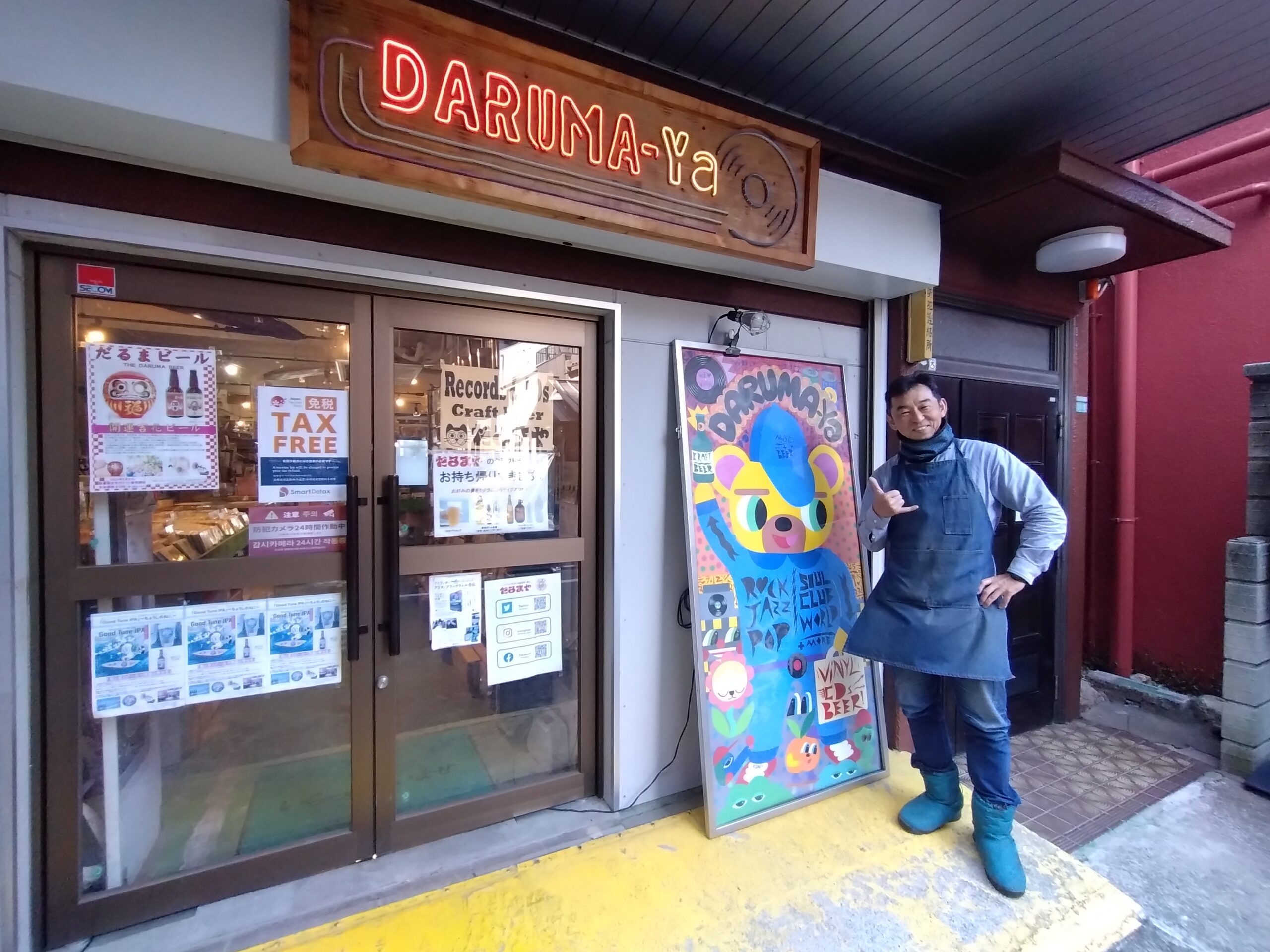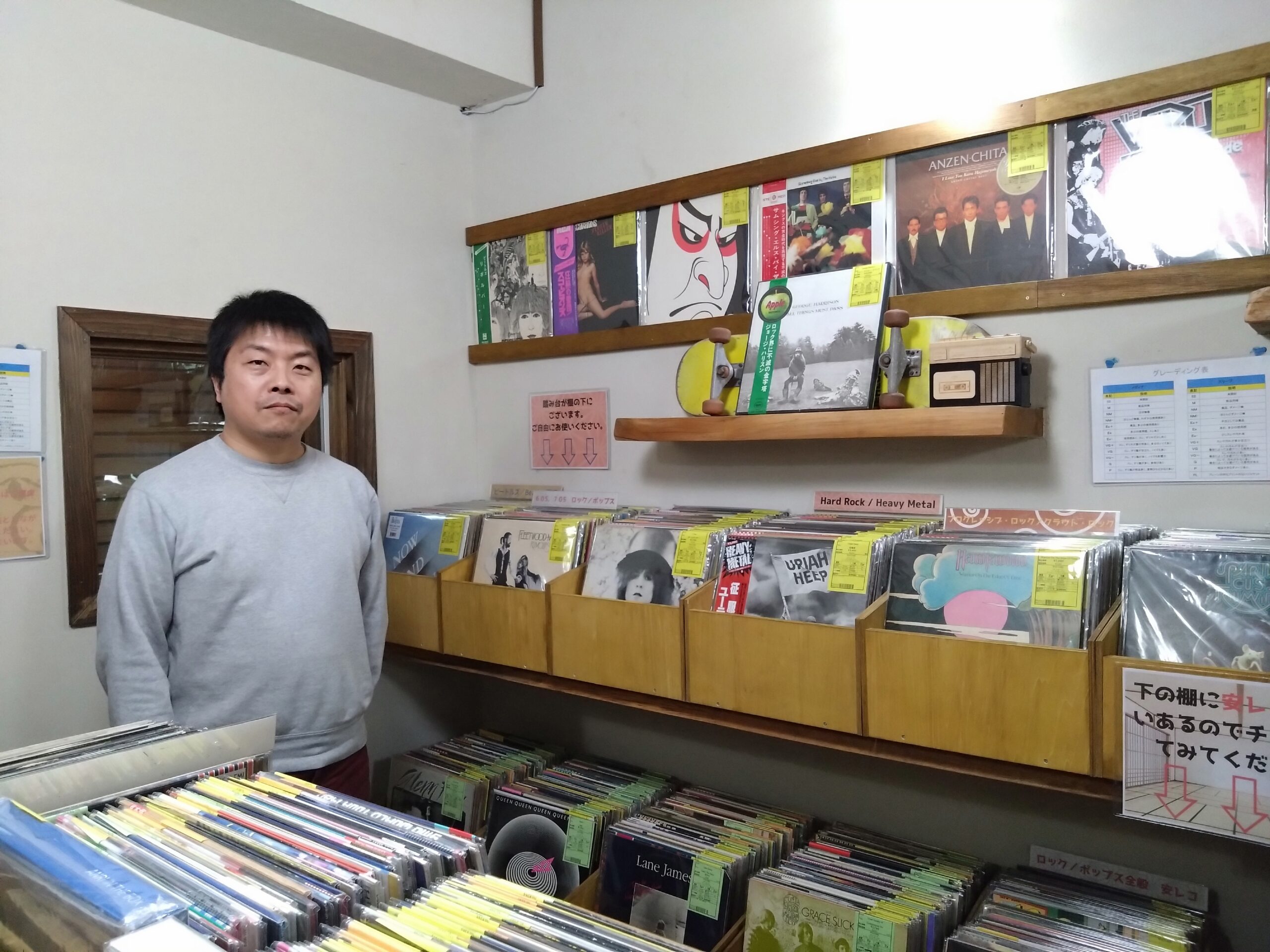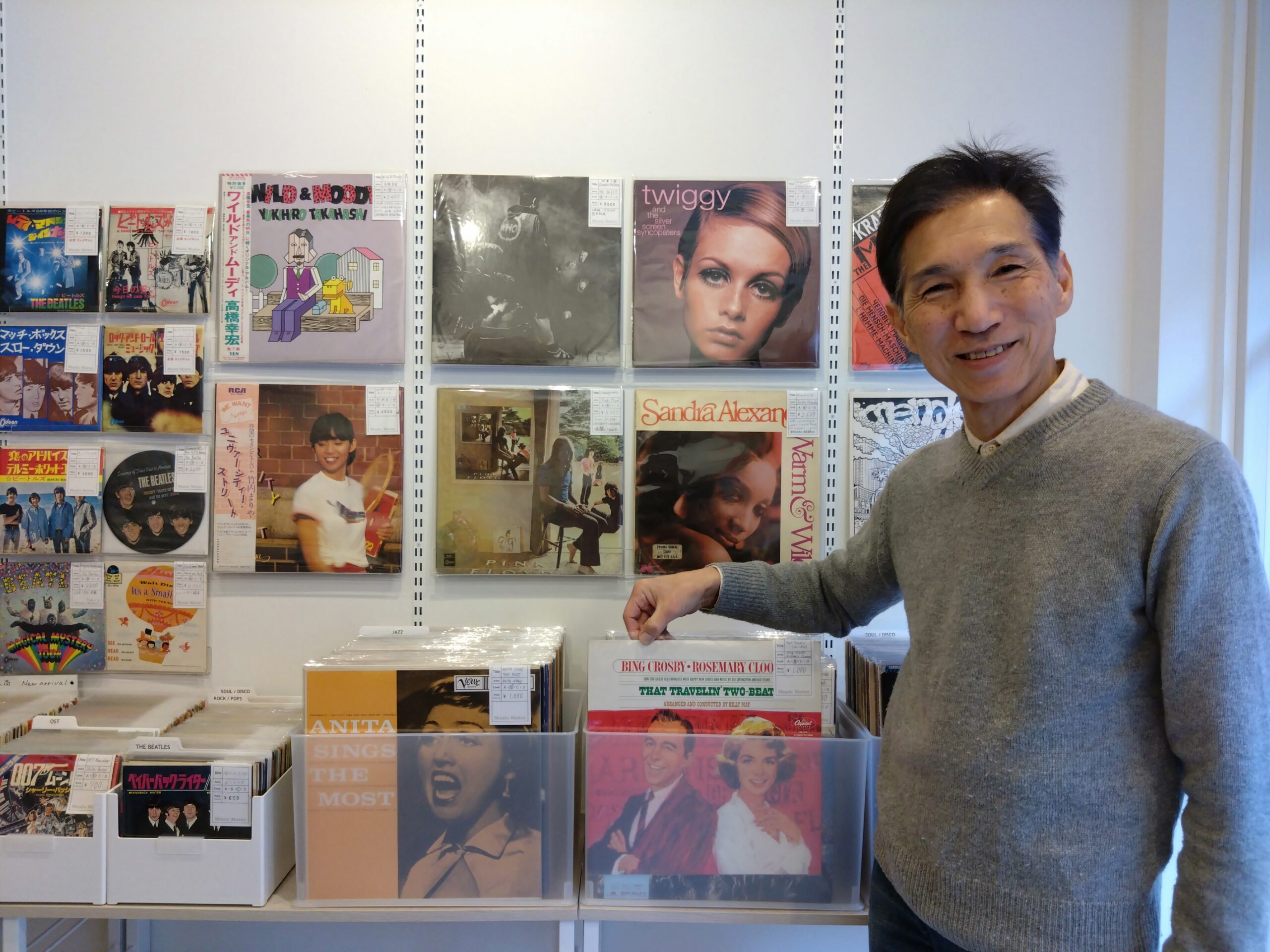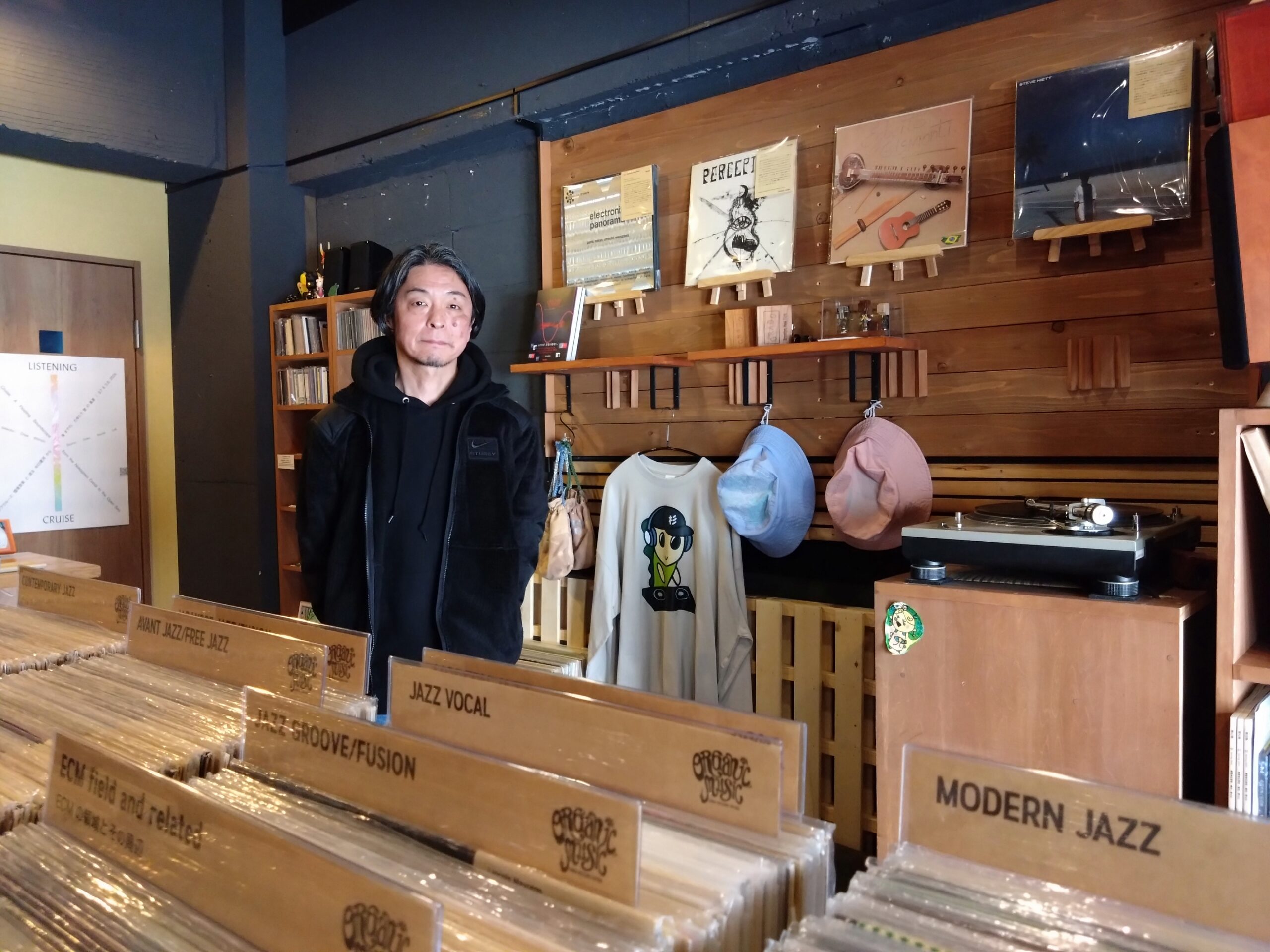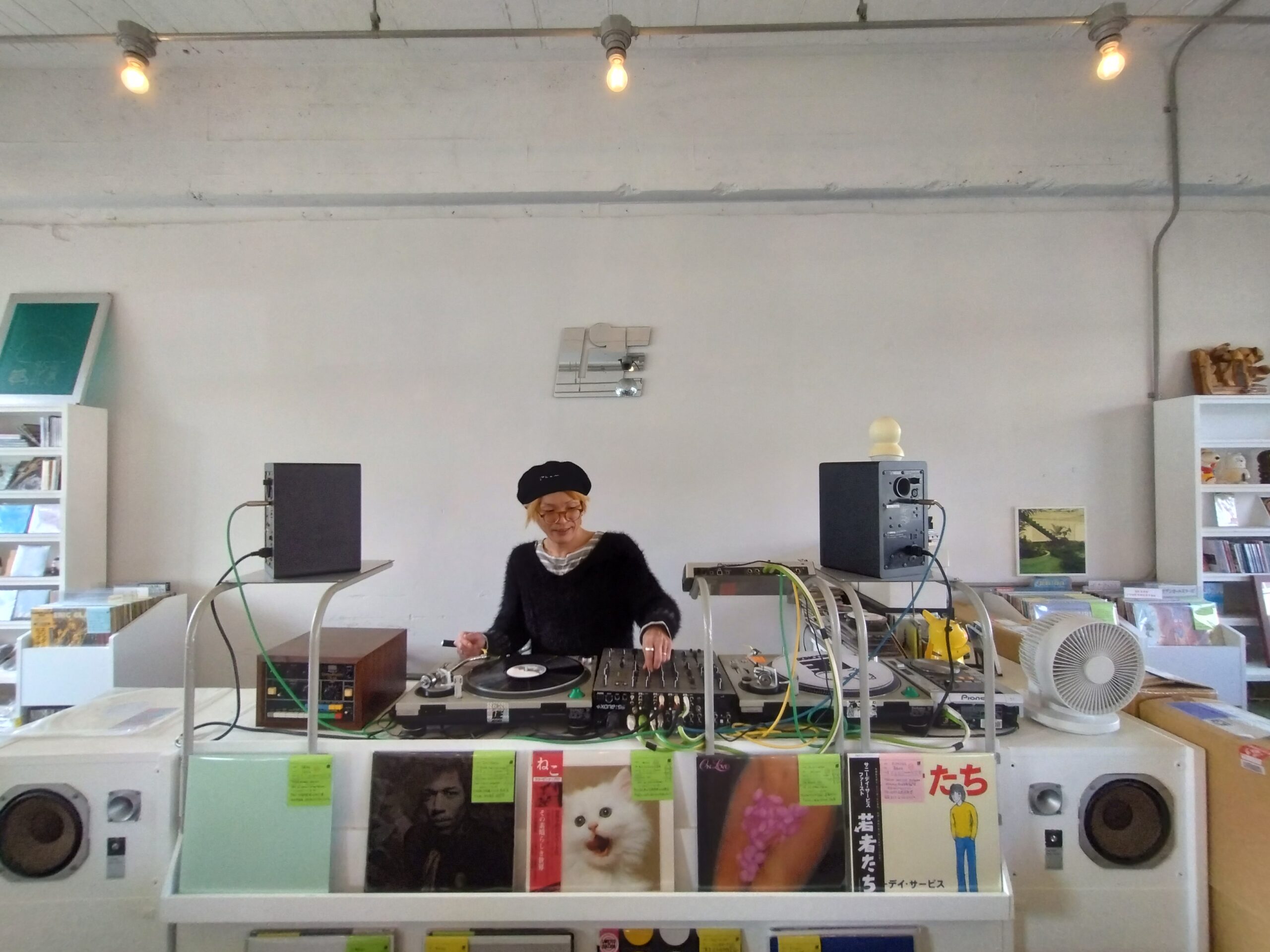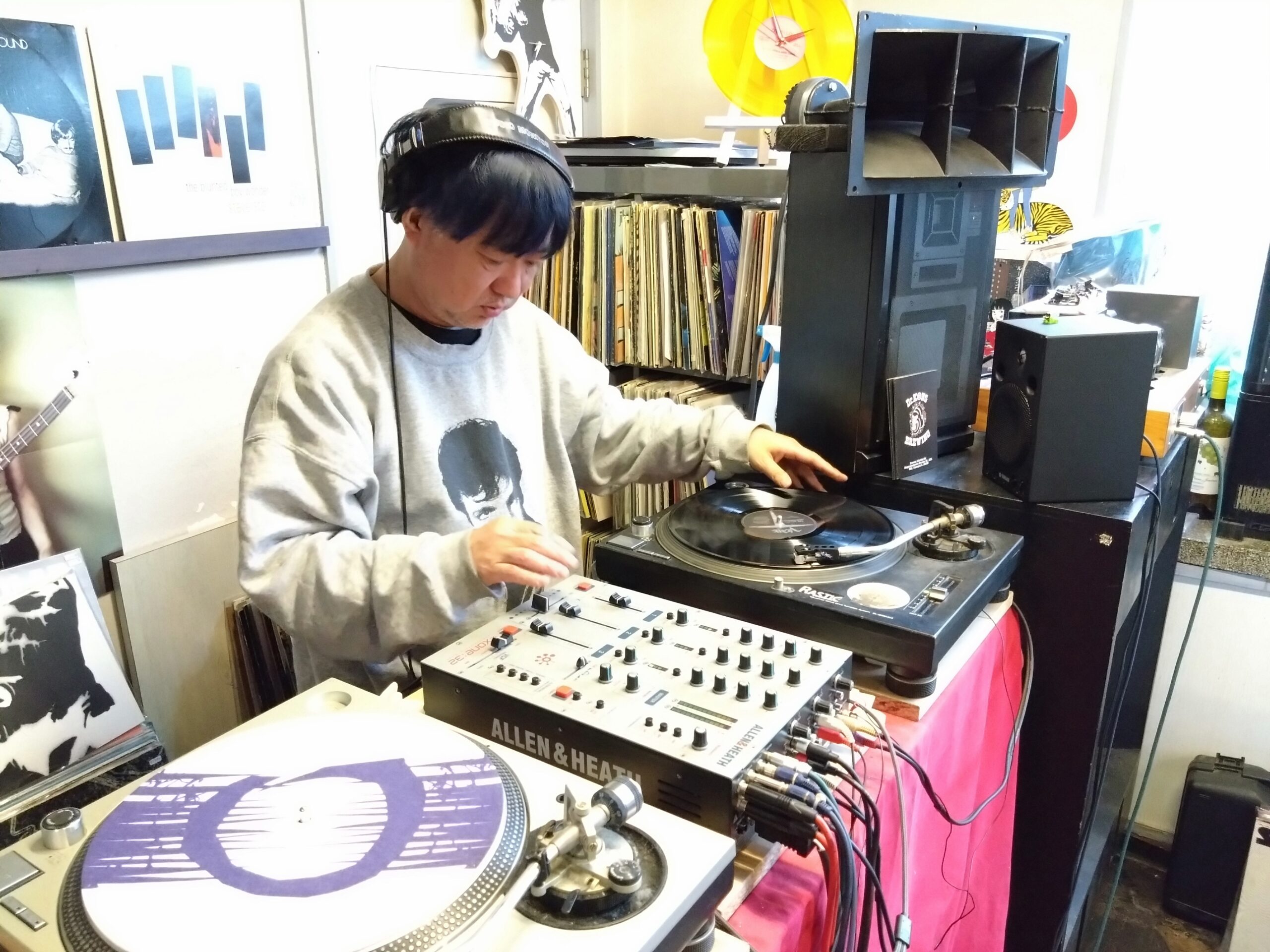
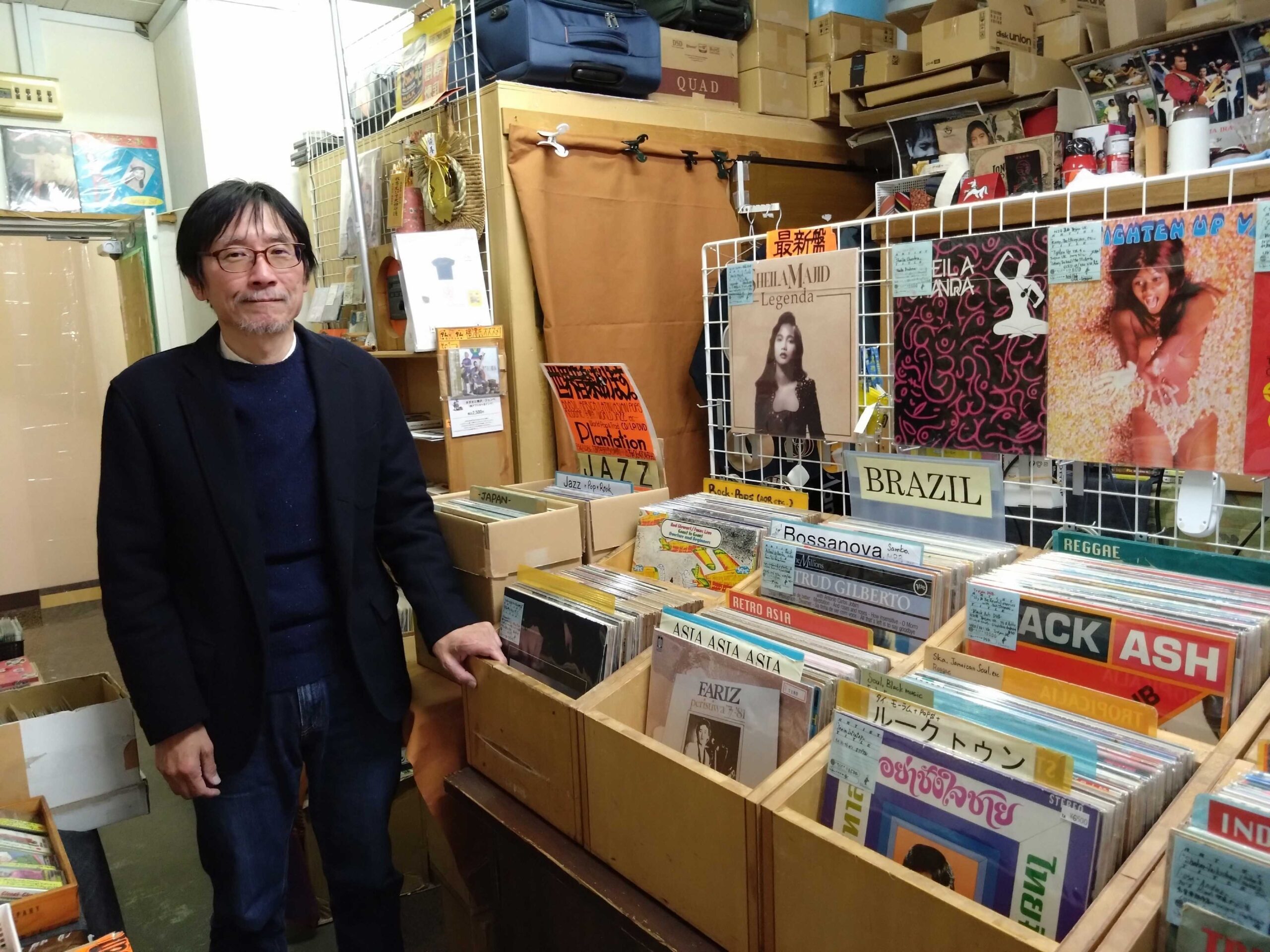
This is our interview series with record store owners, “Yomoyama Tales from Record Shops.” This time, we visited Plantation in Shinsaibashi, Osaka City.
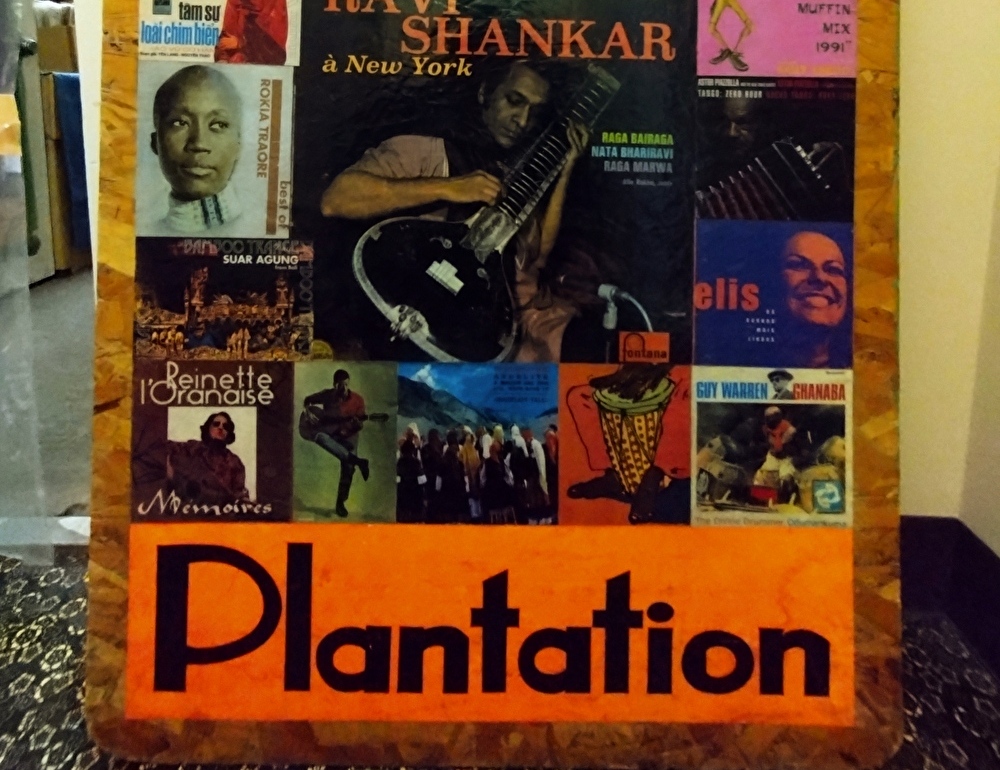
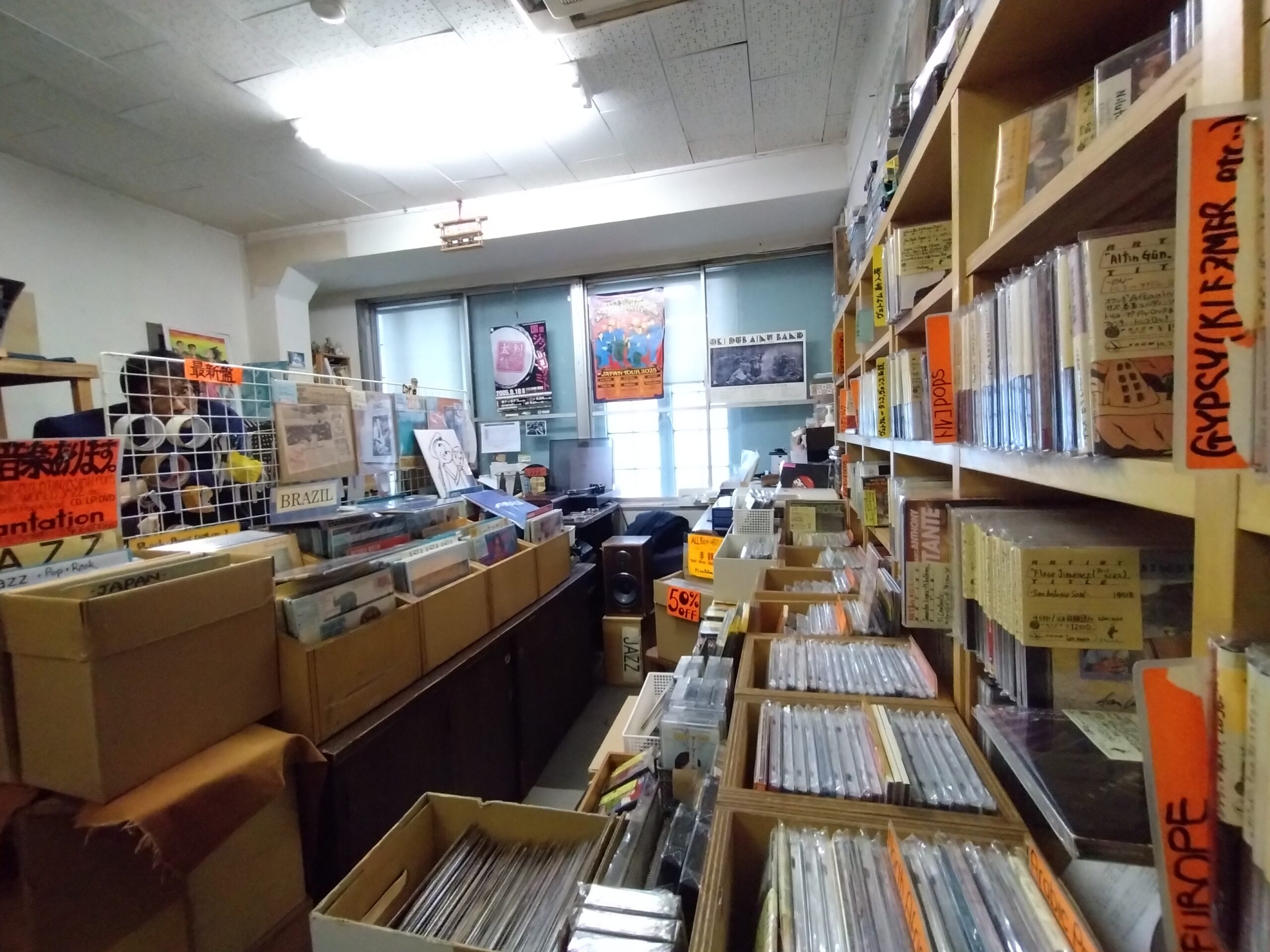
Shinsaibashi is a city full of sound. Footsteps passing by, BGM spilling out from shops, the electronic tones of traffic lights, the calls of people trying to draw you in. Information is constantly flowing. But if you shift your angle just a little from that busy street, you’ll find the entrance to Plantation.
You open the door. The air changes, just slightly. The records and cassettes lined up on the shelves look less like merchandise and more like tools of everyday life. The texture of the jackets, the scuffs on the cases, the lettering on the spines. They feel like media connecting the past to the present.
The owner, Maruhashi-san, looks over and jokes:
That kind of casual remark naturally spreads to you too, brightening the atmosphere of the shop. Plantation is less a place to “choose” and more a place to “encounter.” Whether you’re looking for a specific record or just happened to stop by, it lets you step a little away from the pace of Shinsaibashi. That feeling itself is the first thing that feels good.
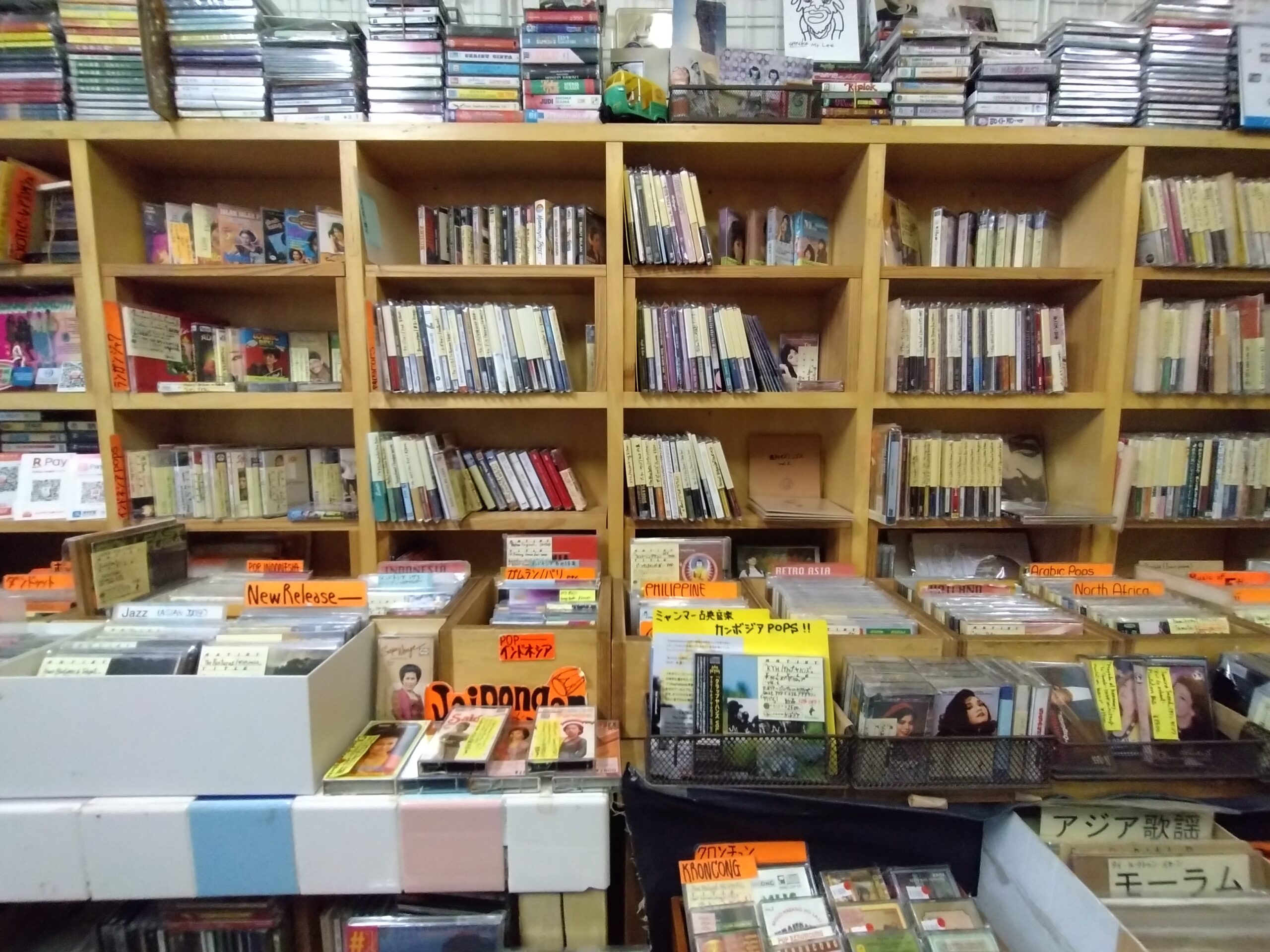
At first glance, the shelves at Plantation seem all-genre: rock, jazz, cassettes, world music. But they’re not simply arranged at random. Listening to Maruhashi-san speak, you begin to see that there is a single “axis” running beneath those genres: a world-minded perspective that crosses countries and languages. Maruhashi-san spent many years working in record stores. He has seen the intensity of the used-record world, the bargaining of buying trips, and the shifts in the market. That’s why a line like this comes so naturally to him:
In the world of world music, there are very few fixed answers. That’s exactly why you listen, compare, wander, and choose. The process itself becomes the experience. So you listen. And then you listen once more.
What first led Maruhashi-san toward world music dates back to his days working in a record store. A conversation came up at the shop about carrying a new category: “Asian music.” He says he had already wanted to travel through Asia. Then one particular sound joined that desire: Bunga Dahlia by the Indonesian artist Sudia.
He didn’t have much money. Staying in cheap lodgings that cost around 300 yen a night, he began traveling across Asia on buying trips. Six days, four countries. It was an unreasonable schedule. And yet those trips continued for nearly twenty years. Sometimes the stays were as short as three days, but he returned again and again. Before long, he had been to Indonesia more than a hundred times.
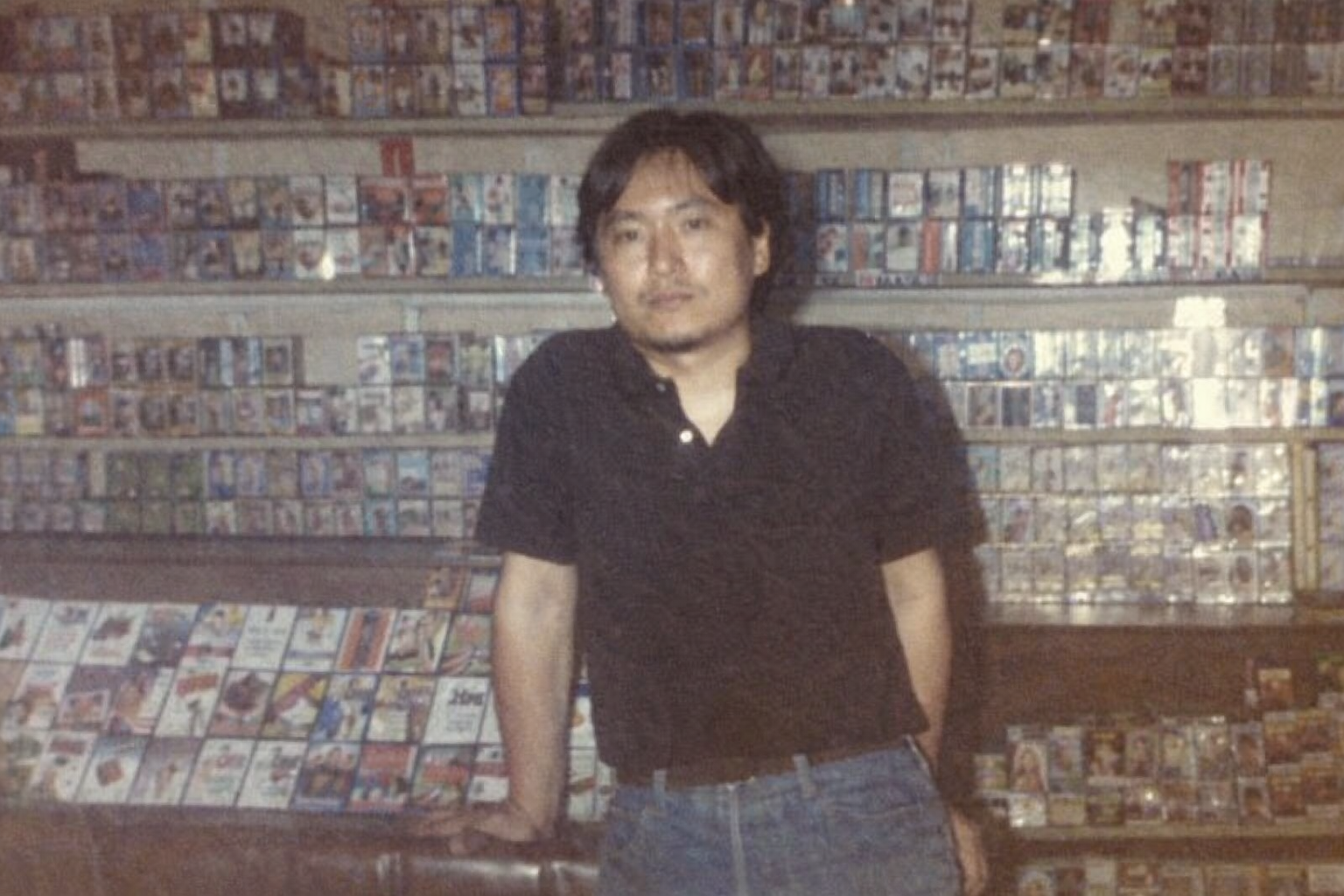
There, he discovered something important. It wasn’t records that dominated, but cassettes. Maruhashi-san himself became deeply absorbed in cassettes, to the point that he wore out several decks. Laughing as he tells the story, his words sound less like those of someone who merely “collected” music and more like someone who actually “used” it. Indonesia, Pakistan, and many parts of Southeast Asia — when the country changes, the atmosphere of the music changes too.
Language, culture, and the rhythm of daily life all change the expression of sound. That is exactly what makes world music so fascinating. On the shelves at Plantation, the air of those places is lined up just as it is.
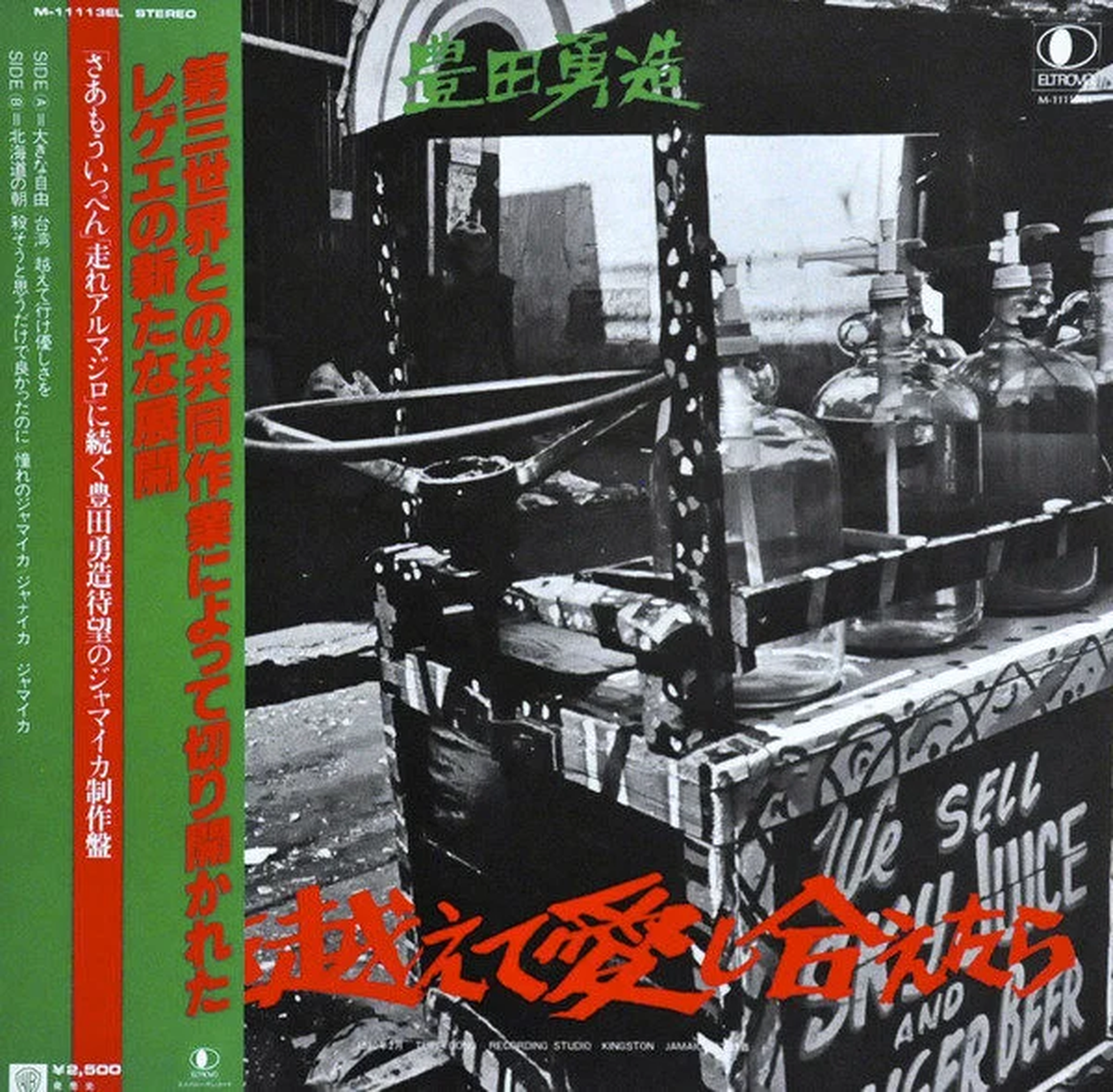
When asked about “the record that changed your life,” Maruhashi-san names Chi wo Koete Aishiaeta Nara by Yuzo Toyoda. Backed by Jamaica’s top musicians, Toyoda sings reggae in Japanese.
But perhaps it was less a sudden leap than an extension of repetition. It wasn’t about hearing something once and moving on. It was about listening again and again. Repeating it. And as he kept listening, the sound entered his body. Before he knew it, it led to the choice to go there.
Maruhashi-san is not the type who constantly tries one new thing after another. Once he finds a range he can truly go deep into, he stays with it completely. That may be why music became more than a hobby for him — it became a force that could move his life.
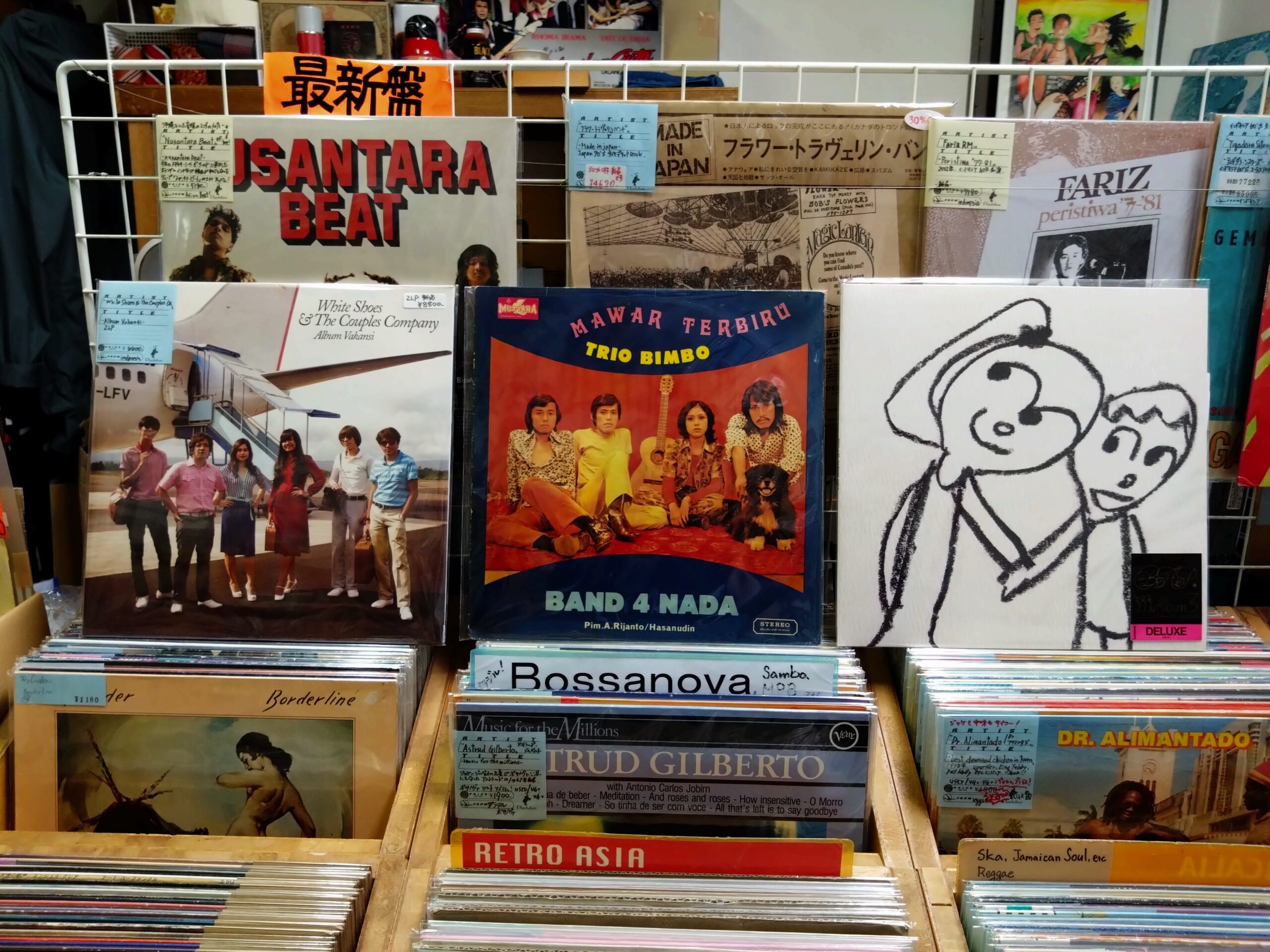
Plantation’s shelves are full of that kind of sound. It’s not so much about records with the strongest “masterpiece” reputation, but about sounds that feel as though they’ve had an effect on someone’s life.
You don’t need to understand the language. The temperature of the voice. The sway of the rhythm. From there, life in a faraway place suddenly rises up. It’s not only the grand, dramatic record that changes a life. Sometimes a sound you happen to encounter quietly rewrites your map afterward. Plantation is especially strong in that kind of sound.
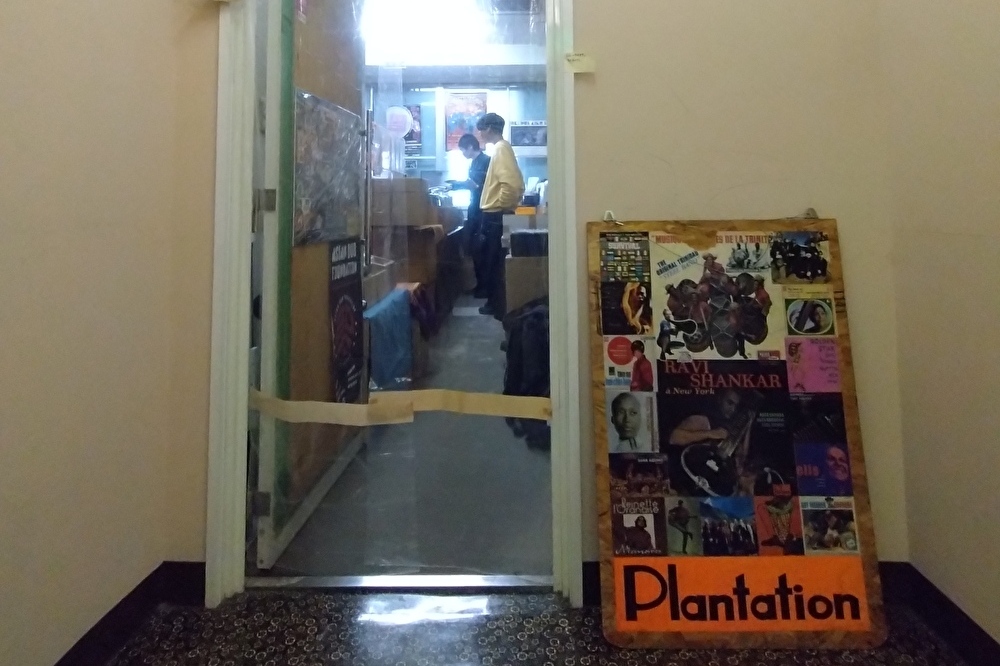
Plantation belongs in Shinsaibashi because the way its shelves came to be fits this place. Osaka has long been a city where different things coexist. It’s cluttered, its boundaries are vague — and precisely because of that, new things are born there too.
When he was in college, Maruhashi-san had a strong urge for self-expression, and at the time, Amerikamura in Osaka was a place with good air flow for that. Even if you dressed a little differently, people found it interesting and accepted it.
And around Shinsaibashi in the 1990s, there was also a harder edge in the air. Laughing, he says there were “lots of crazy people around, and it was kind of scary.” Scary, and yet magnetic. People gather in places like that, and sound gathers there too. Later, commercialization advanced and that freer atmosphere gradually thinned out. Times change. Cities change too.
That is not regret, but a question. Without expanding flamboyantly or spreading efficiently, he simply dug deeper into the same range. But because of that repetition, the shelves that exist now came into being.
In the middle of a city that keeps changing, there is also a kind of strength in continuing to face sound the same way.
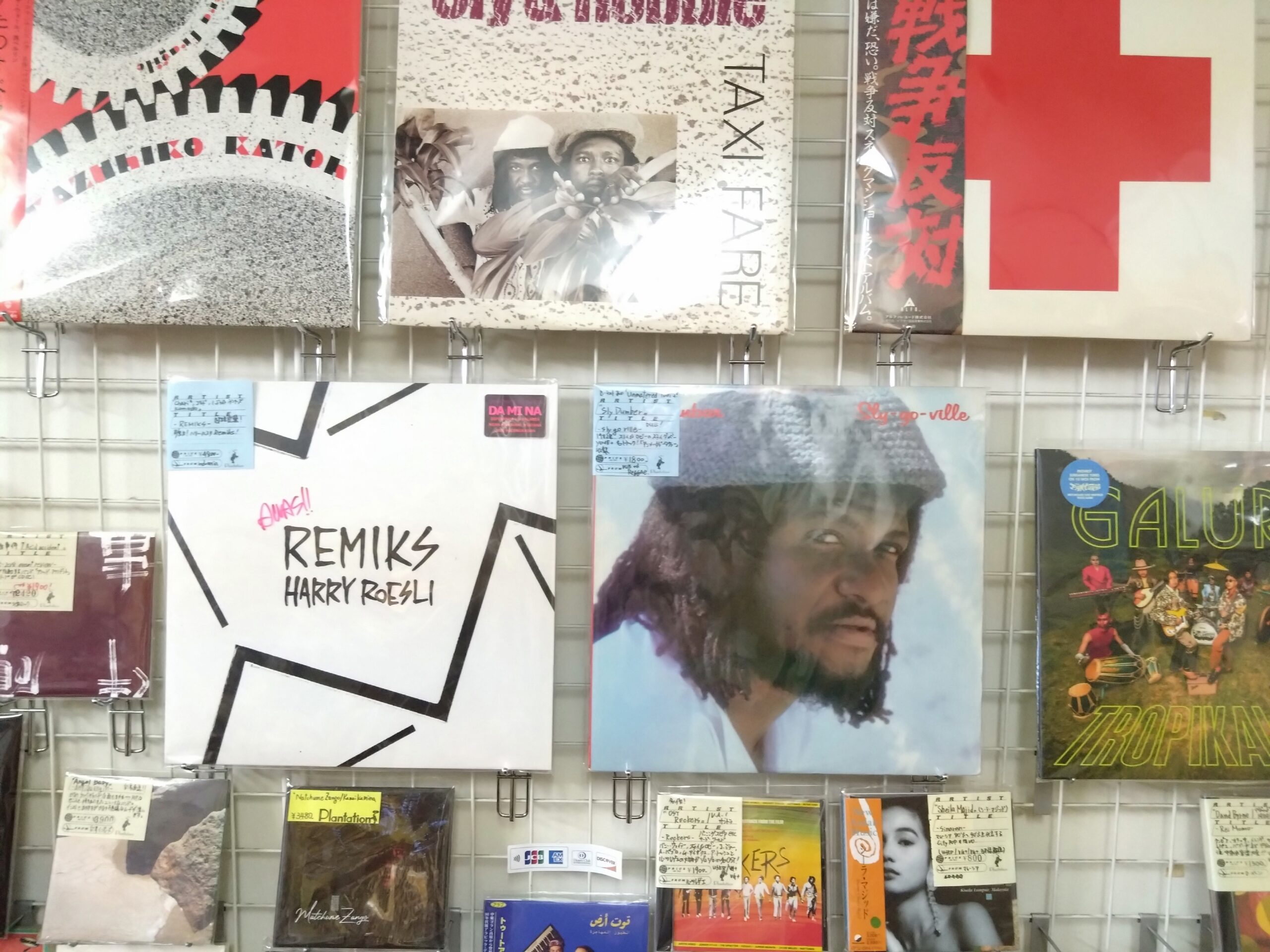
Maruhashi-san says it plainly:
Because he himself once had experiences of being treated coldly, he doesn’t want to do the same. He doesn’t want to make the doorway to the shop narrow. Recently, a young couple came in, he says. They weren’t especially knowledgeable about music. But they were delighting in Thai cassettes, bossa nova, and music in Chinese. Apparently, that scene felt fresh to him. Not expertise, but the way people take interest. Plantation notices that.
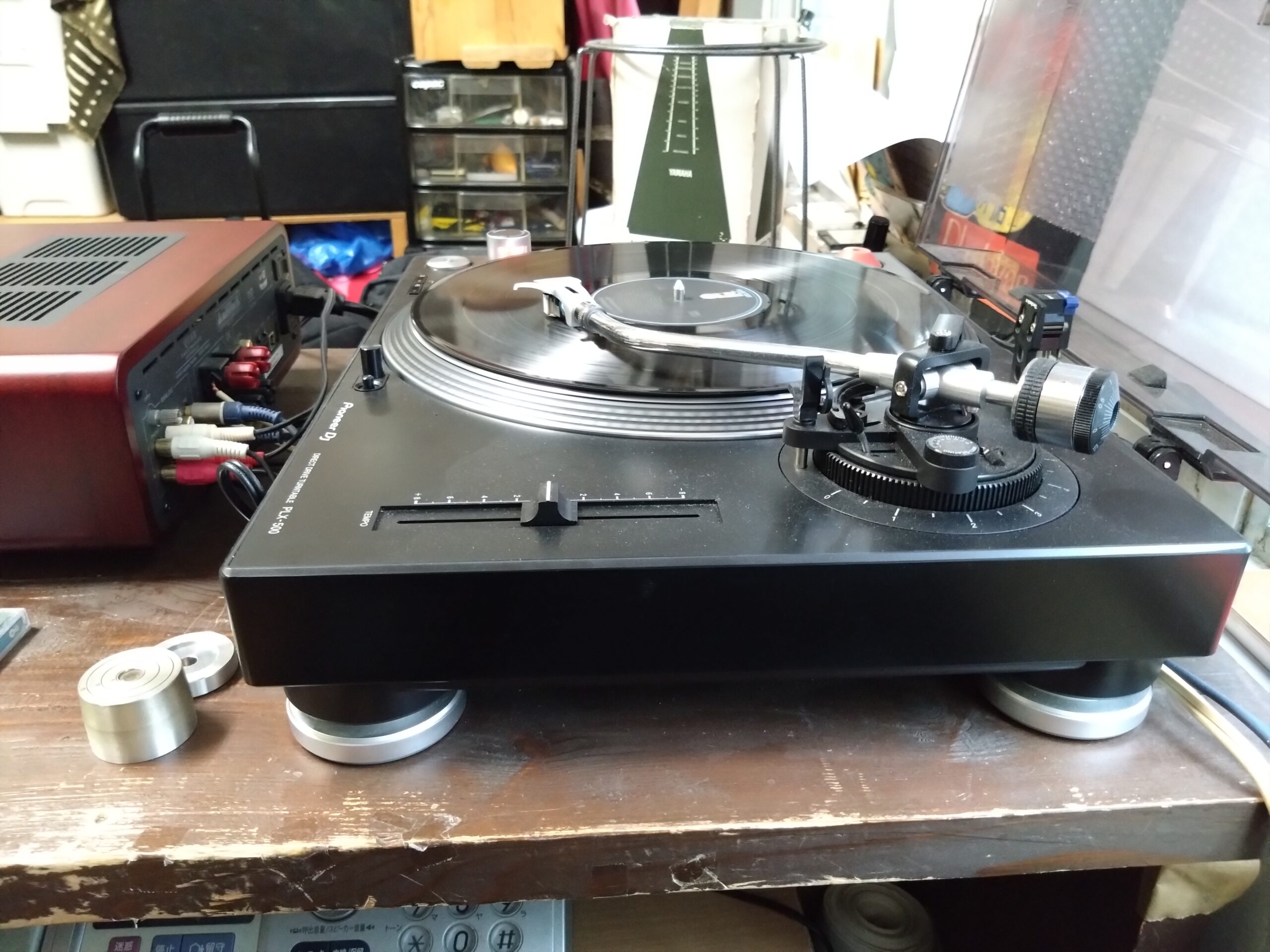
The trick to enjoying this shop as a beginner is simple.
Rather than “I listen to everything,” try “This is the mood I’m in today.” That alone makes the shelves move just a little. Something that feels like travel, something nocturnal, something with an interesting language. It doesn’t have to be precise. Those words pull some of the countless possibilities on the shelves a little closer to you.
And if you’re unsure, you can even start with the jacket. Maruhashi-san himself says that with classical music, unless he already knows it’s especially good, he buys by the cover. Intuition before knowledge, and then you confirm it with your ears afterward. What beginners need is not the right answer, but a place where they can try. Plantation is very kind as that kind of place.
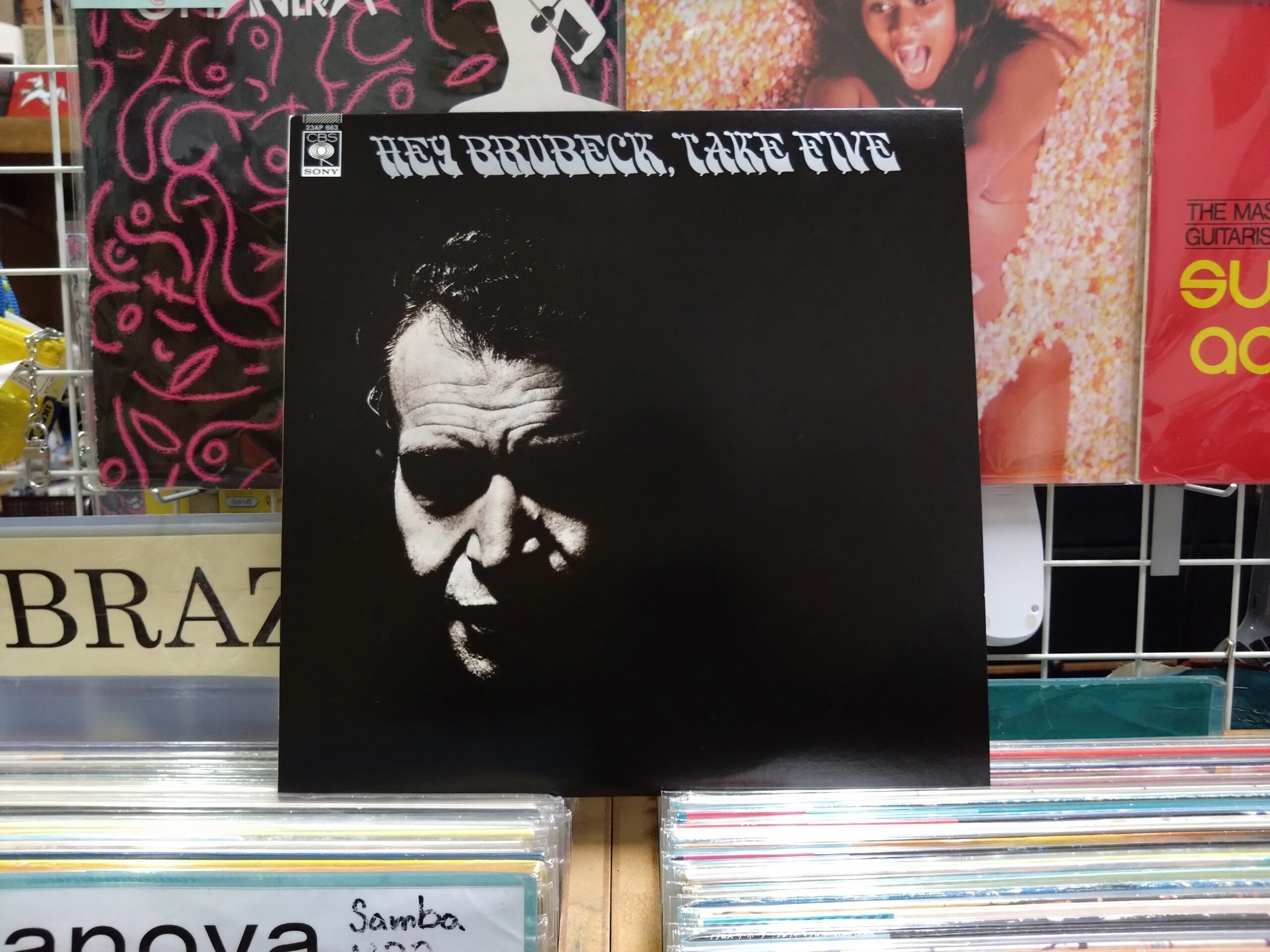
Maruhashi-san’s roots can’t be explained by a simple love of music alone. He played violin from the age of three until sixth grade, but he laughs and says, “I hated it.”
The turning point came in third grade. A record he found in his father’s study: Dave Brubeck’s Take Five.
Thirty times in a single day. He listened to it over and over, even tapping rhythms on the electric heater. He says that feeling — “I like repeating the same thing again and again” — is what shaped him. In junior high, he discovered The Beatles, then moved on to the power-pop band Raspberries and the rock band Slade. At a Japan tour concert, he ran from the third-floor seats to the front and danced on top of a chair. It was a moment when music was carved into him not as “logic,” but as “the body.”
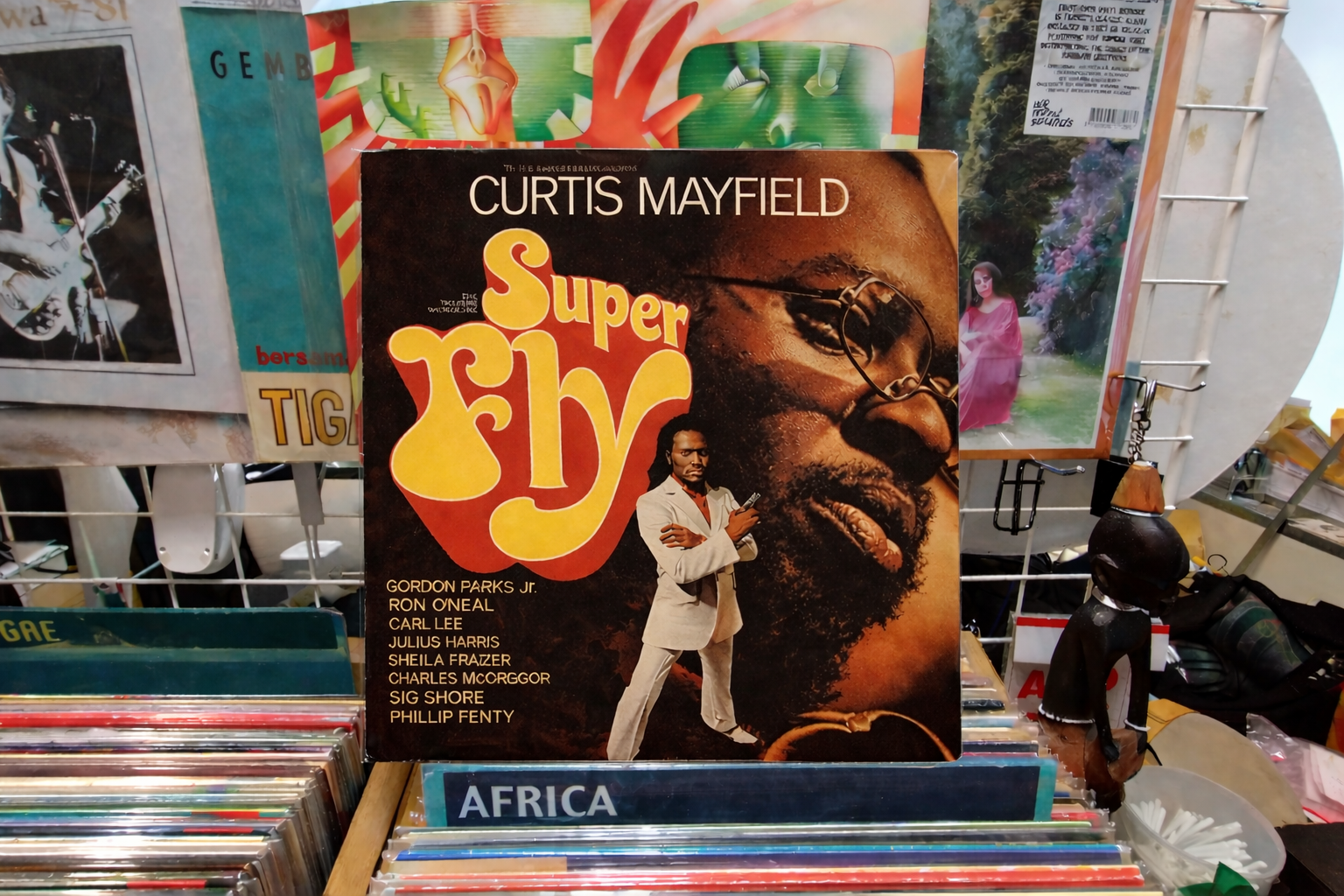
The first LP he ever bought with his own money was Curtis Mayfield’s Super Fly. In college, he worked part-time at a clothing store, where the manager — a true soul-music fanatic — influenced him deeply through music. He started frequenting the record shop next door. And then he says this:
Maybe music is not about constantly chasing something new, but about spending time returning to the same sound again and again.
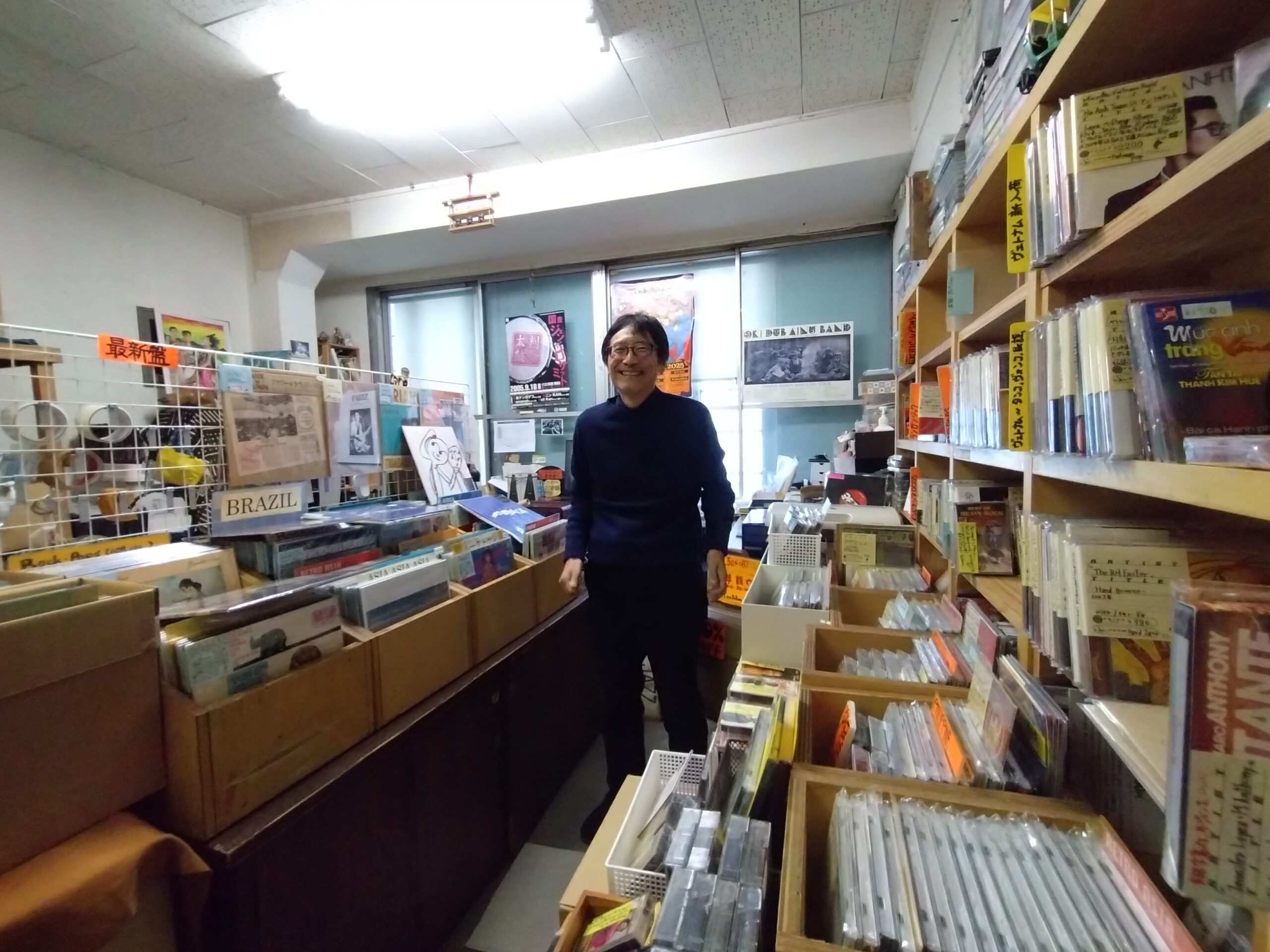
World music is not some distant-country decoration. Maruhashi-san casually puts it this way:
It can be folk music, pop, prog, or jazz. The moment boundaries melt on the shelves, sound becomes “the world.”
And that world doesn’t refer only to places outside the English-speaking sphere. So what we want you to encounter at Plantation is not the “right” kind of knowledge. It’s the moment your body reacts, even if you can’t explain it well.
That’s why the ear becomes the main character. Sometimes something clicks the instant you hear it. Other times, you take it home without quite understanding it, and then a few days later, it suddenly gets under your skin. That delayed effect is part of the pleasure.
You pick it up without fully understanding. You listen repeatedly. Little by little, the way you see the world shifts. That repetition is what Maruhashi-san has been doing for decades.
Digging into the same range, listening to the same sounds, placing them on the shelves with the same attitude. Right in the heart of Shinsaibashi, there is a place where the sounds of the world quietly land.
Plantation hands music over not as knowledge, but as a rhythm for living.
Your life doesn’t need to change dramatically.
It’s enough just to encounter one record you’ll want to listen to again and again.
Plantation was that kind of record store.

|
||
|
||
|
||
|
||
|
||
|
||
|
||
|
||
|
||
|
||
|
||
|