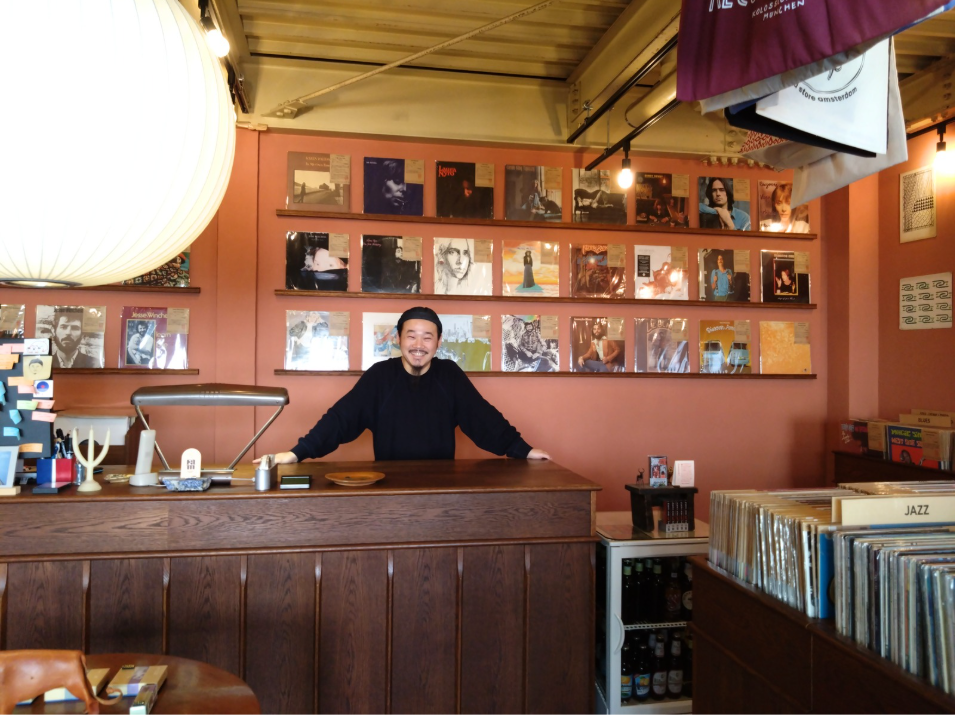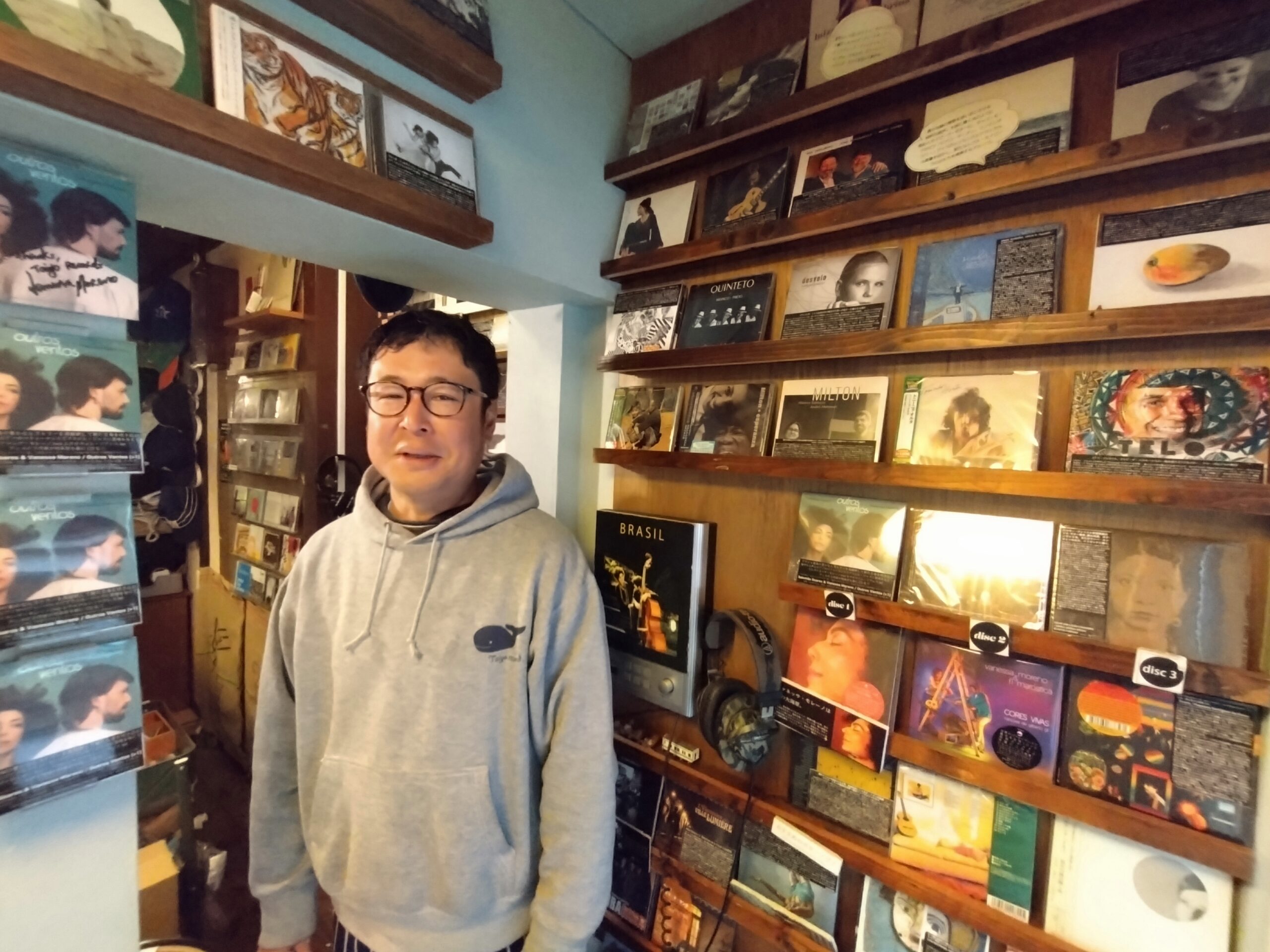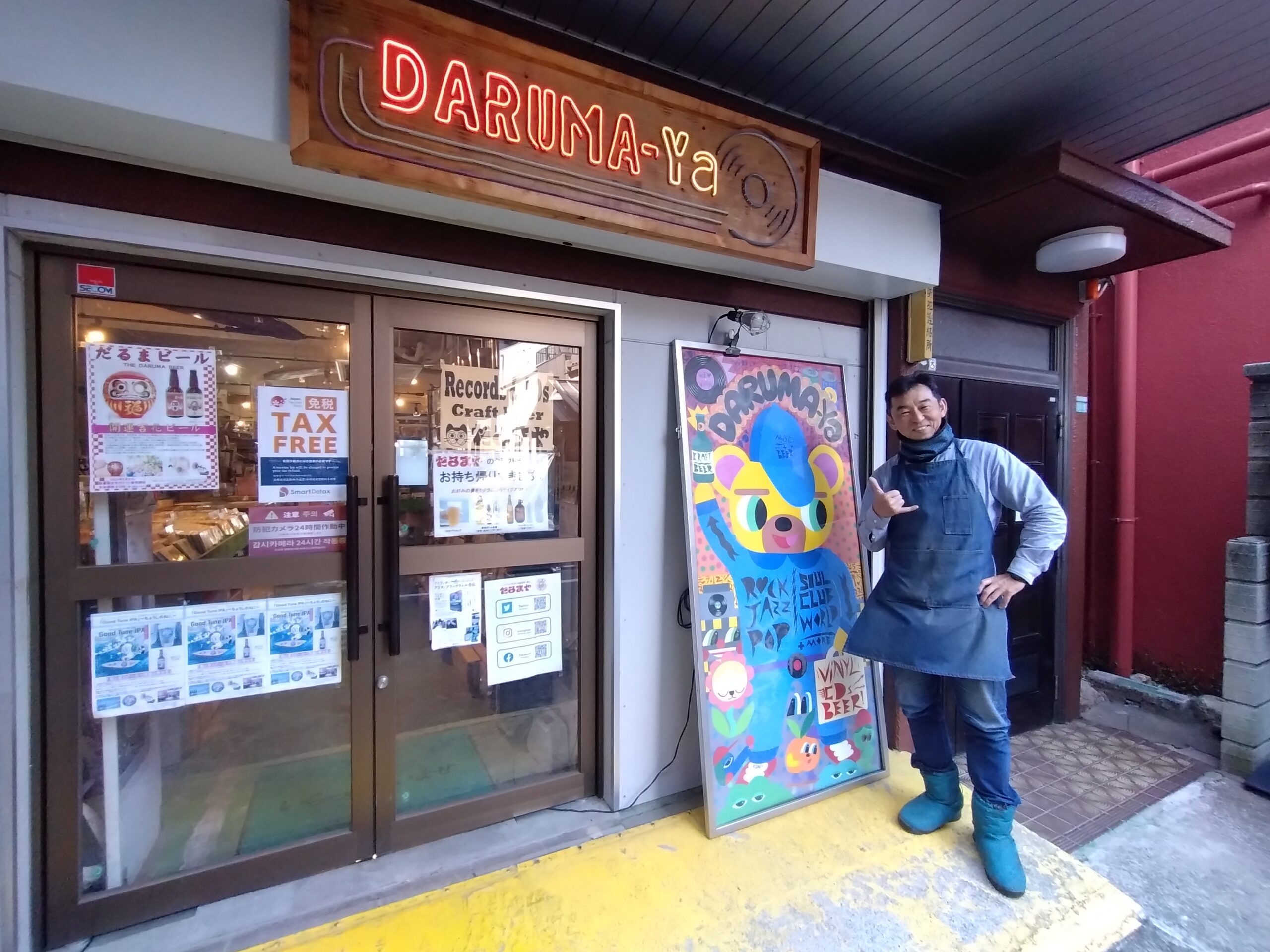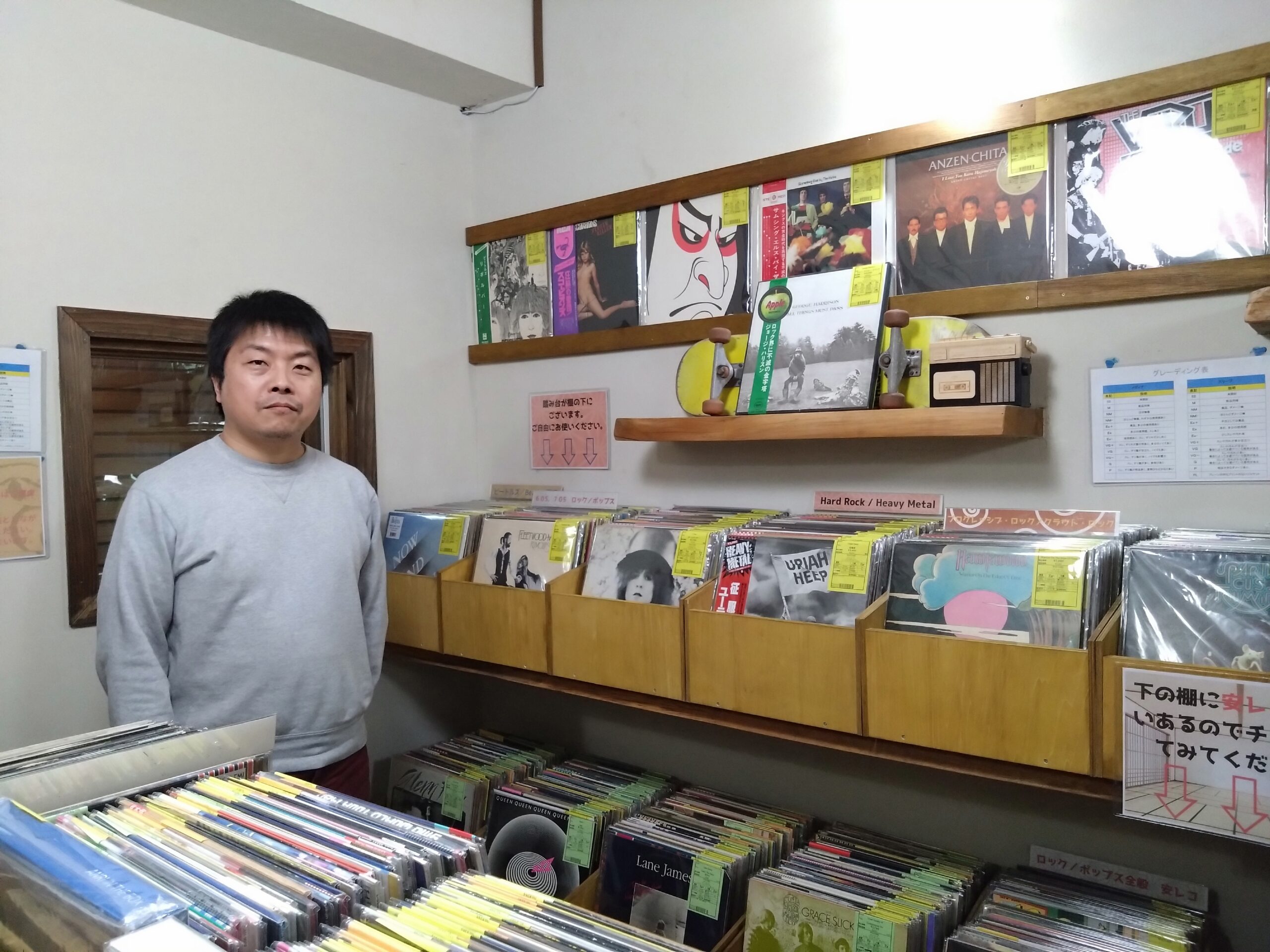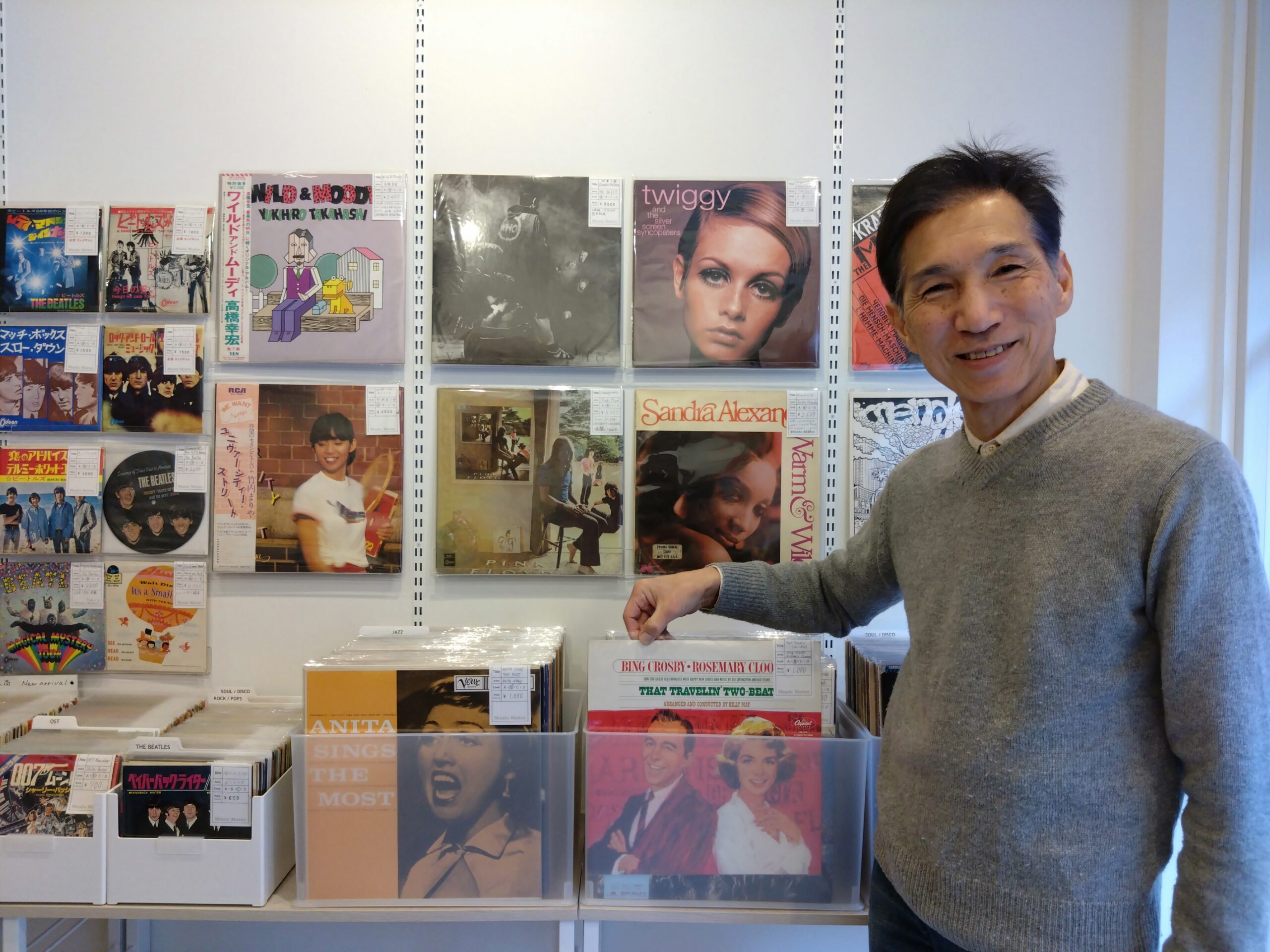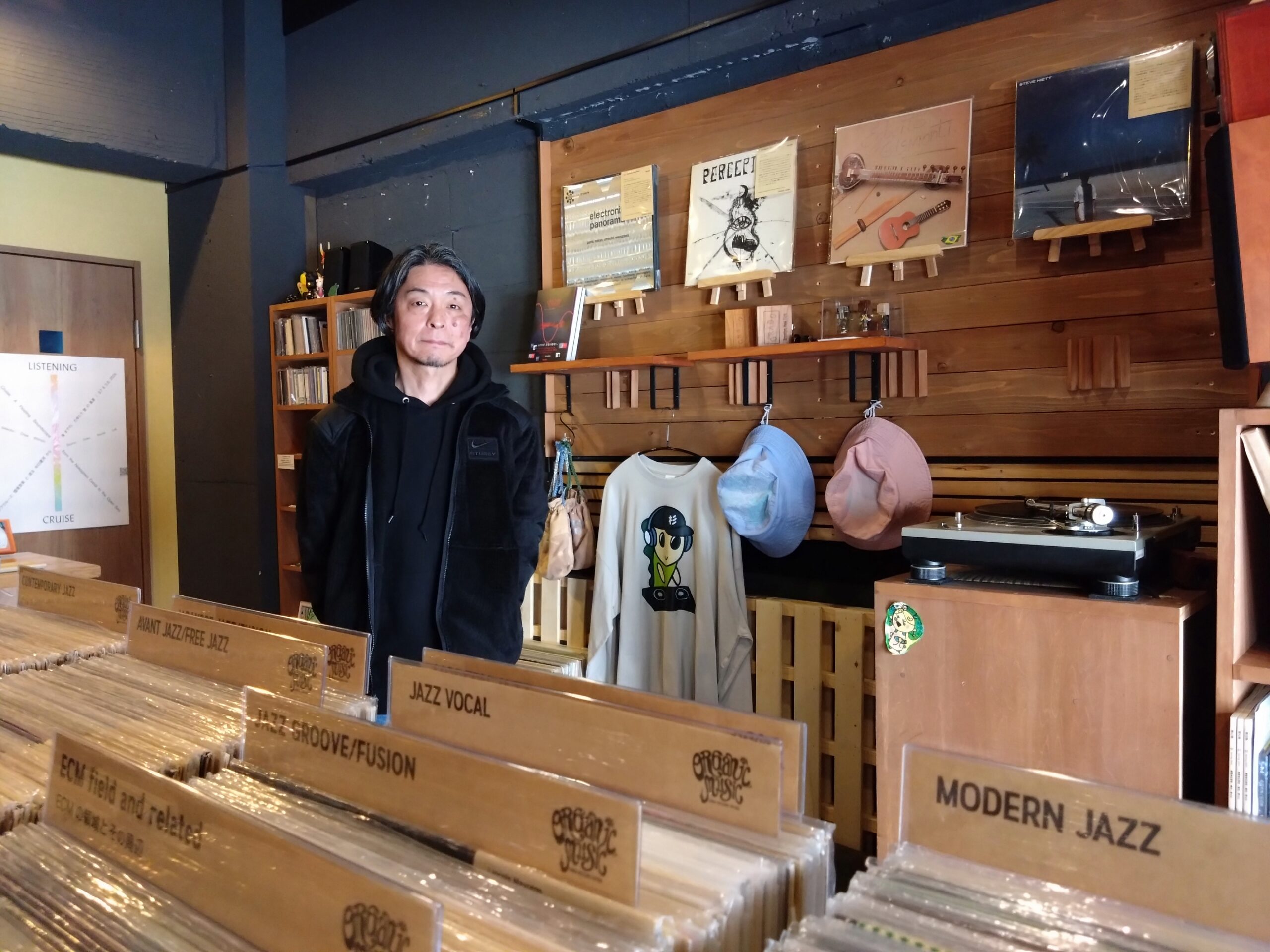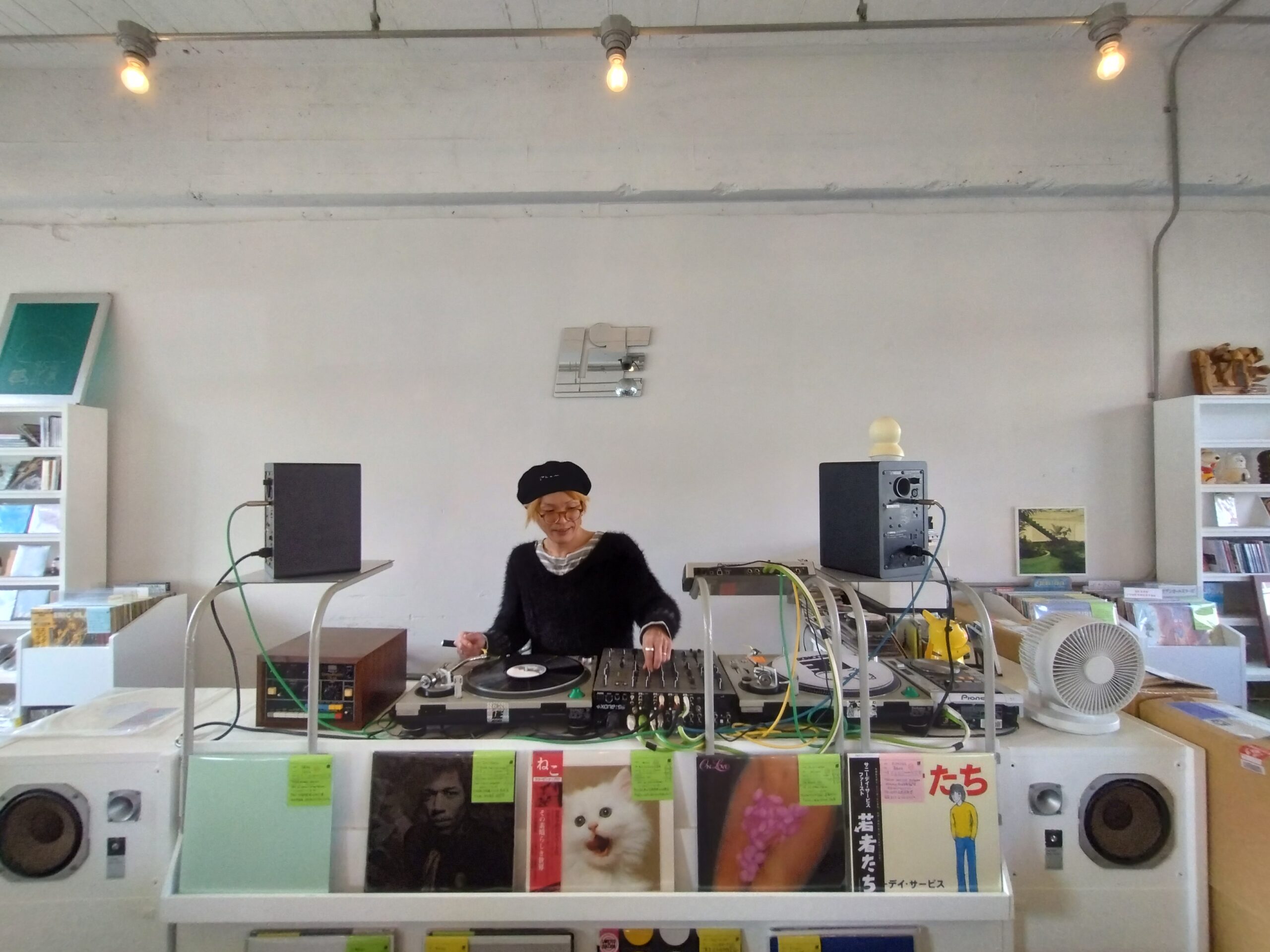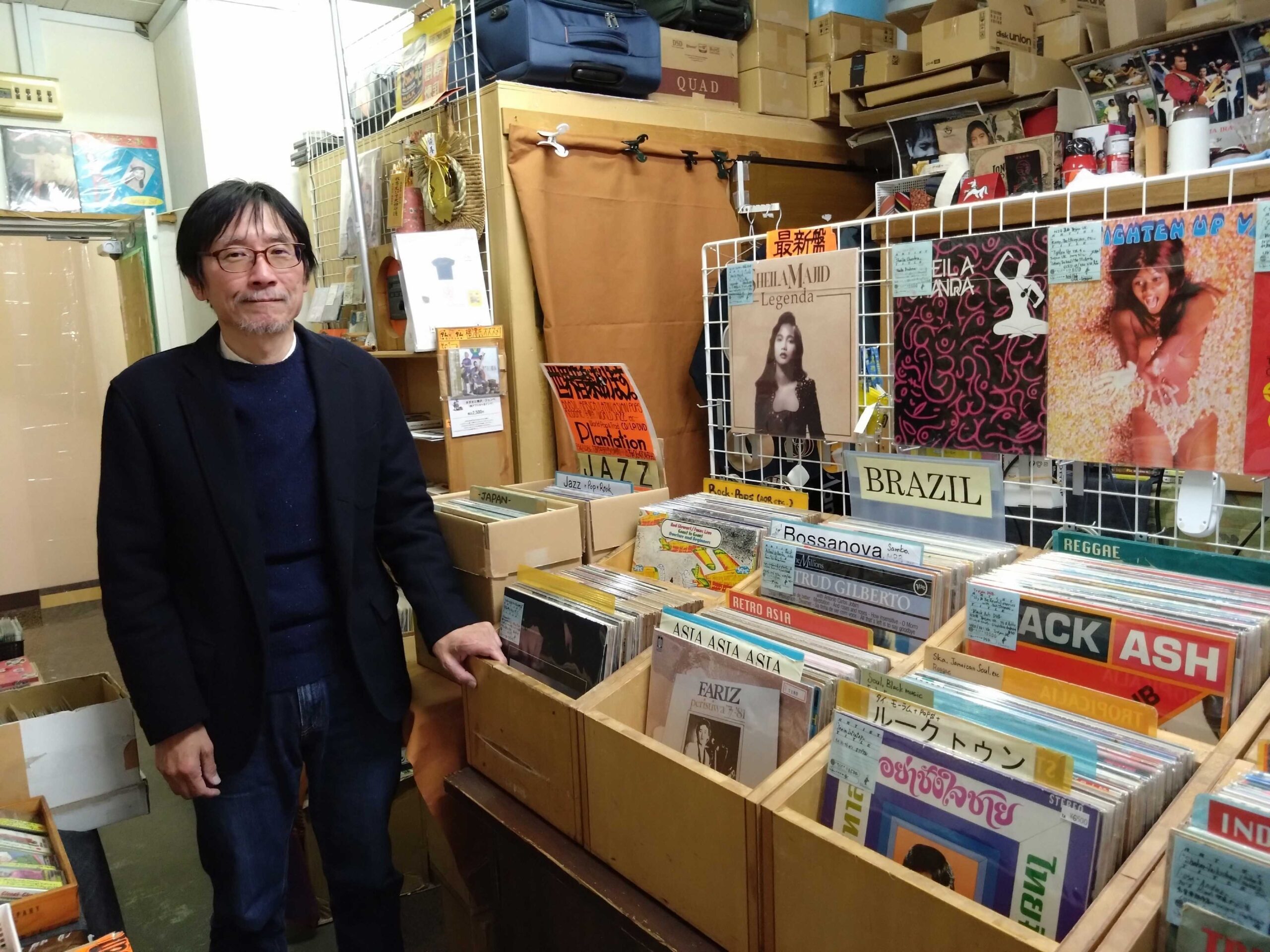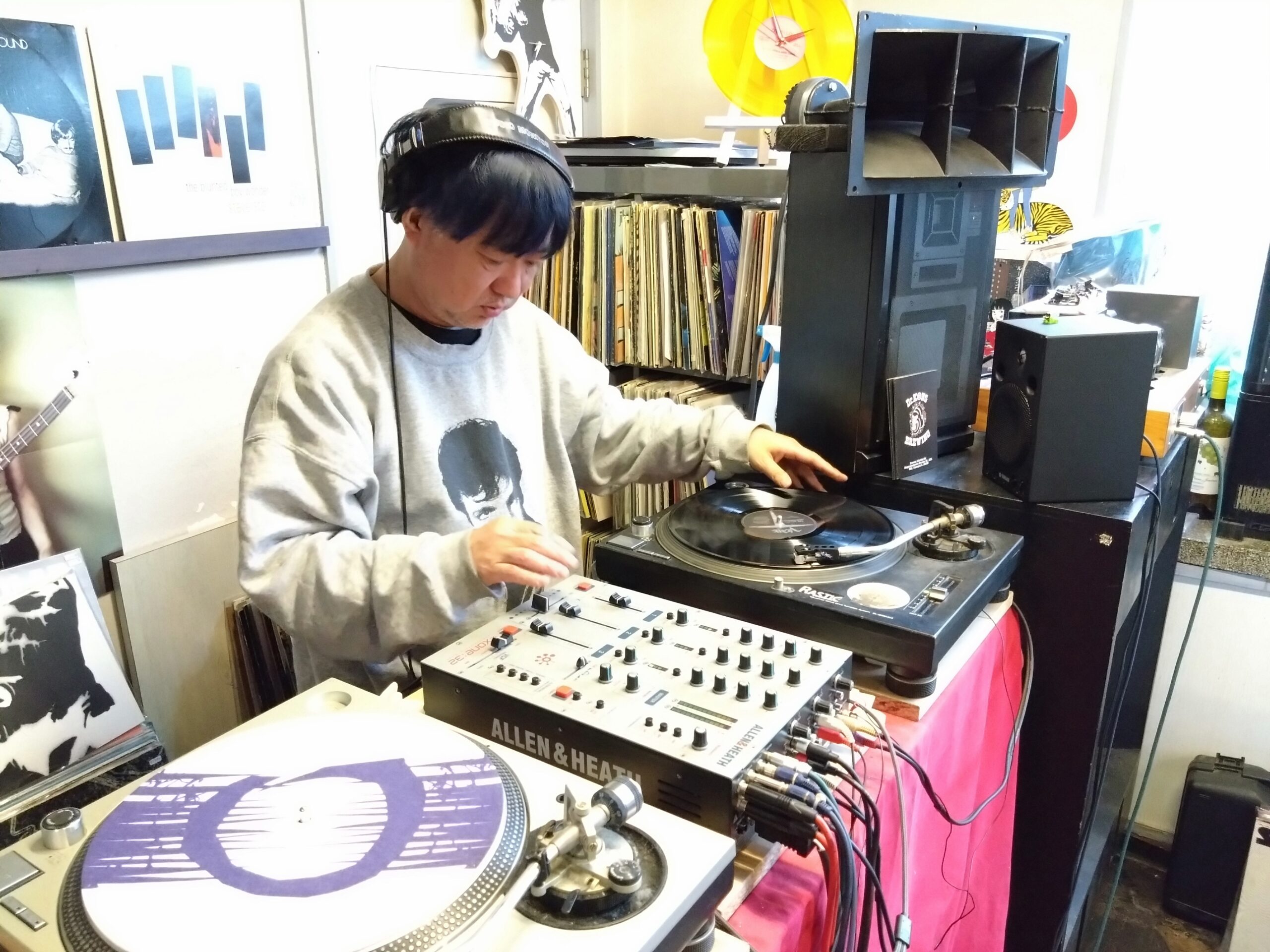
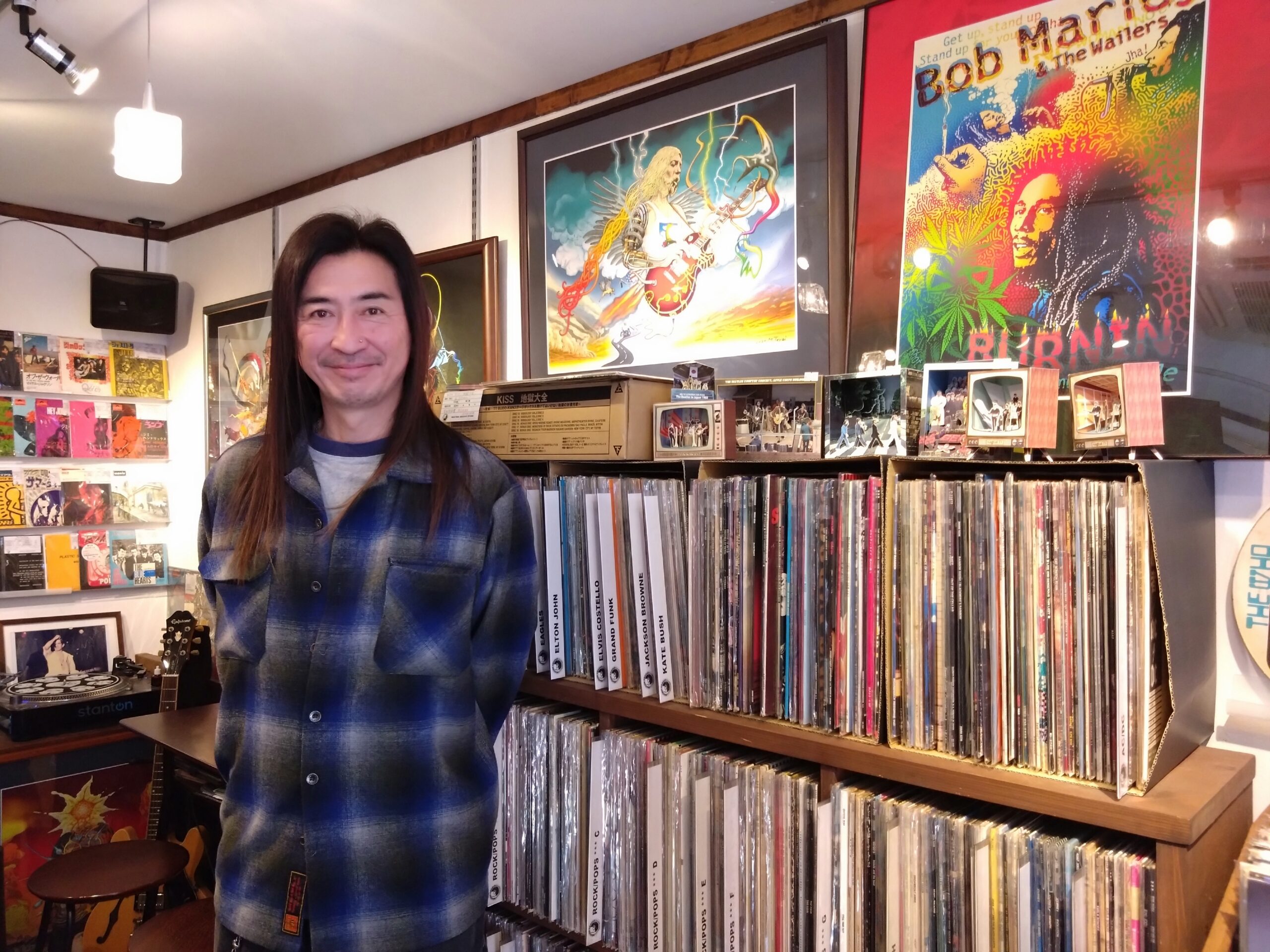
For this installment of our interview series with record shop owners, “Record Shop Yomoyama Stories,” we visited BEATNIK GROOVE STORE in Nishi-Ogiminami, Suginami-ku, Tokyo.
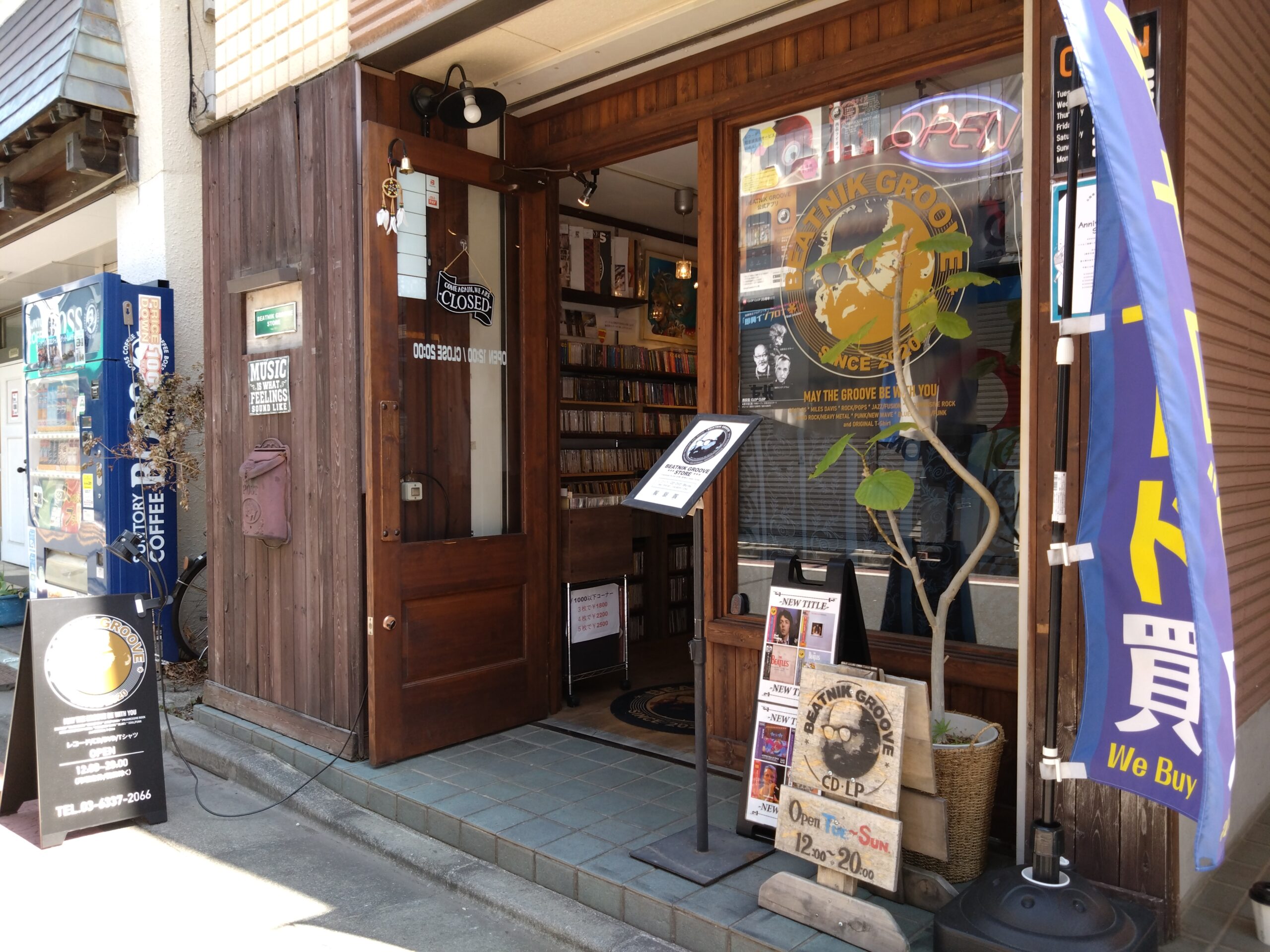
In Nishi-Ogikubo, there is a shop that doesn’t stand out loudly, yet somehow stays on your mind.
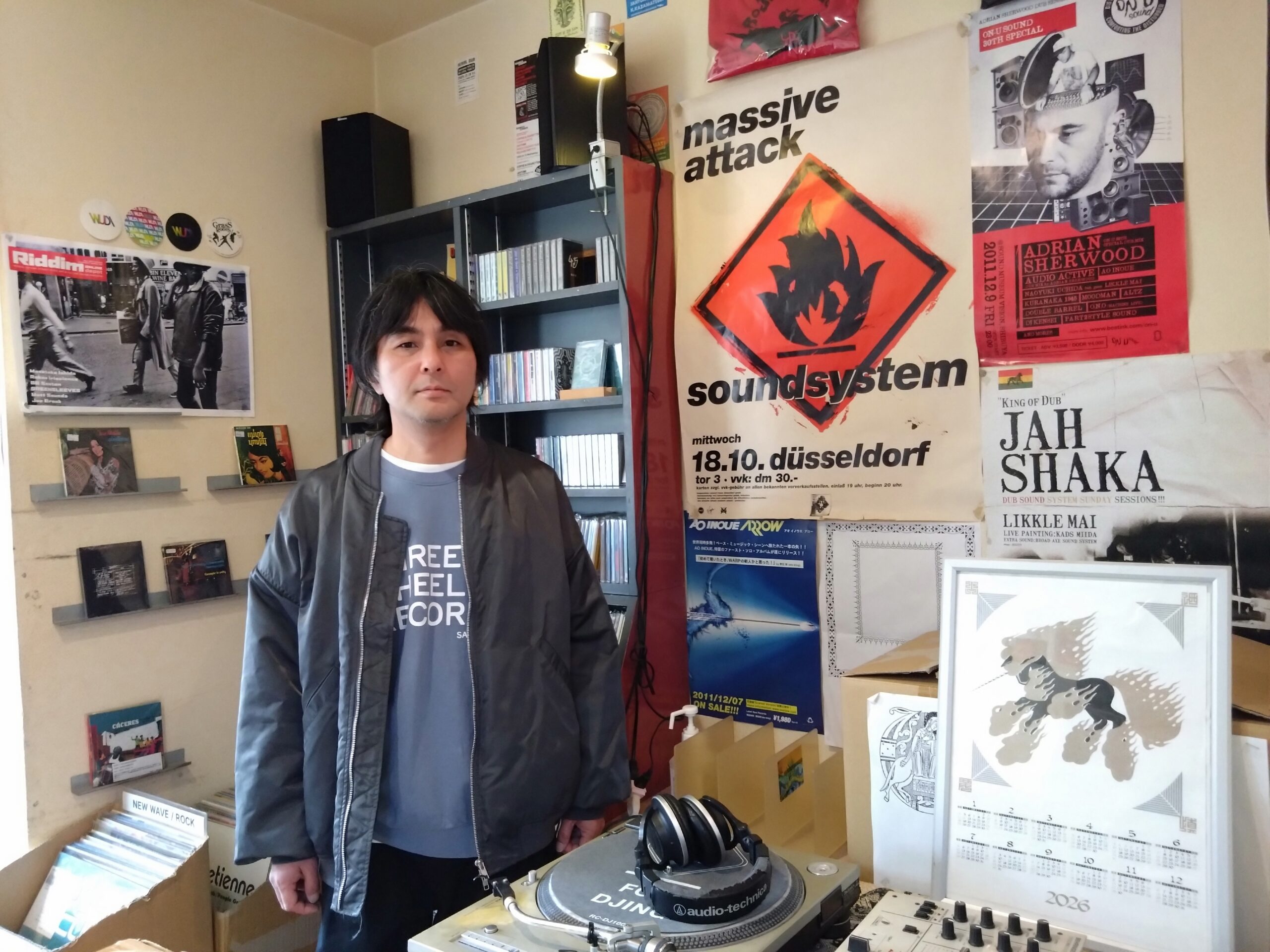
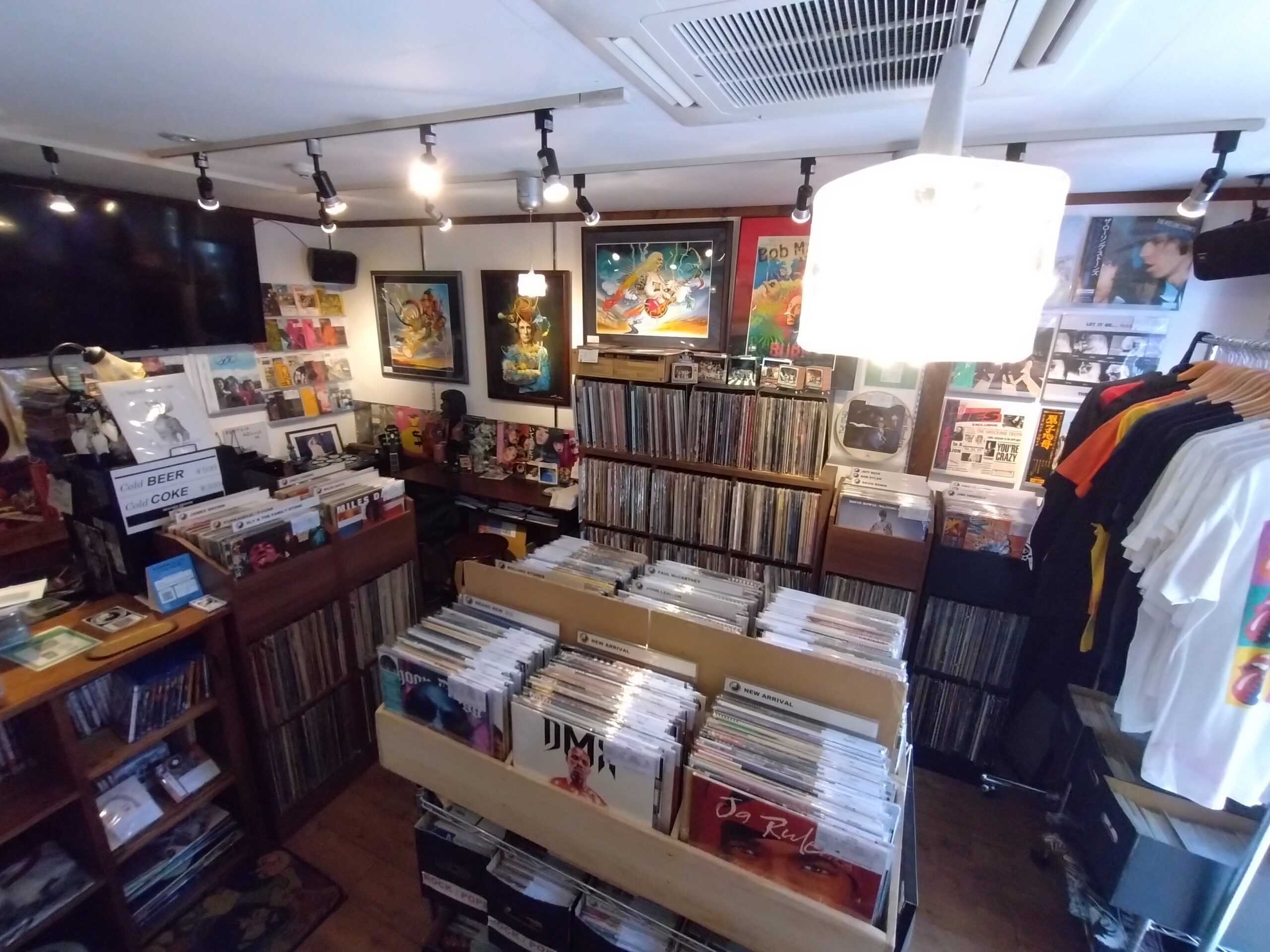
Records and CDs line the shelves, musician portraits hang on the walls, and T-shirts and artwork are mixed in too. It does not end as just a place to buy records. BEATNIK GROOVE STORE is a record shop, but also something broader, something more human. You can talk about music, wander a little off-topic, and bring in the things you love just as they are. That kind of atmosphere lives here.
The more you listen to owner Junya Goto, the more you realize that the appeal of this place cannot be explained by its selection alone. Yes, these are shelves shaped by someone who has moved through rock, soul, funk, and reggae. But more than that, there is an accumulation of time here—time built through human connections. It feels less like a record shop than a hangout for music lovers. More precisely, it is a place where people naturally blend together through music.
That one sentence captures the shape of BEATNIK GROOVE STORE with surprising accuracy. Customers sometimes tell him, “This doesn’t really feel like a record shop.” But that does not mean the love of records is thin here. Quite the opposite. Records, CDs, art, T-shirts, bands, conversations—everything is treated as part of music culture. Because of that, the shop spills a little beyond the usual frame of a record store. That slight overflow is exactly what gives the place its character.
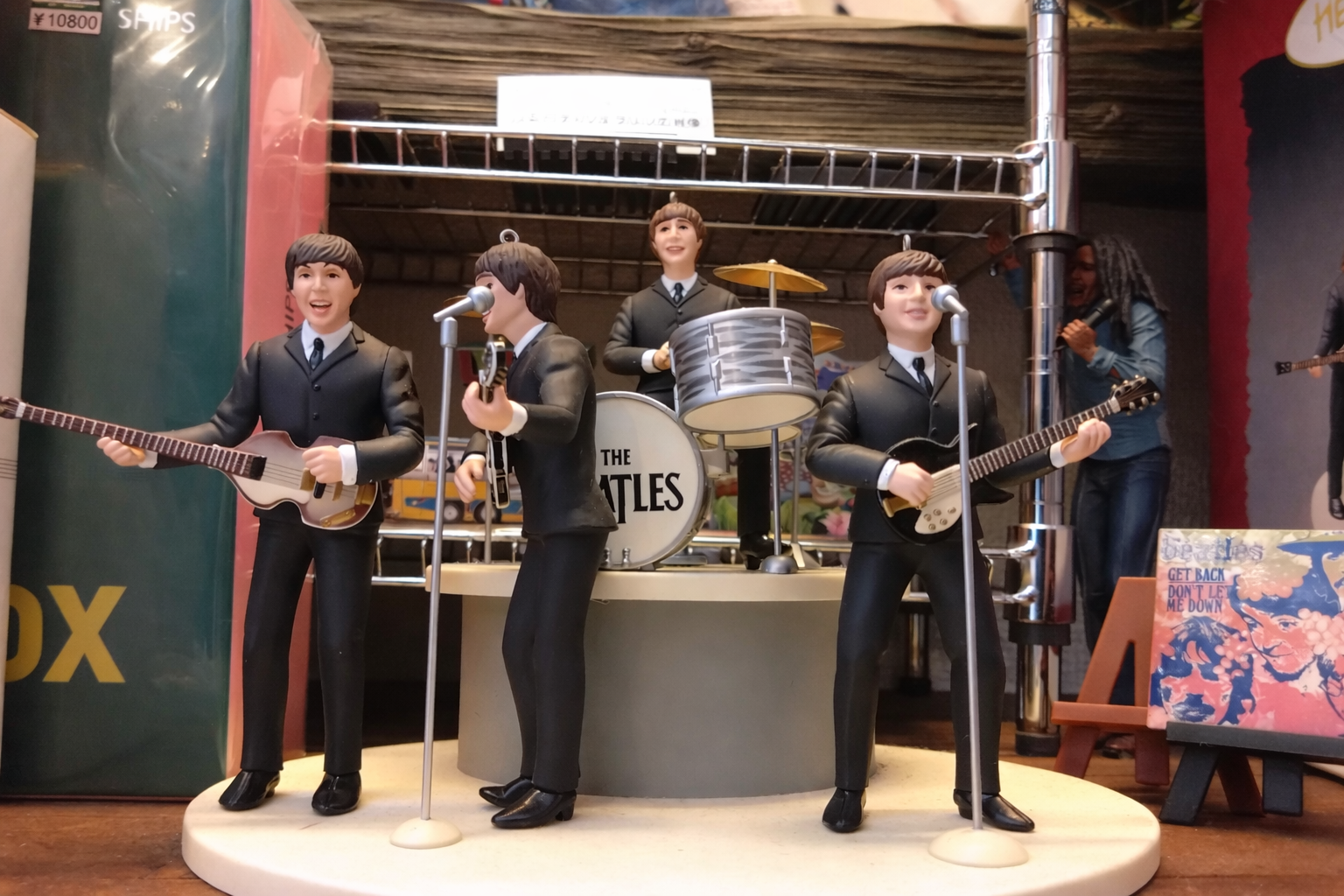
Goto’s entry point into music was The Beatles, whom he encountered in elementary school.
The first shock came when an older female cousin played them for him, and he was immediately drawn in. There was a record player at home, but his parents were not the sort of people who listened to music regularly. Instead, he borrowed a player his aunt had used in college, and an older girl would record songs he liked onto cassette tapes for him. That was how he gradually entered the world of music.
At the time, an elementary school kid obsessed with Western music must have been pretty unusual. Even so, the adults around him never dismissed that interest. They listened with him, played records for him, and treated him seriously. Those memories have stayed with him ever since.
It started with The Beatles, then moved to the Stones, Queen, and rock from the ’60s and ’70s. Tracing those roots led him further into soul and funk, then reggae. And then came the mixed-up sound of ’90s mixture rock, and he thought, “This is it.” It wasn’t just rock, and it wasn’t just Black music. He was drawn to that sound where different elements mixed together and rang out as one.

He still plays in his own band, BRAIN SHAKE VIBRATION, making a mixture of rock and funk. Even when he talks about records he loves—The Beatles, P-Funk, The Clash, Bob Marley, Red Hot Chili Peppers—his taste crosses genres lightly. Yet somehow it never feels scattered. In Goto’s mind, all of it runs along a single line.
Words like that can sound flimsy when they are posed too hard. But coming from Goto, they land naturally. From the first record he received as a child, to the years he spent in bands, to the life he now lives standing in his shop—it is all connected.
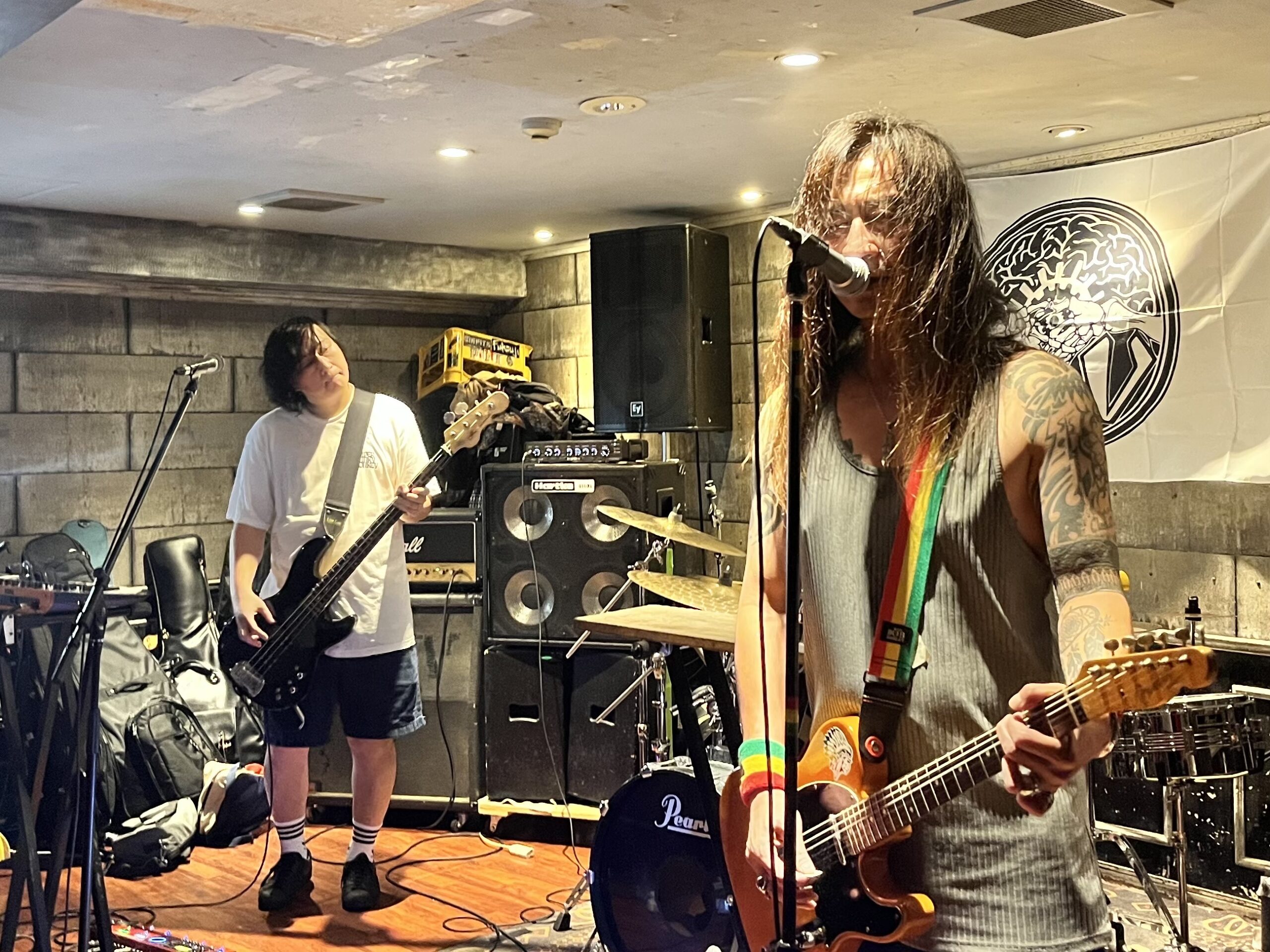
When he was younger, of course he wanted to make it as a band. He lived in Kanagawa, went to Shimokitazawa, headed out to Yokohama too, and carried ambition with him. But having passed through that time, he can now describe the air of Nishi-Ogikubo very clearly.
He likes Koenji too. It has that exposed sense of hardcore, punk, ambition, and youth walking through the streets. Nishi-Ogi, on the other hand, feels more natural, softer. There are plenty of music lovers here, but they do not overperform it. That difference seems to fit him perfectly.
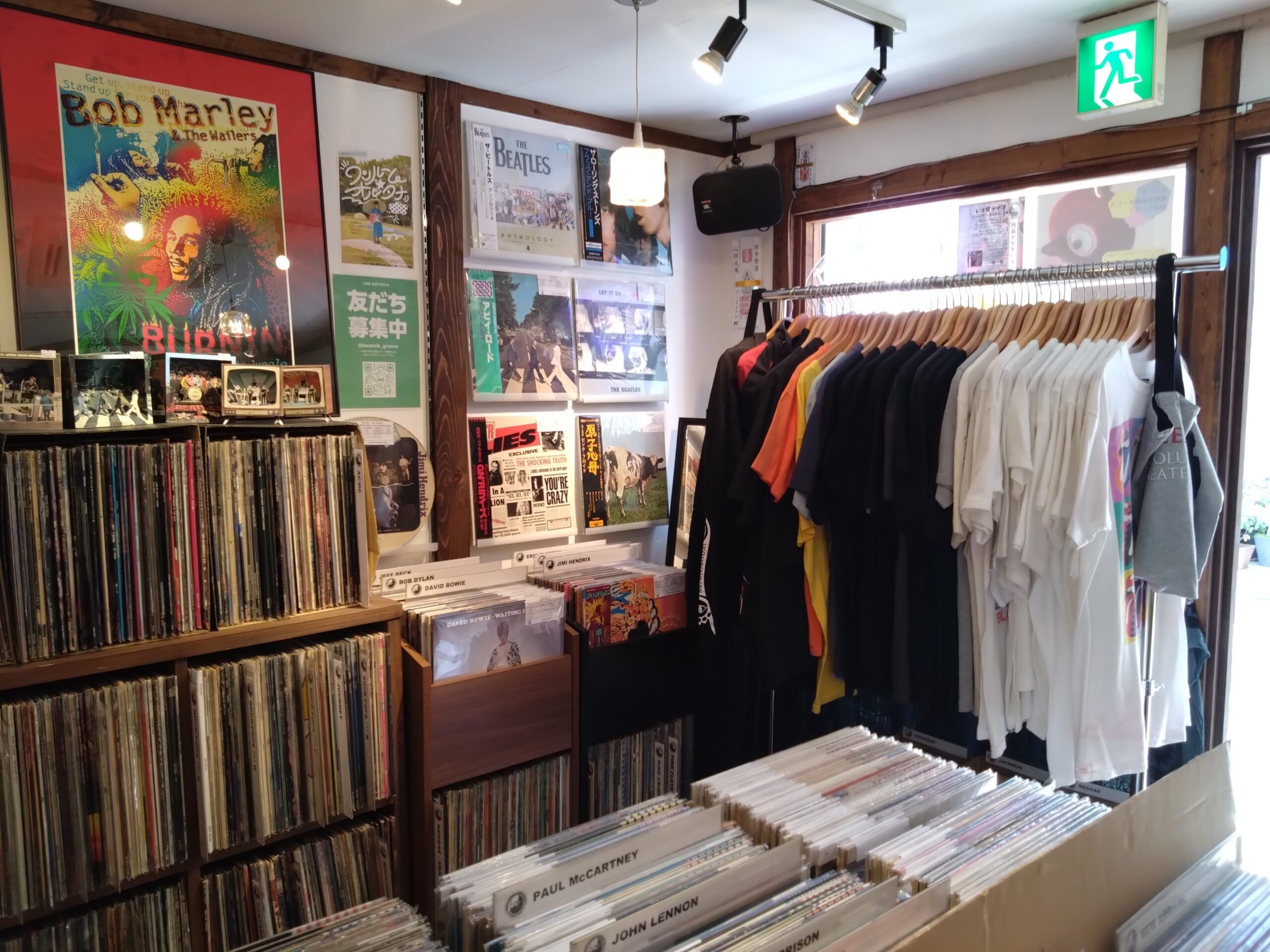
That feeling overlaps directly with the atmosphere of the shop itself. BEATNIK GROOVE STORE is not a place only deep specialists can enjoy. At the same time, it is not shallow either. You can go deep here, but the entrance is properly open. Young women come in. Overseas visitors do too. Americans, British, Koreans, Chinese—the crowd is varied. And yet the shop never feels unstable. That probably comes from the fact that Goto truly loves this neighborhood and runs the store in a way that fits its rhythm.
And his attachment to Nishi-Ogi is no small thing. He says flatly that he wants to “complete everything within Nishi-Ogi.” He wants to open a second shop and has other ideas for expansion too. But none of that means leaving Nishi-Ogi behind. He wants to increase the pathways of music within this neighborhood. Even when the conversation starts with the shop, before long it becomes a conversation about the town itself. That feels telling.
BEATNIK GROOVE STORE was not a physical shop from the beginning. The company was launched in 2020, starting first as a mail-order business. At first he handled it alone, shaping it little by little.
But Goto had plenty of music friends and drinking friends around him. “Wouldn’t it be fun if you opened a shop?” “You should do it.” As those voices piled up, the image of something more than just a place of sale—a place where people would gather—started to come into focus.
He also had that original experience of going to record shops as a teenager. He had worked in record shops, even managed one, and understood the practical side of mail-order sales too. Still, what he wanted was a place where you could see people face to face. Nishi-Ogi had plenty of music lovers, but at the time it did not have many record shops. So he thought: then why not do it myself? That was how this place came into being.
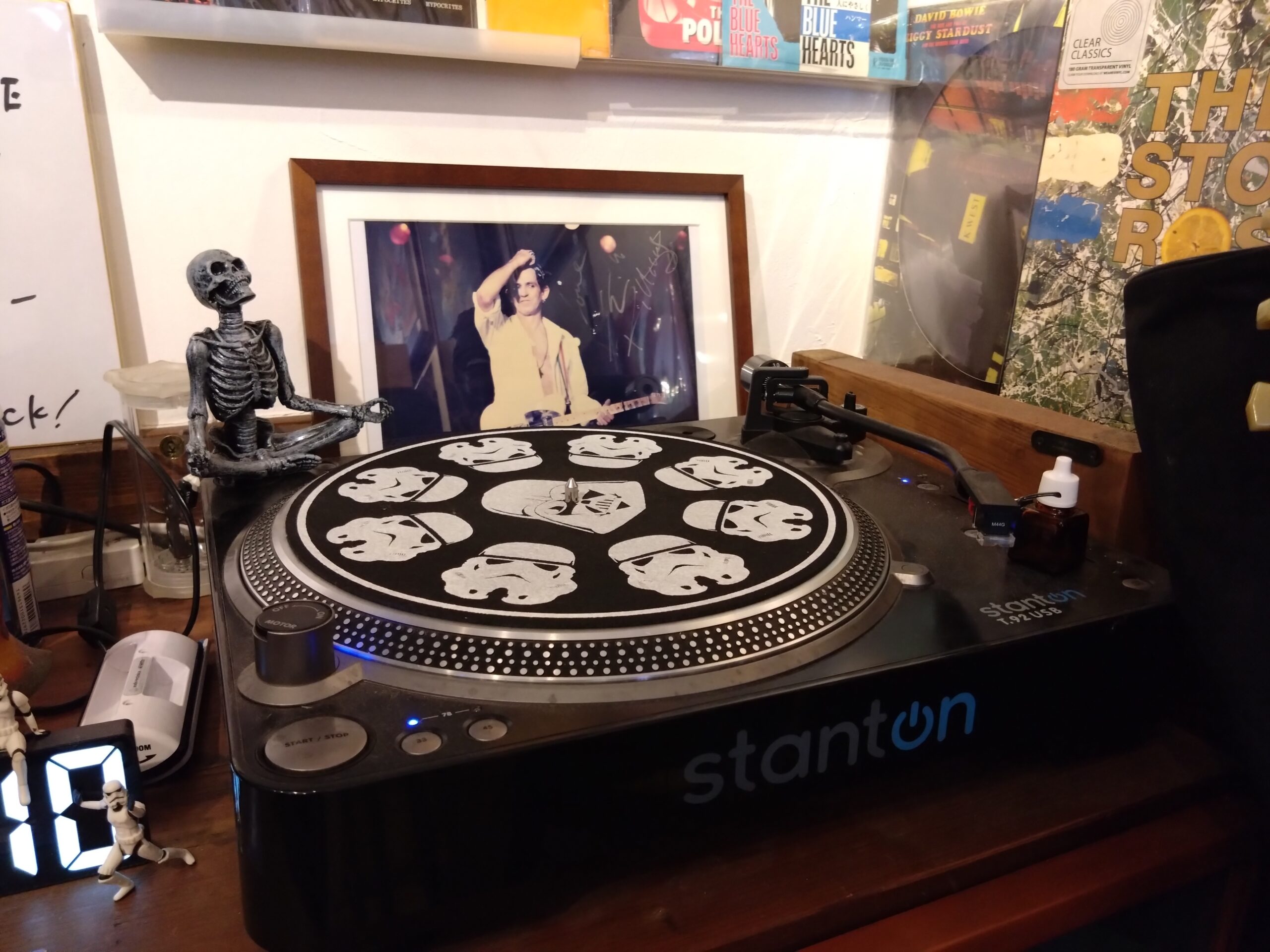
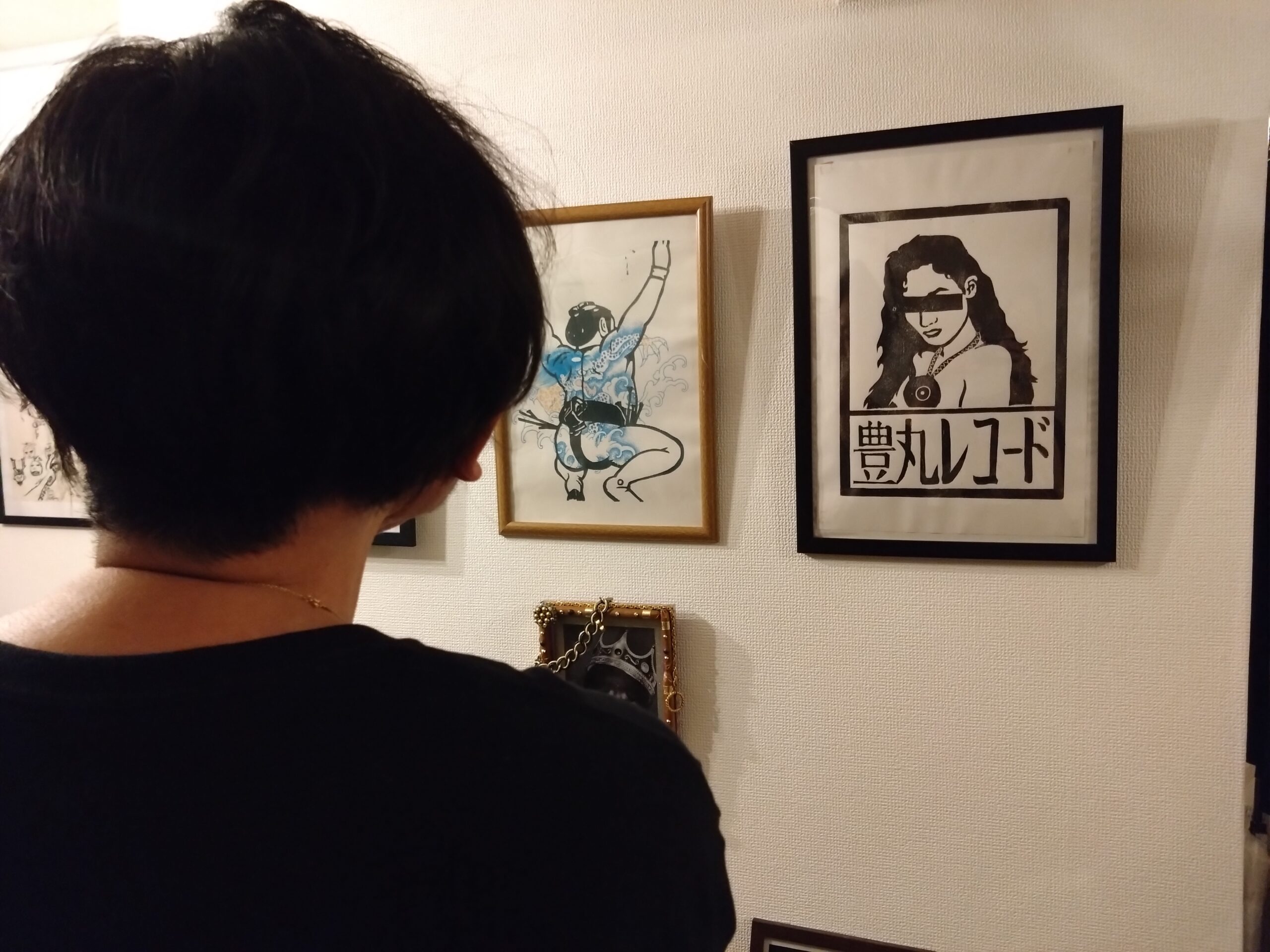
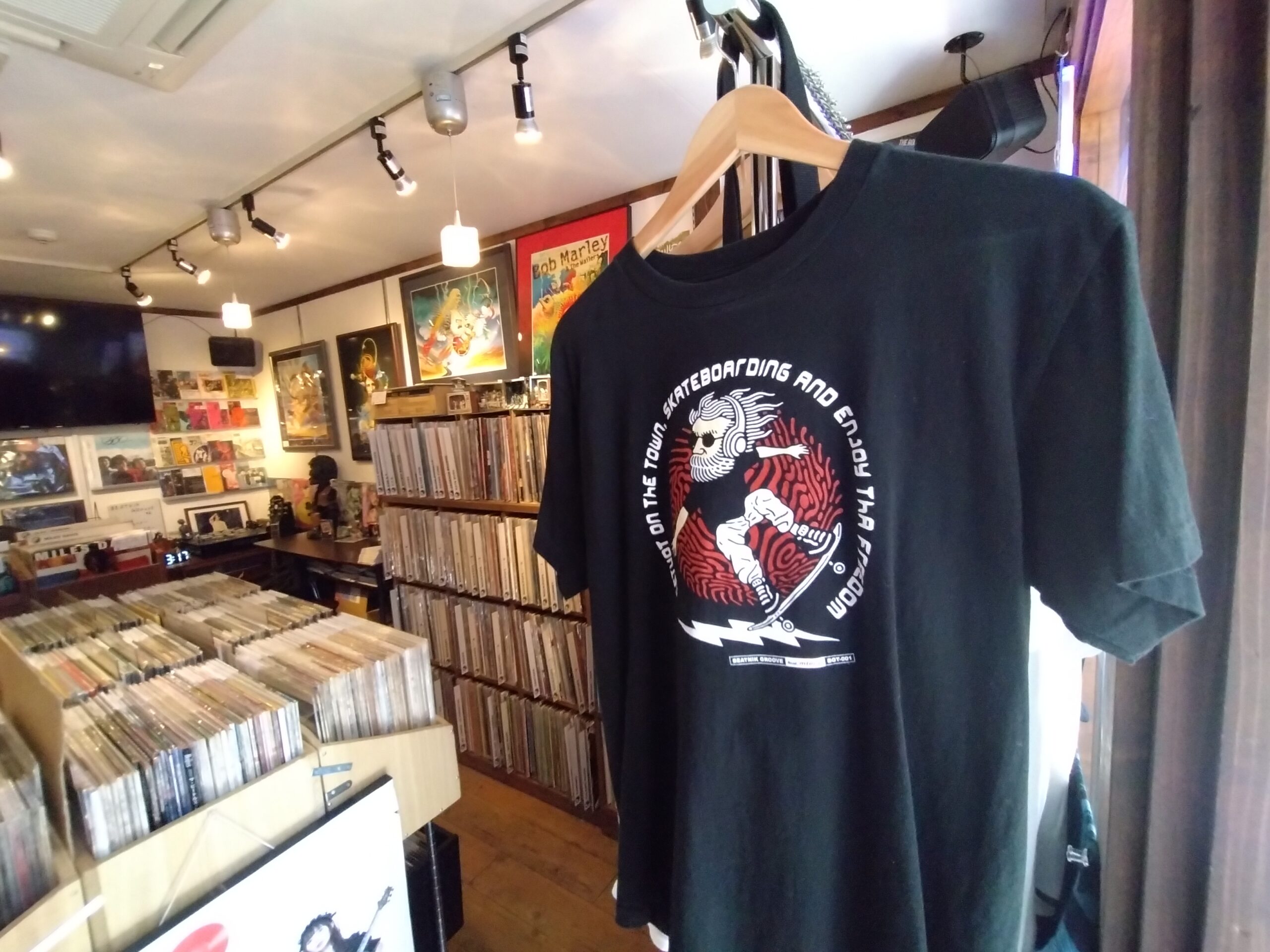
What makes it interesting is that the shop does not close itself up within “record shelves” alone. There are paintings by Mitsugu Terai on the walls. There are original T-shirts. Young artists sometimes bring in their work, saying they want to try something too. If it feels interesting, Goto is willing to do something together. Music, art, and people all blend here with remarkable ease.
That way of thinking is why BEATNIK GROOVE STORE does not end up being a place that simply lines up products and stops there. Digging through the shelves is fun enough, but when you casually lift your eyes, you start to notice other forms of expression and other points of contact with people. If you love music, there are real reasons to linger here.
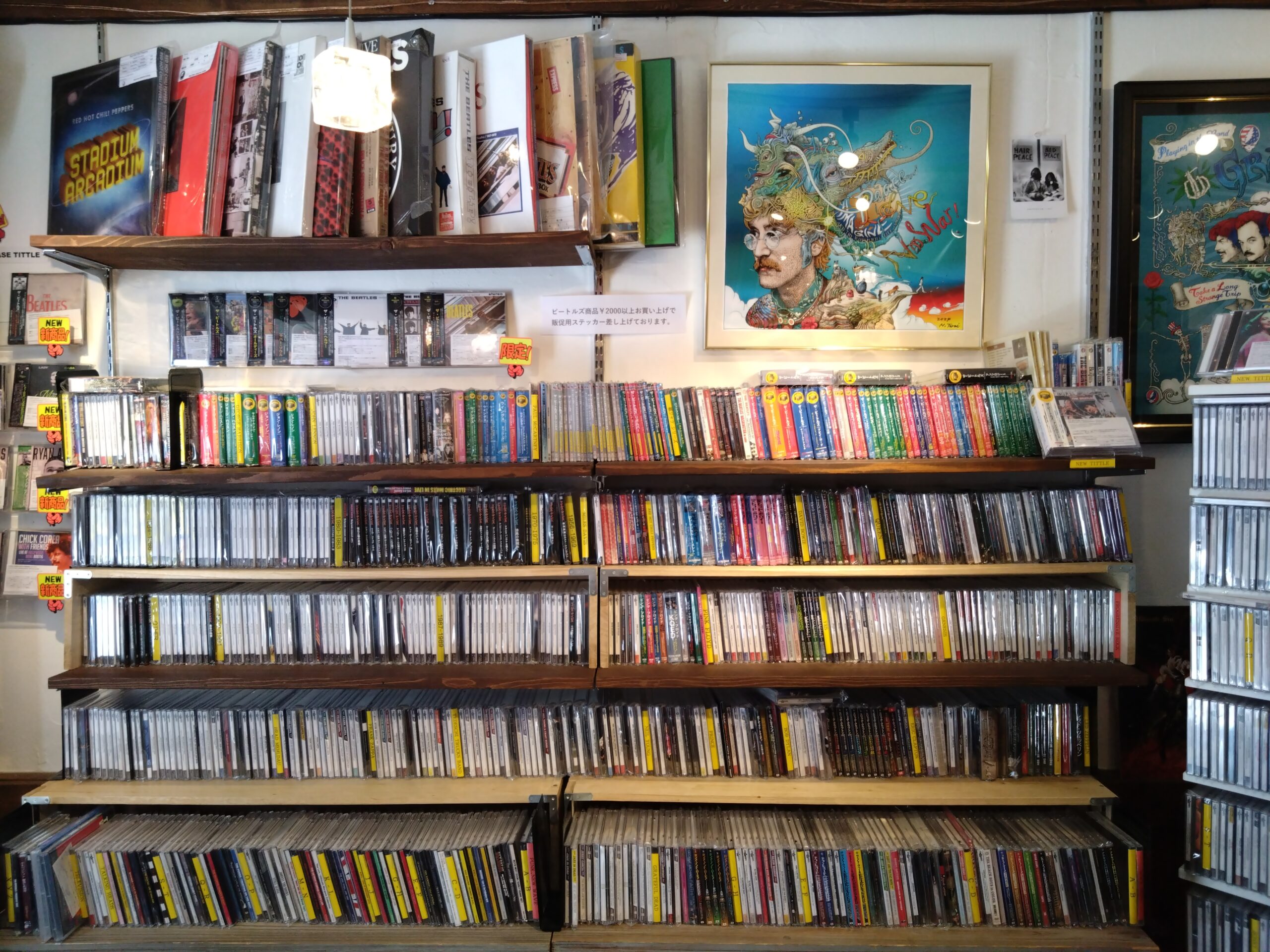
And this is where another thing comes into view: the shop is not the finished form. For Goto, his band, mail order, and the shop are not separate activities. Playing their own music. Delivering records through mail order. Opening a shop in Nishi-Ogi. Displaying someone else’s work. Organizing events. And beyond that, moving toward things like a label or a music festival. All of it looks like a connected series of movements aimed at increasing the number of places where people gather through music. That is why BEATNIK GROOVE STORE feels less like a record shop alone, and more like the current stage of Goto’s place-making.
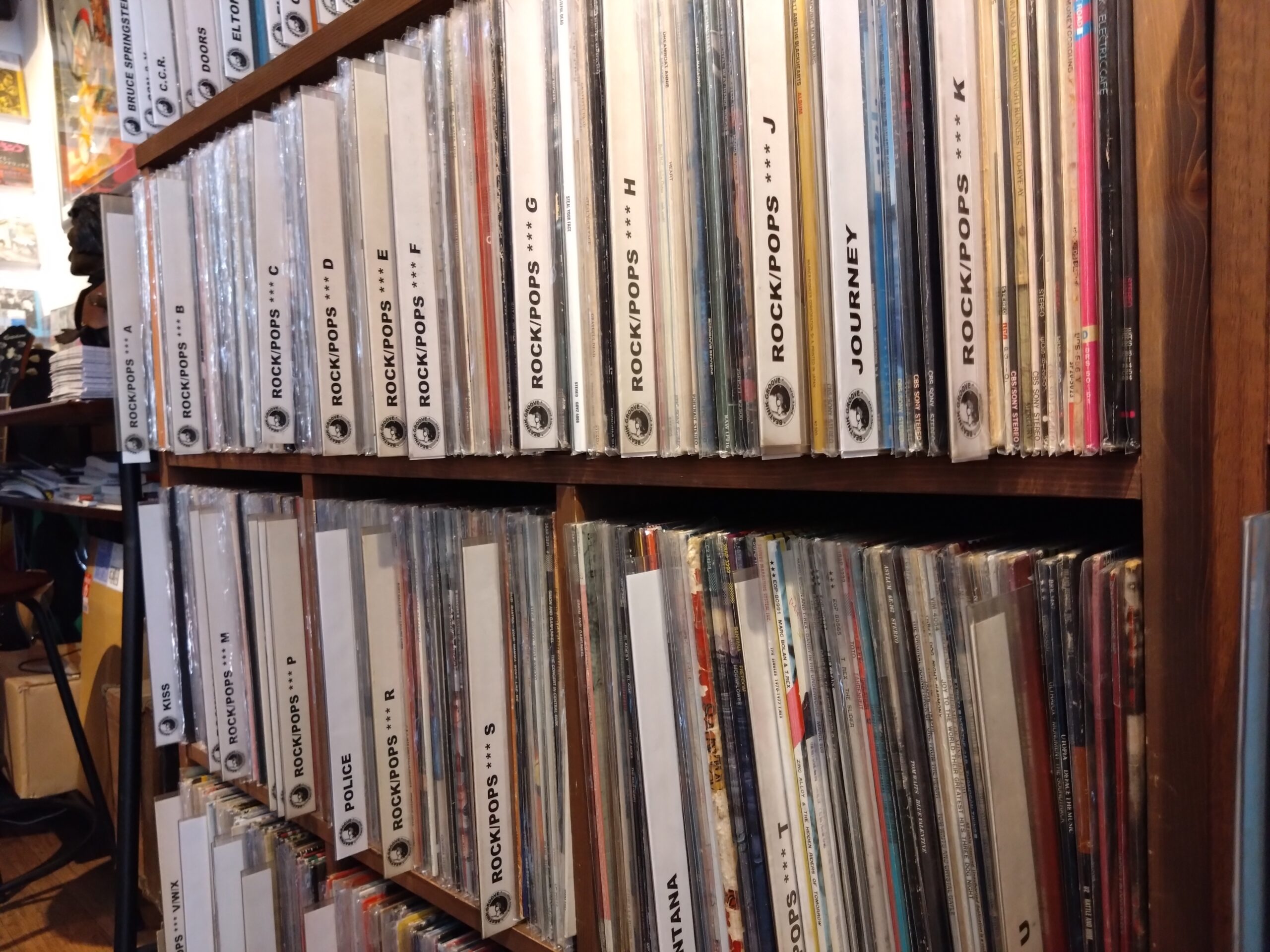
This is the part of Goto’s story that hits hardest. Sometimes kids around junior high school age come into the shop. Recently, one of them had become obsessed with Oasis. Seeing that, Goto says, reminds him of his younger self back in Yamagata, learning all sorts of things in a record shop.
What makes this story so good is that it never stops at nostalgia. Maybe that kid is coming in through Oasis now. But beyond that, so much more music is waiting. He might move from rock into another era, into Black music, or tumble in some totally unexpected direction. This shop stands there as that first entrance. And Goto seems to value that in an extremely natural way.
He wants people in their twenties, too, to keep discovering more and more music. Just as older people once did that for him, he now wants to return the favor. That feeling runs clearly through the way he greets people in the store.
That is why the shop never pushes beginners away. And that doesn’t just mean it is “kind.” The world of music is deep, and you can keep playing with it for a long time. This is what it feels like when someone who truly knows that depth refuses to close the entrance.
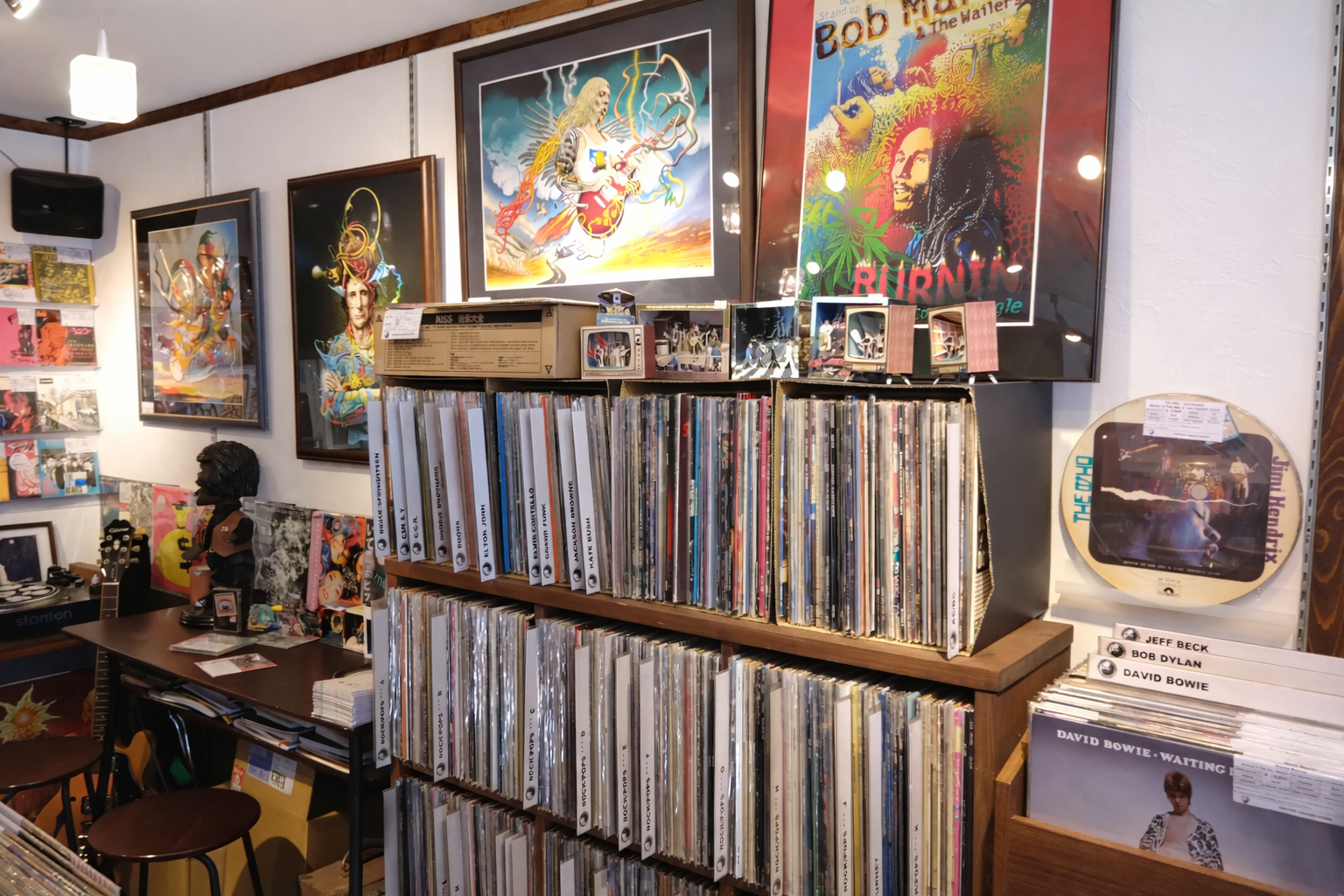
His relationship with a nearby record shop, Replace Records, is symbolic too. If a beginner is looking for cheap, easy-to-enter records, he’ll say, “You’ll probably find those over there.” And if there is something they don’t have, they’ll send people this way. Because the concepts differ, it is more interesting for the town to have the shops coexist than compete directly. That way of thinking feels very much like Goto.
The band years and the years of work all come back to that point. Don’t neglect connections. Keep relationships going properly. That way of thinking shows up in the shelves, in the atmosphere, and even in the tempo of conversation at BEATNIK GROOVE STORE.
And this is where something else becomes clear: Goto is not simply a “good shop owner.” He is less a person who sells records than a person trying to increase the number of places in Nishi-Ogi where people gather for the sake of music. He is someone taking what music taught him and passing it on to the next person through the form of a shop, while trying to extend that path beyond the shop itself.
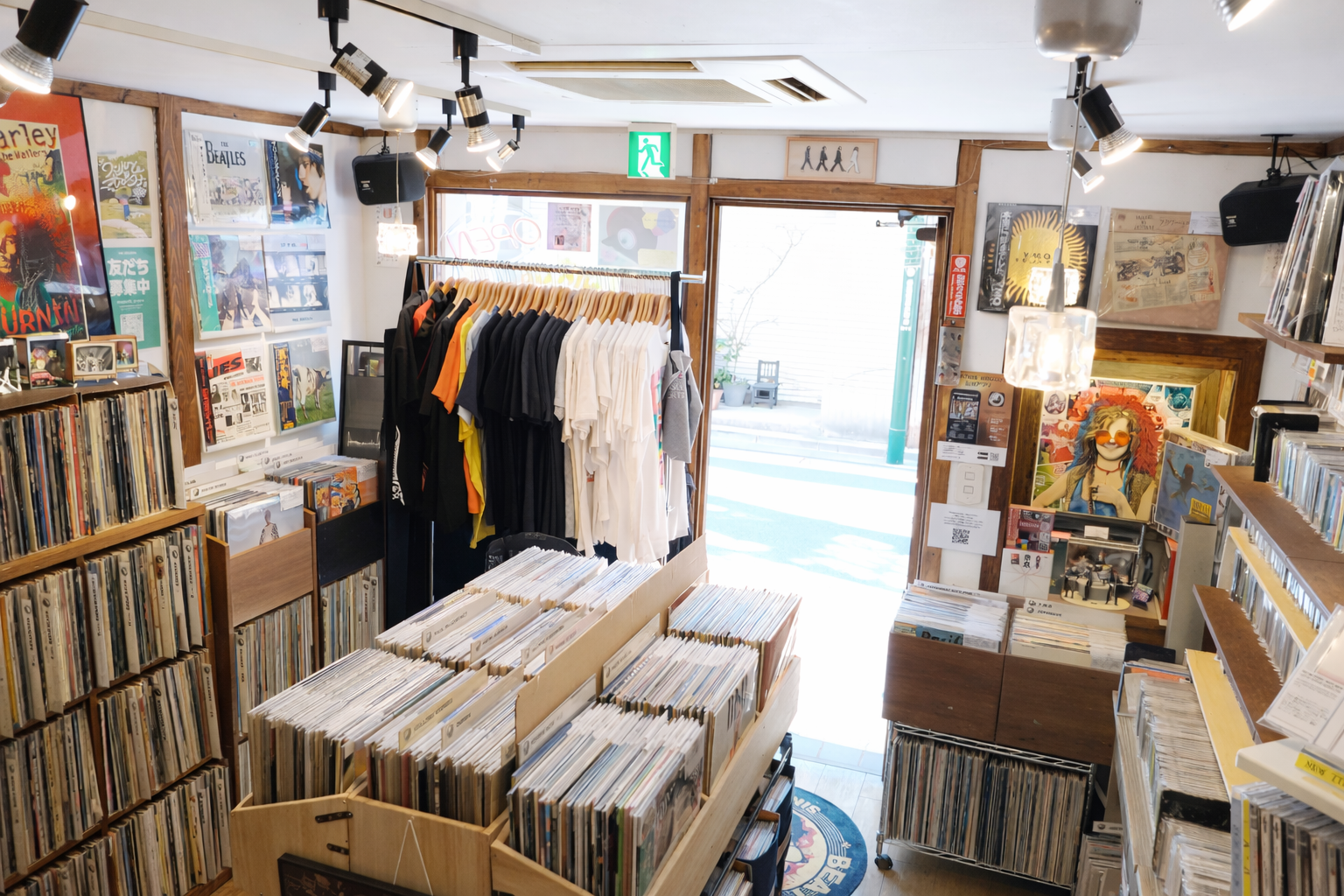
Goto still has plenty he wants to do. He wants a second shop. He wants to make Nishi-Ogi more alive with music. He is interested in things like a live house, a studio, and a label. Someday, he says, he would love to make something like a “Nishi-Ogi Music Festival.”
Listening to him, you realize that before he is a record shop owner, he is someone who handles music in a multifaceted way. A band gathers people who love their sound. Mail order becomes the practical base that supports those activities. The record shop becomes a place where music lovers can casually gather in Nishi-Ogi. A label or events can then become routes for bringing newly emerging forms of expression outward. And a music festival could create points of contact within the town even for people who are not yet deeply involved in music.

In other words, Goto sees music not only as something to listen to or something to sell, but as content that can connect people and the town itself. And he is not just talking about that as a dream. He has already begun connecting it little by little through the band, the mail-order business, the shop, and events.
That is why, when he says he wants to energize Nishi-Ogi through music, it does not sound like a vague wish. It is already happening inside the shop. People gather here, conversations begin, and those conversations connect to someone else. He is trying to take that small chain of connections beyond the walls of the shop. BEATNIK GROOVE STORE may be a record shop, but it also feels like a starting point for nurturing the future spaces of music in Nishi-Ogi.
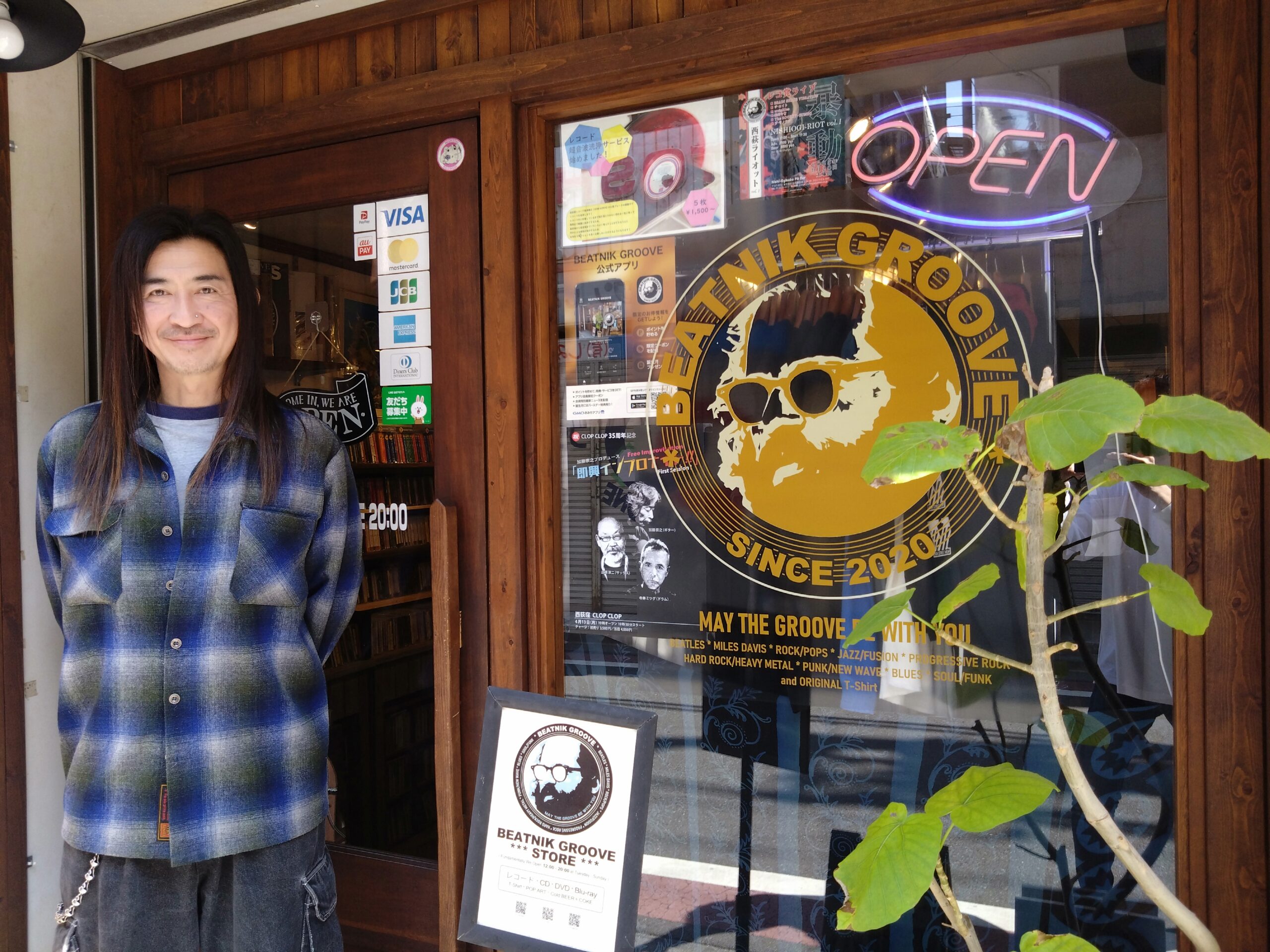
At the end, when asked how he wants people to feel when they leave, Goto gave an answer that was perfect.
That really is exactly the kind of shop this is. You do not go once and feel finished. You want to see more of the shelves. You want to know what will be there next time. You want to talk a little longer. It feels less like going out to buy a record, and more like going out to pick up a stretch of time filled with music.
BEATNIK GROOVE STORE is highly recommended not only for people looking for records in Nishi-Ogikubo, but also for anyone who simply wants to spend time in a place where real music lovers are truly there. Here is someone who learned through music, and is now passing that heat on to others. And beyond that, he is trying to increase the number of places where music can live—outside the shop, and within the town itself. That is why something more than simply buying a record is always happening here.

|
||
|
||
|
||
|
||
|
||
|
||
|
||
|
||
|
||
|
||
|
||
|