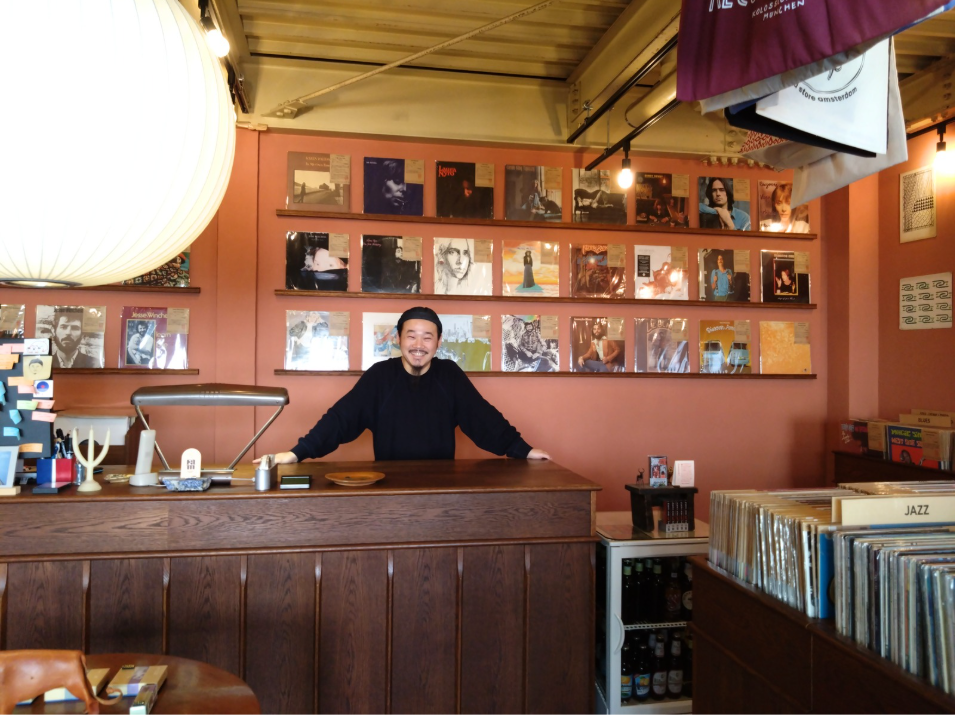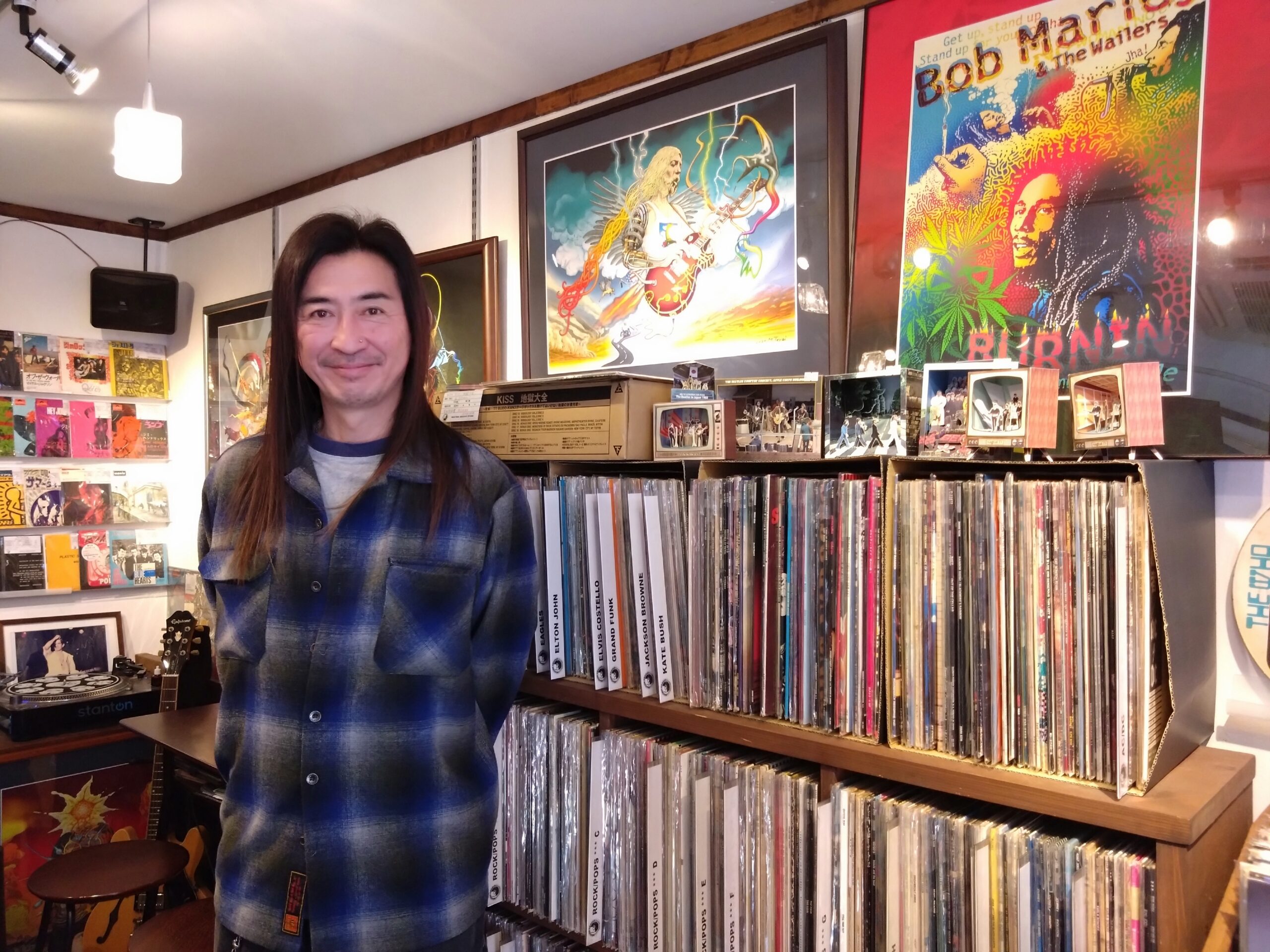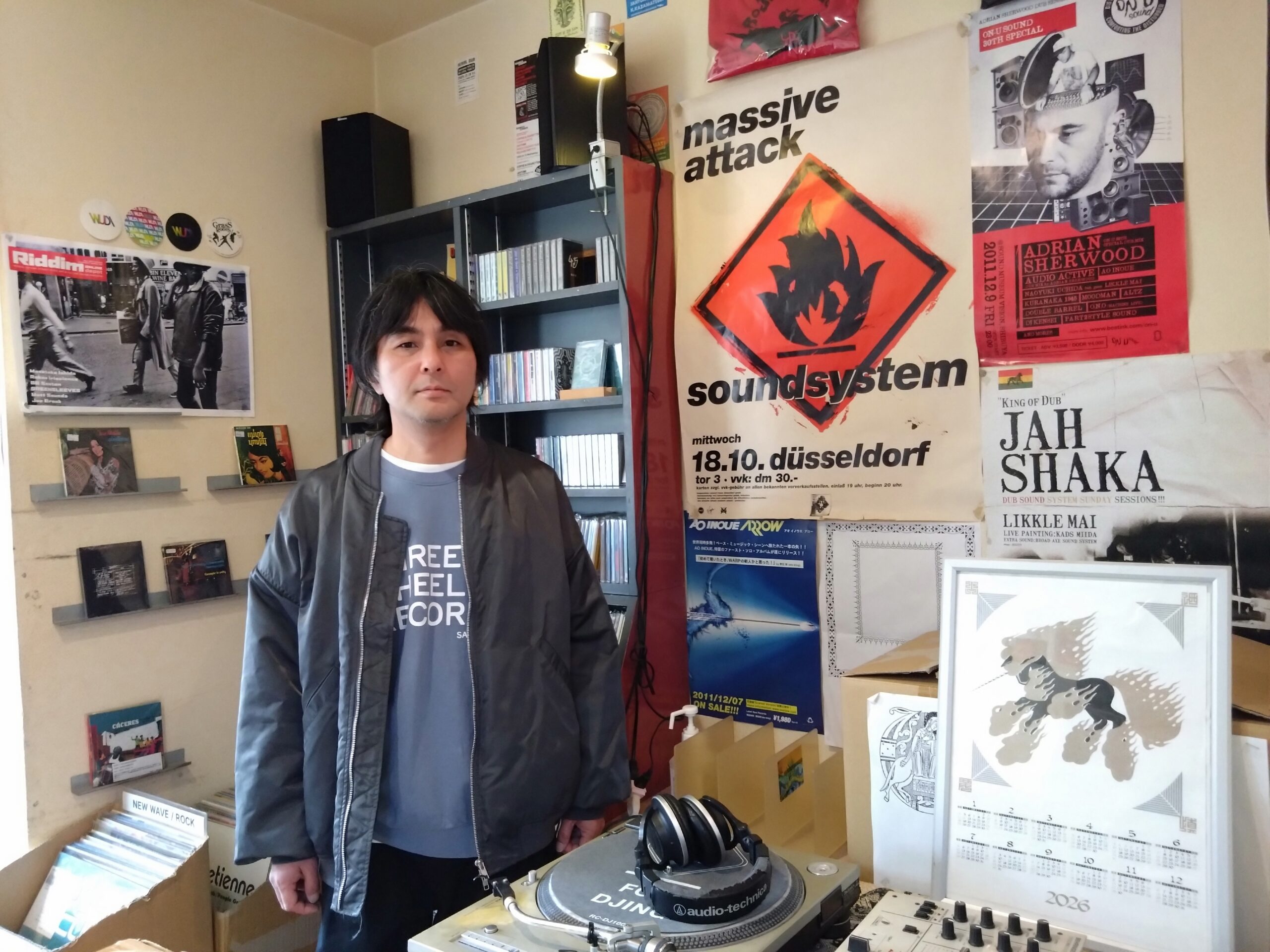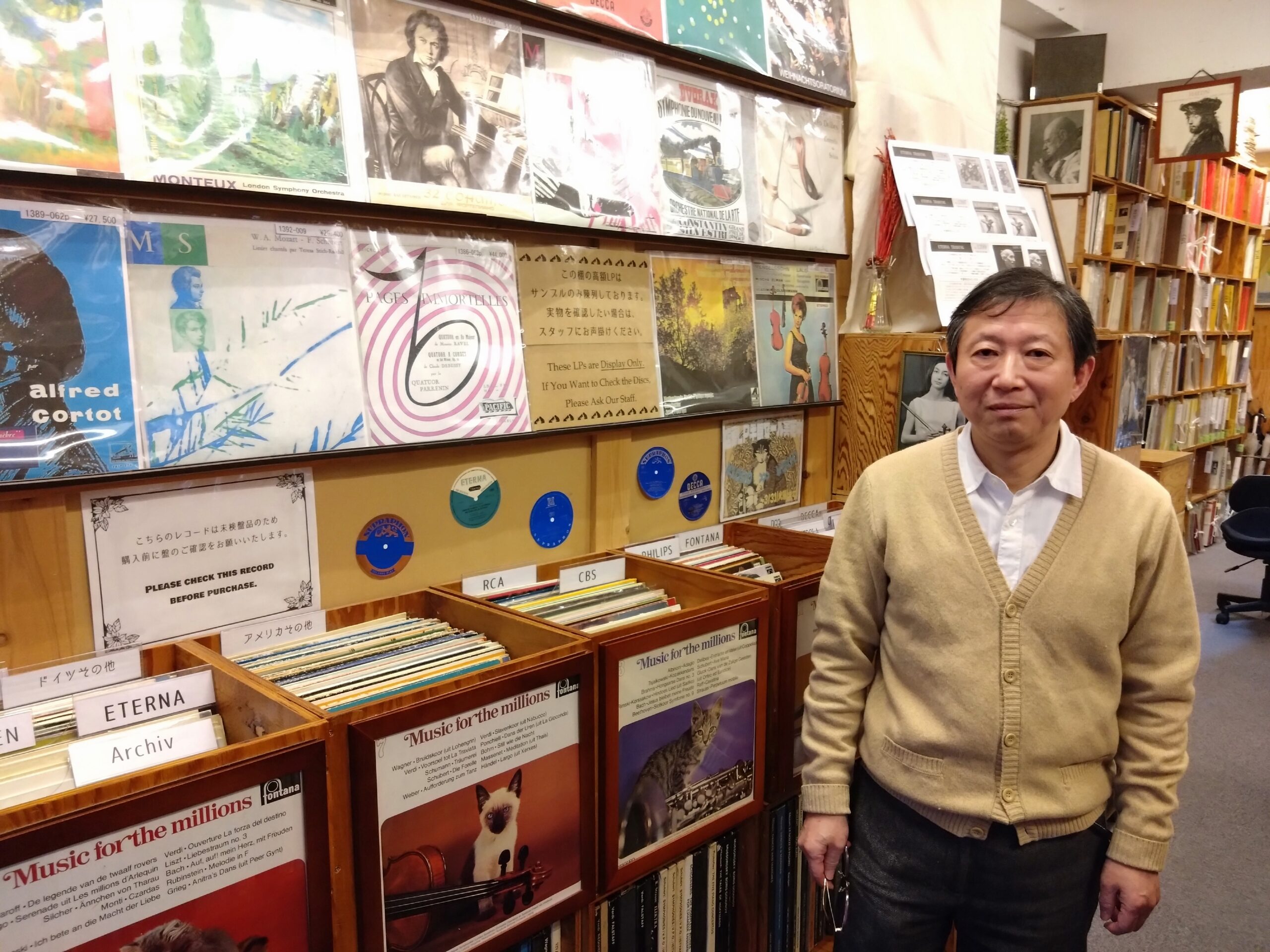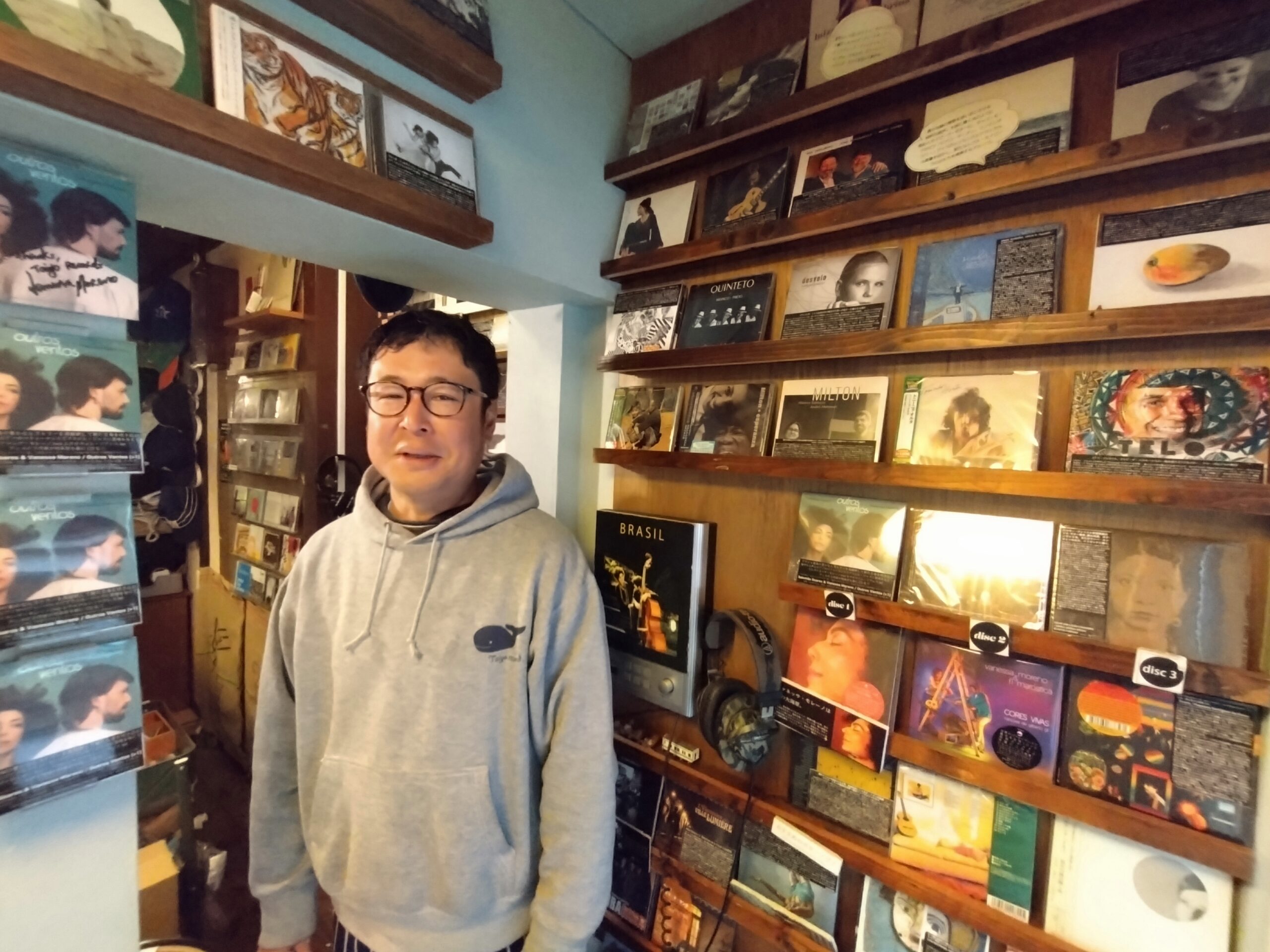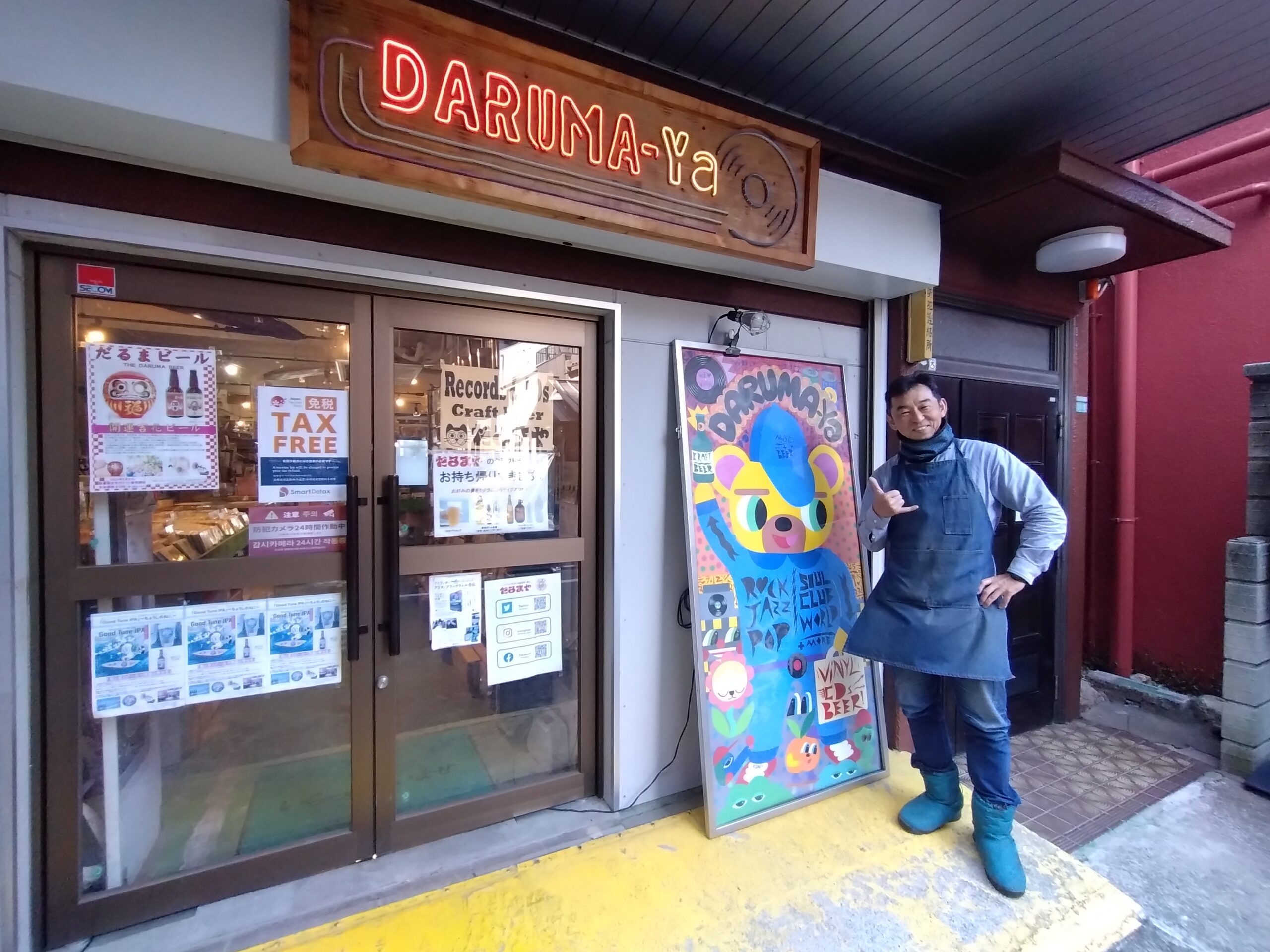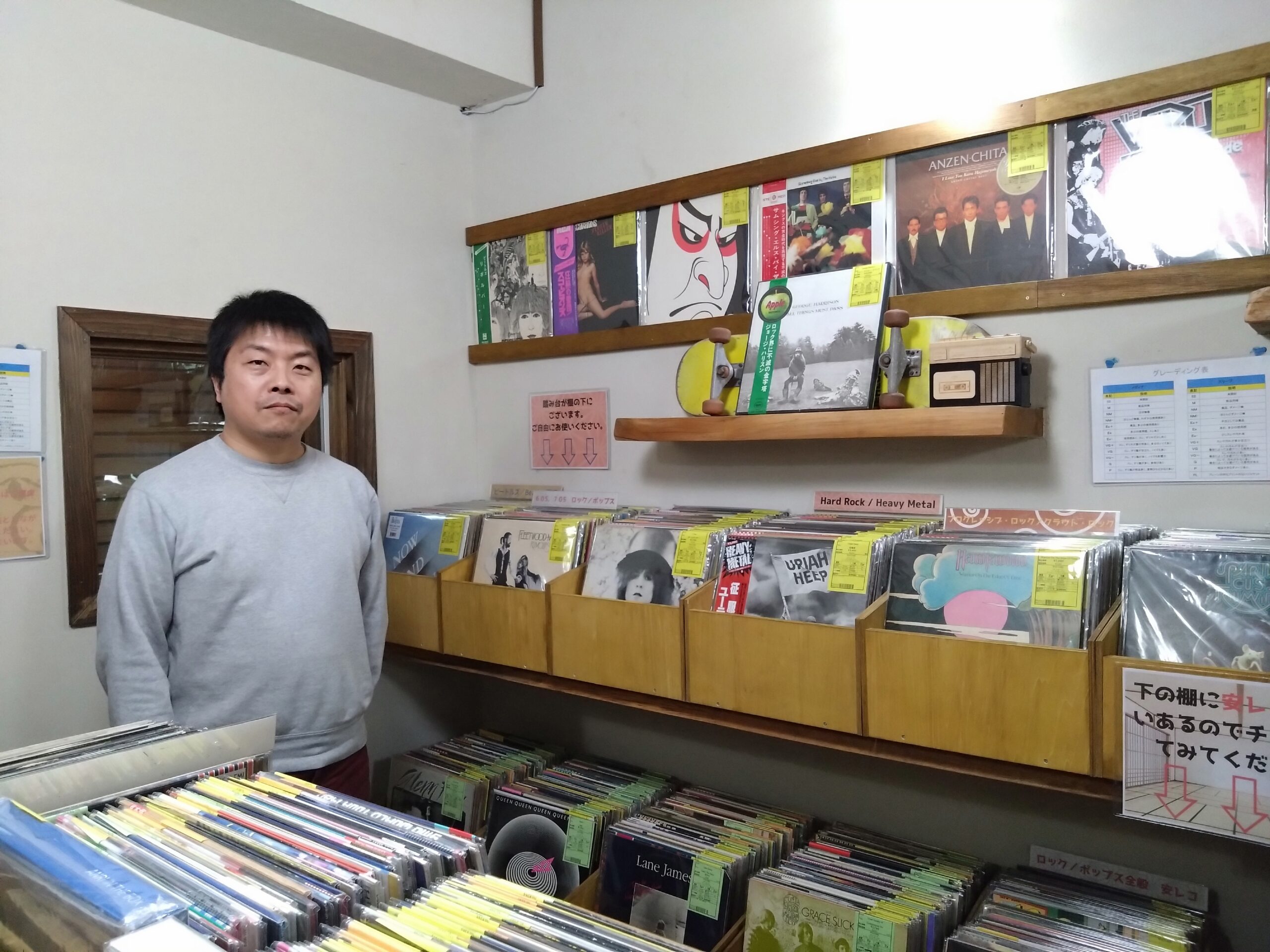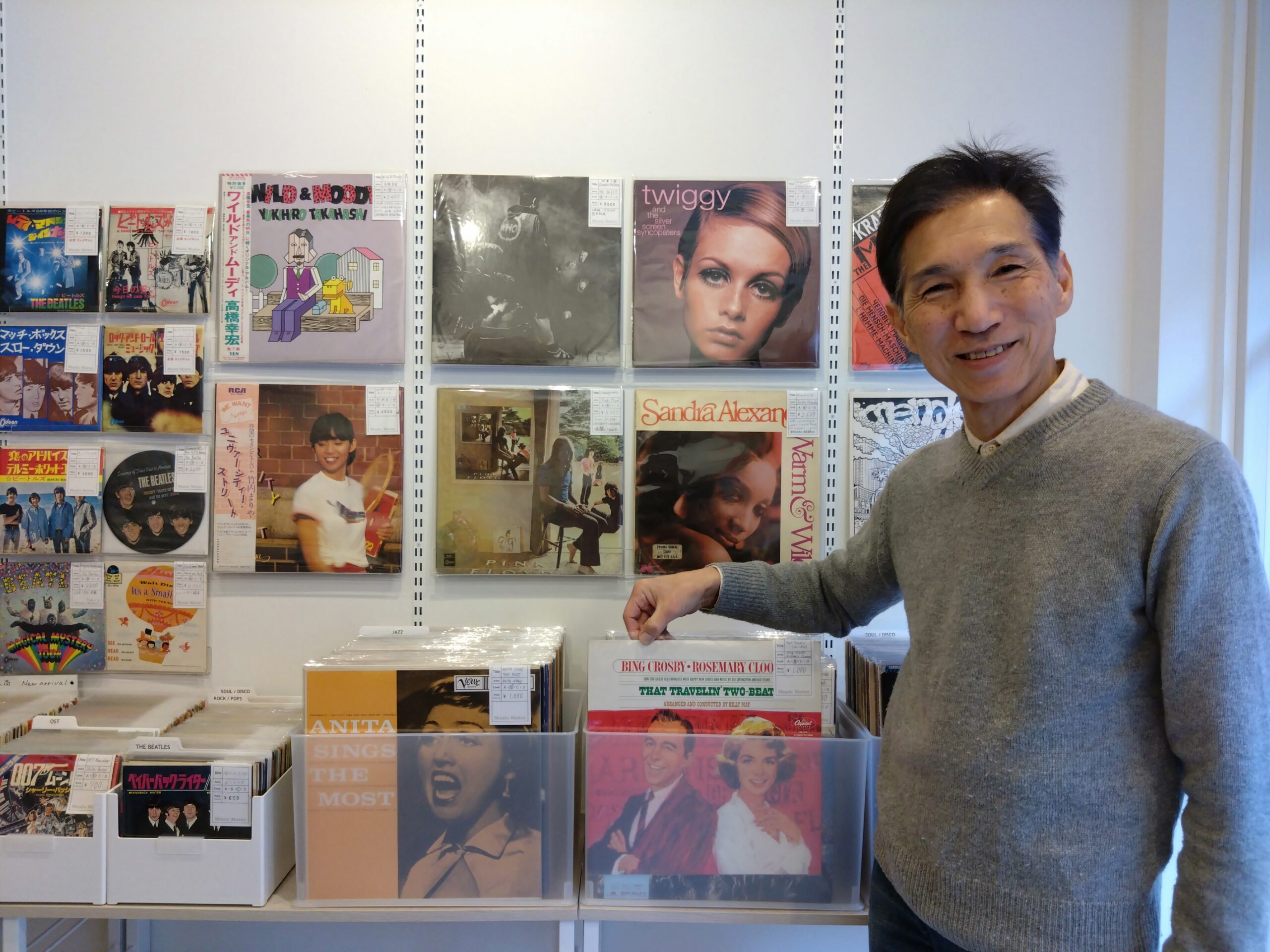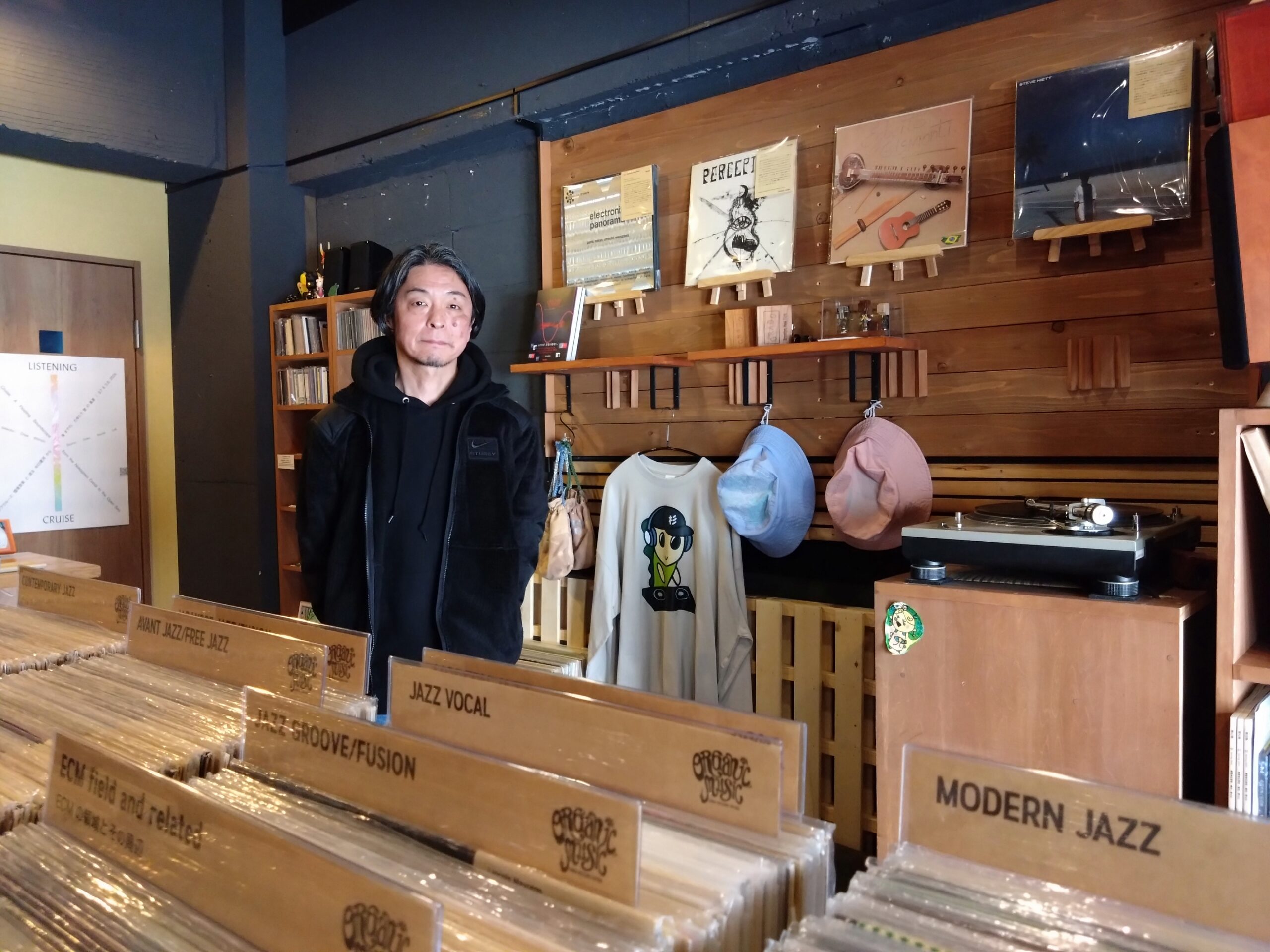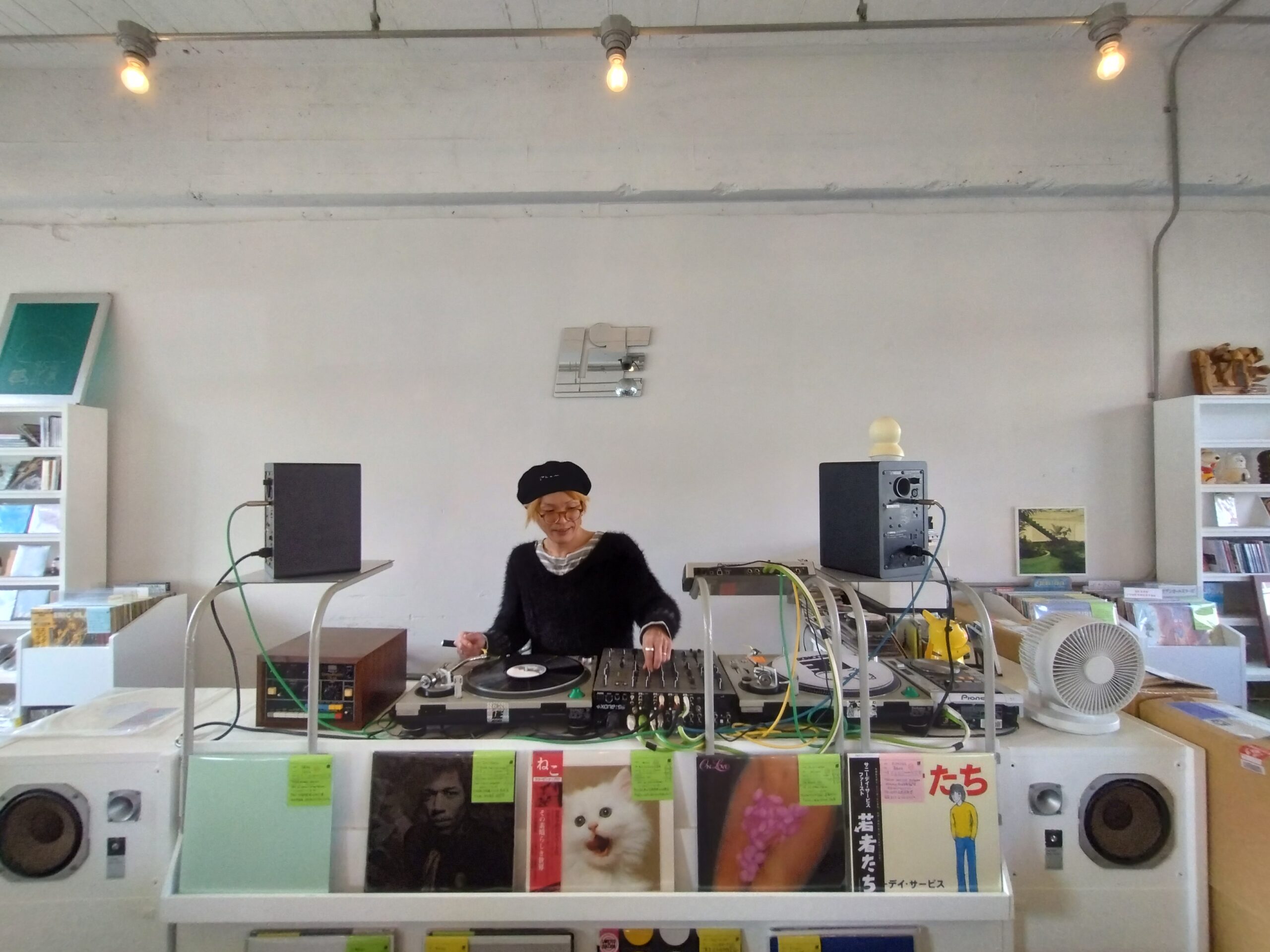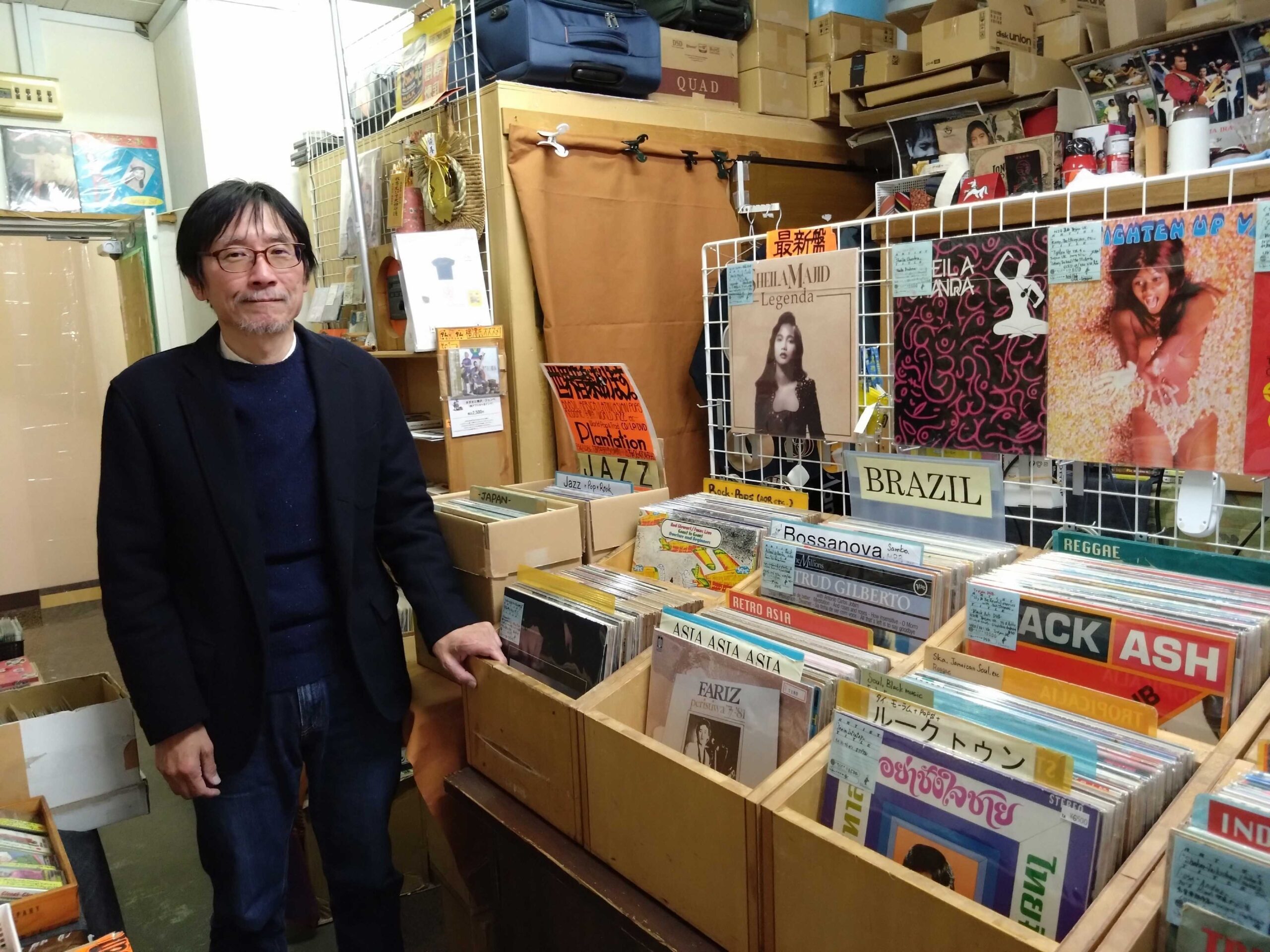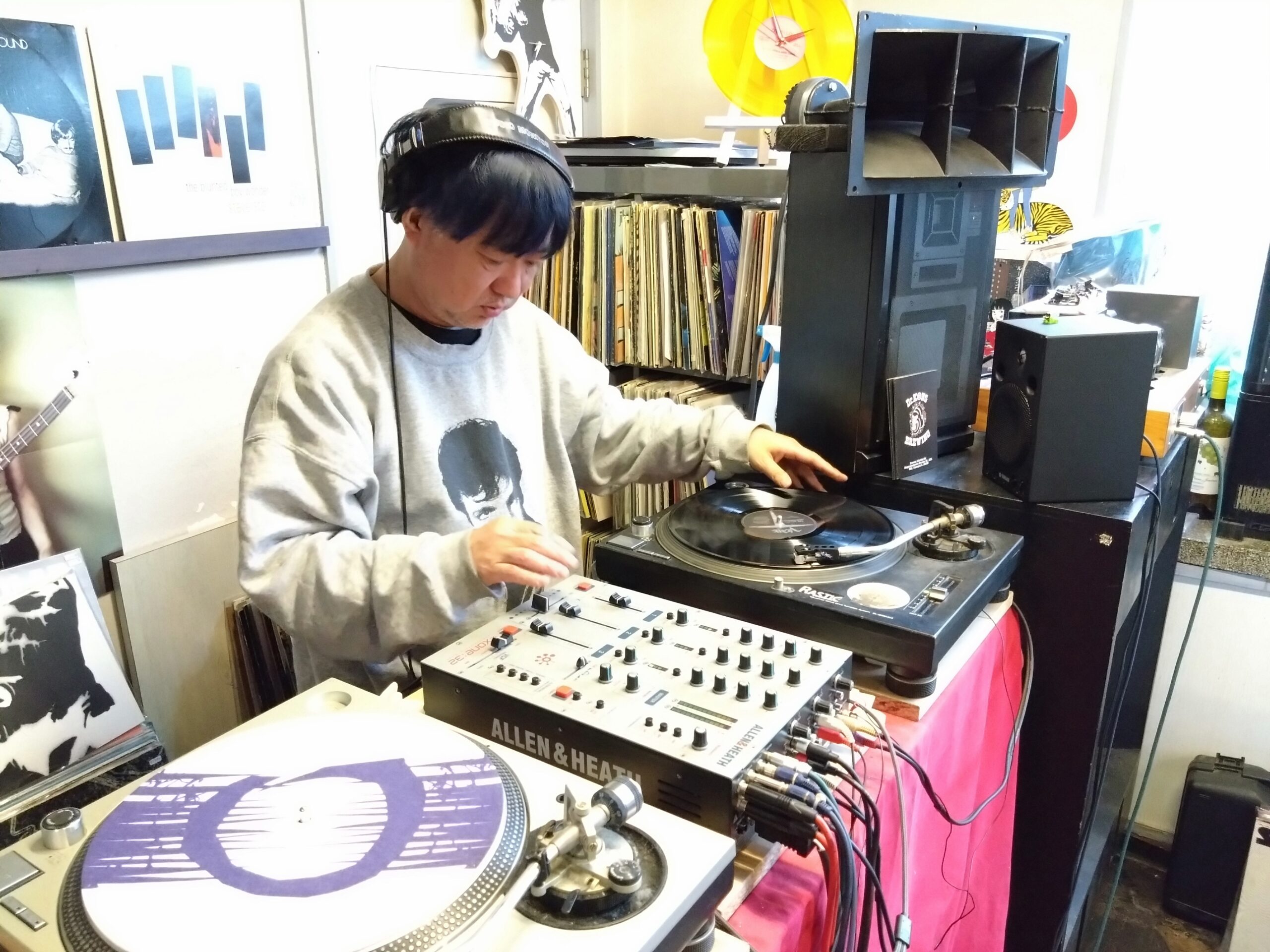
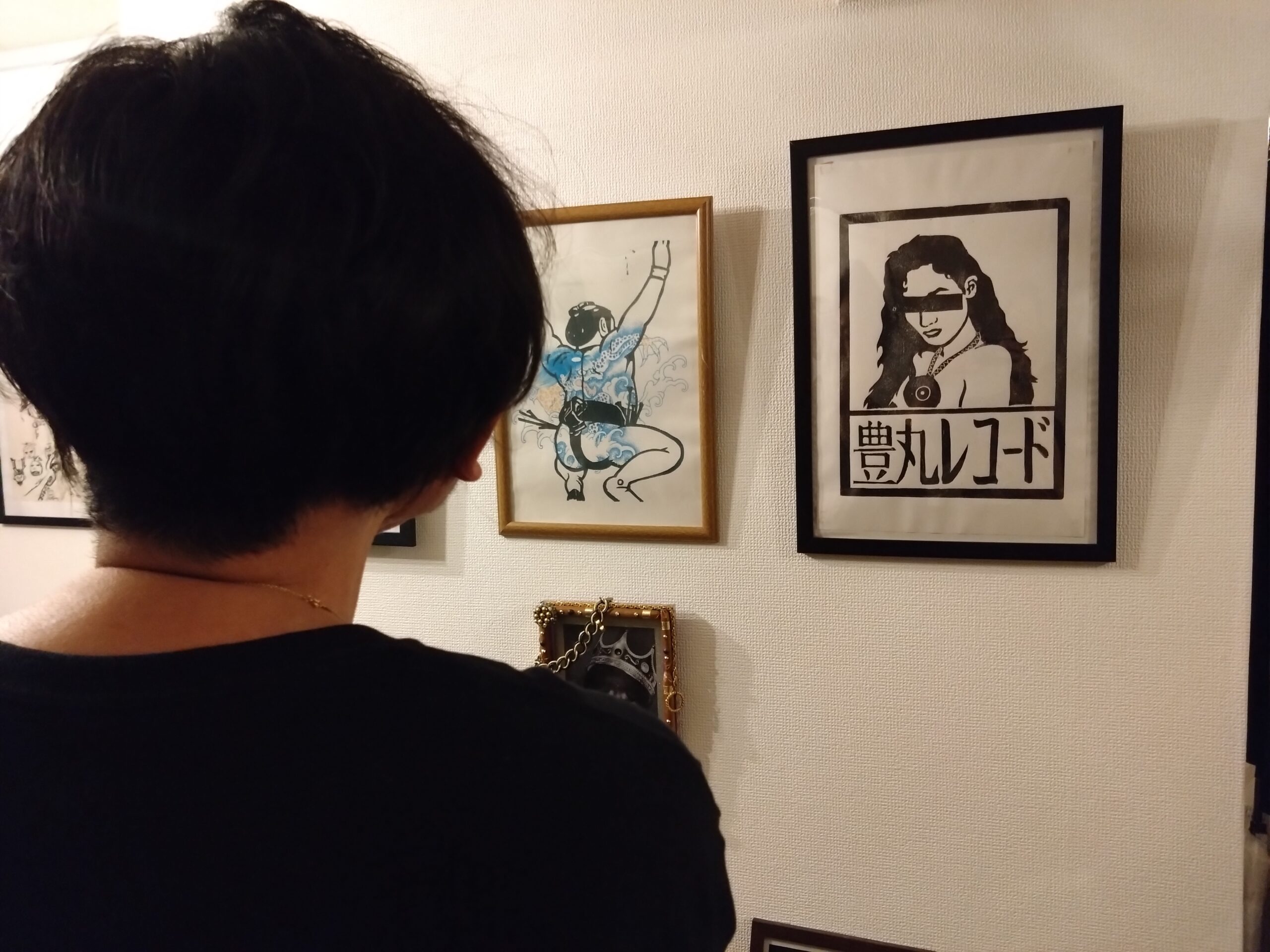
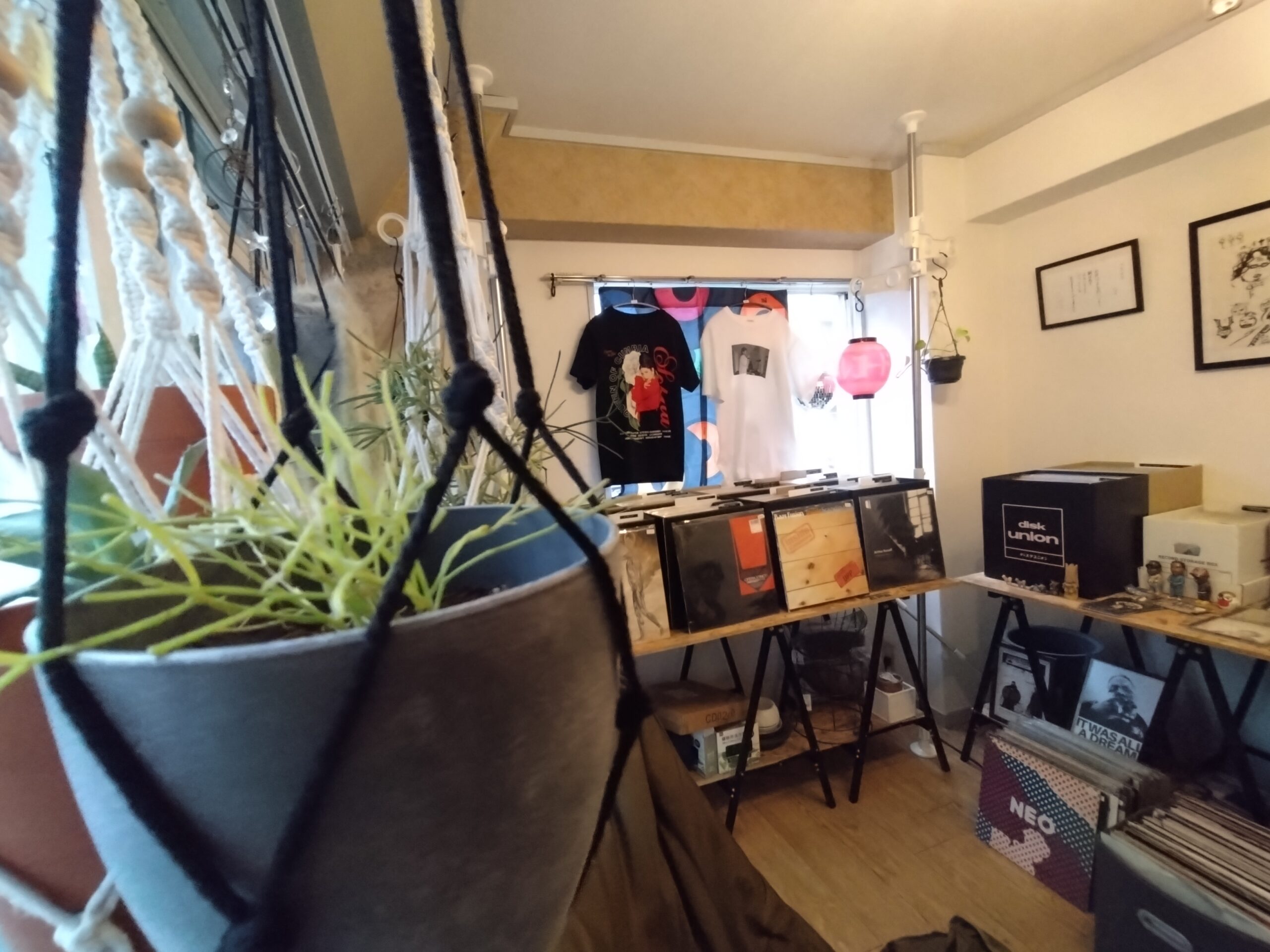
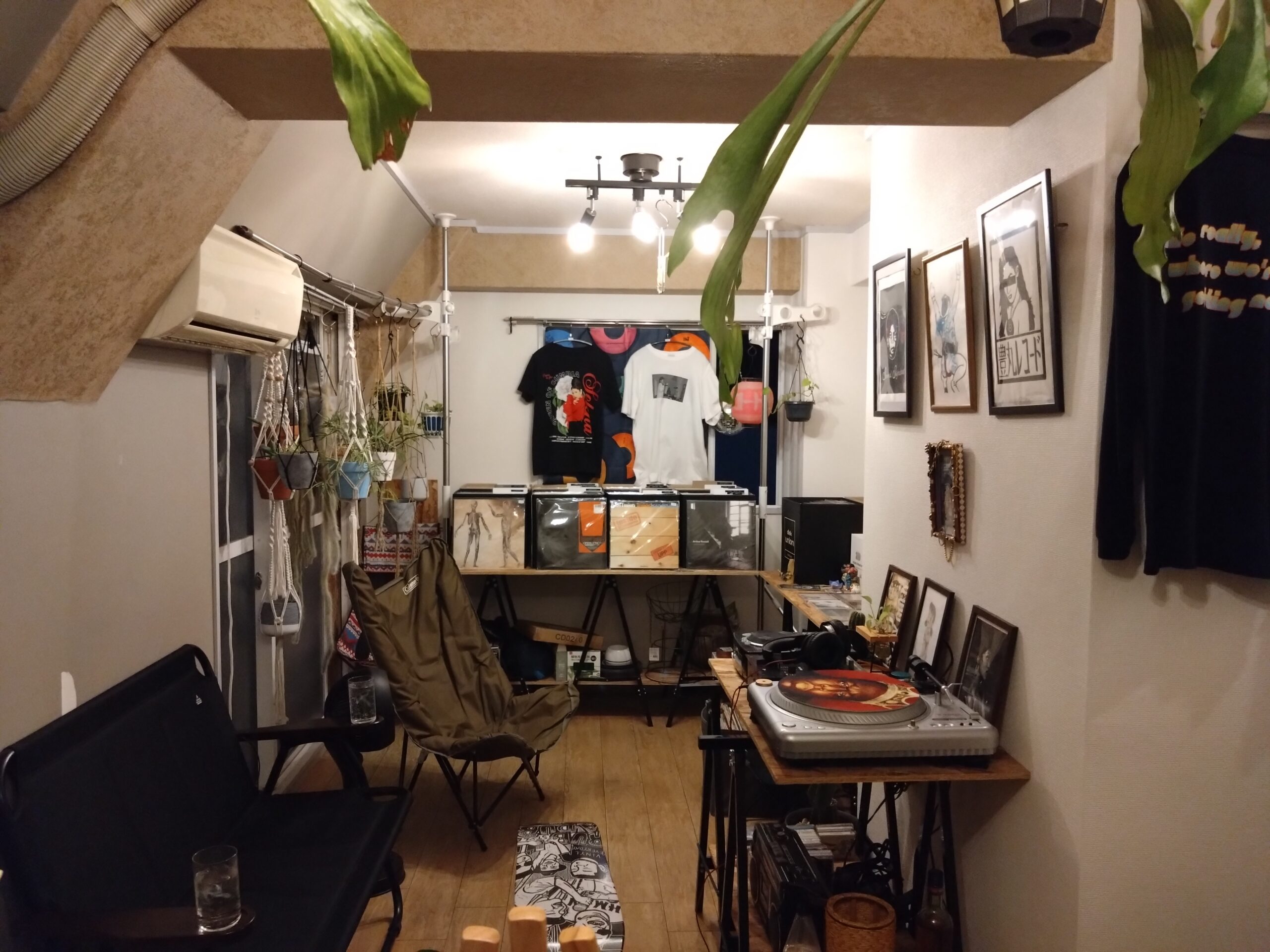
For this installment of our interview series with record shop owners, “Record Shop Yomoyama Stories,” we visited Toyomaru Record in Chuo-ku, Fukuoka City, Fukuoka.
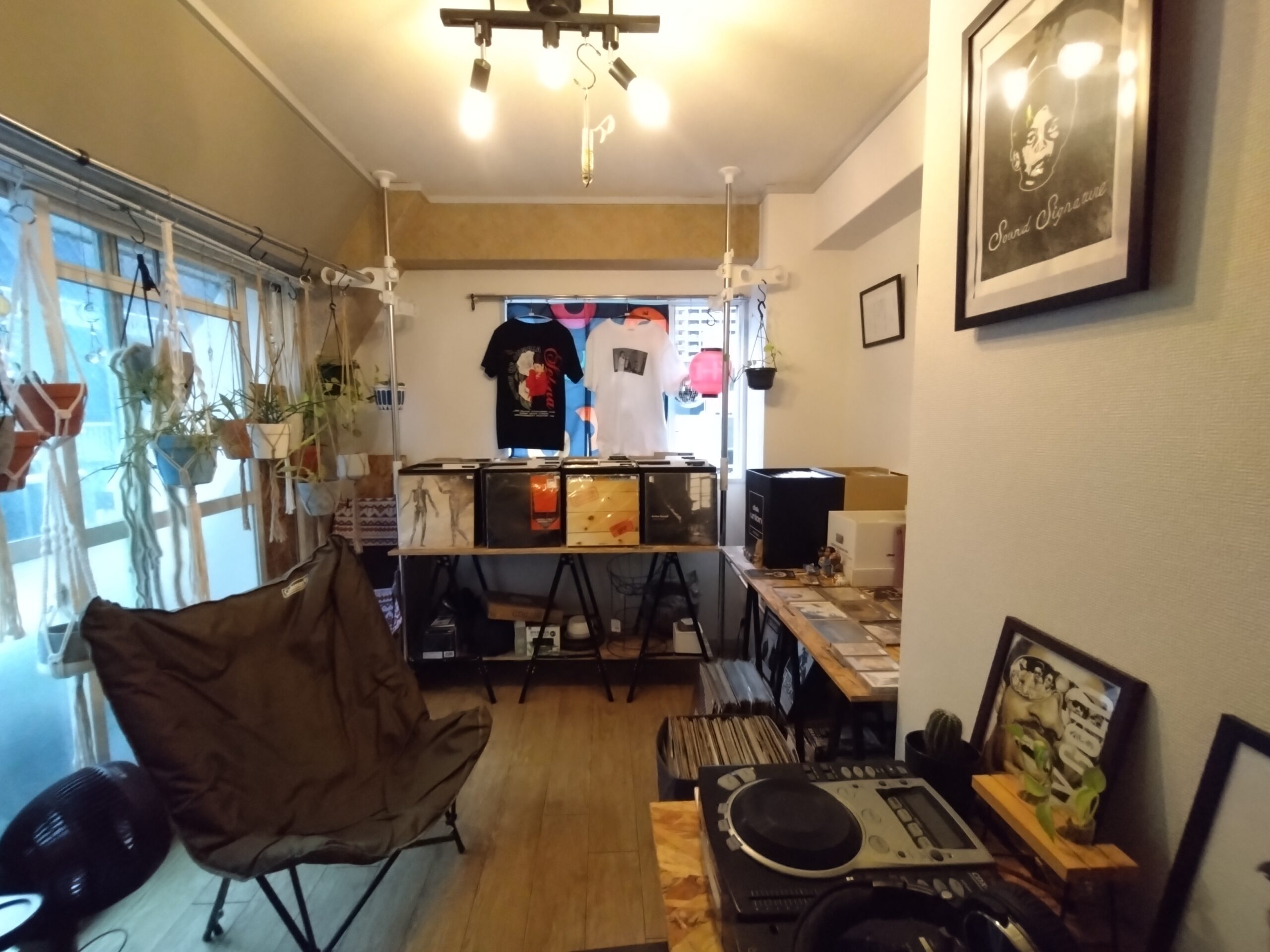
When people think of a record shop, they may picture neatly arranged shelves and a space where the owner’s aesthetic is clearly visible. But Toyomaru Record is a little different. It feels more private, more relaxed, and because of that, you can see more directly what its owner, Toyoshi, has found fascinating over the years.
Located in the middle of Fukuoka, this shop feels less like a “proper” record store and more like a room that someone who loves music has built up over a long time. It isn’t open with clockwork regularity every day. The door opens a few times a week, whenever the timing is right. Some visitors message on Instagram before coming, while others find it through a search engine and make their way there. We were told that people from overseas stop by too.
But it’s too soon to dismiss that irregular shape as simply inconvenient. There’s something about this place that draws people in, in a way that convenience and efficiency can’t explain. Before it is a space made for “selling,” it is a space shaped by a desire to let people discover.
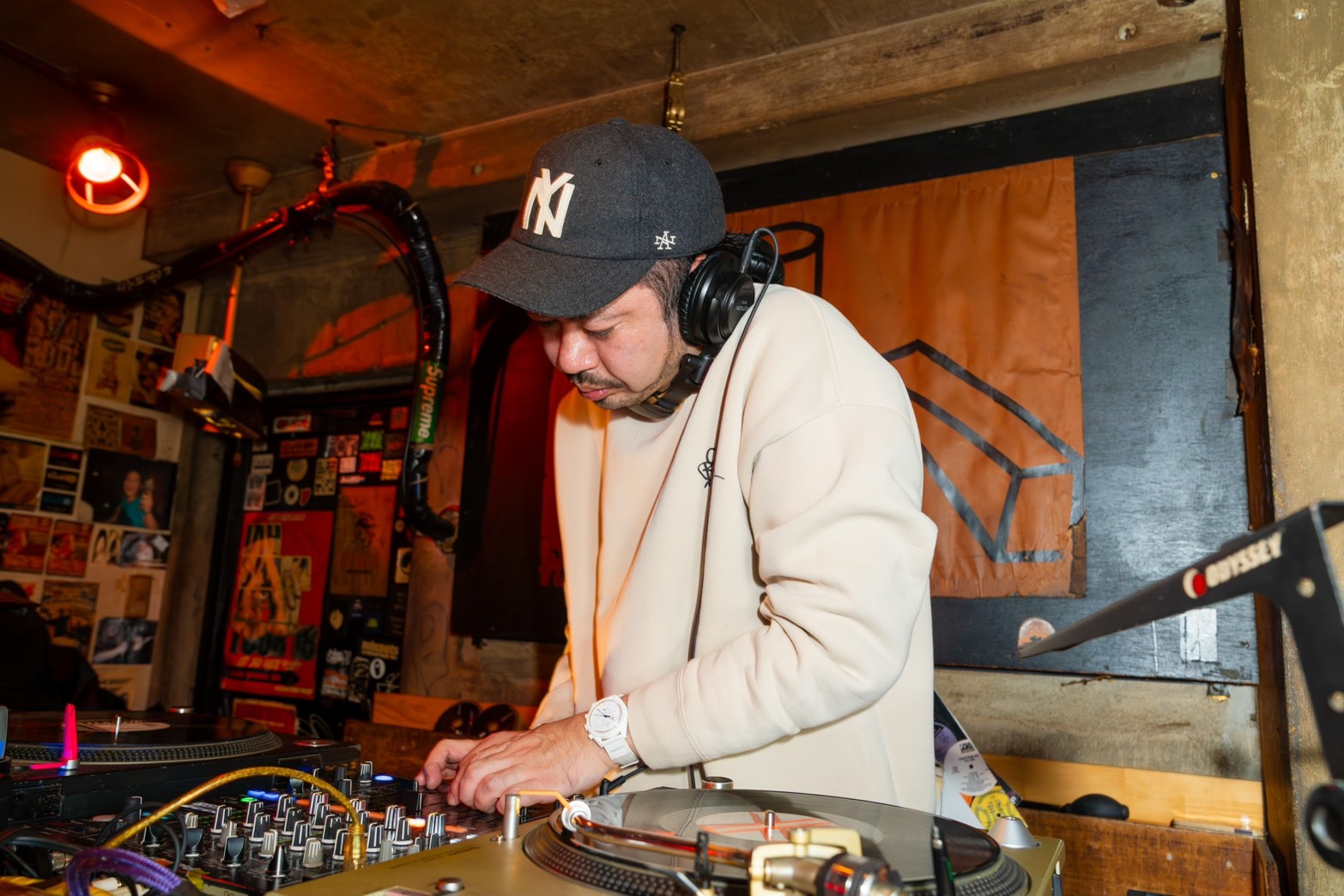
Toyoshi’s path into music didn’t begin with anything like elite training. It wasn’t that special music was always playing at home from childhood. But from junior high through high school, the radio at night stayed with him. While studying for entrance exams, he listened to All Night Nippon and community FM. In his high school years in Kumamoto, nonstop mixes and fragments of music from late-night radio programs—music he couldn’t yet fully name—slowly sank into his body.
That line says a lot. For Toyoshi, music wasn’t something meant to be shown to anyone from the start. It was something received alone. Then, in university, he began working part-time at clubs in Osaka, and the scenery changed. In those rental-space clubs, different genres filled the calendar every night, bringing together all kinds of people he never would have met otherwise. Soul, house, rockabilly, ambient—nights where everything mixed in ways that defied tidy labels. Working in clubs didn’t just deepen his musical knowledge; it let him experience, firsthand, how music can become a reason for people to gather.
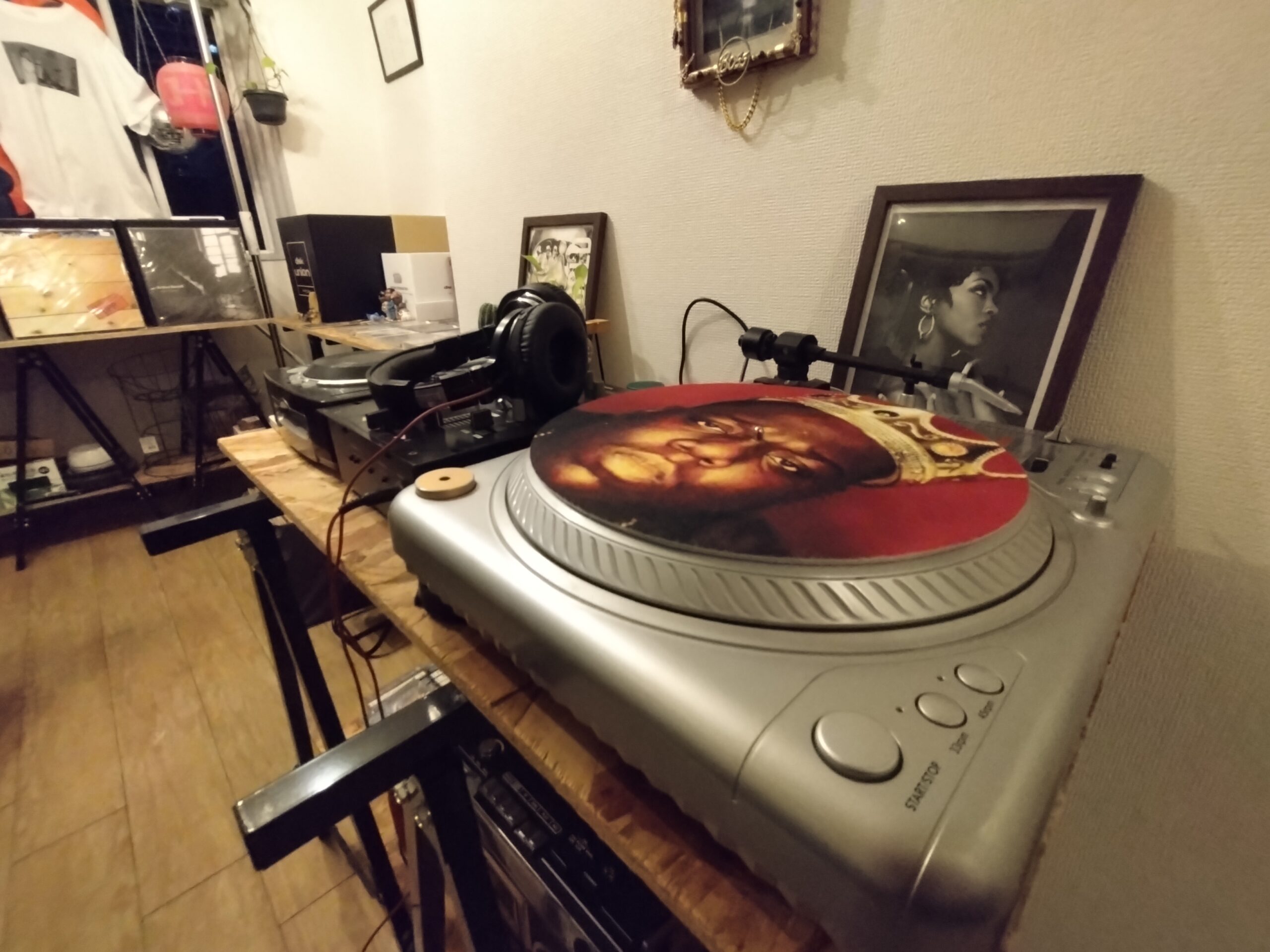
That feeling seems to be at the heart of what makes Toyomaru Record so compelling. This isn’t just a place for arranging shelves; it’s a place that tries to connect people, if only slightly, through music. When Toyoshi calls it “something like a hobby room,” he probably means it half-modestly and half-seriously. But the room itself never feels closed off. If anything, it feels like a point of entry into another world.
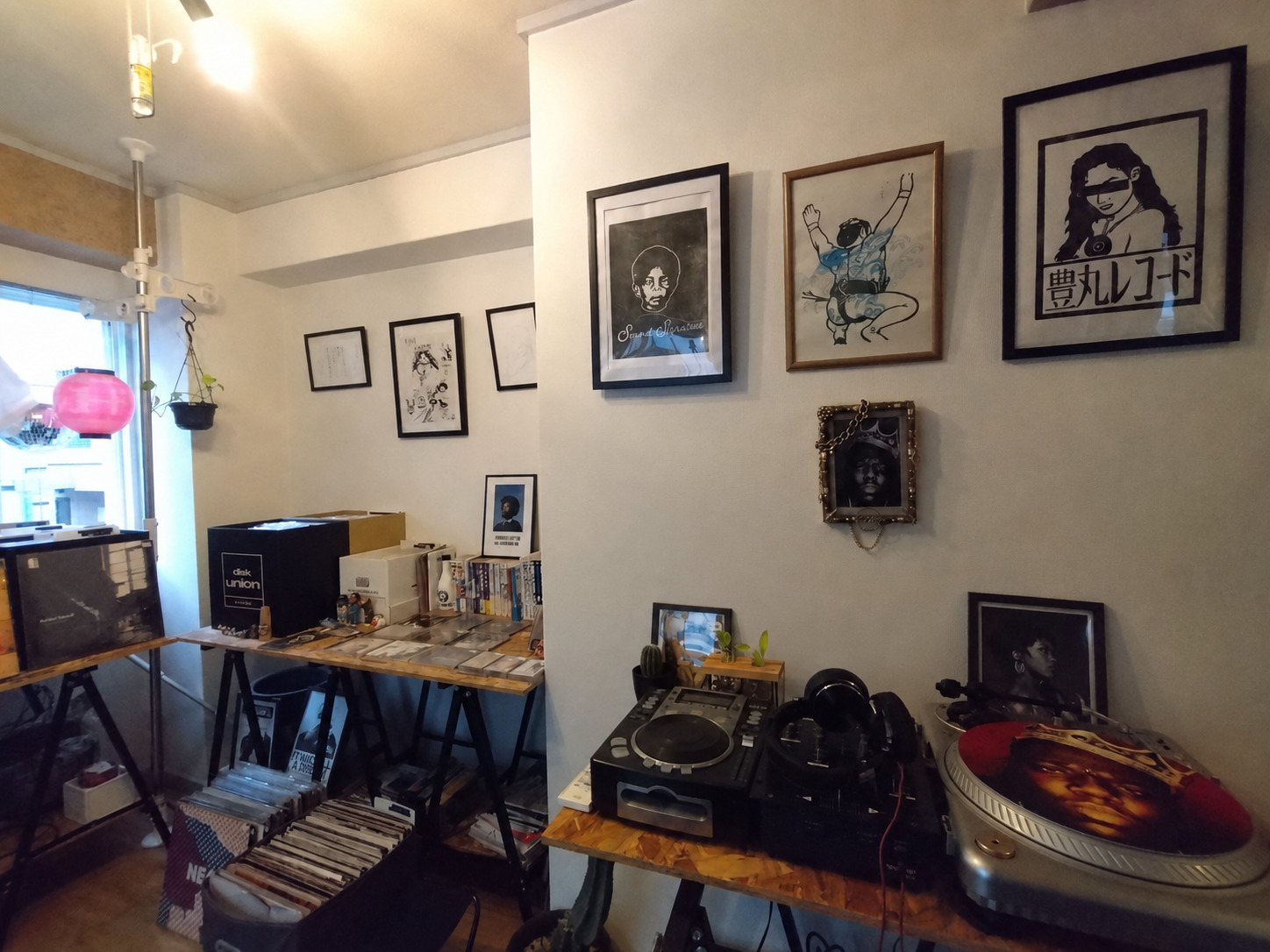
When talking to someone who runs a record shop, it’s easy to want to ask how deeply they dig or how much they sell. But Toyoshi doesn’t place too much weight there.
That one line changes how the shop comes into view. Of course this is still a business, and he’s happy when people buy records. But selling records is not the end goal in itself. Before that comes the desire to say, “There’s music like this,” or “There’s an entry point like this.”
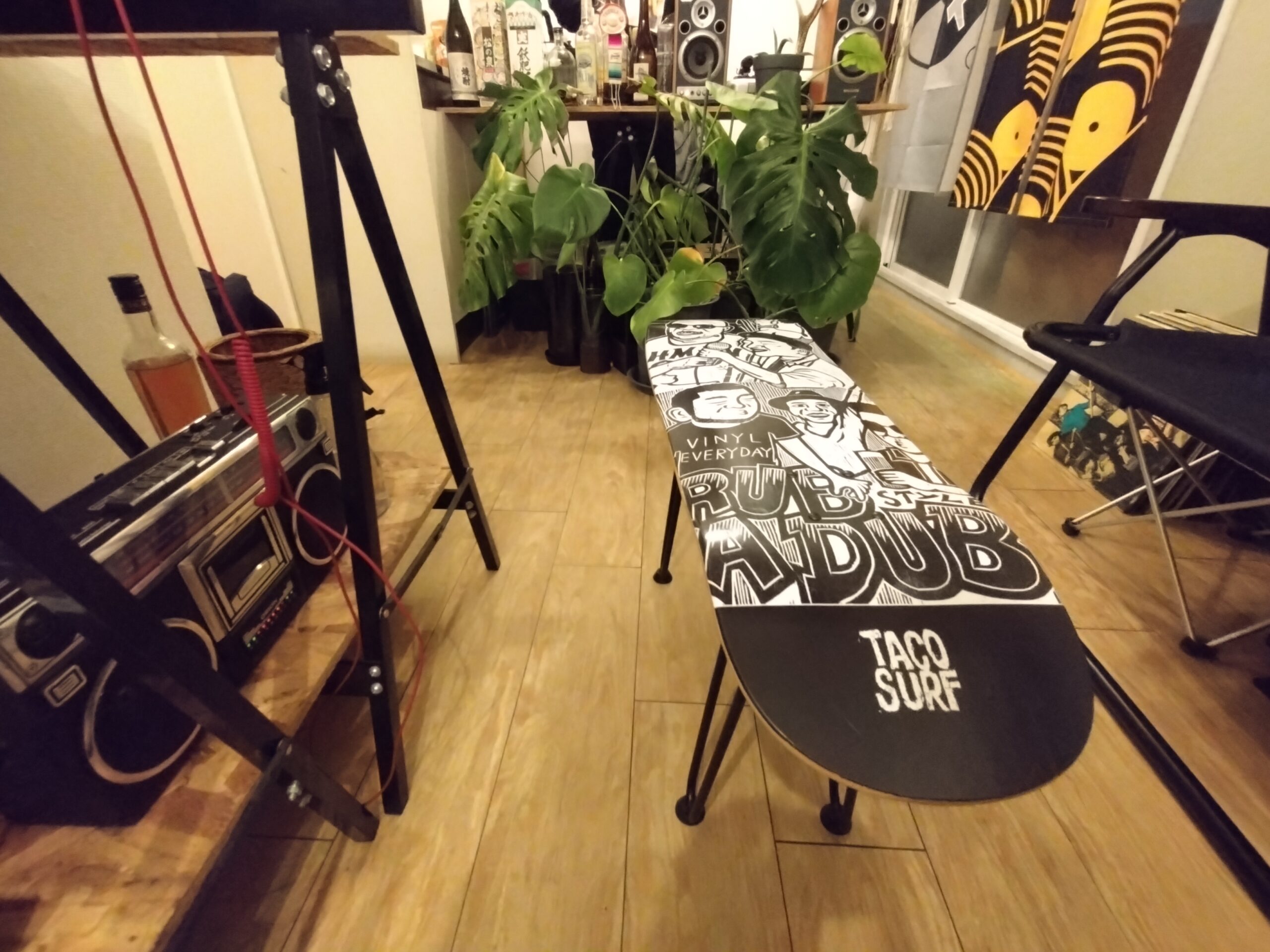
That’s why he isn’t overly attached to the medium itself. Vinyl, CDs, cassettes—it doesn’t really matter. What matters is giving someone a way in. In fact, when the conversation turned to what he recommends to beginners, Toyoshi didn’t point to some “classic masterpiece” or a definitive album. He mentioned compilations instead.
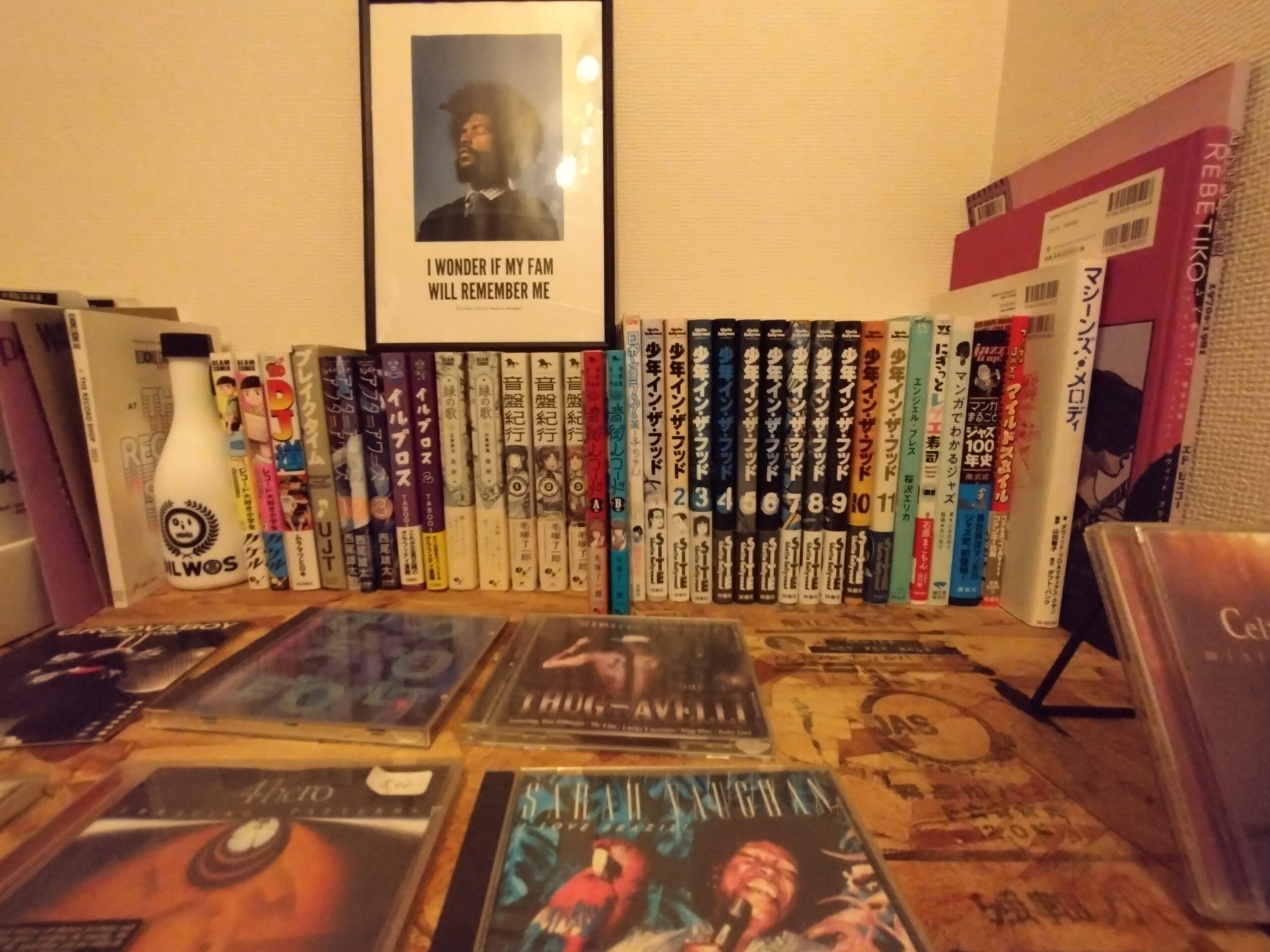
That approach feels right. If you don’t know what you like yet, you don’t need to hit the “correct” answer immediately. You can start with something broad and look for whatever catches on a little. Toyoshi never talks down to beginners, perhaps because he himself has expanded his musical world in exactly that way for so long. Rather than showing off knowledge, he hands people an entrance. Toyomaru Record feels welcoming to beginners not because it performs “beginner-friendliness,” but because Toyoshi genuinely understands that there is no single correct way to encounter music.
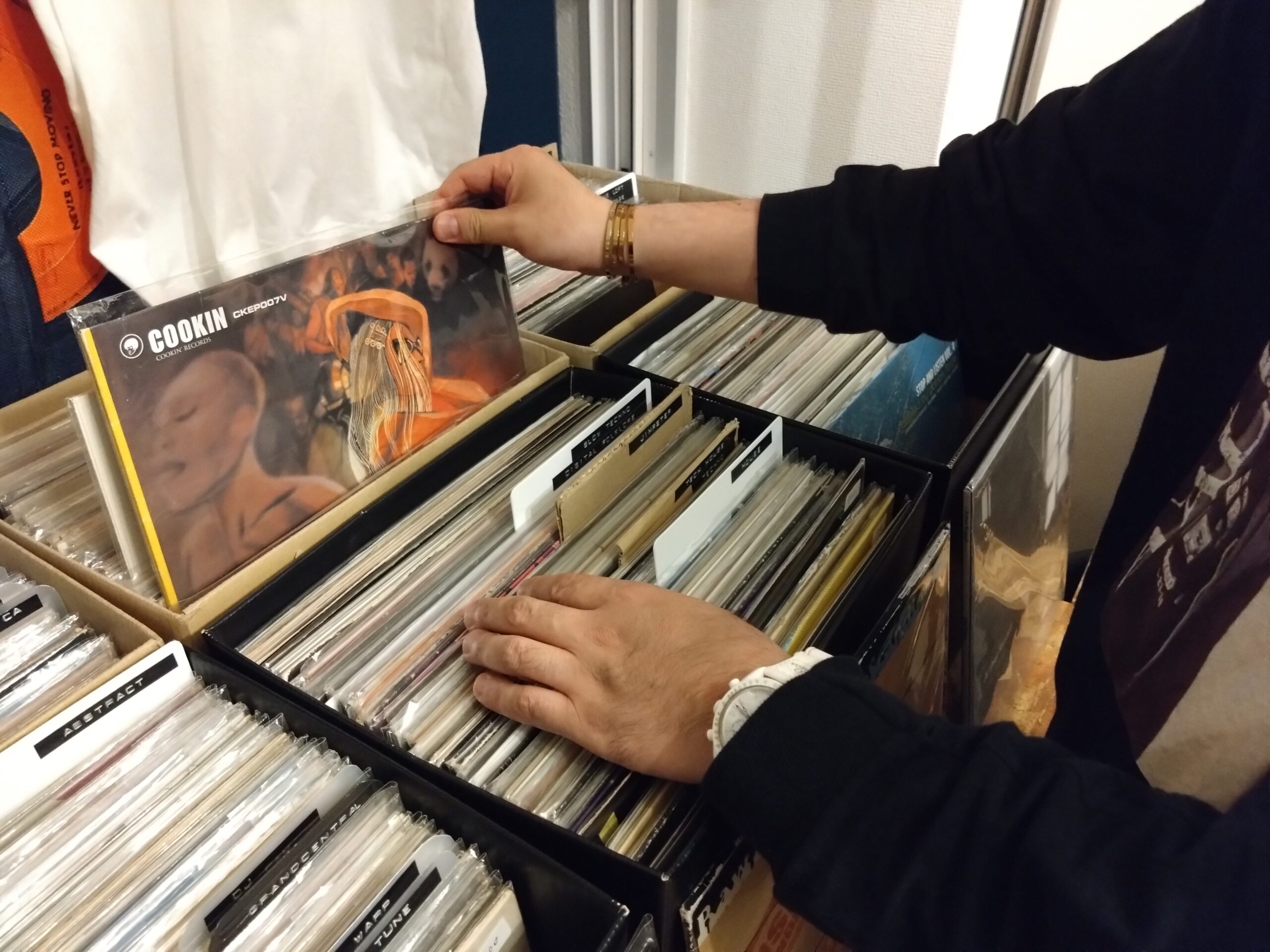
The shelves at Toyomaru Record are not built only from the reassuring logic of the canon. Its roots lean strongly toward club music, and there are plenty of singles. On top of that, one of the shop’s distinct characteristics is the presence of bootlegs and live records. Rights issues in this area can of course be sensitive, but even with that in mind, the shop reaches toward kinds of musical pleasure that don’t fit neatly inside the “proper,” official world of distribution.
They’re not there just for novelty. It feels closer to picking up things that tend to spill out of ordinary shelves—detours that are fun for people who love music. And the prices, we were told, are generally kept quite low. He laughed and said, “It’s a hobby, so it’s cheap,” but that feeling seems real. Rather than creating the tension of selling high, he leaves room for someone to casually reach out and take something home.
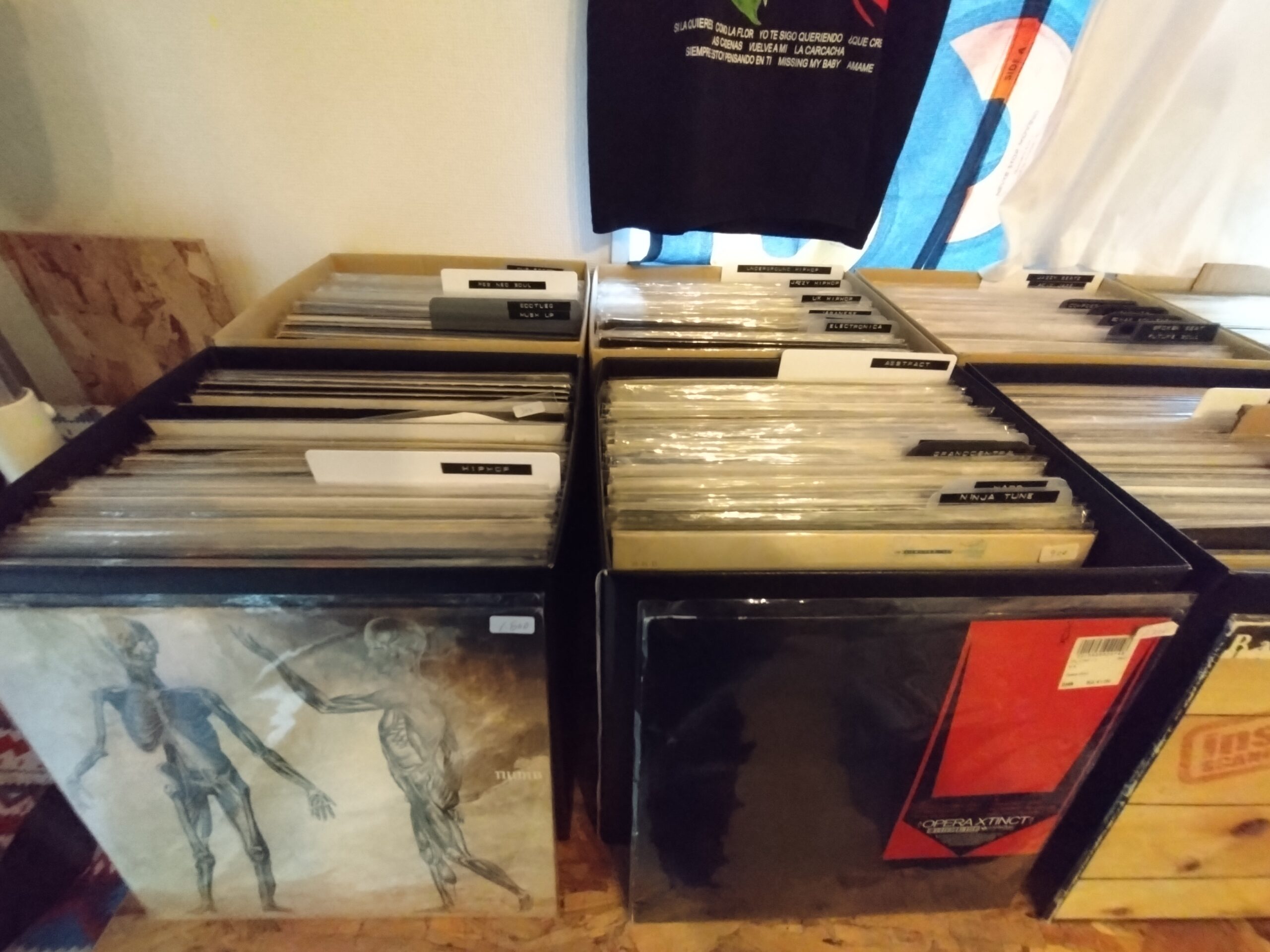
In addition to buying within Japan, he sometimes picks up cassettes in Southeast Asia or Turkey. He digs while traveling and carries them back. It’s heavy, and in terms of efficiency, not a great system at all. But it’s precisely within that inefficiency that a person’s shelves take shape. What you get here is a tactile bias, different from the standardized correctness of a major secondhand chain.
And what’s good is that this doesn’t become a shelf only for hard-core collectors. The sensibility and obsessions of club culture are certainly there. But they never harden into a wall that filters out beginners. That balance is rarer than it looks.
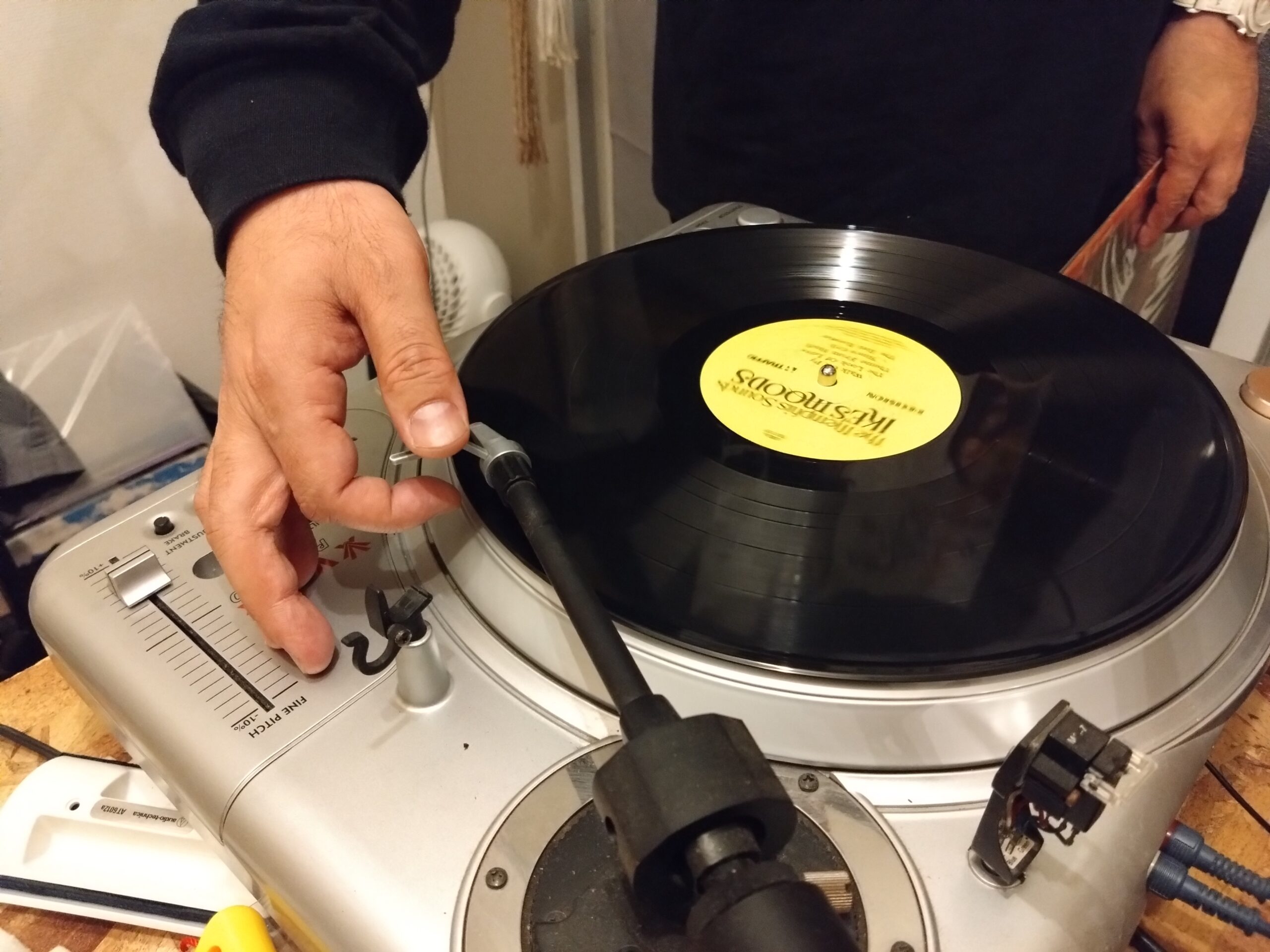
Toyomaru Record is not open every day. By ordinary standards of shop operation, that might seem like a weakness. But listening to Toyoshi talk, it feels less like a simple limitation and more like something deeply tied to the way he lives.
During the day, he works in EC, workflow improvement, and client support. He uses AI, builds tools, and helps organize operations on the ground. It’s practical, very real work. At the same time, at night he goes to clubs, DJs, and travels. He runs a record shop too. Instead of forcing all of it into a single identity, he lets it run side by side.
That line is stronger than it first sounds. There are endless reasonable arguments for opening more, trying harder, scaling up. But this is not a shop that grows by pushing itself beyond its nature. Toyoshi enjoys his life properly, and the shop exists as an extension of that. There is an atmosphere here that only this scale can preserve.
People drawn to Toyomaru Record may not be coming only to buy records. They may be coming to brush up against the whole shape of how he enjoys life. Music doesn’t stay sealed off here; nights out, travel, human connection, and the way he works all flow loosely together. Because his way of living seeps into the shop, the place has a real temperature.
Not only friends-of-friends come here; people who have only just started buying records do too. Some can’t get sound out of their setup. Some don’t know how to connect their gear. Some still have no idea what they want to buy. For people like that, Toyomaru Record is not the kind of place that responds with specialist logic and shuts the conversation down. It’s a place that talks with them and helps them find their way in.
That overlaps with the feel of club culture too. People with similar interests gather, and little by little, they begin to talk. You don’t know whether it will suit you until you go, but once you peek inside, something in you can shift a little. It was striking to hear Toyoshi say of clubs, “Some people will click with it, some won’t—but why not try going once?” That same distance and openness apply to the shop as well.
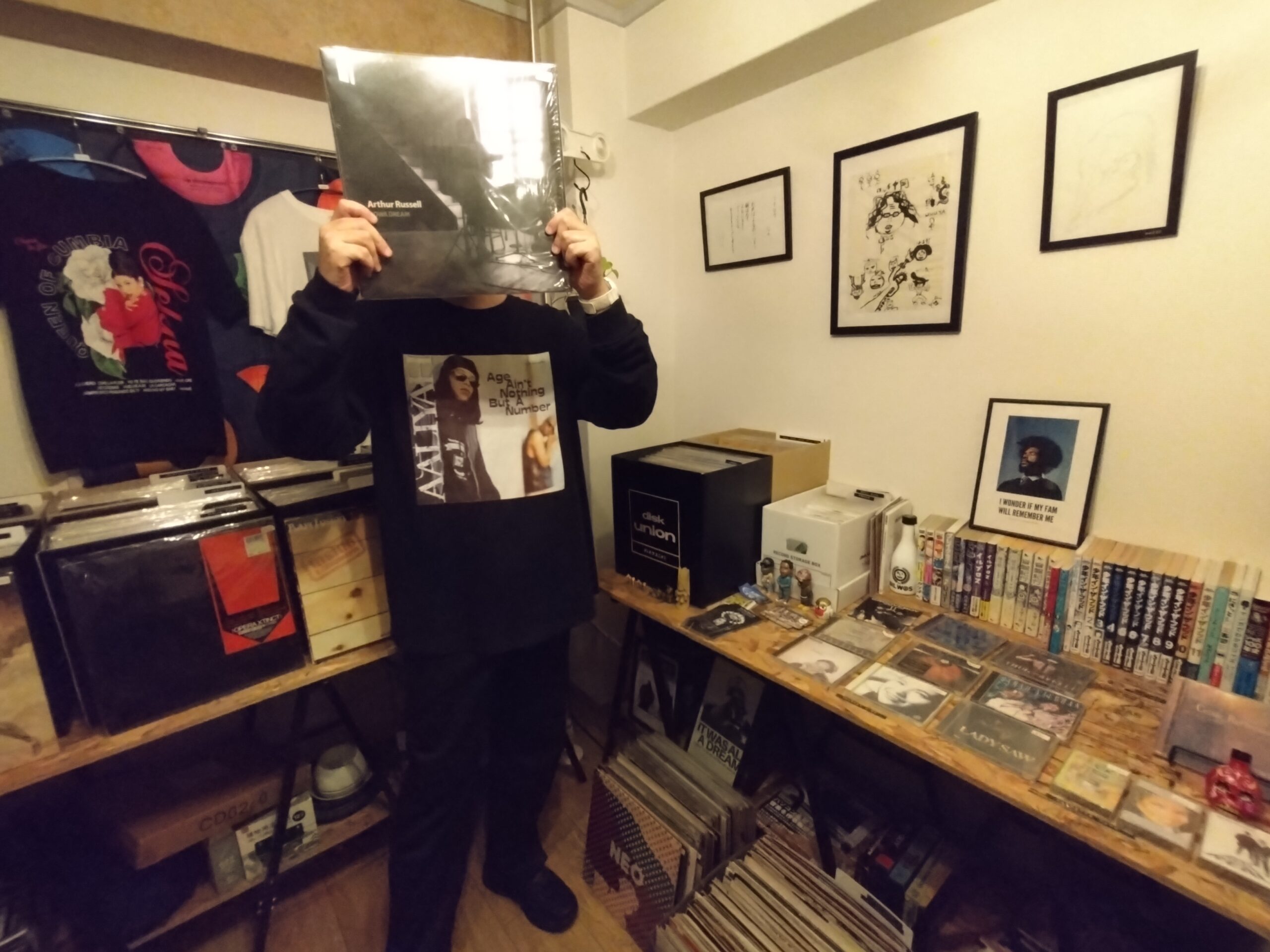
Toyomaru Record is not a shop that hands you finished answers. If anything, it may be best suited to people who still can’t quite put their “taste” into words. They don’t know exactly what they like yet, but something is pulling at them. When people in that stage walk in, this place receives them not with the weight of knowledge, but with warmth.
It’s easy to recommend to anyone looking for record shops in Fukuoka, of course—but also to people traveling who think, “I don’t quite know why, but this is the kind of place I wanted to find.” It isn’t overly polished. It isn’t especially efficient. But because of that, you can actually see how its owner has lived with music all this time.
Toyomaru Record may be less a record shop than an entrance back into music. Like stepping, just for a moment, into the continuation of someone else’s long night. That was the feeling this place left behind.

|
||
|
||
|
||
|
||
|
||
|
||
|
||
|
||
|
||
|
||
|
||
|