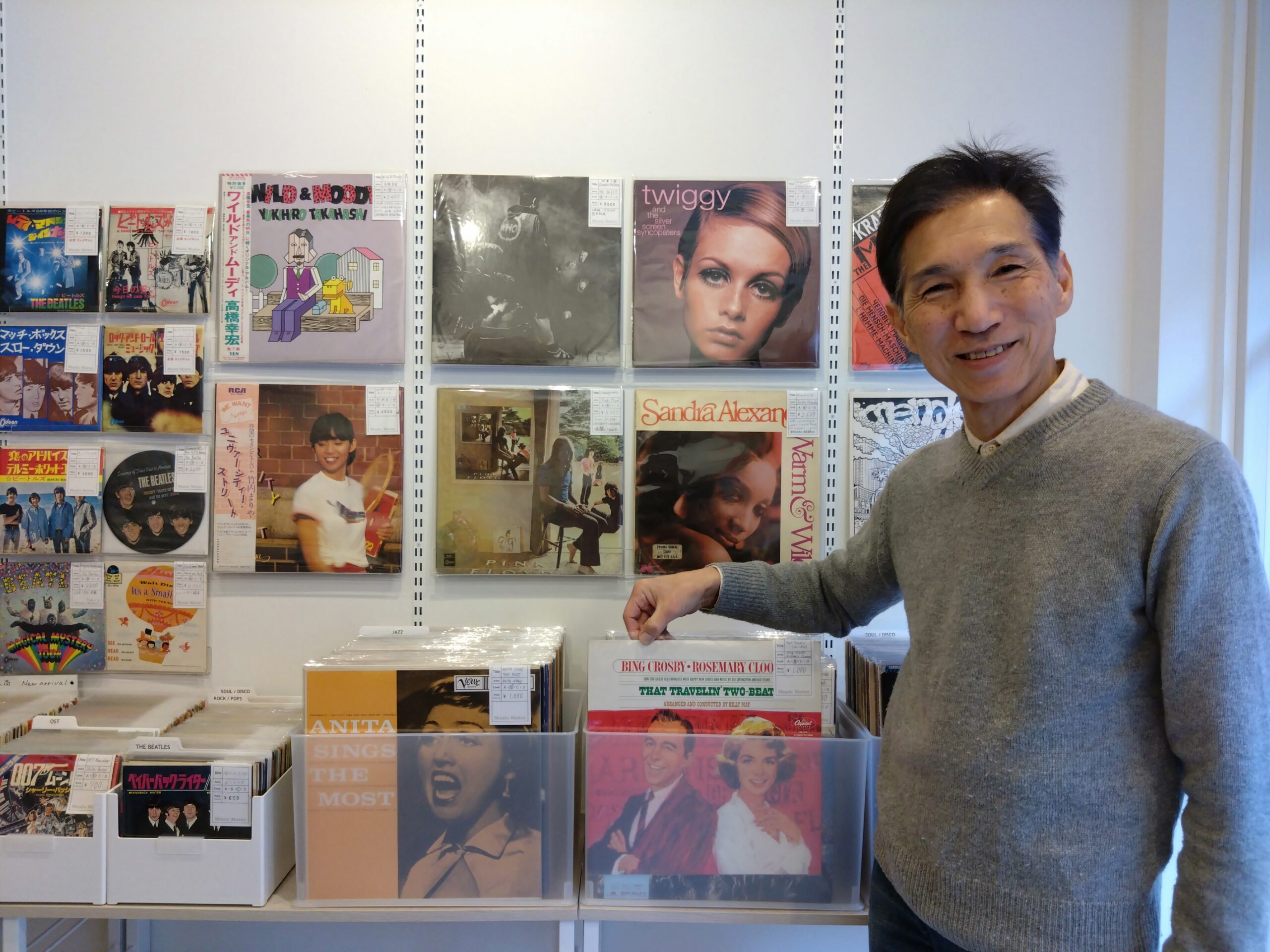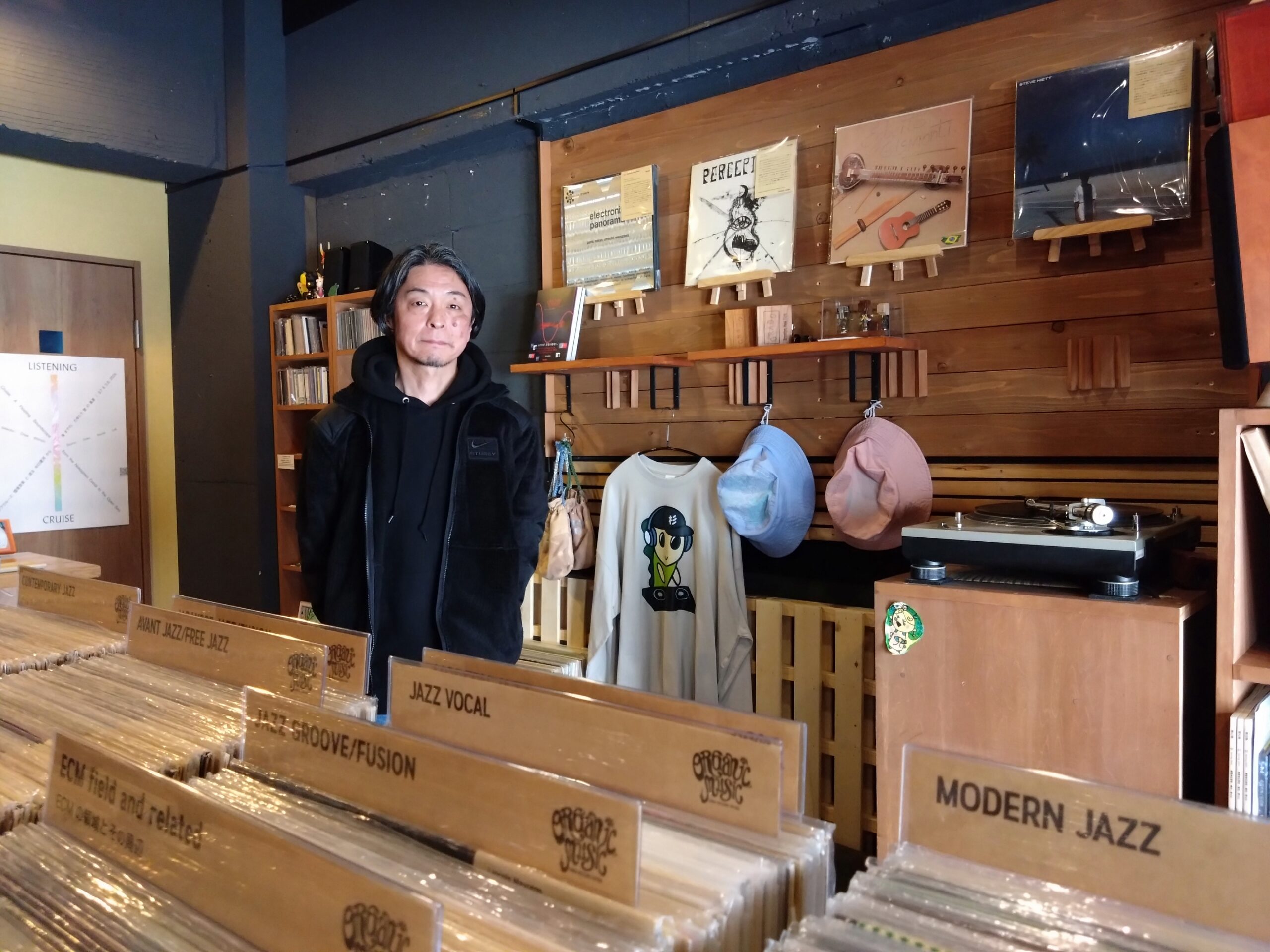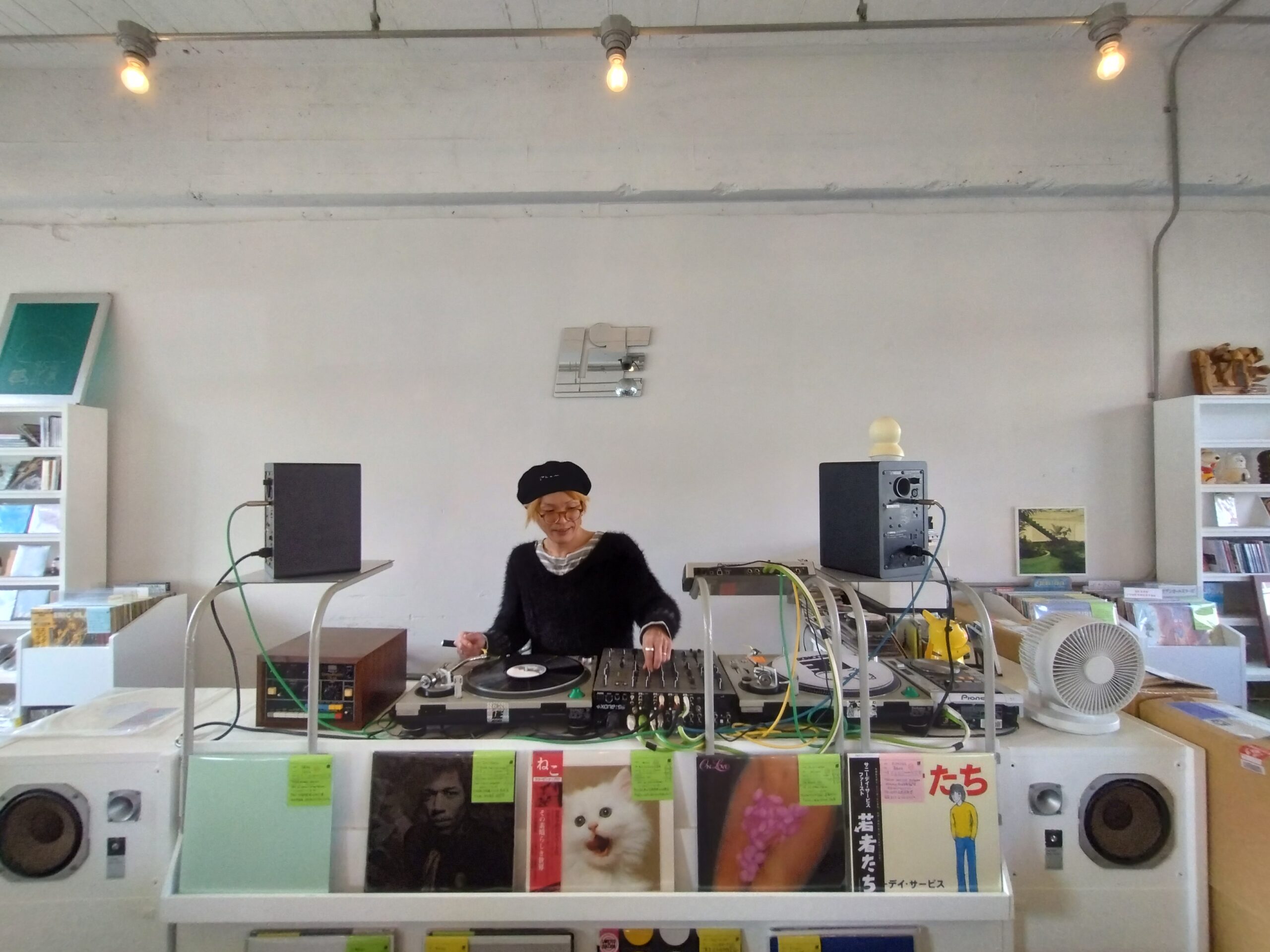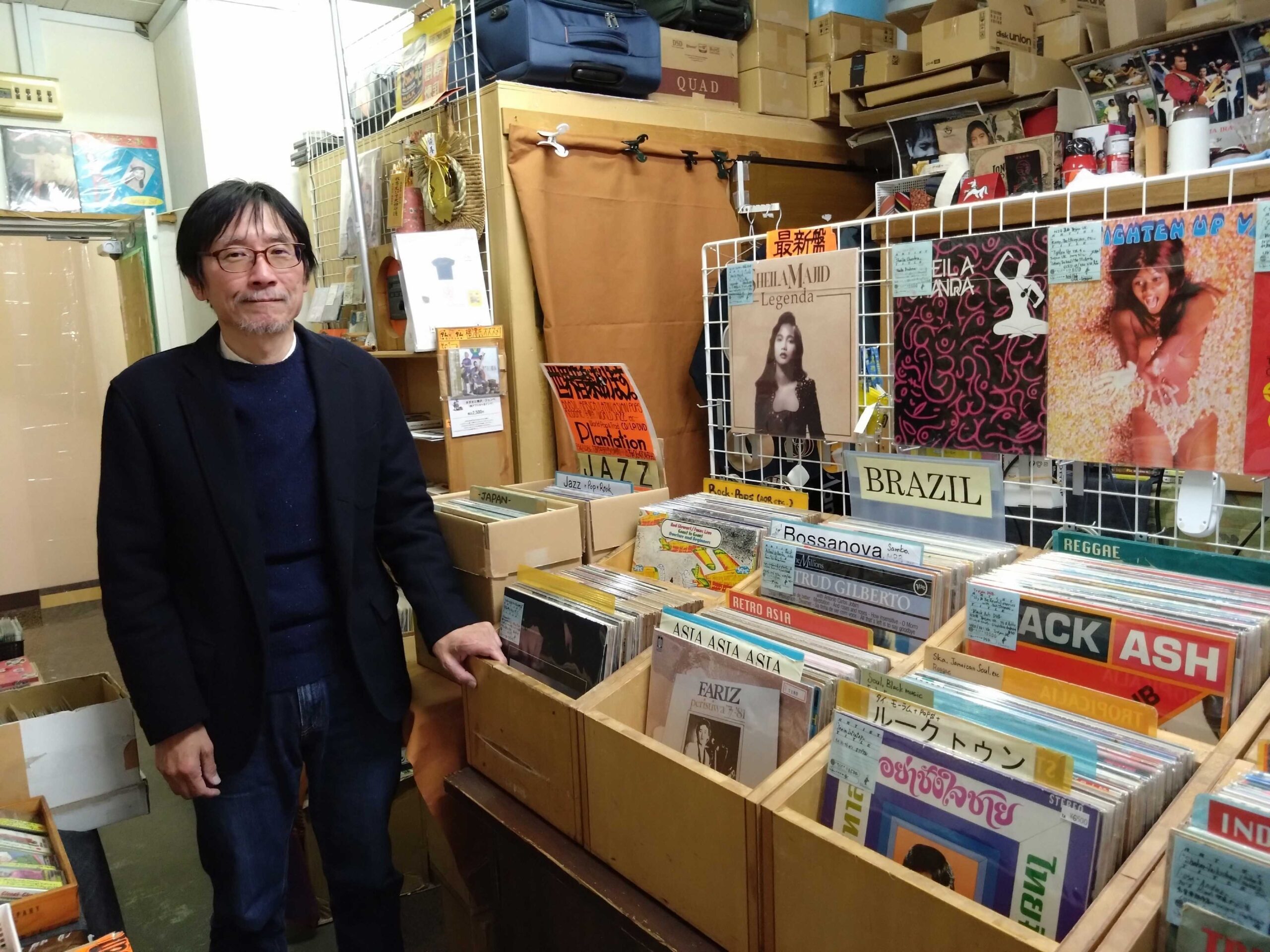
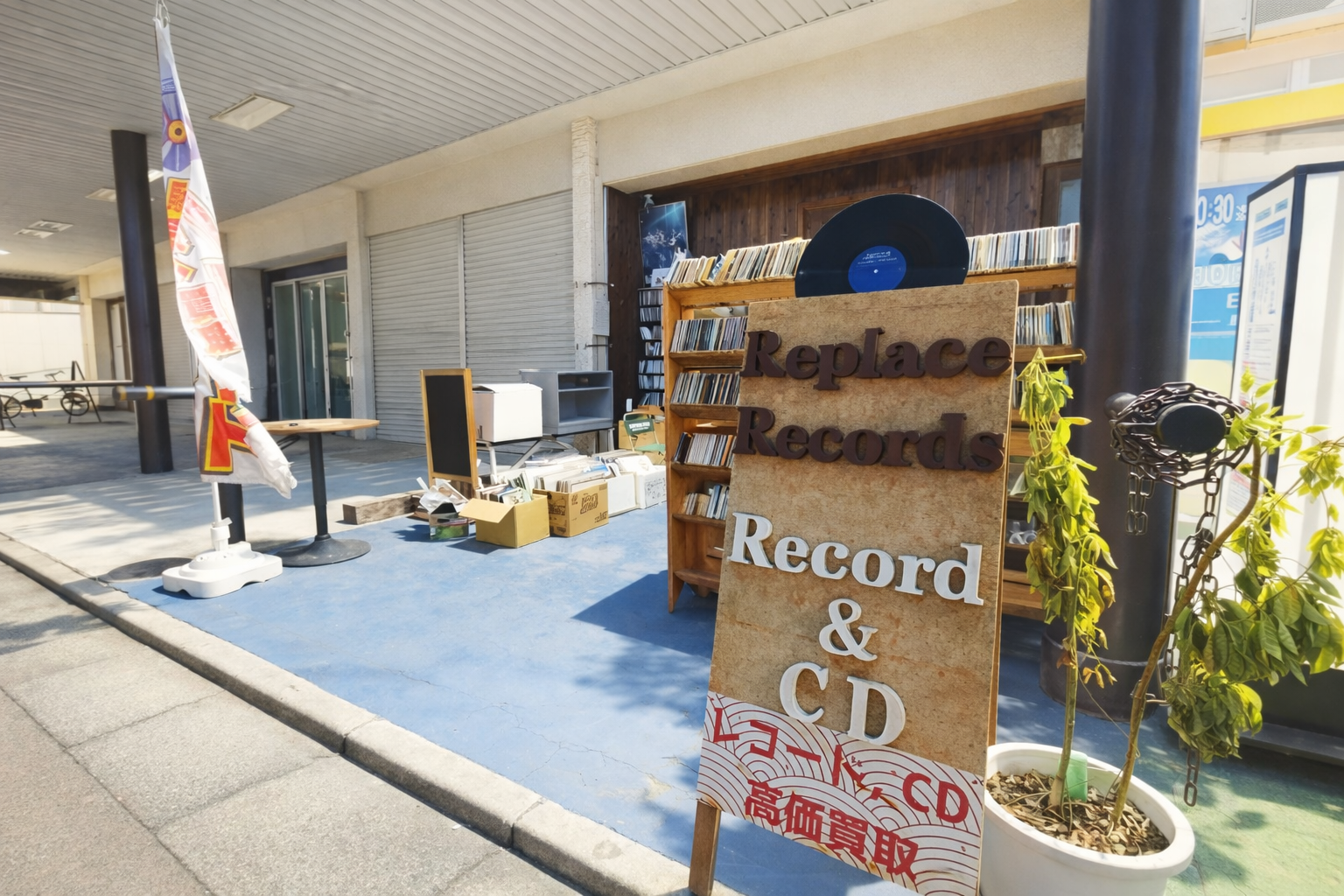
In Nishi-Ogikubo (hereafter, Nishi-Ogi), there is a feeling that independent shops overlap and coexist. Right beside the convenience of the station area, there are still places that have become shops in a way that includes the owner’s quirks, way of thinking, and the time they have accumulated. Replace Records was one such place, naturally at home in the atmosphere of Nishi-Ogi.
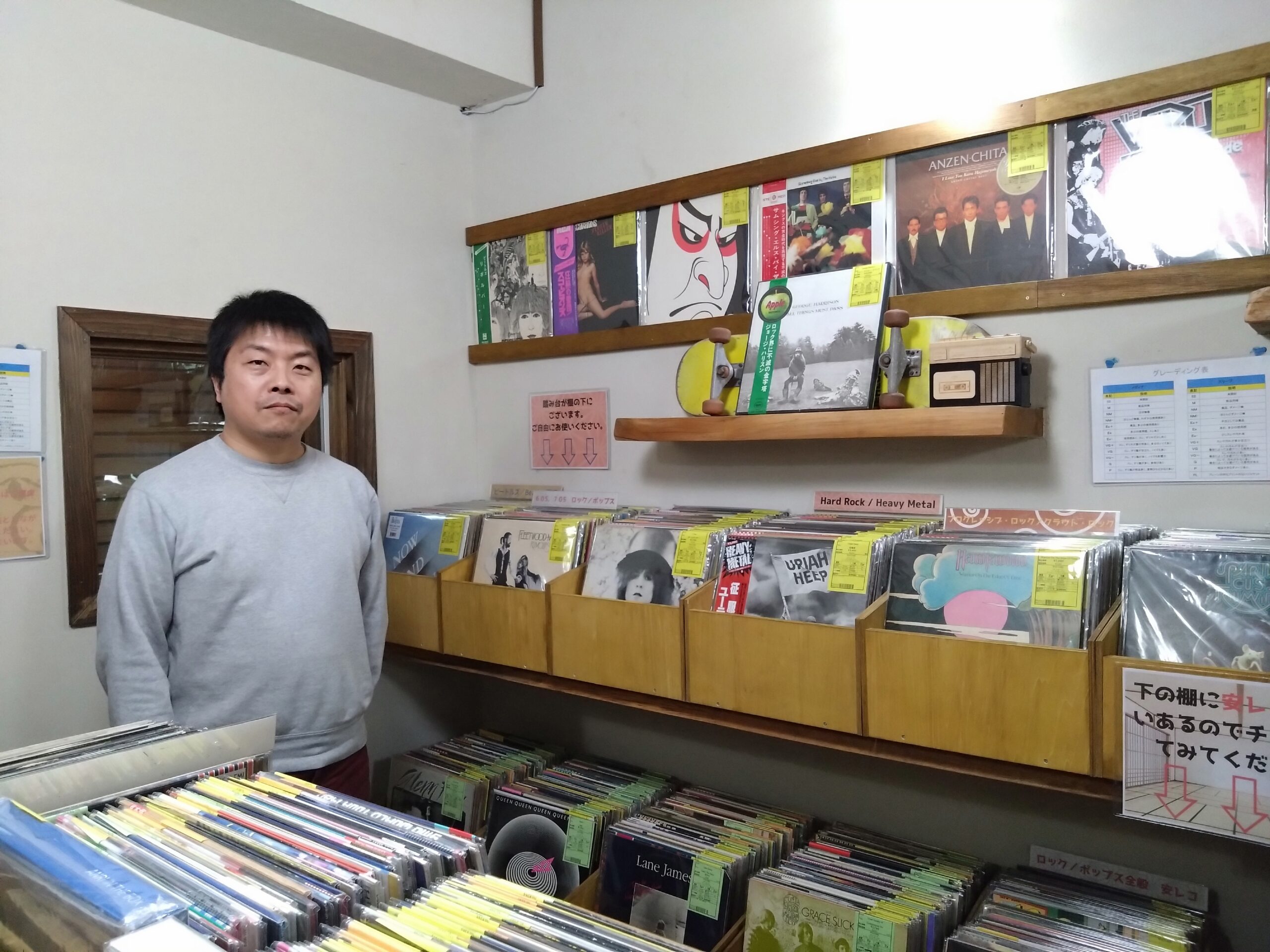
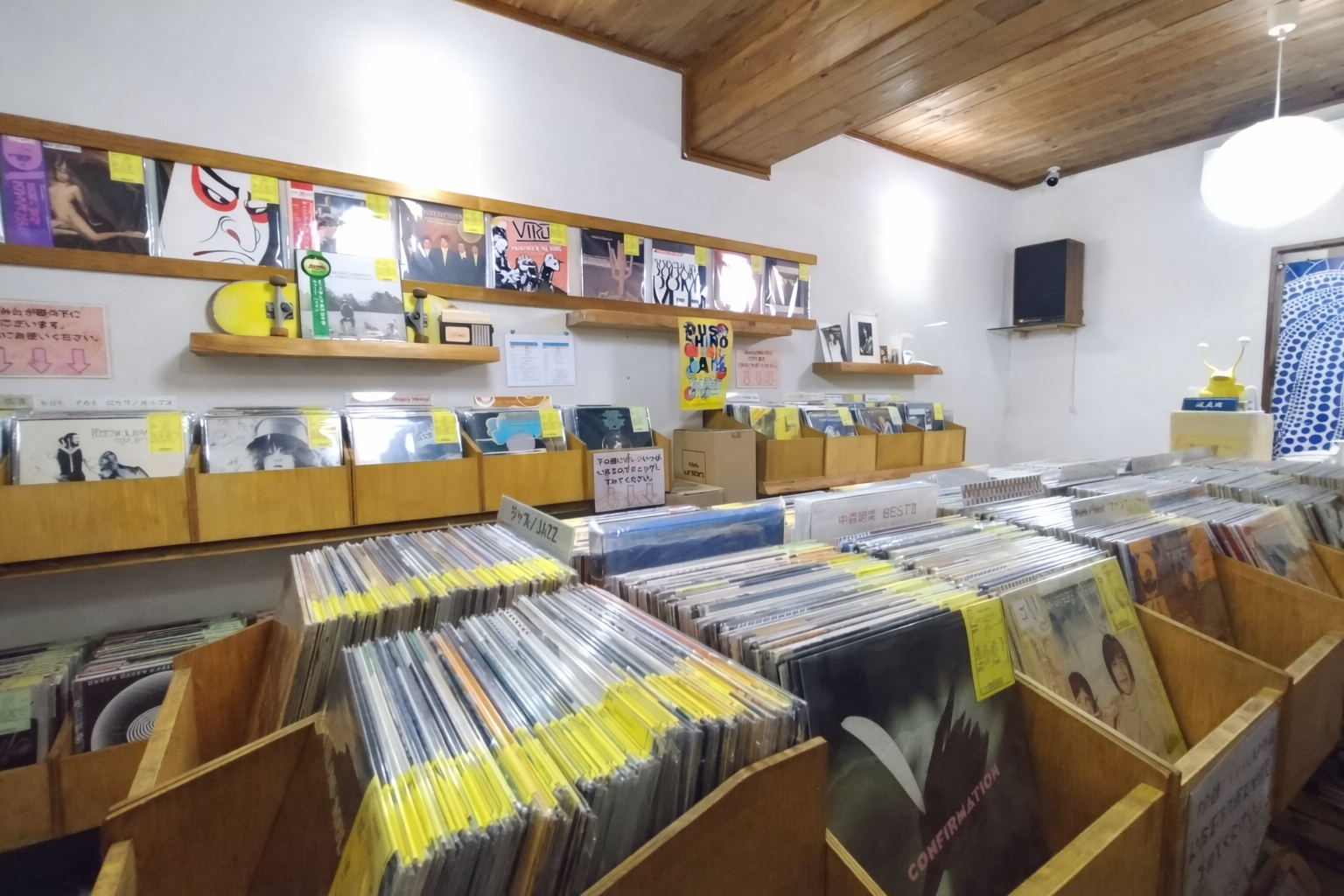
When you open the door, the first thing that catches your eye is the density of the shelves. Rock, jazz, Japanese music, soul, reggae. The genres are broad. But it is not simply packed in. Everywhere you look, it feels carefully seen, chosen, and arranged. At the very least, it was a set of shelves that clearly had “someone’s eye” running through it to the very end.
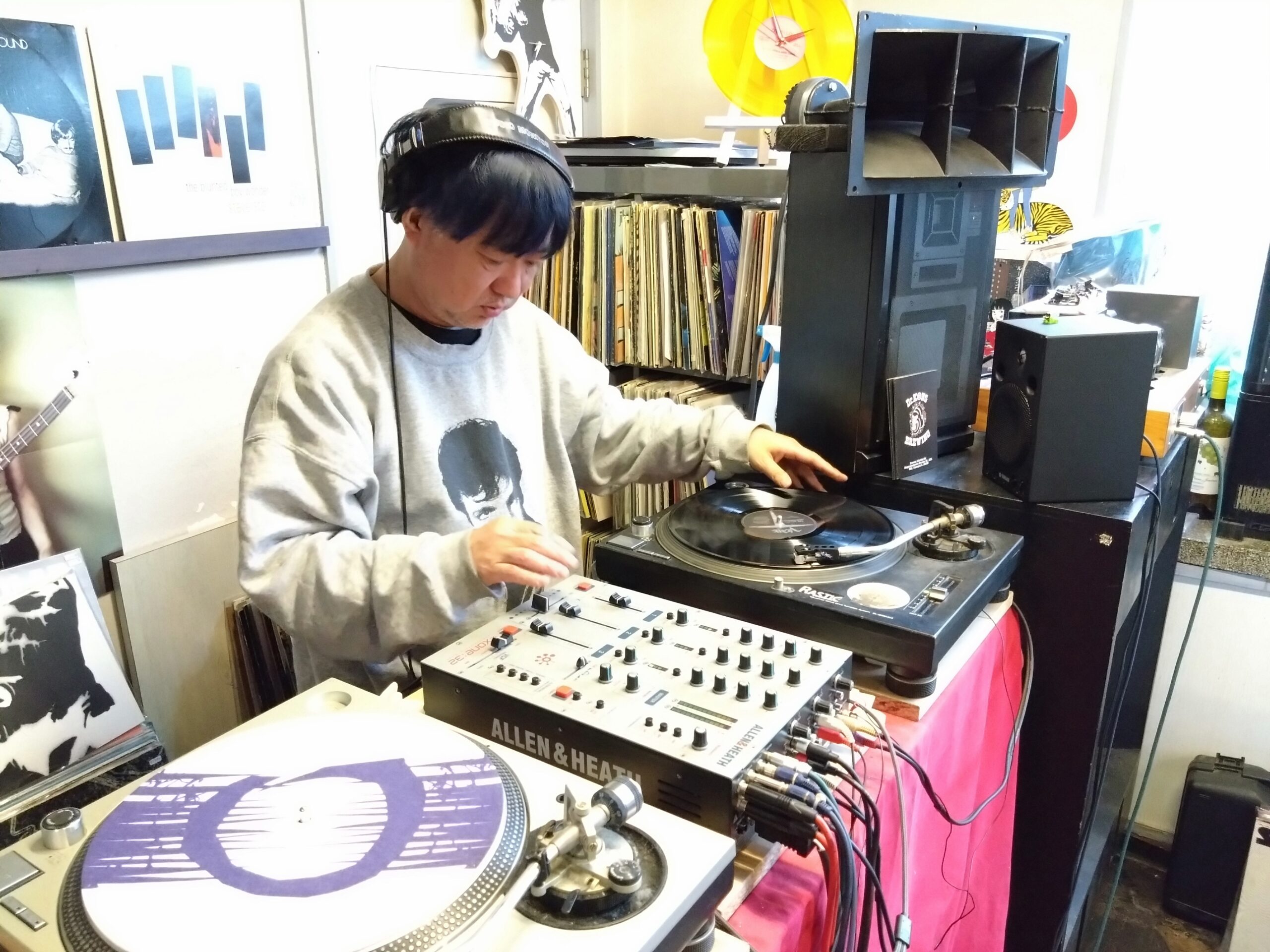
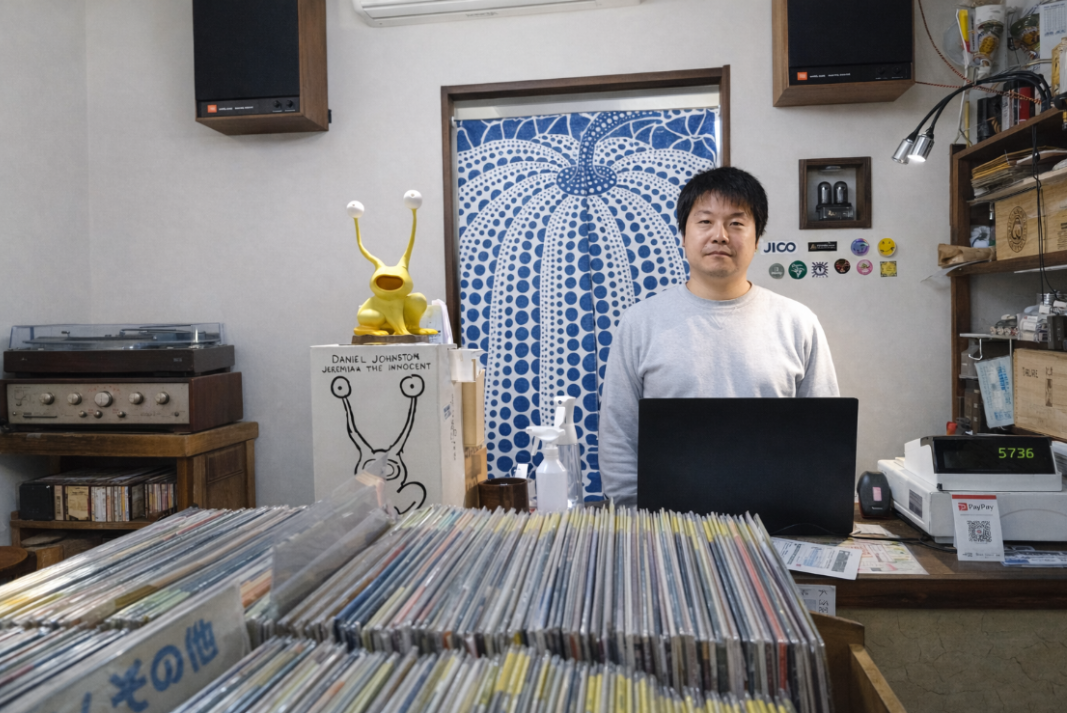
And it becomes clear almost immediately that this “someone” is not just any shop owner. He is someone who has spent years chasing records, collecting them, and thinking about them. Not only the records themselves, but how to find them, how to arrange them, and how to hand them over—he has taken all of that on with his own sensibility. That tactile feeling remains across the entire shop.
The appeal of this shop is not just its inventory or its wide range of genres. What lies deeper is that the owner, Kojima-san, is both a collector and a digger, and that sensibility runs through every corner of the shop. So here, more than the records as products, what is interesting is “what kind of person is behind these shelves, and what kind of passion made them.”
Replace Records is not a shop that leans heavily into one genre. What Kojima-san himself upholds is an “all-genre” approach.
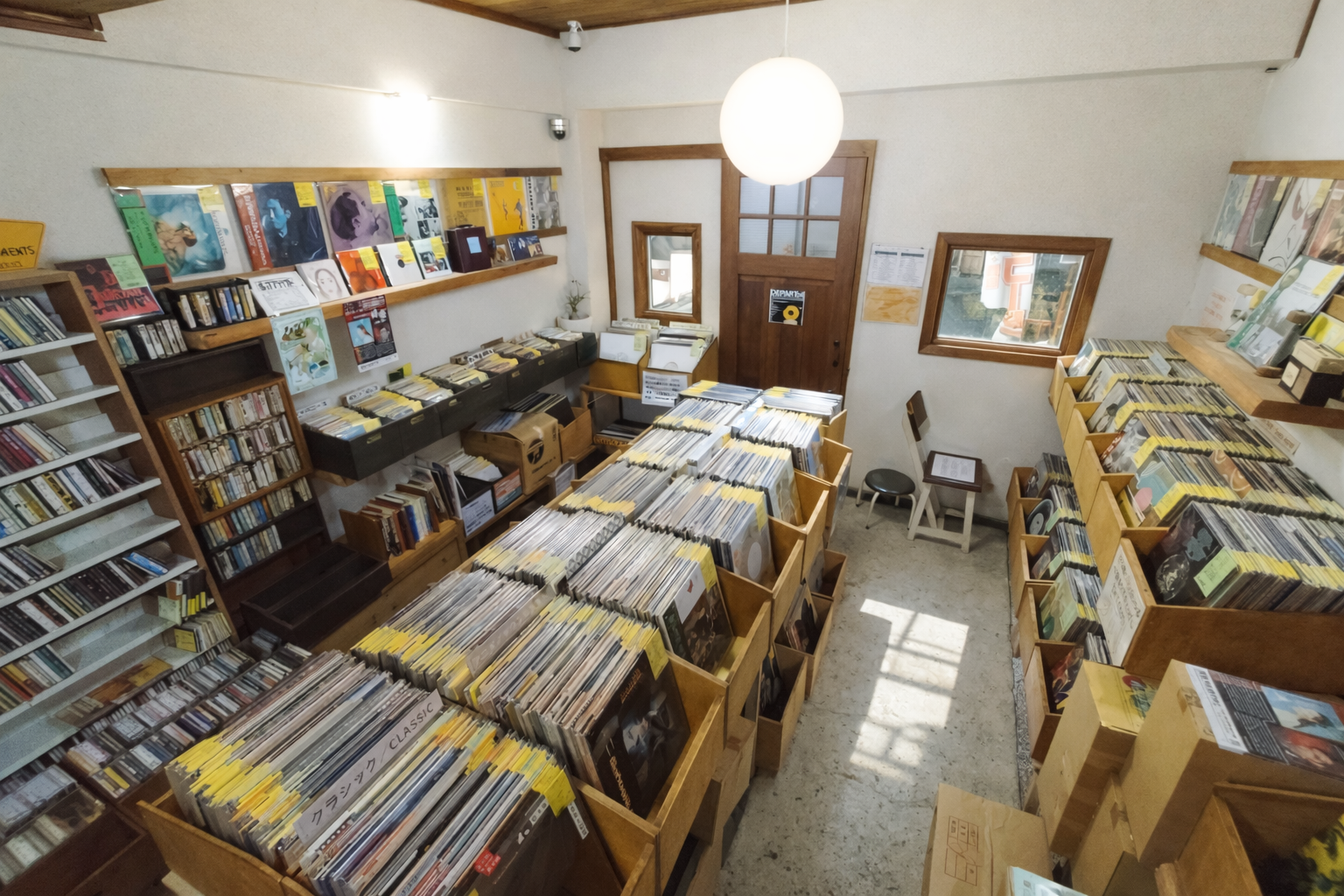
In this shop, even though Kojima-san has things he deeply loves, he does not place those things directly at the entrance to the store. Customers’ tastes vary enormously, so he does not want to close off any doorway. That perspective forms the foundation of how the shelves are built.
In fact, there is no sense in Replace Records’ shelves that says “only people into this genre are welcome.” It is deep, but not intimidating. From a beginner’s point of view, that is something to be very grateful for. I had imagined record shops as places where you are silently tested, but this is different.
There is a sincerity as a record shop in those words, beyond simply wanting to attract a wide audience. He wants to leave some kind of possibility for people who already know a lot, and for people who are only just beginning to love records. Because that feeling is there, this shop’s “all-genre” stance is not just broadness for its own sake, but broadness with meaning.
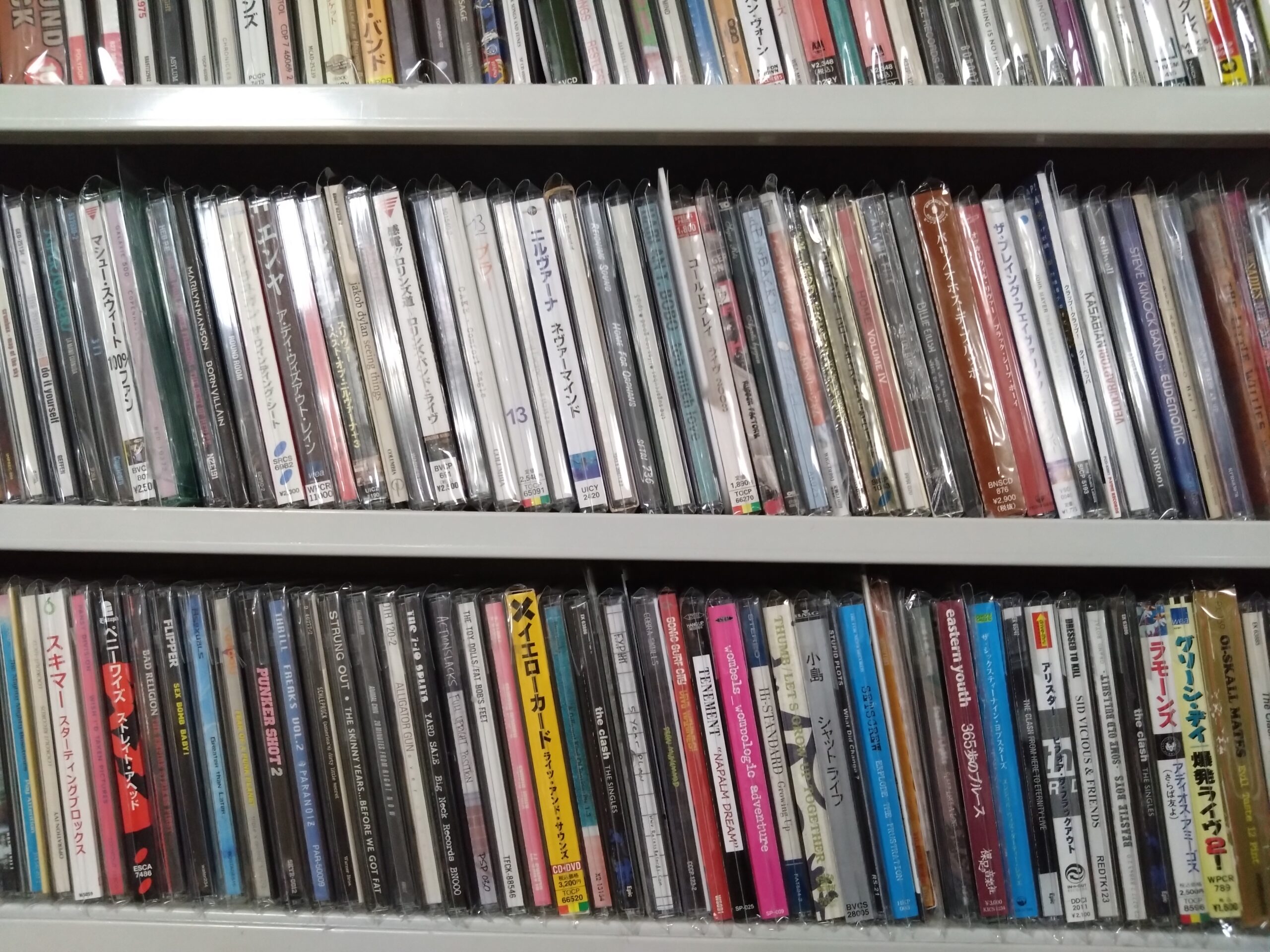
From the way he is now, Kojima-san might seem like someone who has naturally been surrounded by records all his life. But when you hear his story, the beginning is a little unexpected.
He was born in Etajima, Hiroshima Prefecture. He moved to Kitakyushu for university, and that was where he first bought a record. The reason was that an indie band he liked had released a non-album track on a single. He wanted to hear that song, so he bought a turntable along with the record. As an entry point, it was wonderfully direct.
At the time, though, CDs were still at the center of his life. He would request catalogs from overseas indie labels and order through postal money orders. By today’s standards, it was quite a labor-intensive way to do it. But he was willing to accept that inconvenience in order to keep chasing music. The quality of that passion seems not to have changed since then.
After starting work and being transferred to Shizuoka at around age 25, that passion began to shift direction. At a nearby used bookstore, he found a large number of LP versions of albums he already owned on CD, and he realized they held far more value than he had expected.
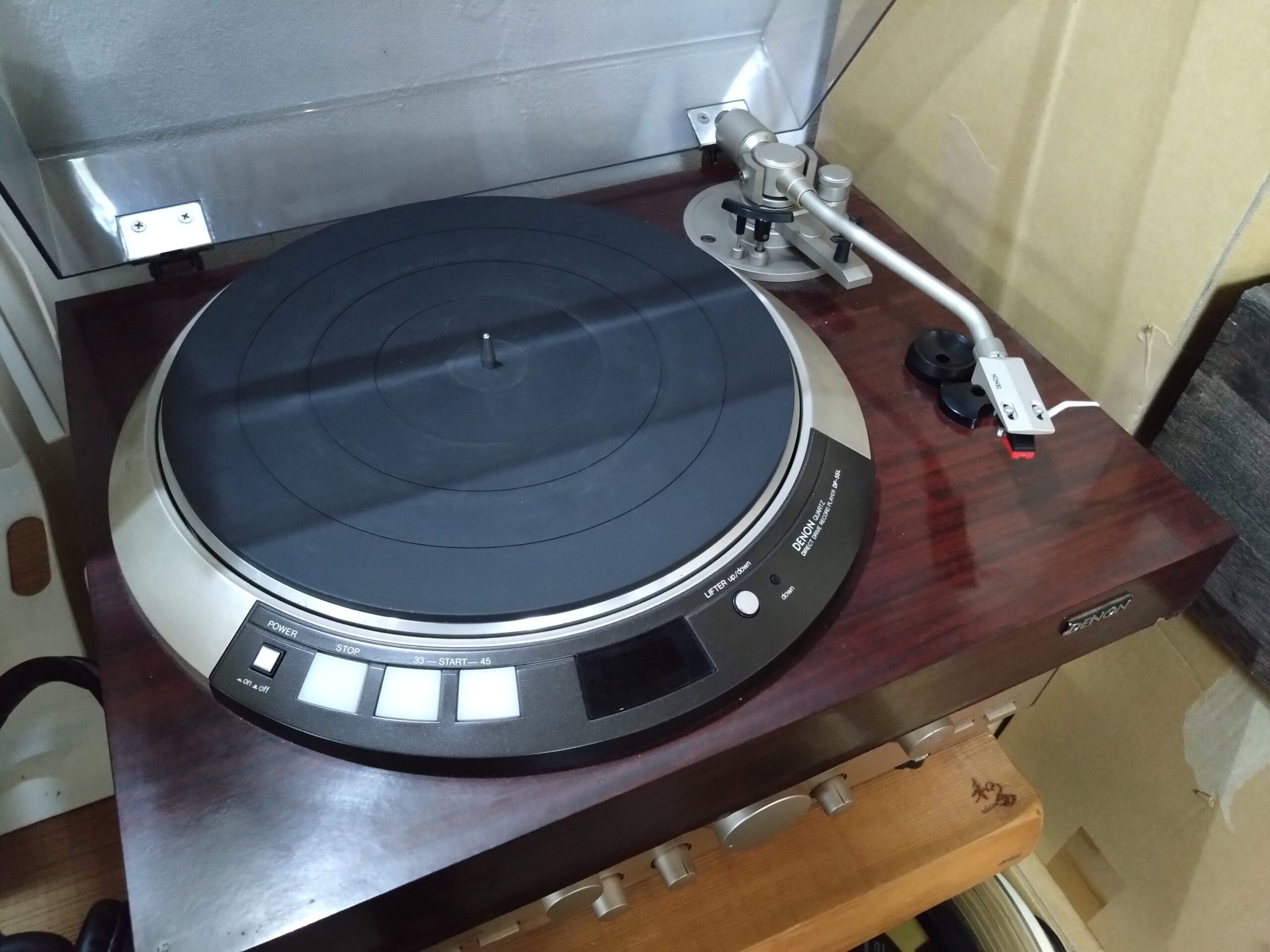
That is this person’s turning point. Kojima-san does not romanticize why he was drawn to records more than necessary. He does not say only, “because they sound better.” He spoke quite frankly: what first captured him was their appeal as objects, and their strength as things to collect.
Certainly, records have elements that stimulate a collector more than CDs do. The size of the jacket, differences between pressings, the presence or absence of an obi strip, the wear of the paper, the worn corners. All of these transform music from something merely “to listen to” into something “you want to keep close at hand.”
The unique heat in the shelves at Replace Records probably begins here. He loves music. But at the same time, he cannot help wanting to collect the physical objects that package it. The signs of that attachment exist long before this shop ever began.
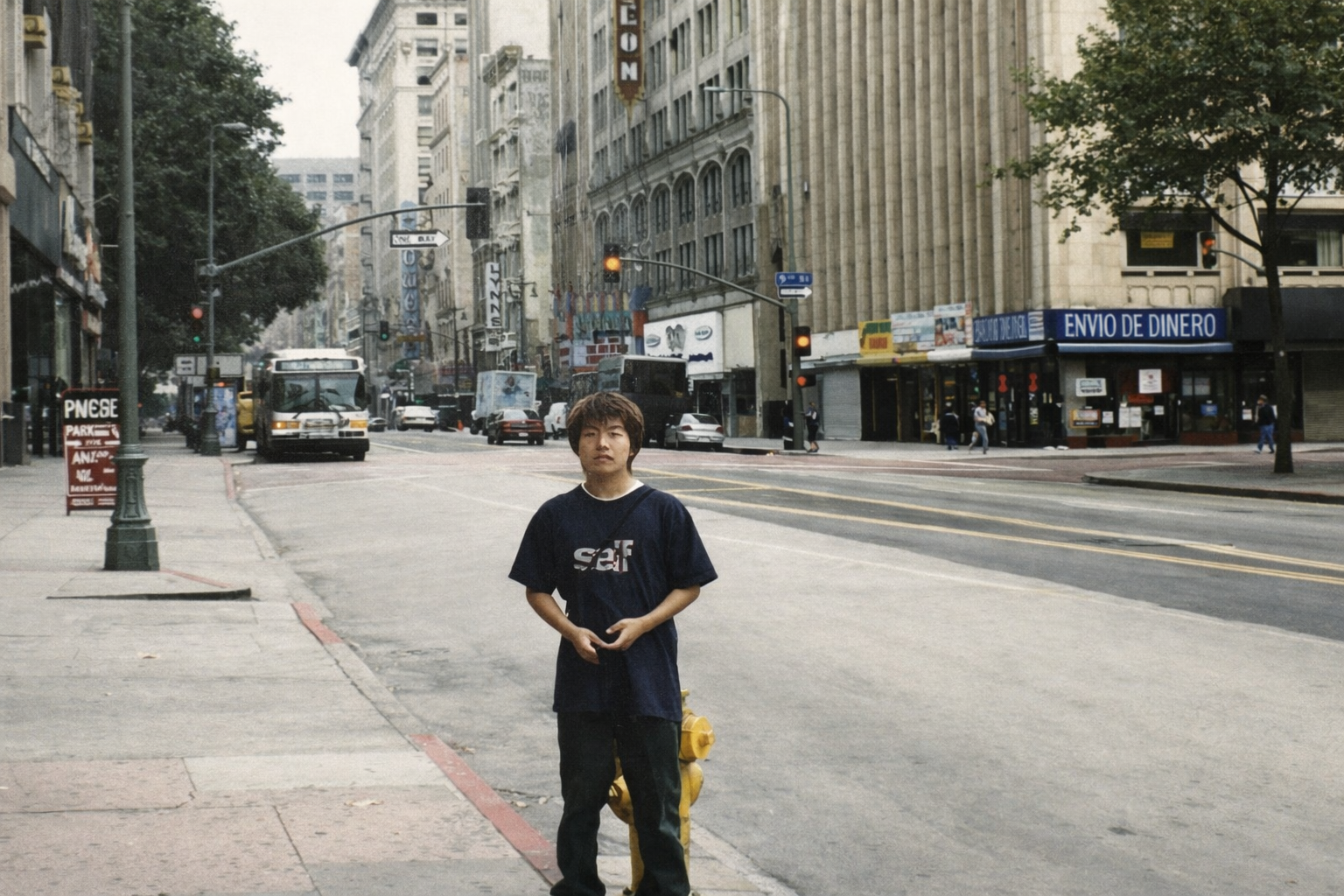
He says he began thinking about opening a record shop at around age 28. From there until he went independent at 40 was more than a decade. This was not something that began in a short burst of momentum.
What he did during that time was very simple: collect records, and save money.
It is easy to talk about dreams. But he was preparing over a long period of time with the real intention of opening a shop someday. There was, of course, discussion with family. He says there was a time when he imagined doing it around age 35, but in the end, age 40 was where he settled.
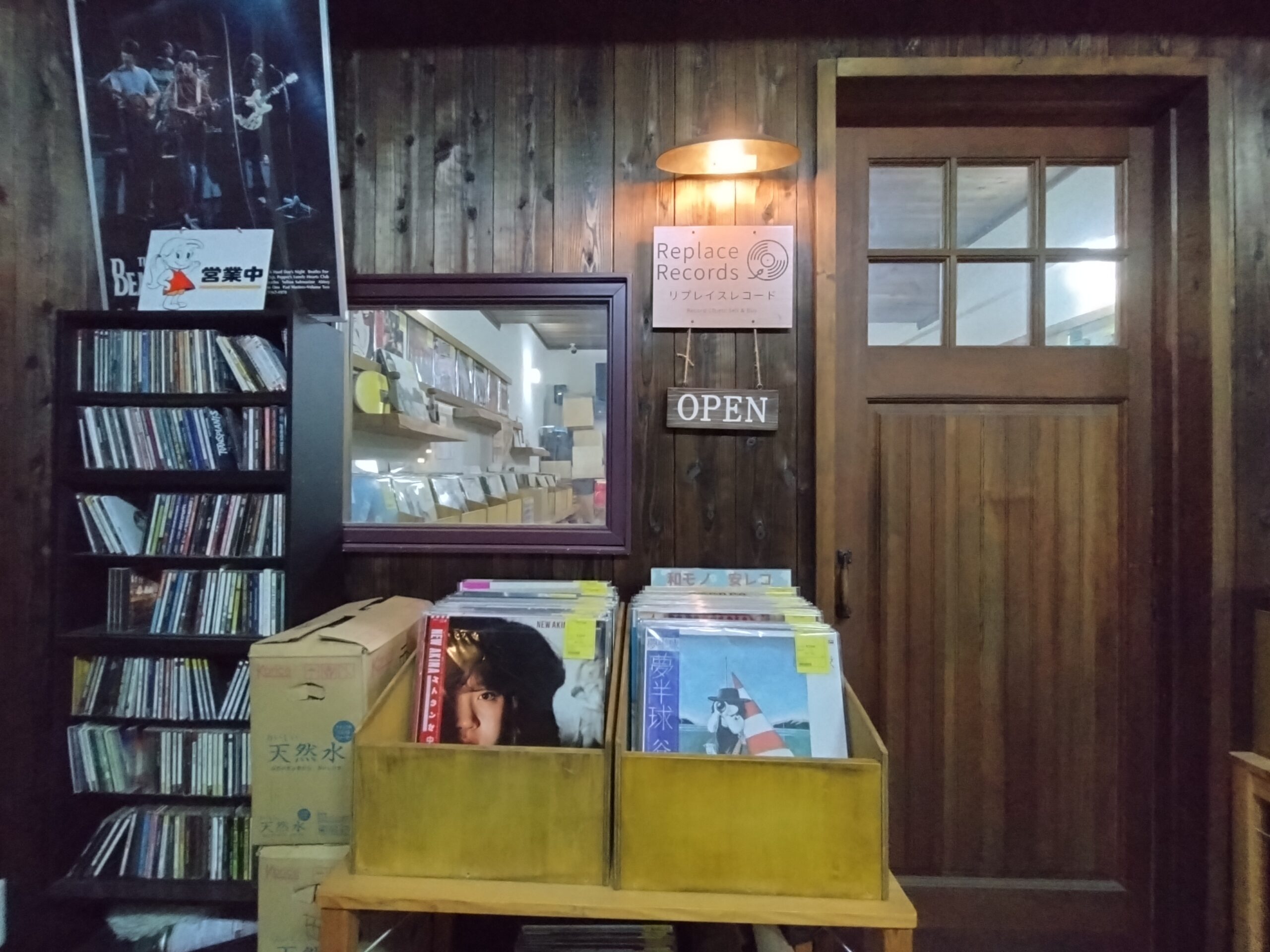
That decision was also reflected in how he thought about stock. If he started the shop and immediately ran out of records, he would not be able to continue. So before opening, Kojima-san gathered a very large number of records himself. In the end, the number reached about 40,000. Looking at the figure alone, it hardly feels real.
He said it lightly, but behind that lightness is the weight of a long preparation period. He collected because he loved records. But at the same time, he collected in order to keep going. Not as an extension of a hobby, but as preparation for the responsibility of having a shop. That is why those 40,000 records carry such conviction.
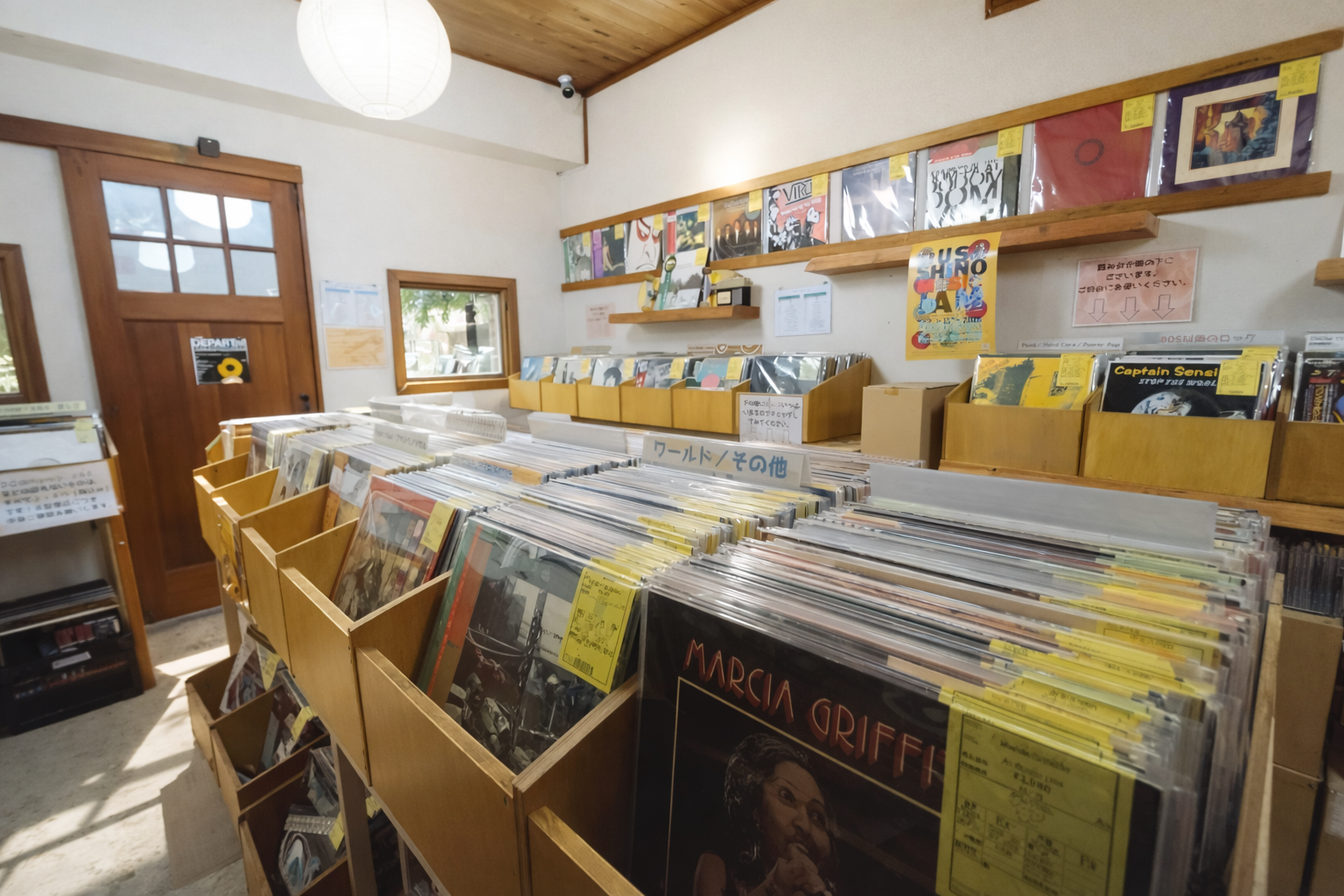
Running a shop alone is, of course, not easy. You look through the records you buy, clean them, check their condition, price them, and turn them into items ready for the shelves. That process takes time. But from the way he spoke, Kojima-san seems to receive that difficulty as “something enjoyable.”
Many people love to look through the new arrivals section. But buying records is even further back than that. No one has seen them yet. No one has touched them yet. They are at their freshest, before they ever reach the shelves. For someone who has long lived as a digger, it may be perfectly natural that this is the most stimulating place of all.
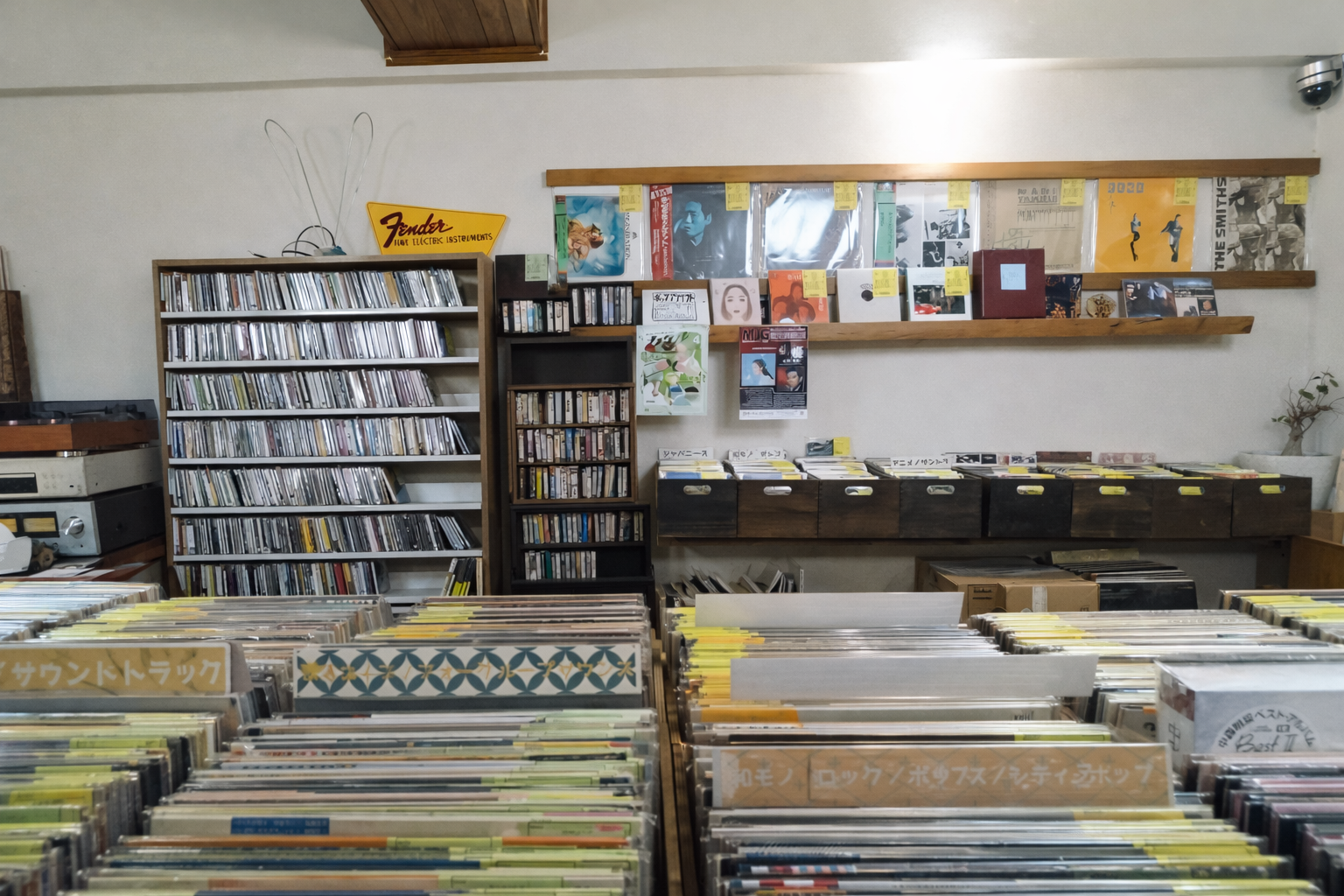
That heat also connects directly to pricing. It is not about selling for the highest possible price, but about asking how he himself would feel as a buyer. Would this price make him happy? Would it feel right? That is how he thinks while setting the price.
Because that sensibility remains, there is a peculiar sense of conviction to the pricing at Replace Records. It does not feel as though it is decided only by the seller’s convenience. The former buyer is still clearly present inside the shop owner. That is the heart of the shop.
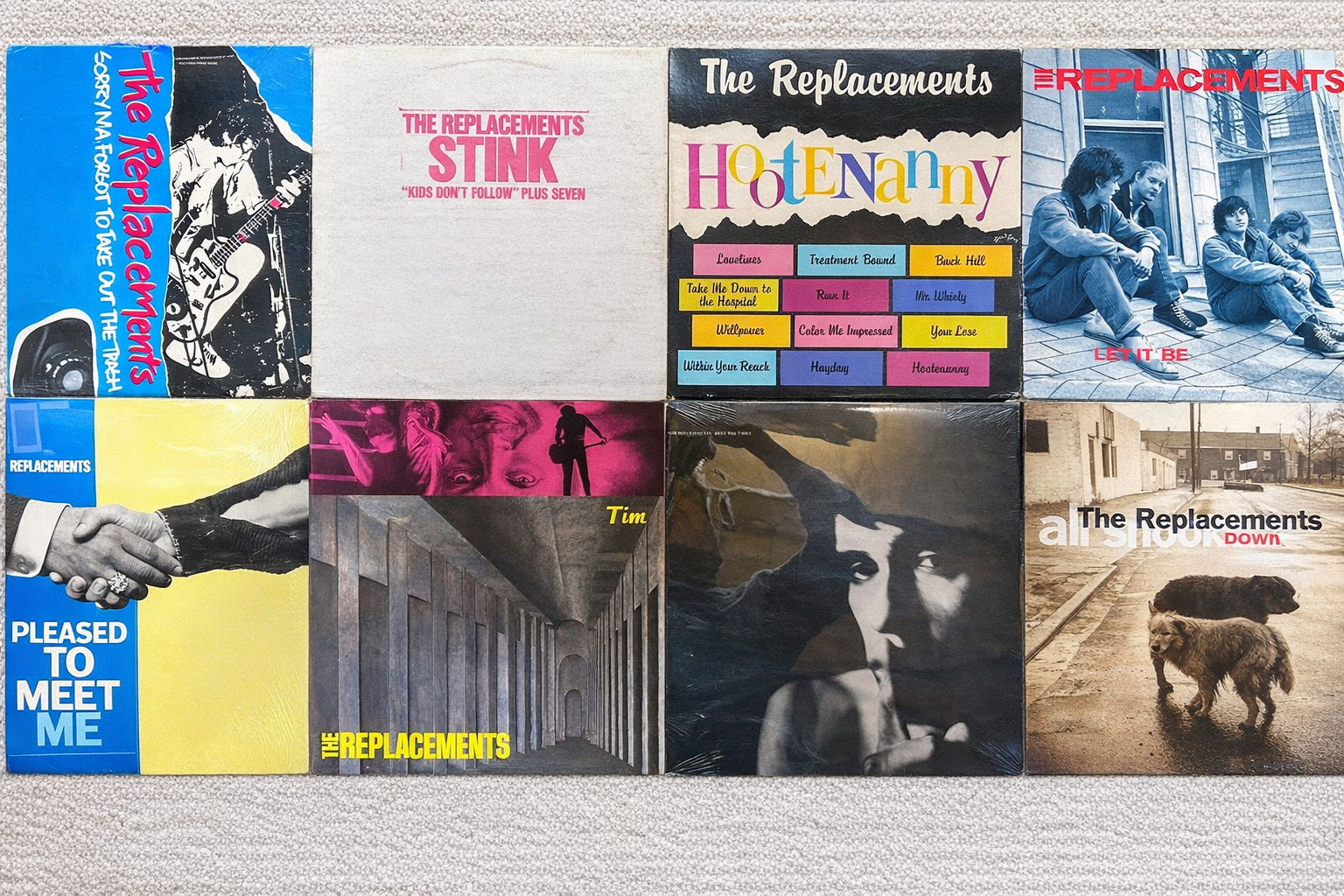
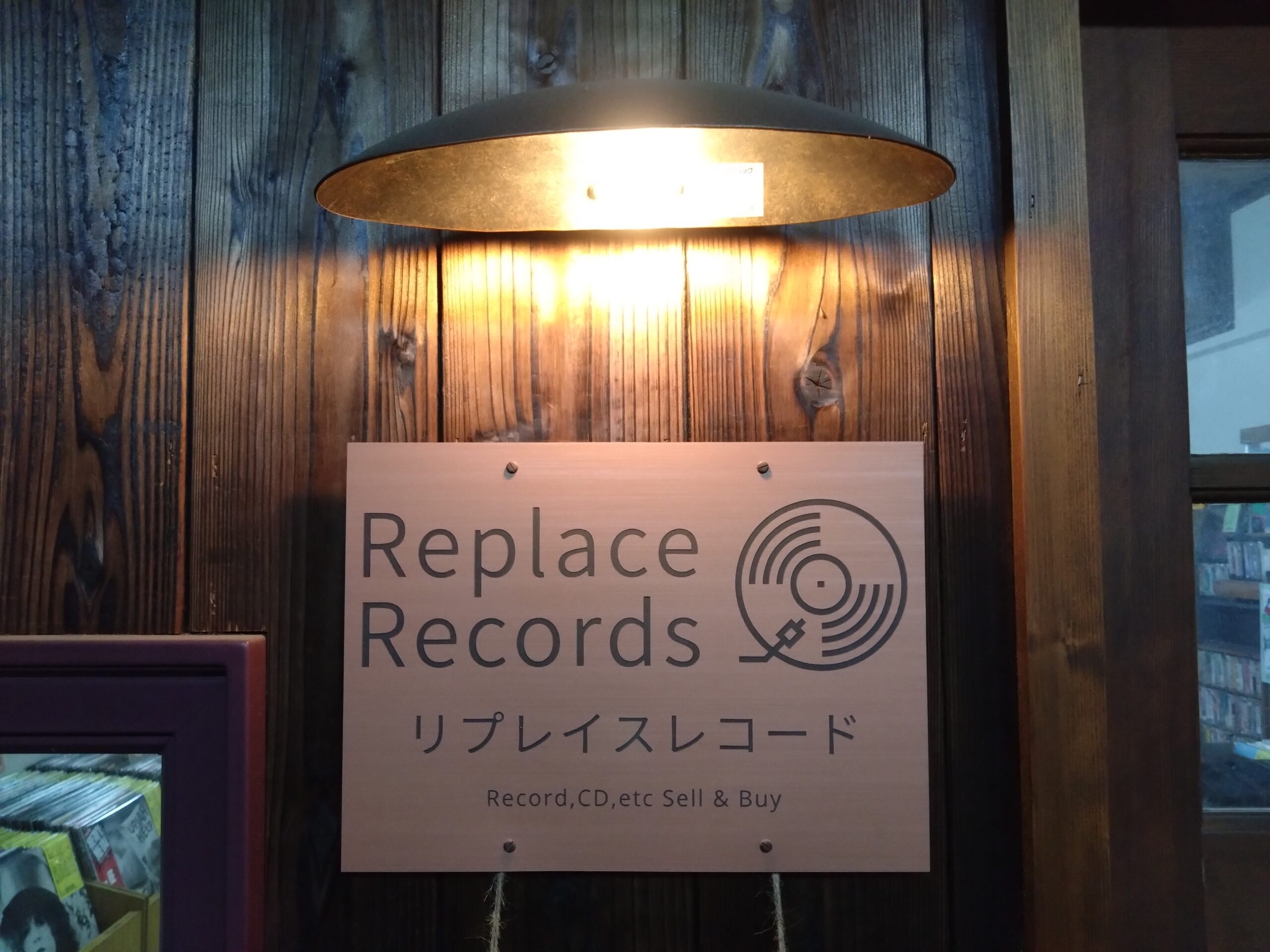
The name Replace Records comes from the American band The Replacements. The moment this topic comes up, Kojima-san’s temperature clearly rises a little.
He first encountered them in his second or third year of high school. Since then, they have remained his favorite. It is difficult for him to pick just one album, and even the related works are all special. That was how he spoke about them.
What is striking here is that this “love” is not closed off as a simple memory of youth. He has continued to dig into not just the music itself, but also the lines of influence and the connections to later bands. He cannot simply leave what he loves alone. That too is a very digger-like way of loving something.
What Kojima-san spoke about most memorably was his sense that The Replacements are still not sufficiently known in Japan. Compared to their importance as a band that influenced many famous acts that came later, their appeal has not fully reached people yet. That frustration quietly showed itself at the edges of his words.
Hearing that changes the way the shop name looks. The store may be all-genre, but at the core of Kojima-san’s life there is one point that has never changed. The fact that he does not hide that point and present a more neutral face gives the shop a feeling of trustworthiness.
One thing that stayed with me from this interview was Kojima-san’s realization that he likes watching people grow into records even more than he had thought. Not just the records themselves, but the way someone looks at them, chooses them, and comes to love them more deeply—that change is what he enjoys seeing.
Those words do not mean he only likes the “hardcore” customers. Kojima-san himself has spent years chasing records. That is exactly why he naturally feels sympathy and a sense of camaraderie toward people who explore and deepen what they love in their own way.
But that is completely different from pushing away beginners or intermediate listeners. Rather, he seems to find joy in the process itself: starting with a first record, slowly learning how to see a shelf differently, broadening the genres one reaches for, and deepening the relationship with records. In that sense, what he means by a “digger” is probably less about someone who simply knows a lot on the surface, and more about someone who keeps exploring what they love in earnest.
So in this shop, customers are not seen simply as “people who come to buy.” Even someone who is only at the entrance now may one day develop their own kind of passion. There is a feeling of being seen as a future kindred spirit. The relationship is closer to companions gradually coming to love the same thing, rather than merely shop owner and customer—and that atmosphere is very much present here.
At the same time, Kojima-san does have a clear standard.
It is fine if someone buys nothing. It is fine if they did not find what they wanted that day. But it should not end with “there was nothing here.” Instead, he wants them to leave thinking, “I didn’t find it today, but it felt like there was something here,” or “Maybe I’ll find something different next time.” That feeling runs through both the shelving and the way he interacts with people.
That is why he is conscious of pricing things so that people who understand will want to come back, and why he naturally speaks to customers who seem to be beginners. He does not push his way in, but he does not simply leave them alone either. That sense of distance feels very natural in this shop.
Nishi-Ogi is a place where people accept the individuality of a shop as part of the whole. A place like Replace Records, where Kojima-san’s personality and ideas have become the shop itself, really does suit this neighborhood.
Just as that slightly blunt but somehow convincing description of the area suggests, Replace Records has the strength of a true independent shop. Beginners may find their very first record here. More experienced listeners may find Kojima-san’s digger sensibility in the way the shelves are arranged and the way the prices are set.
And for both kinds of people, this is probably a place where what increases is not so much the reduction of the unknown, but the fascination of it. Replace Records is that kind of record shop.

|
||
|
||
|
||
|
||
|