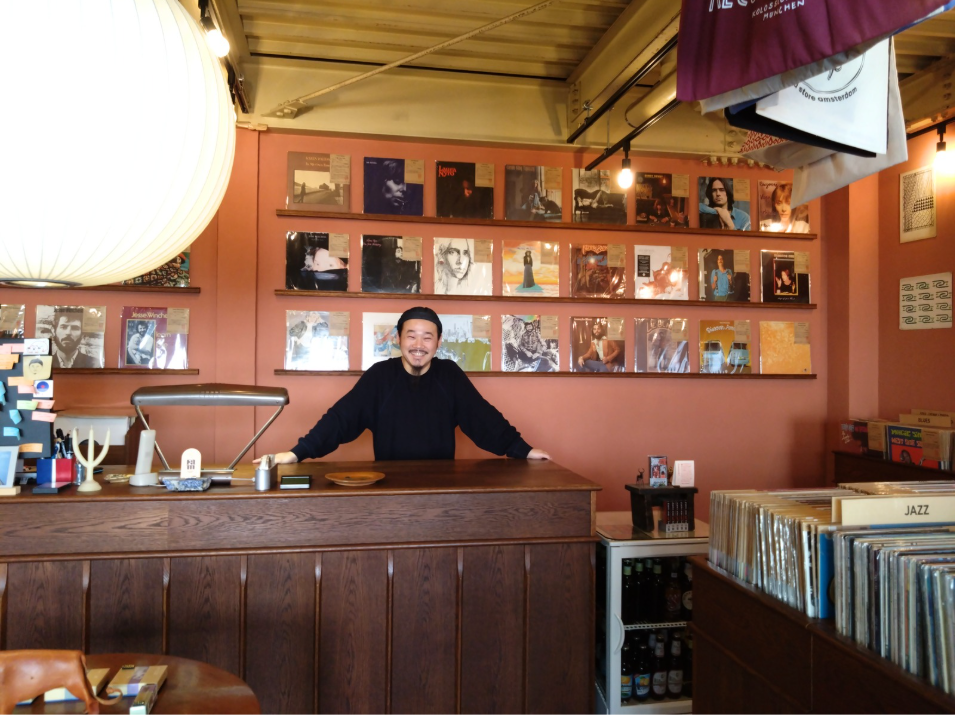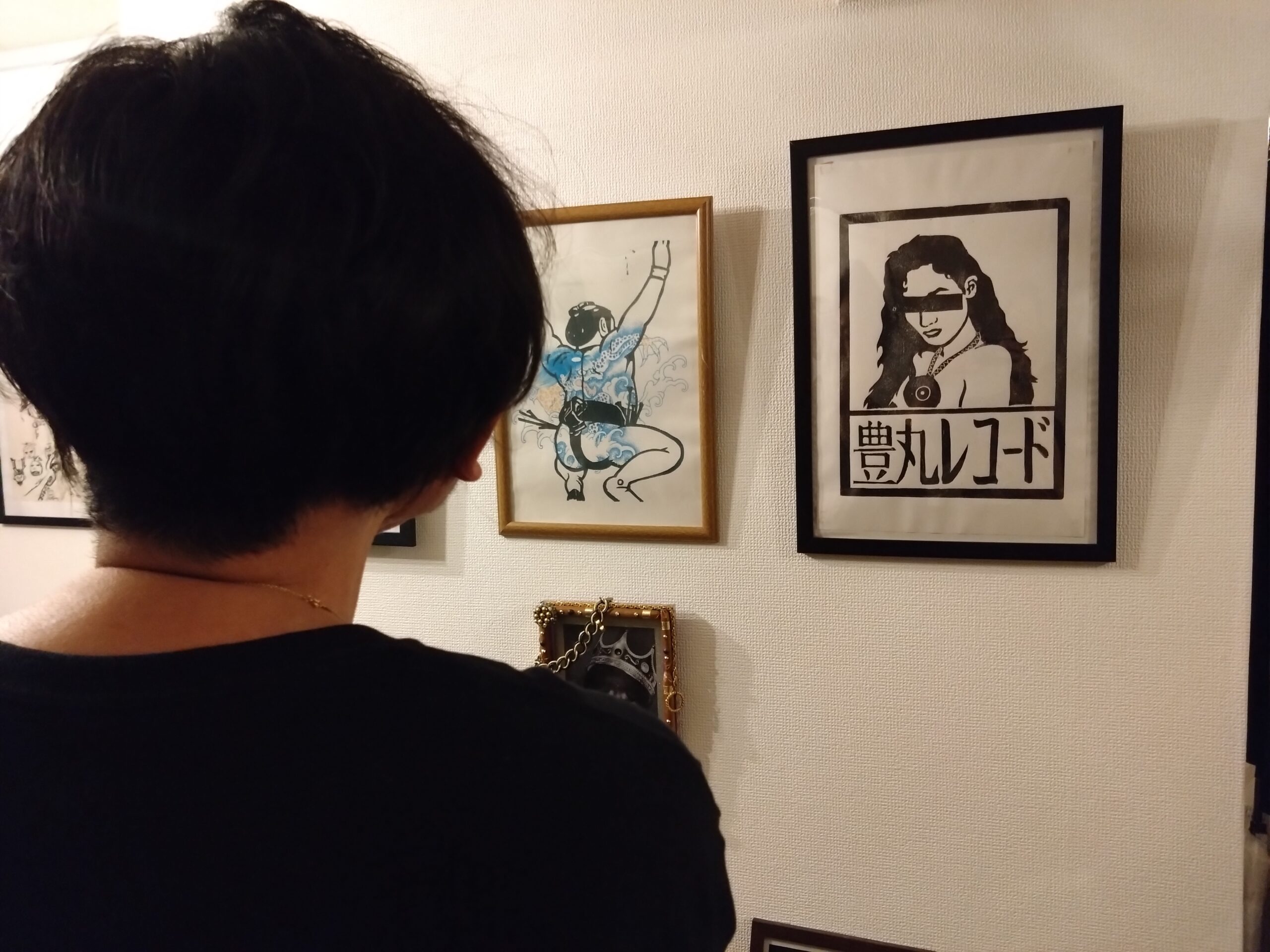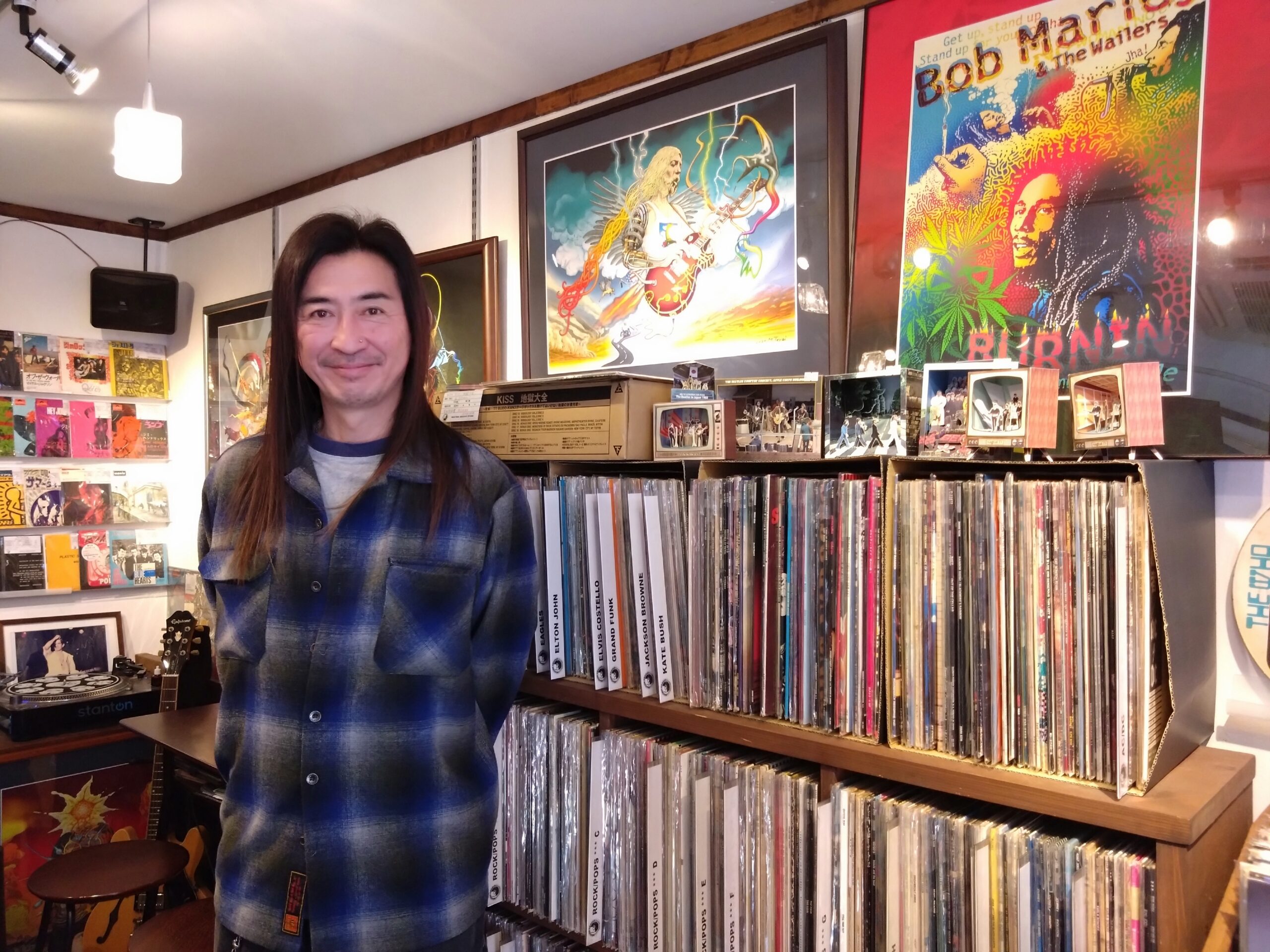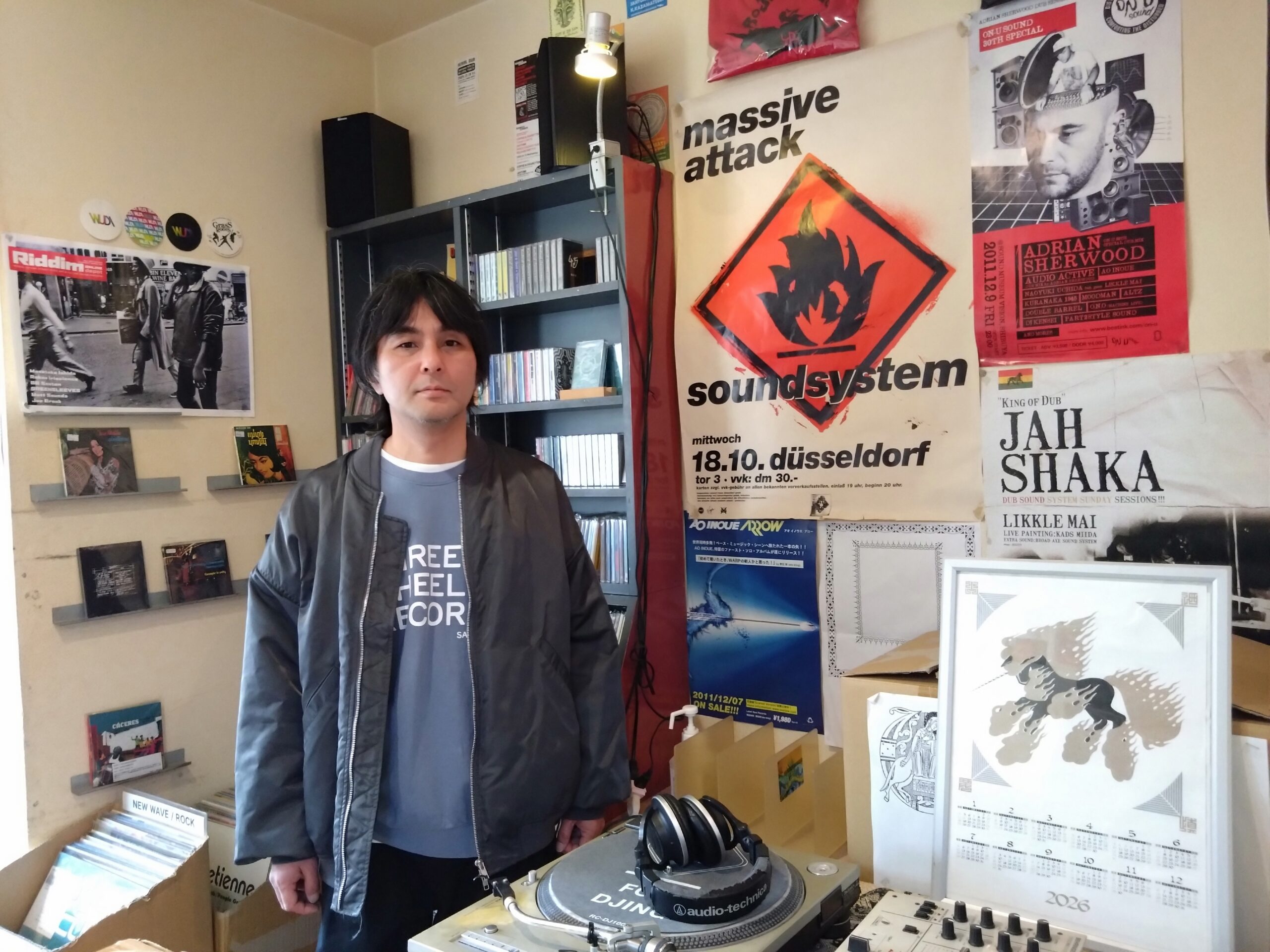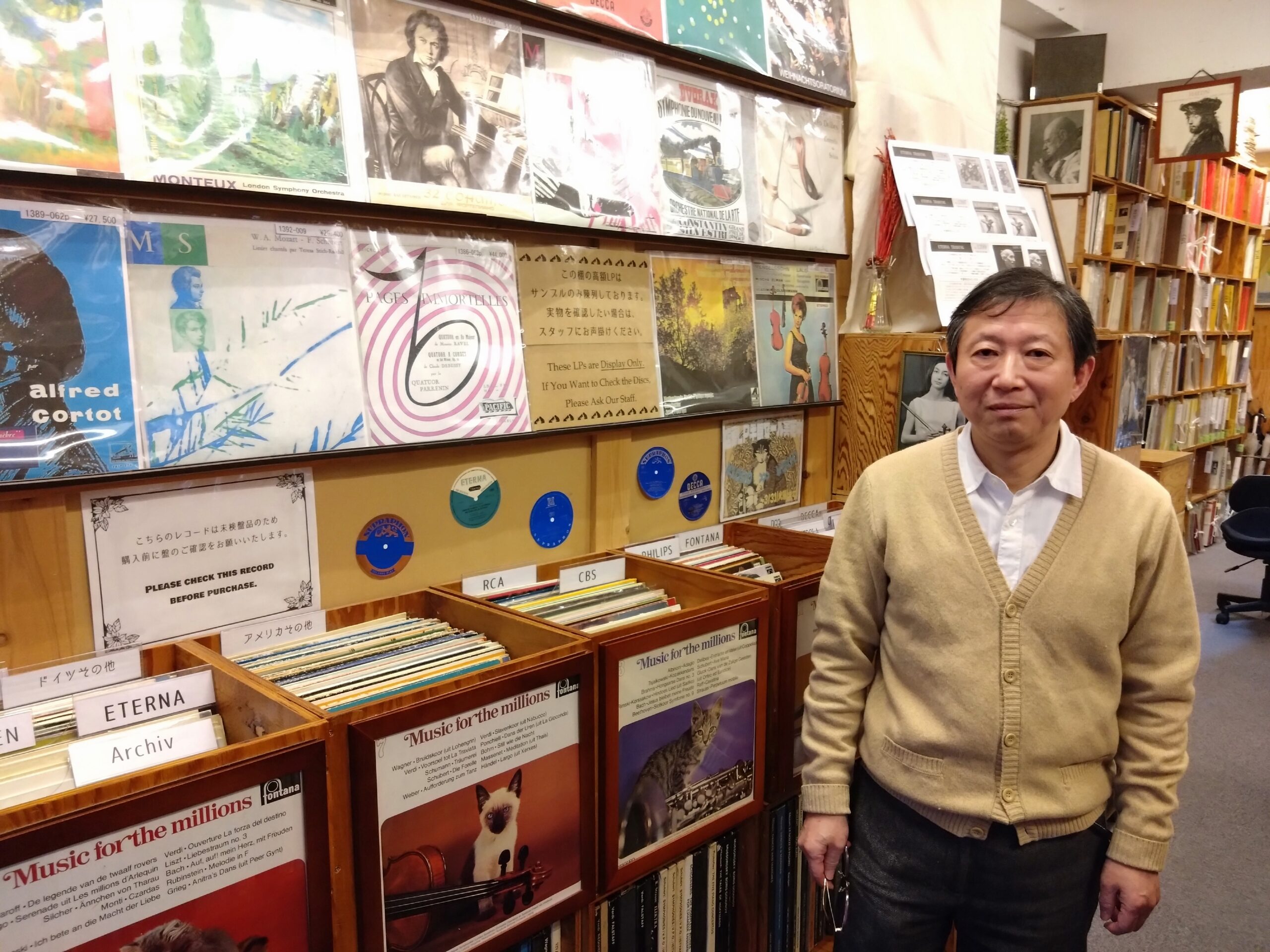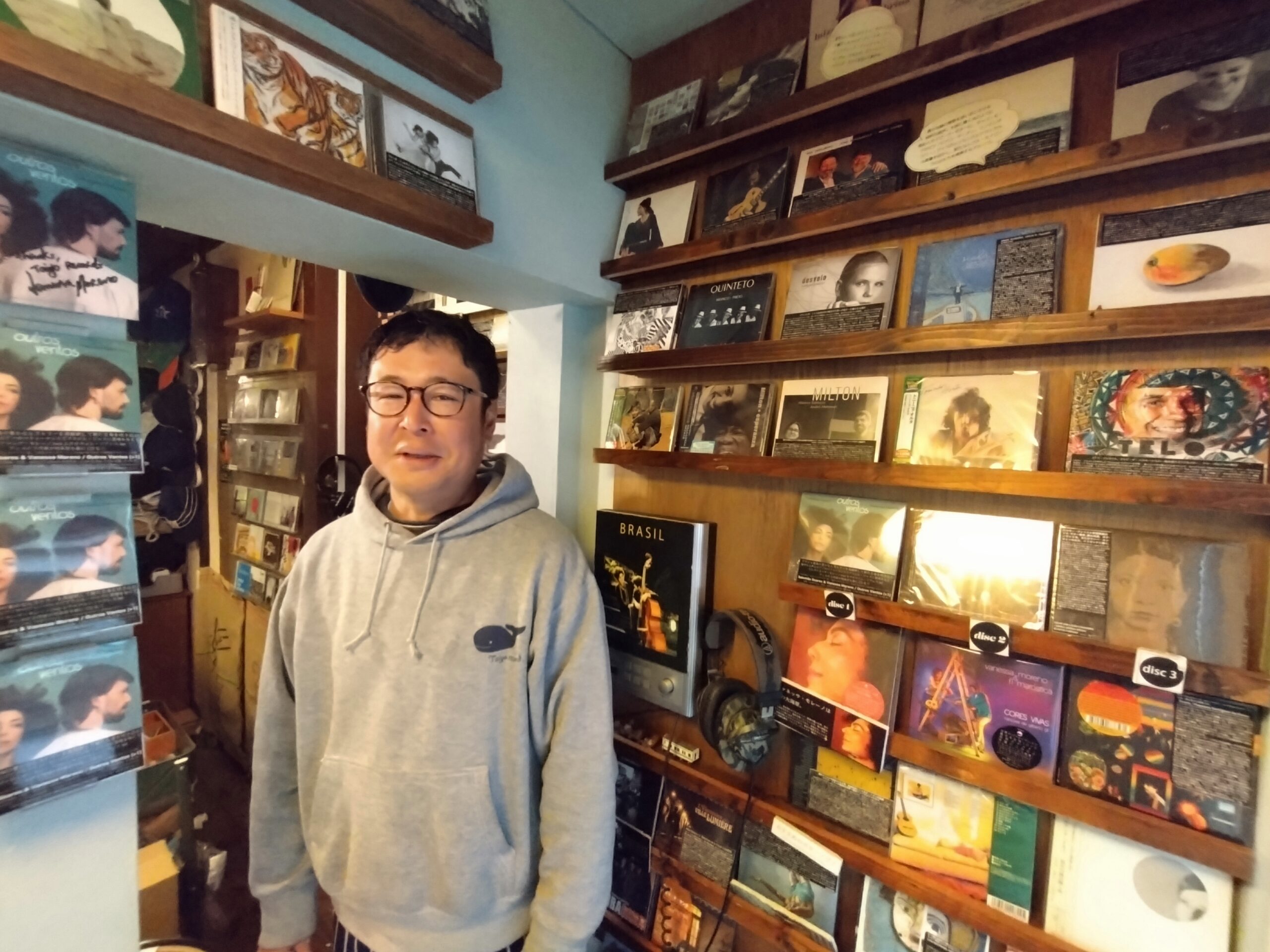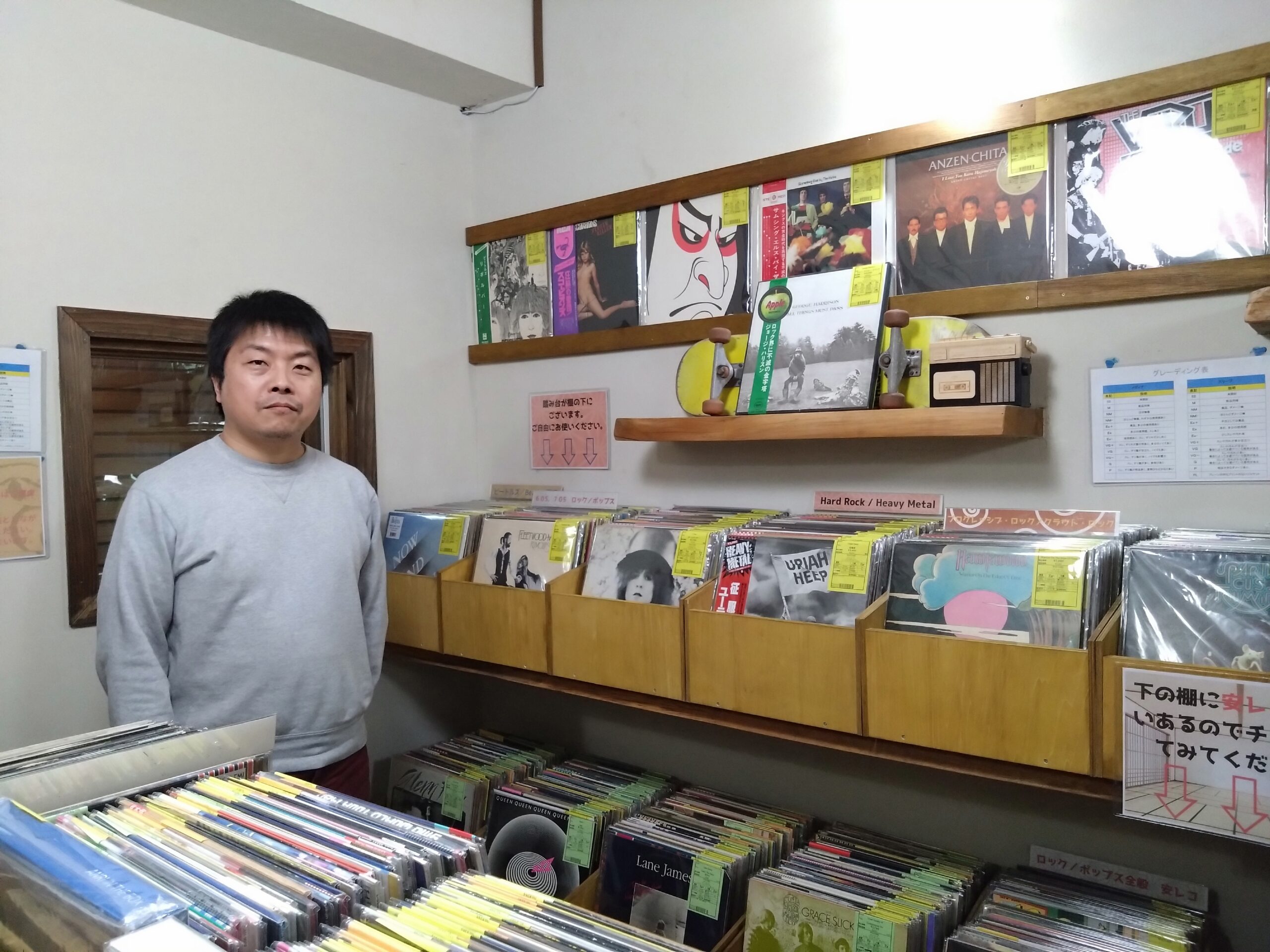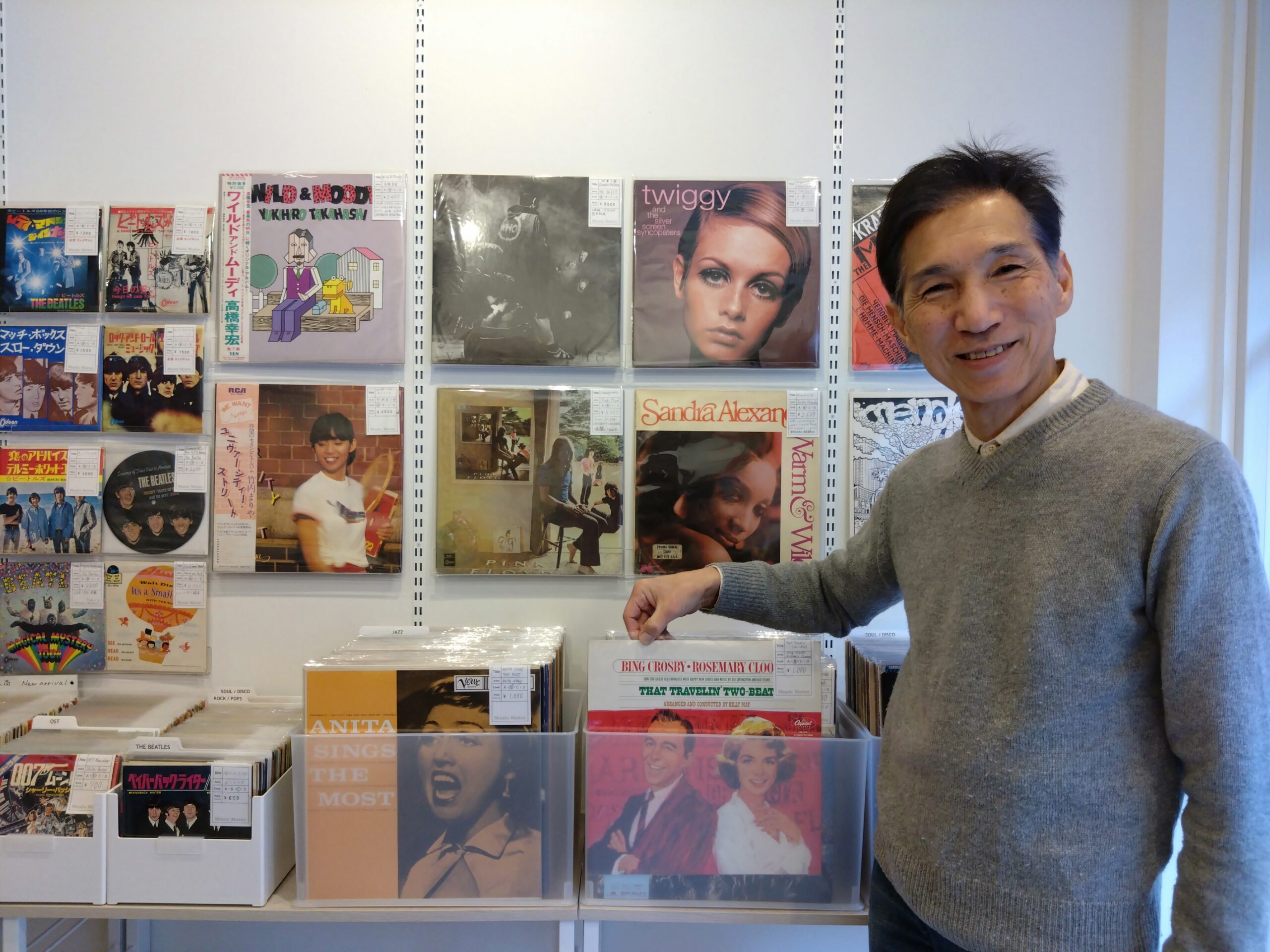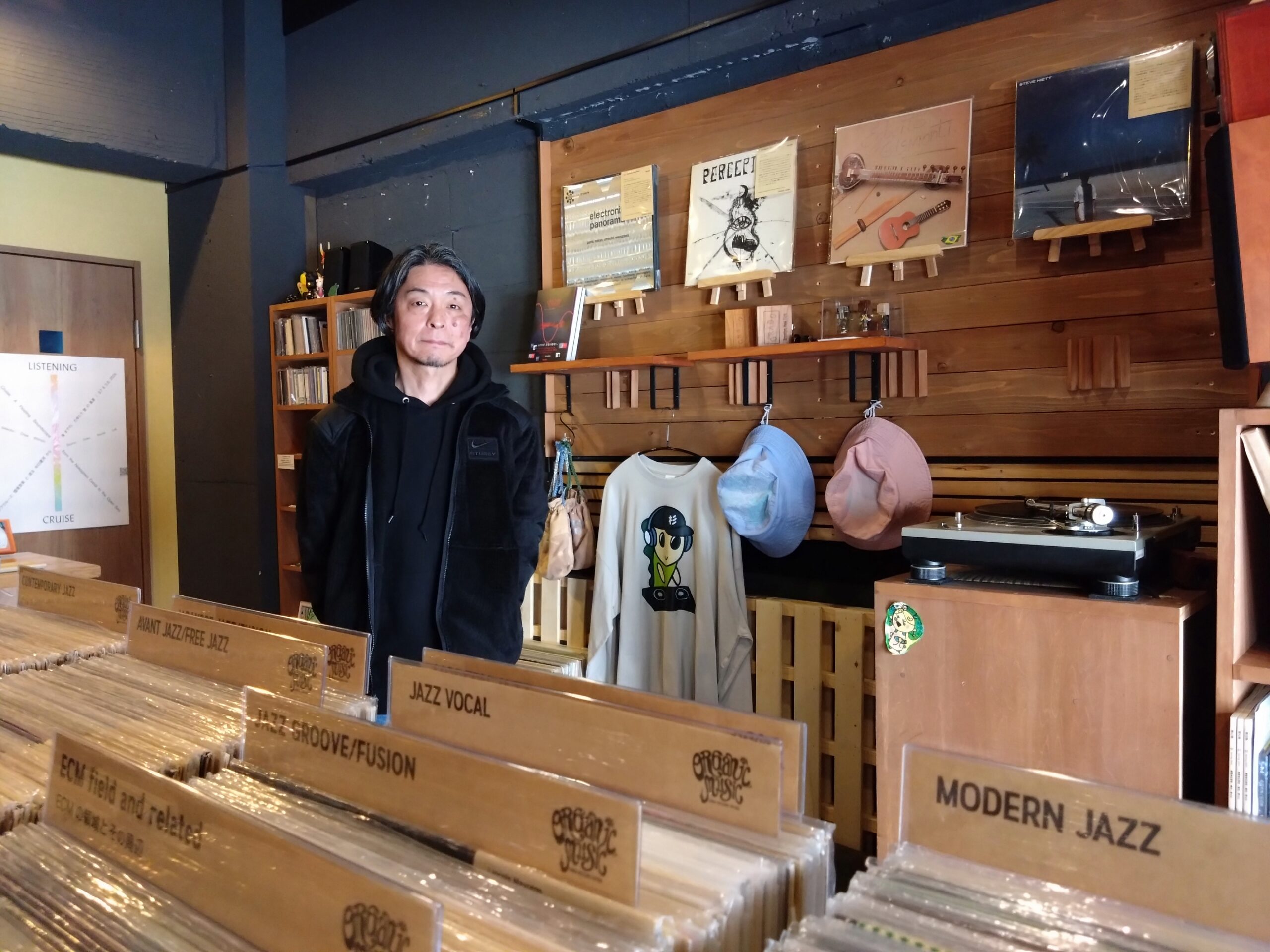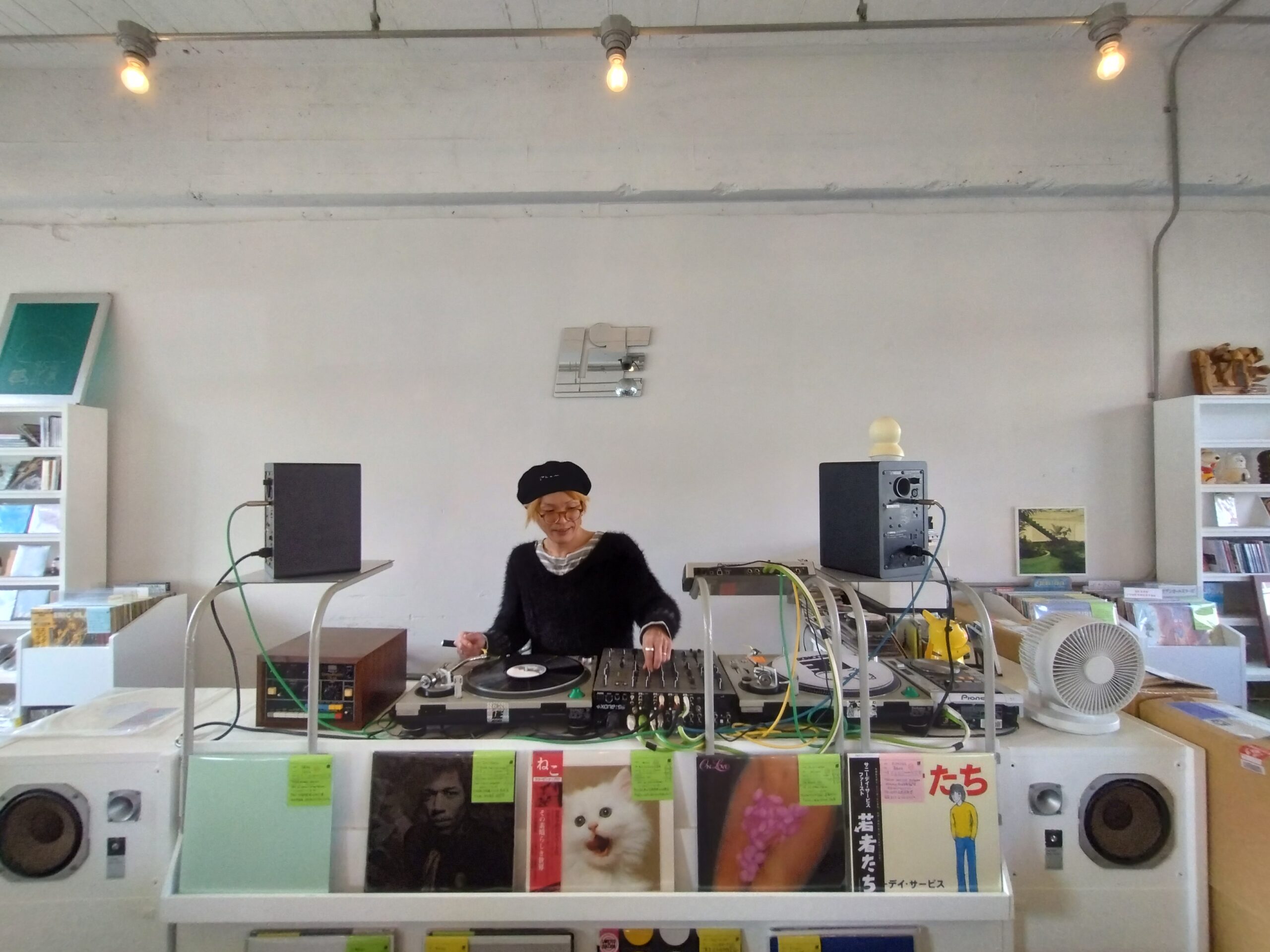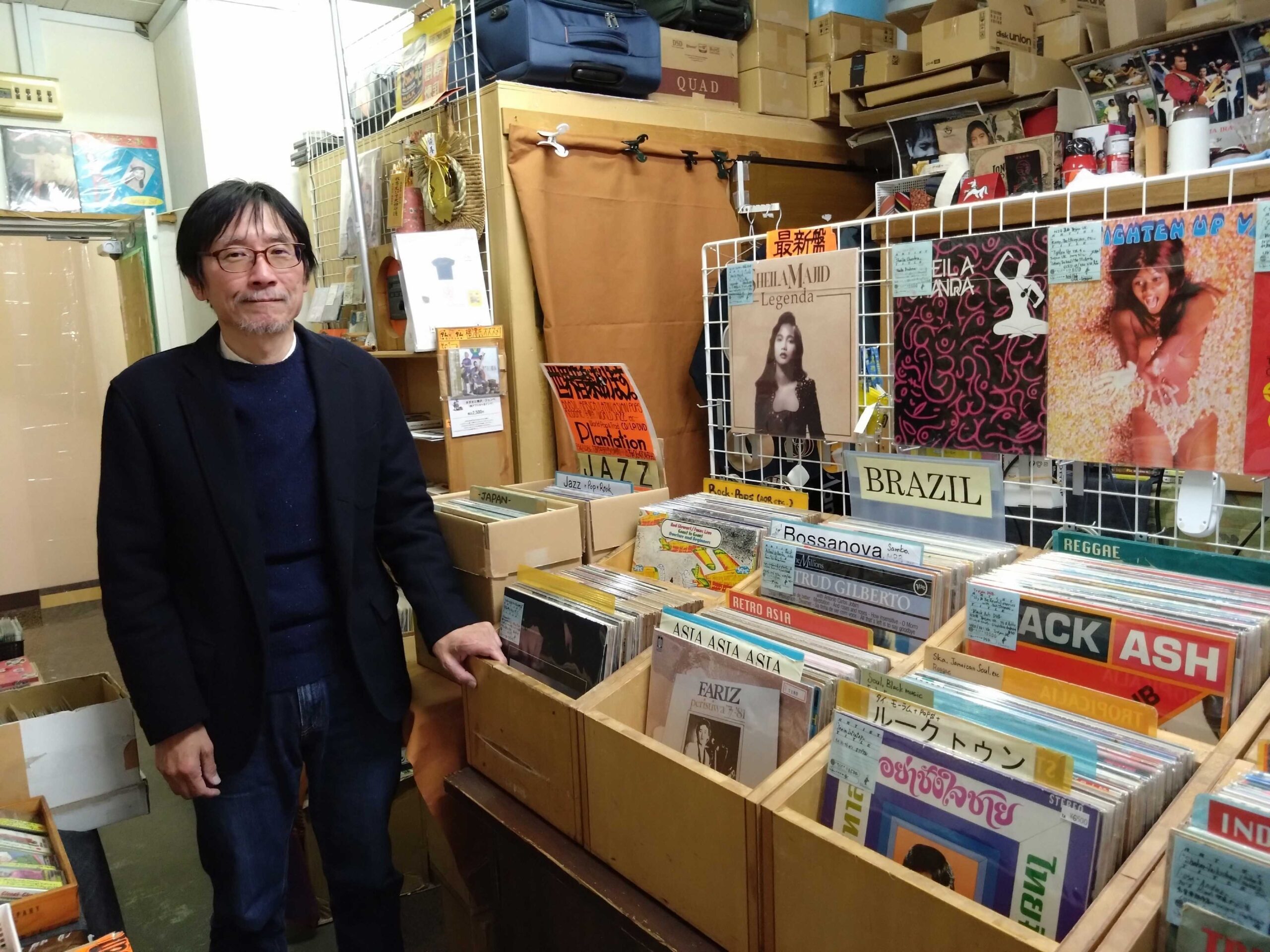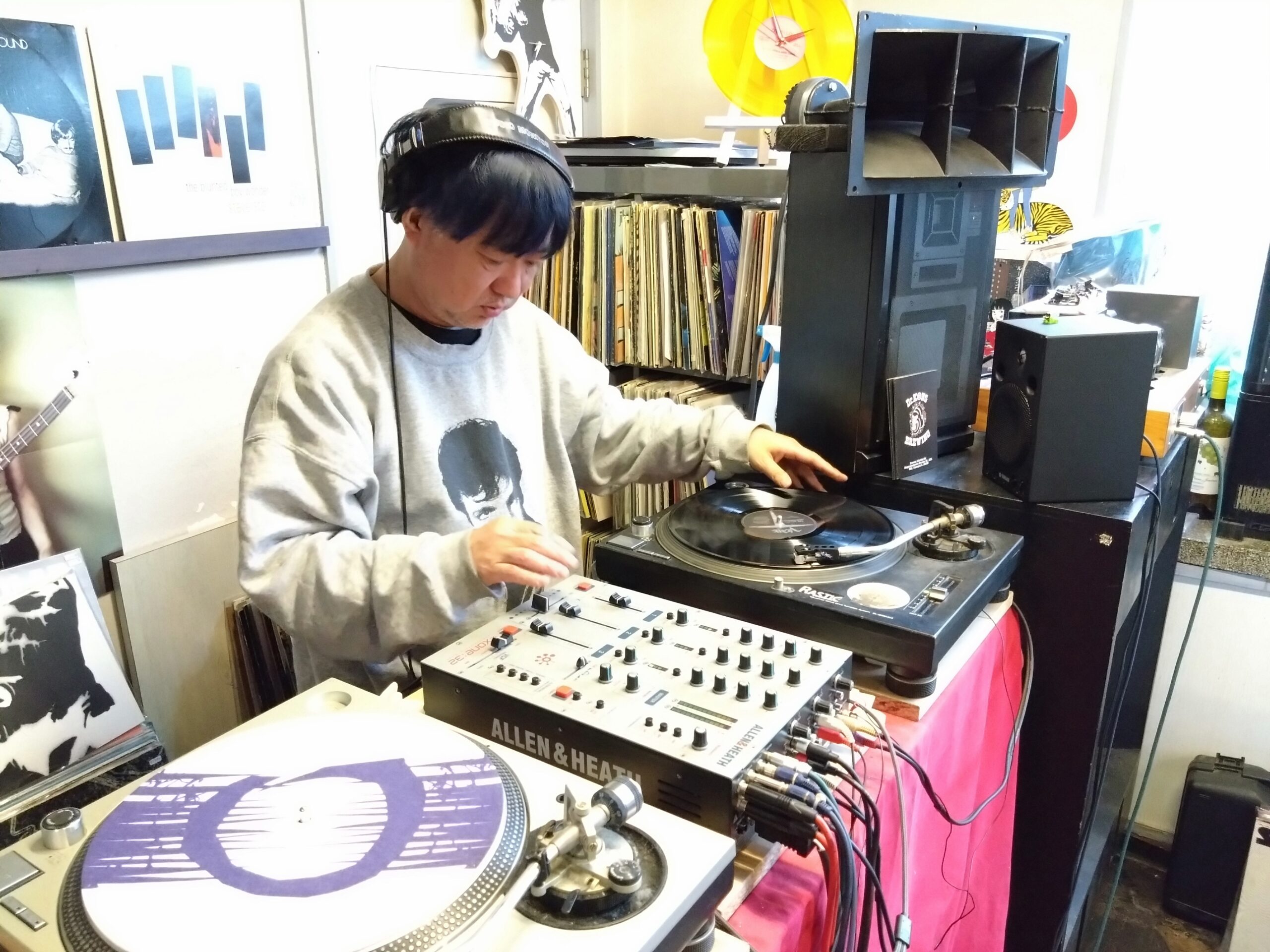
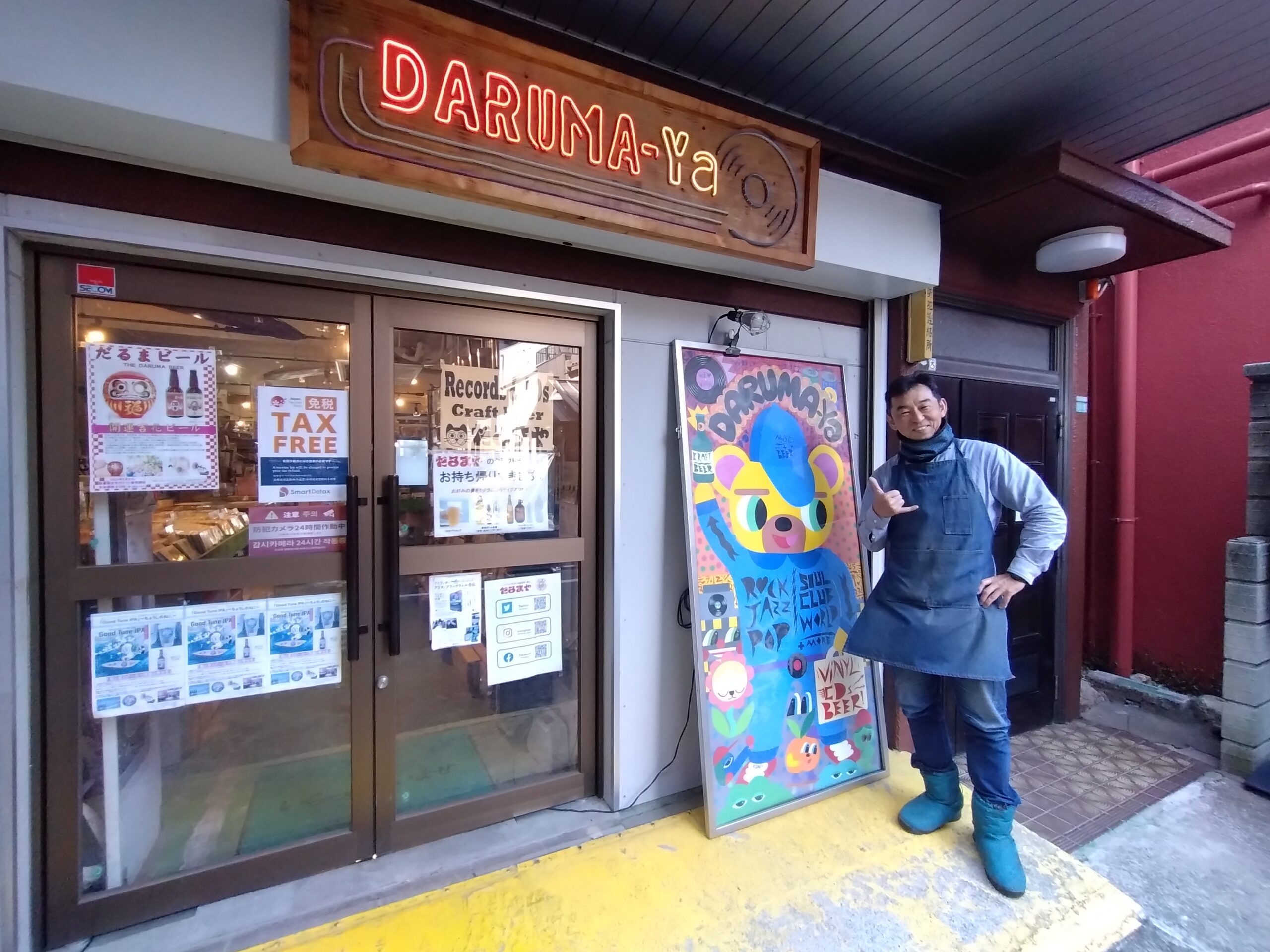
“Record Store Yomoyama Stories” is an interview series featuring record shop owners. This time, we visited Darumaya in Higashi-Ikebukuro, Toshima, Tokyo.
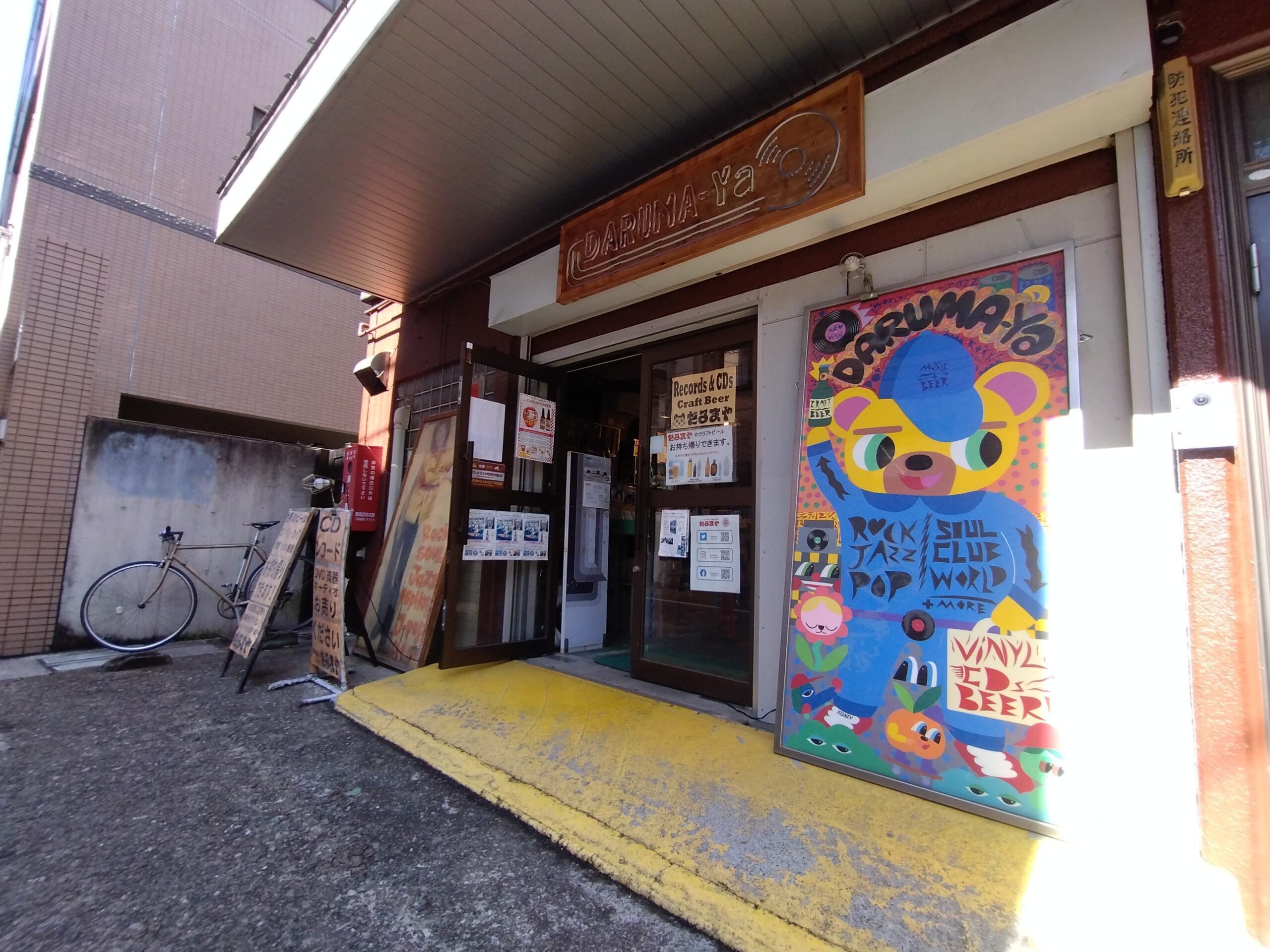
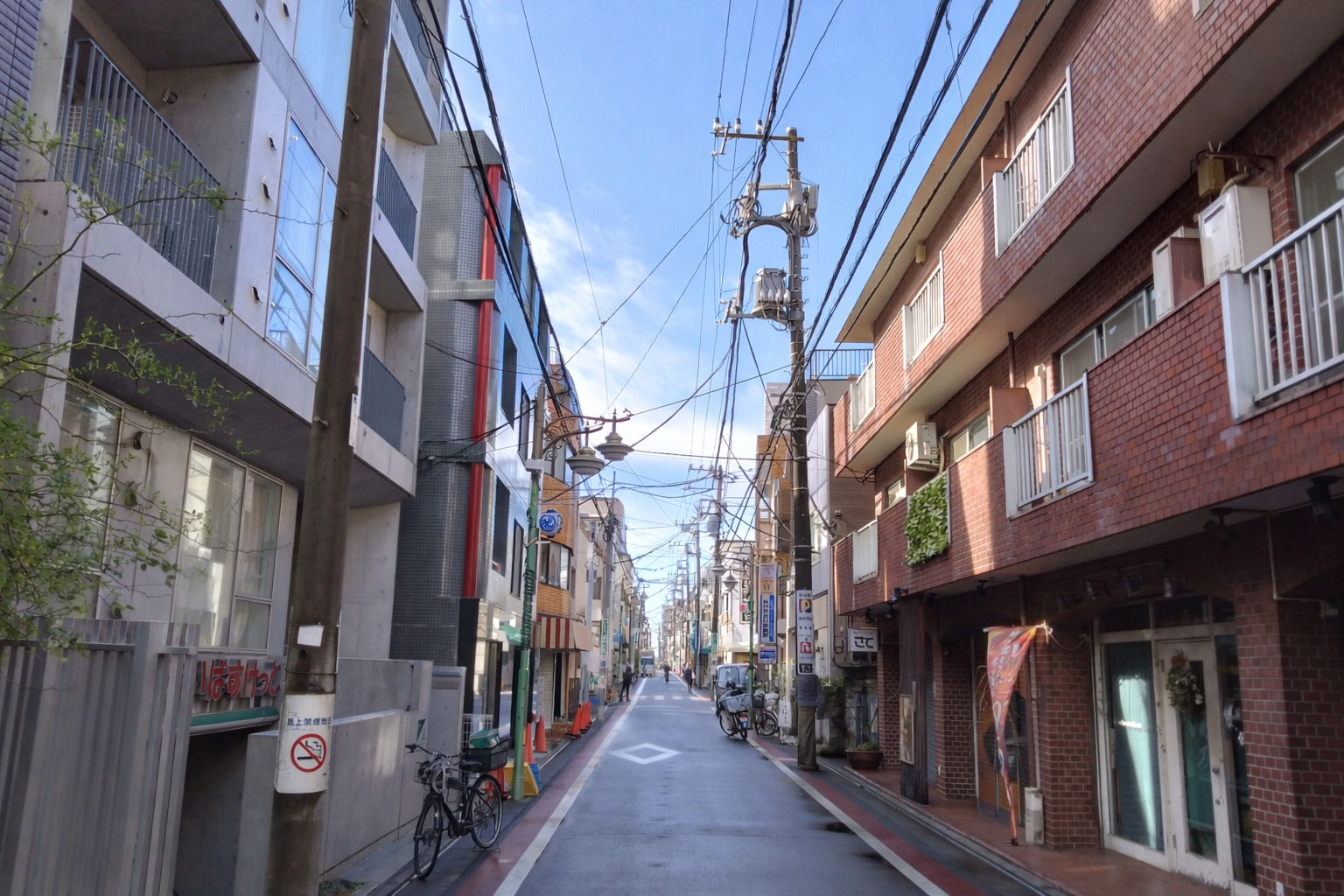
When people think of Ikebukuro, many may picture the bustle around the station. But Darumaya sits a little beyond that noise. The energy of the station area begins to loosen, and the atmosphere of a residential neighborhood starts to mix in. It is naturally there, within that flow.
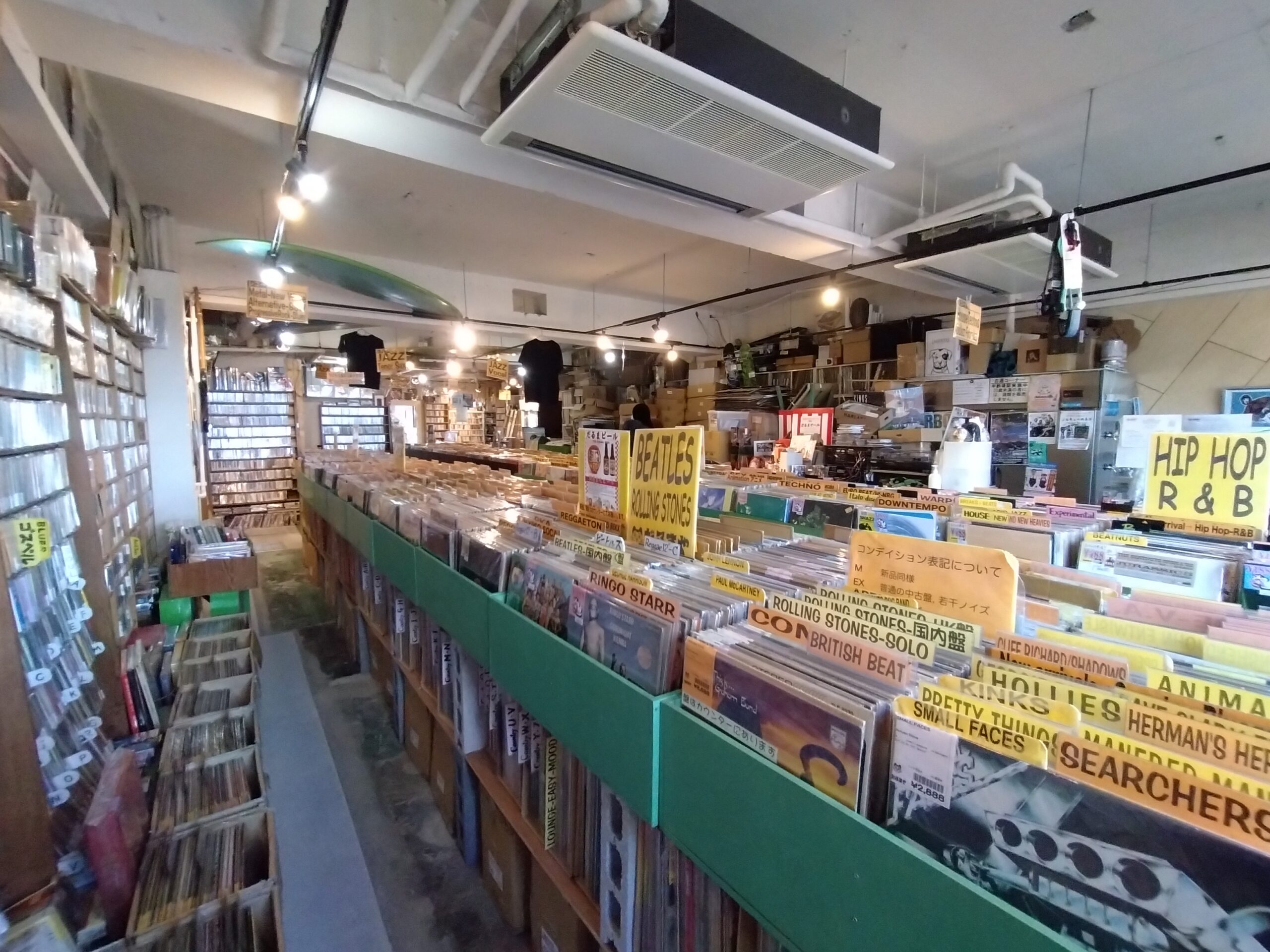
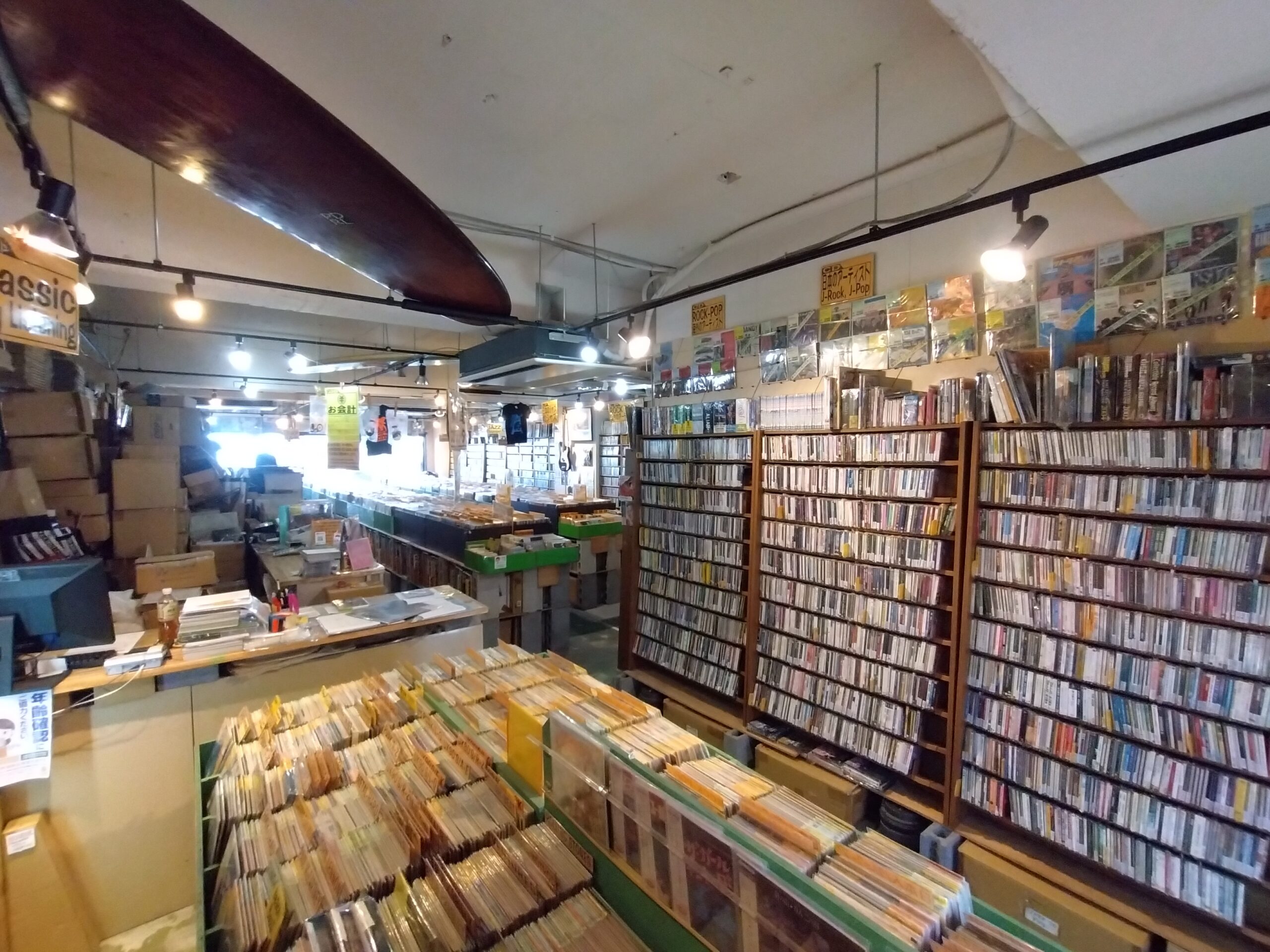
There are shops that communicate something the moment you step inside. Darumaya was exactly that kind of place. The volume of shelves, the depth of stock, the calmness of the space. But what stays with you is not simply that there is “a lot.” It is that this abundance is there without strain, as the accumulation of a long stretch of time.
What emerged through the conversation was the figure of Mr. Hagiwara, a shop owner who kept adjusting the form of the business little by little as times changed, yet never let go of the value of “selling in a shop” and “handing records to people in person.” In a place half a step removed from the speed of Ikebukuro, records have continued to be treated as something that truly belongs to people.
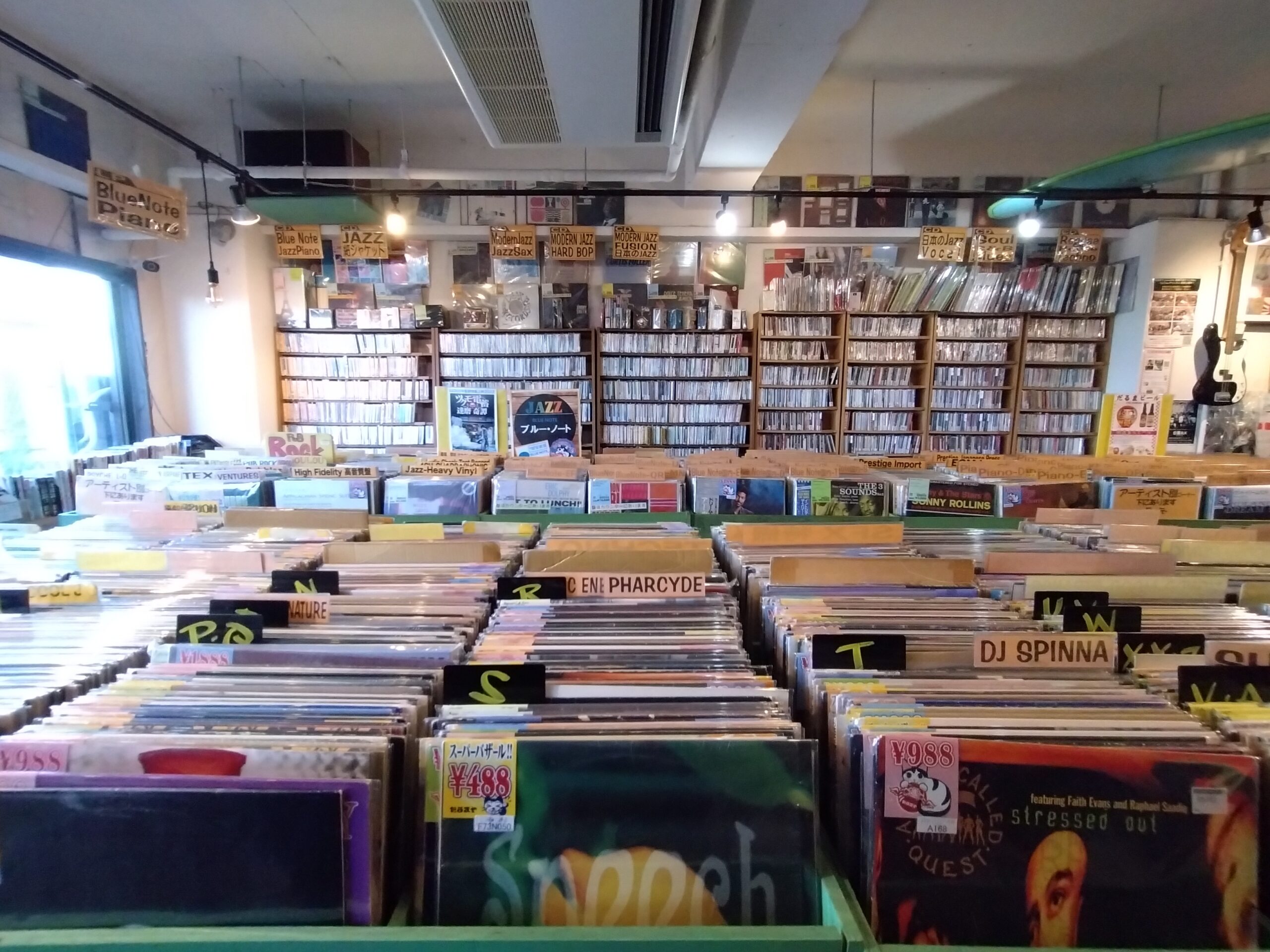
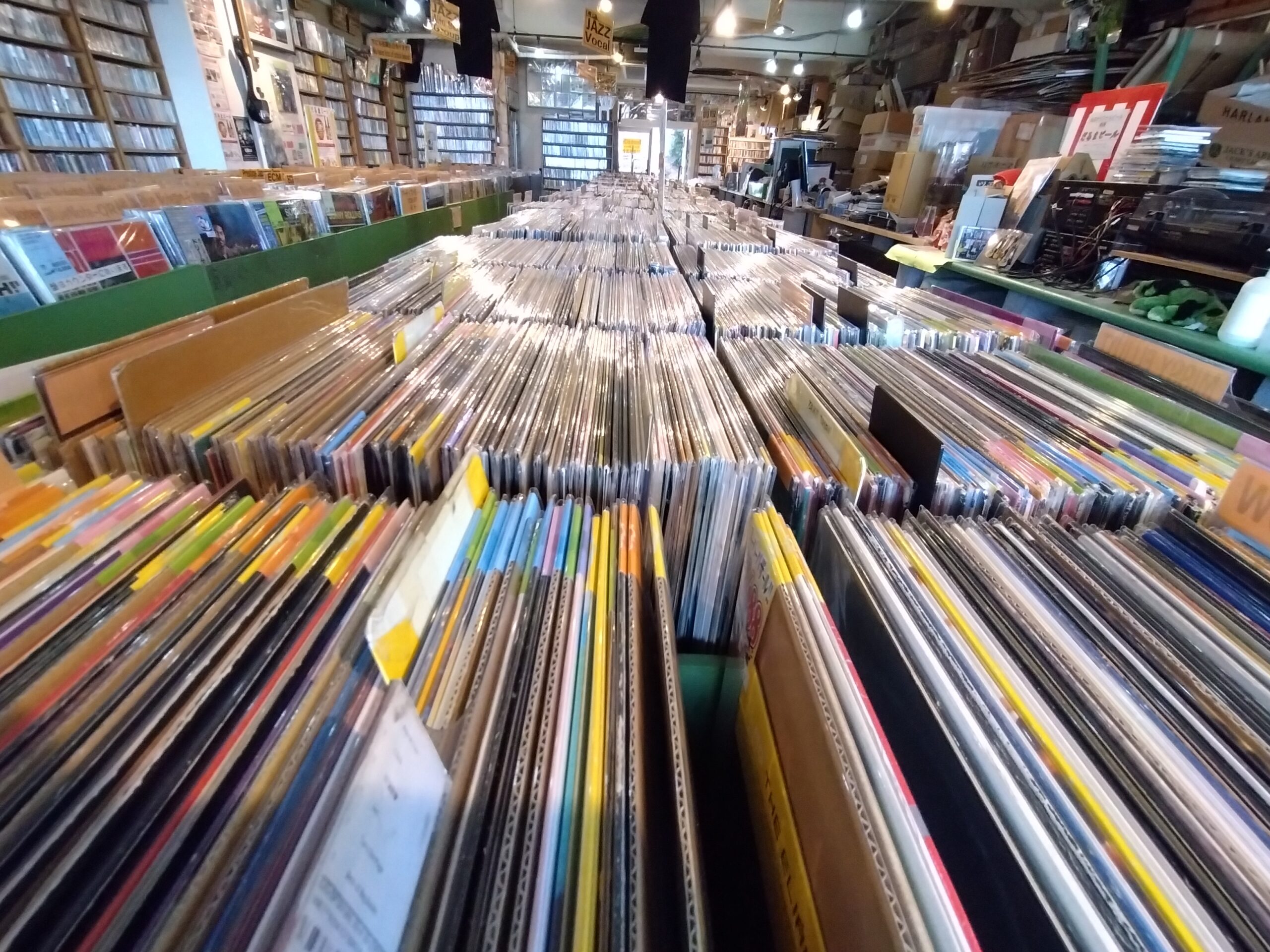
The first thing you notice when entering the shop is, of course, the sheer depth of the stock. The number of shelves itself catches your eye, but what left a stronger impression was that this quantity did not feel like mere volume. It felt like something built up over a long time. There is a natural persuasiveness that only a long-running shop can have.
Standing in front of Darumaya’s shelves, even a beginner would think, “There must be something here,” while someone who has been digging for years would probably feel, “I won’t be able to get through all this easily.” The entrance is wide, yet the depth is real. You can drop in casually, or you can settle in and take your time. I felt that balance is one of the shop’s great charms.
When I asked what he values in building the shop, Mr. Hagiwara said this:
Those words overlap exactly with the view of the shop itself. Of course, there are ways to sharpen a shop around a strong concept. But Darumaya’s appeal is almost the opposite. It leaves many different entrances open, yet never feels disorderly. The quantity does not become pressure; it becomes freedom. That feeling is what makes it so good.
And because buying records is central to the business, the shelves also take in the traces of music people have let go of, along with the moods of each era. As a result, Darumaya never becomes a place only for a certain kind of connoisseur; it remains properly open. There is something very Darumaya-like in the way it turns abundance into kindness, rather than just quantity.
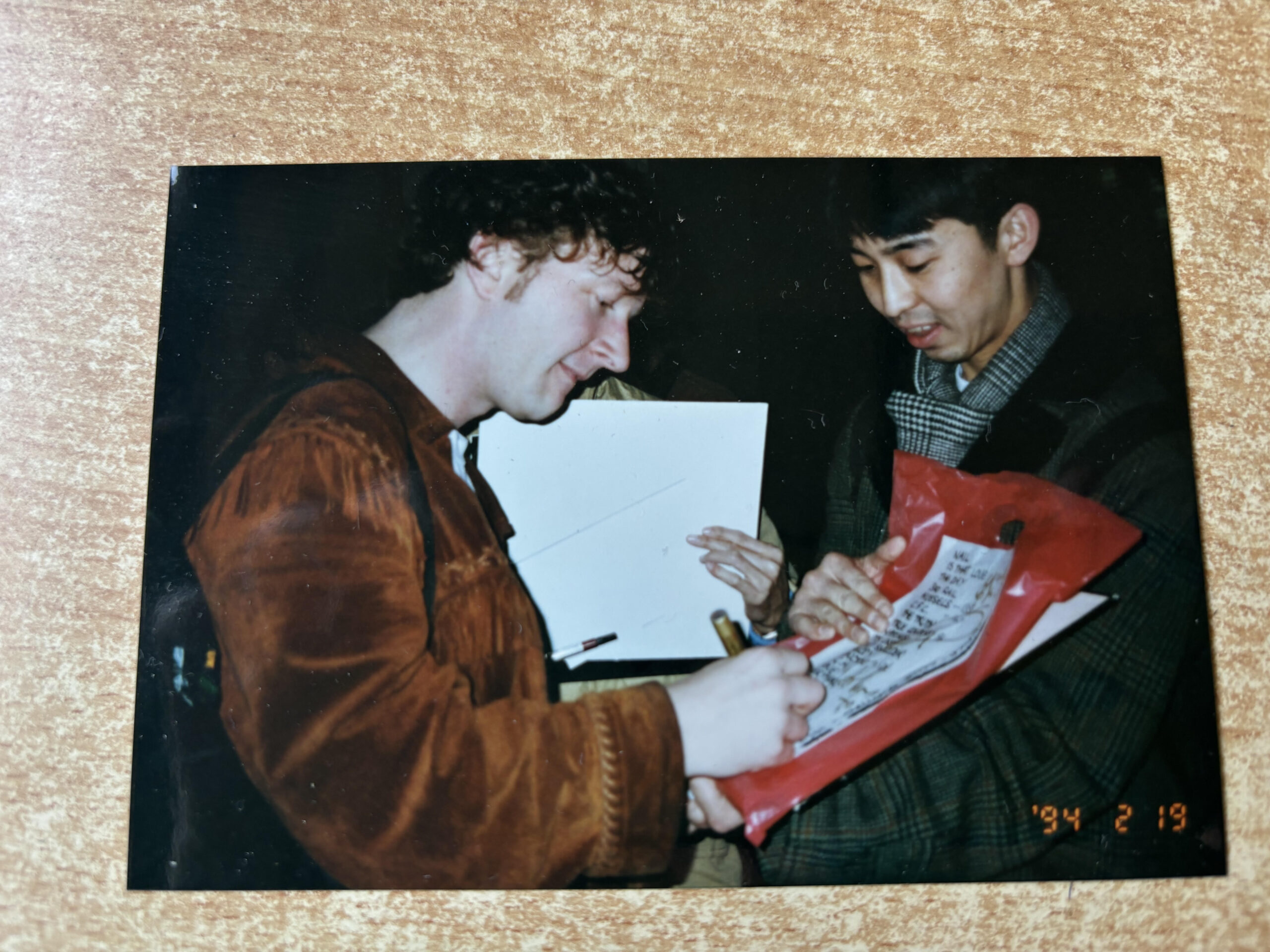
Mr. Hagiwara began mail-order sales in 1990. He opened the shop itself in 1995. Looking at those numbers now, it feels remarkably early. And of course, this was long before the age of online stores as we know them today.
When he described how things were done back then, there was a tactile sense of manual work that is completely different from today’s e-commerce.
It was not an age when products could arrive with the click of a button. He was building the very system that could deliver what people wanted with his own hands. What looks ordinary now as mail order was probably not yet something everyone could naturally choose back then.
And it was not as if he had plenty of room from the beginning. He said money was also tight when he first started the shop. One line made that especially clear:
Hearing stories like that makes you realize that Darumaya’s beginnings were not just about momentum, but about persistence.
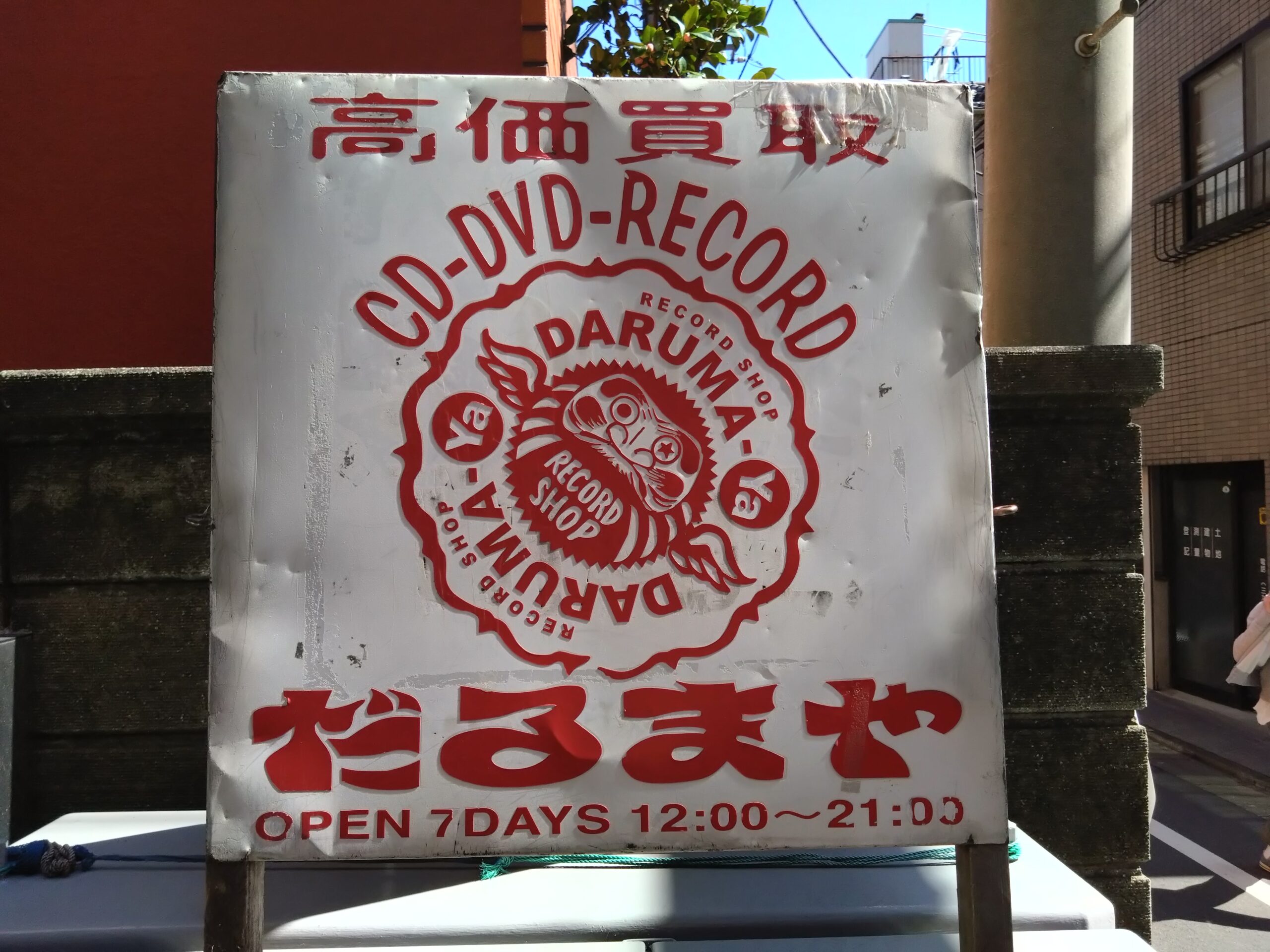
By the way, even the name “Darumaya” still carries something of the young Mr. Hagiwara. When he started mail order, he simply needed to decide on a name. He was drawn at the time to Beat literature, and the phrase The Dharma Bums had stayed in his mind, which was one of the reasons he thought, “Maybe Daruma is good.” A name that began almost provisionally ended up becoming the shop’s long-running name. That too feels very much like this shop.
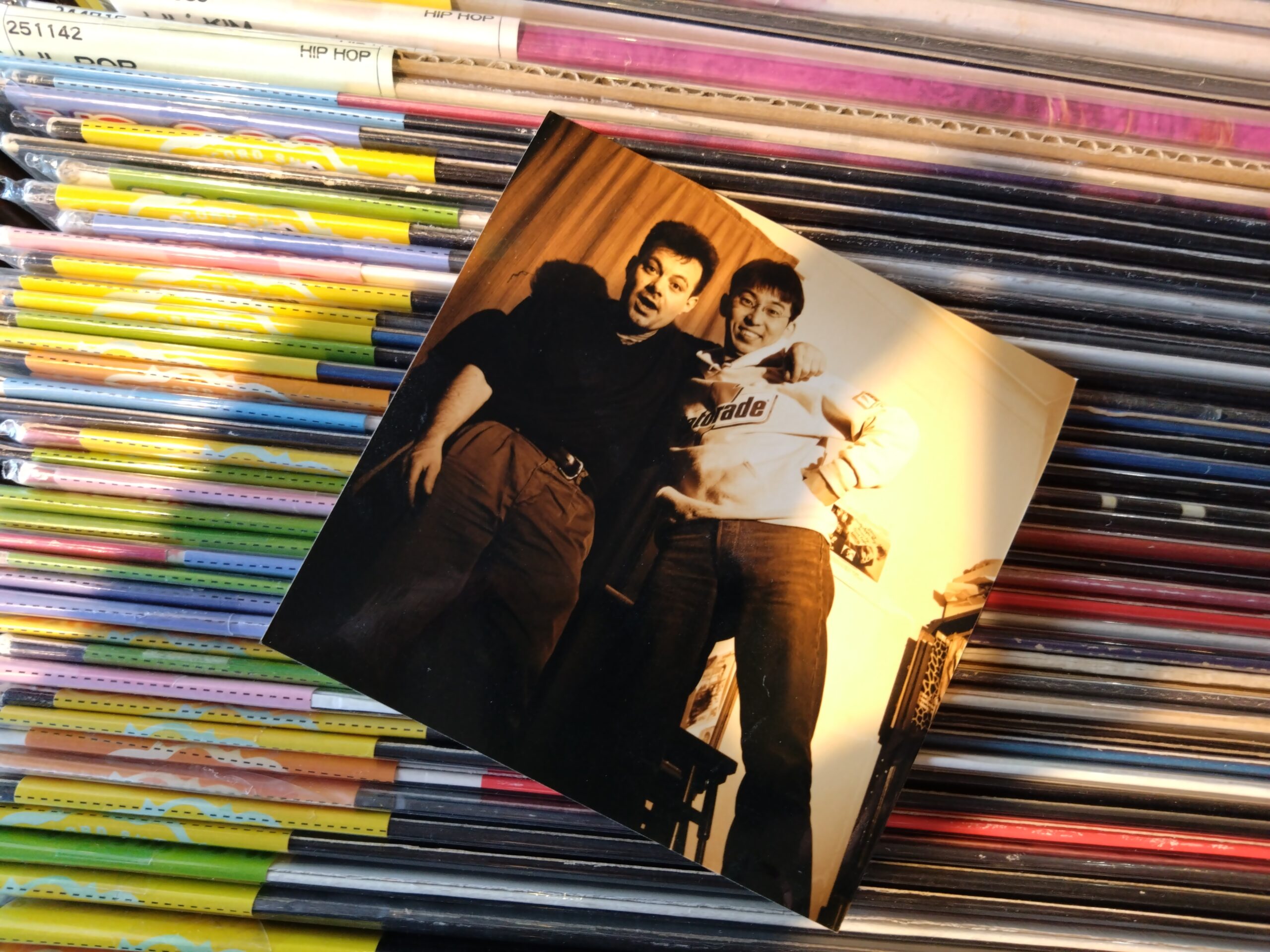
Mr. Hagiwara’s gateway into music was not the classic “my parents’ record shelf,” but rather music programs he watched on television in high school. Through shows like Best Hit USA and MTV, he encountered Western artists such as Prince, Madonna, Culture Club, and Duran Duran. It was a time when the gateway to music was gradually shifting from radio to television.
Later he moved to Tokyo, worked at a used record shop, and then entered the world of imported records. What he came to love deeply there was British pub rock. Music not played in huge venues, but sounded in places much closer to you. Music that came across directly. He said he was strongly drawn to that kind of appeal.
After leaving the record shop where he had worked at age 23, he stayed in London for half a year. During the day he visited galleries and record shops; at night he listened to live music in pubs and drank beer. The music spaces and pub atmosphere that had attracted him in his youth remain in his shop now, though in a different form. Seen that way, there is nothing oddly forced about records and beer sharing the same space.
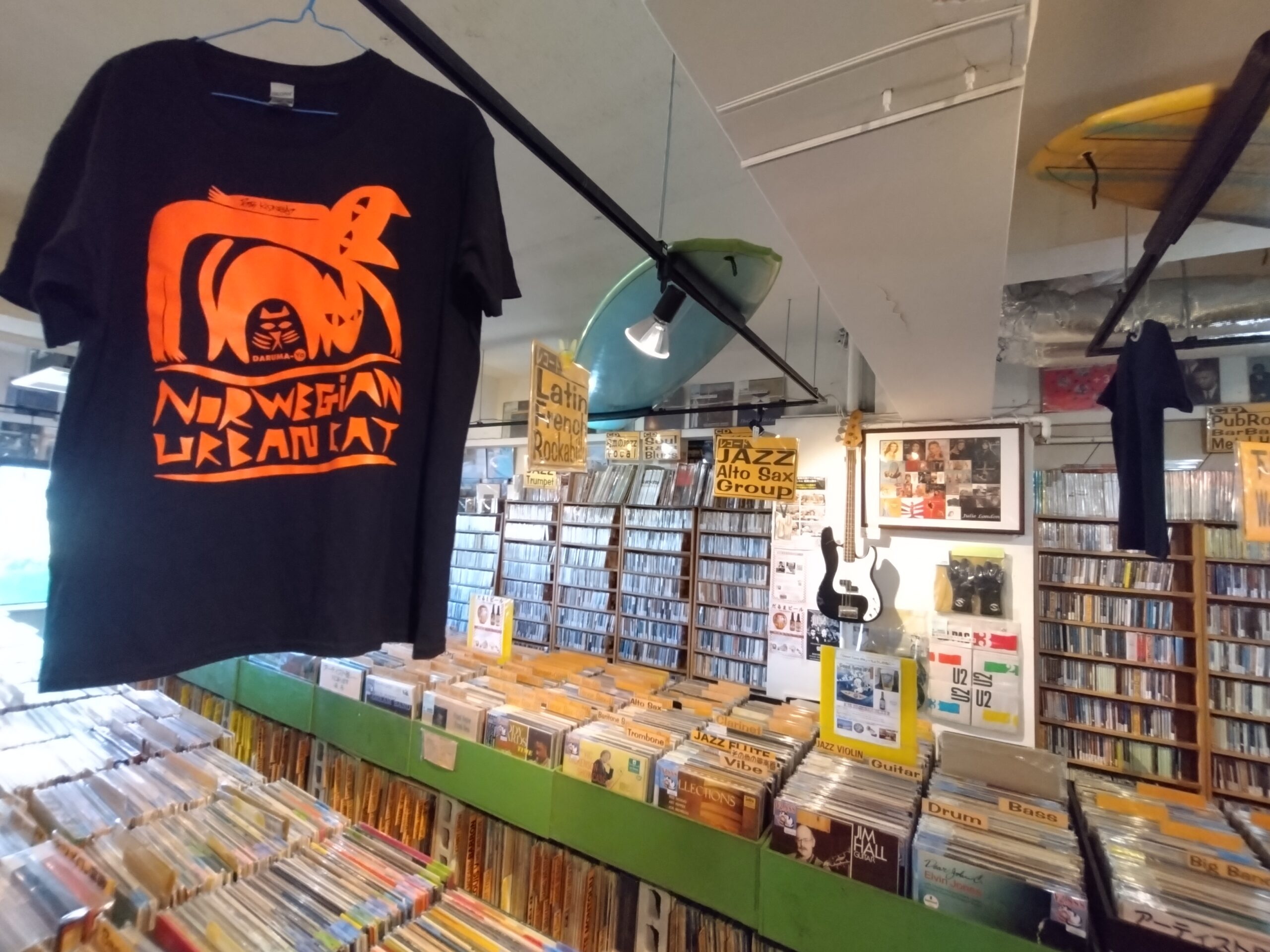
From records to CDs. From CDs back to records. Changes in the used market, the spread of the internet, auctions, smartphones, inbound tourism, exchange rates. To keep a single shop running for more than thirty years is to have received all of that firsthand, on the ground.
But Mr. Hagiwara does not speak dramatically about those changes. Even when talking about the current situation, he first put it like this:
That temperature was especially memorable. When people talk about business, it is easy to lean toward words like upward or downward, booming or difficult. But for someone who has stood in the same place for a long time, I think what feels more real is a much finer kind of fluctuation.
What may look like a sudden change from the outside is, from the shop’s side, a wave that comes in little by little and recedes little by little. For someone standing there every day, that gradualness is visible. Mr. Hagiwara spoke in a similar tone about the recent popularity of records as well. He does think they are popular. But that does not mean everything sells in large quantities the way it might seem. It is simply that what sells, and how it sells, has changed. He does not sensationalize change. But neither is he dull to it. That attitude, I think, is part of the strength of a shop that lasts.
One thing I felt especially strongly through the interview was how much Mr. Hagiwara truly values talking with people. At first he seemed a little shy, but as we spoke, a softness underneath began to show.
Today, if all you want is music, you can listen to almost anything for nearly free. So why go out of your way to visit a shop and buy records that take up space? Thinking about that, I felt that Darumaya’s value does not lie only in the records themselves.
In this shop, the arrangement of the shelves, the owner’s gaze, even the atmosphere all carry meaning. Including even a small exchange of words, the act of buying stays in your memory. There is a kind of satisfaction here that is different from simply ordering online. It was also memorable when he said that he enjoys gradually building relationships with customers through conversations about records and beer. The shop does not decorate itself with excessive kindness. But it is properly open. Darumaya is that kind of place.
Darumaya is not a shop sitting in the very center of Ikebukuro Station’s busiest area. You have to walk a little. For first-time visitors, those few minutes may feel a little far. But when you actually go, you realize that even that distance suits the shop.
He said there was a time when the shop had operated closer to the station. The first store was a narrow space of about ten tsubo, and later there was a period when it moved to another place with a somewhat unusual layout. Precisely because he has kept a shop going in Ikebukuro for so long, what he says about the current location has a sense of practical reality, not mere preference.
Rather than saying he abandoned the convenience of the station front, it feels closer to say that he identified the conditions necessary to keep going. A distance that preserves the shop’s pace, yet still properly reaches the people who want to come. It seemed to me that present-day Darumaya has found that point of balance. At first, those few minutes feel a little unknown. But once you come, you understand that this distance is just right. Including that feeling, Darumaya has chosen a place that allows it to keep going in Ikebukuro.
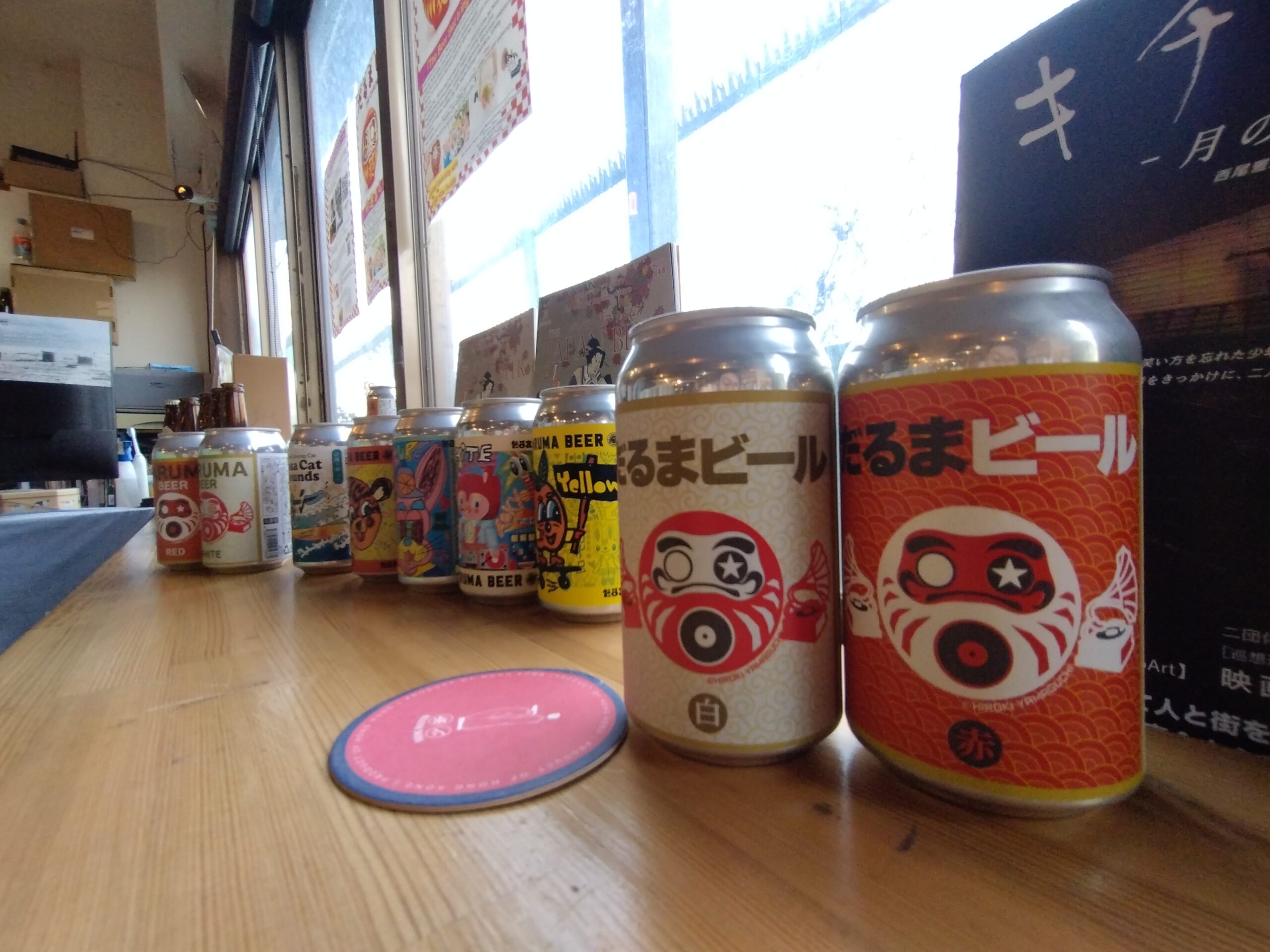
When you visit Darumaya, it is not only the records that stay with you. The presence of craft beer does too. Mr. Hagiwara originally loved British pub culture, and he loved beer as well. Later, he began to find the diversity of craft beer in Japan interesting, and after relocating the shop, he obtained a sales license and started carrying it.
What is interesting is that Mr. Hagiwara himself sees records and beer as quite closely related. The feeling of exploring differences in taste, the fascination of diversity, the sense that there is no end to it—those sensations are very similar to digging through records. That is why beer appearing at Darumaya does not feel unnatural. It feels as though what he loves has simply, and properly, become part of the shop’s landscape.
During the interview, Mr. Hagiwara also said this:
There is nothing forced in that line. It feels less like the excitement of turning what you love into work, and more like, over the years, enjoyment itself has become something like the breathing of everyday life.
A record shop can be spoken of as “work,” and it can also be spoken of as a “dream.” But for Mr. Hagiwara, it is not only either of those. The shop has already entered everyday life itself. I think he has reached that stage.
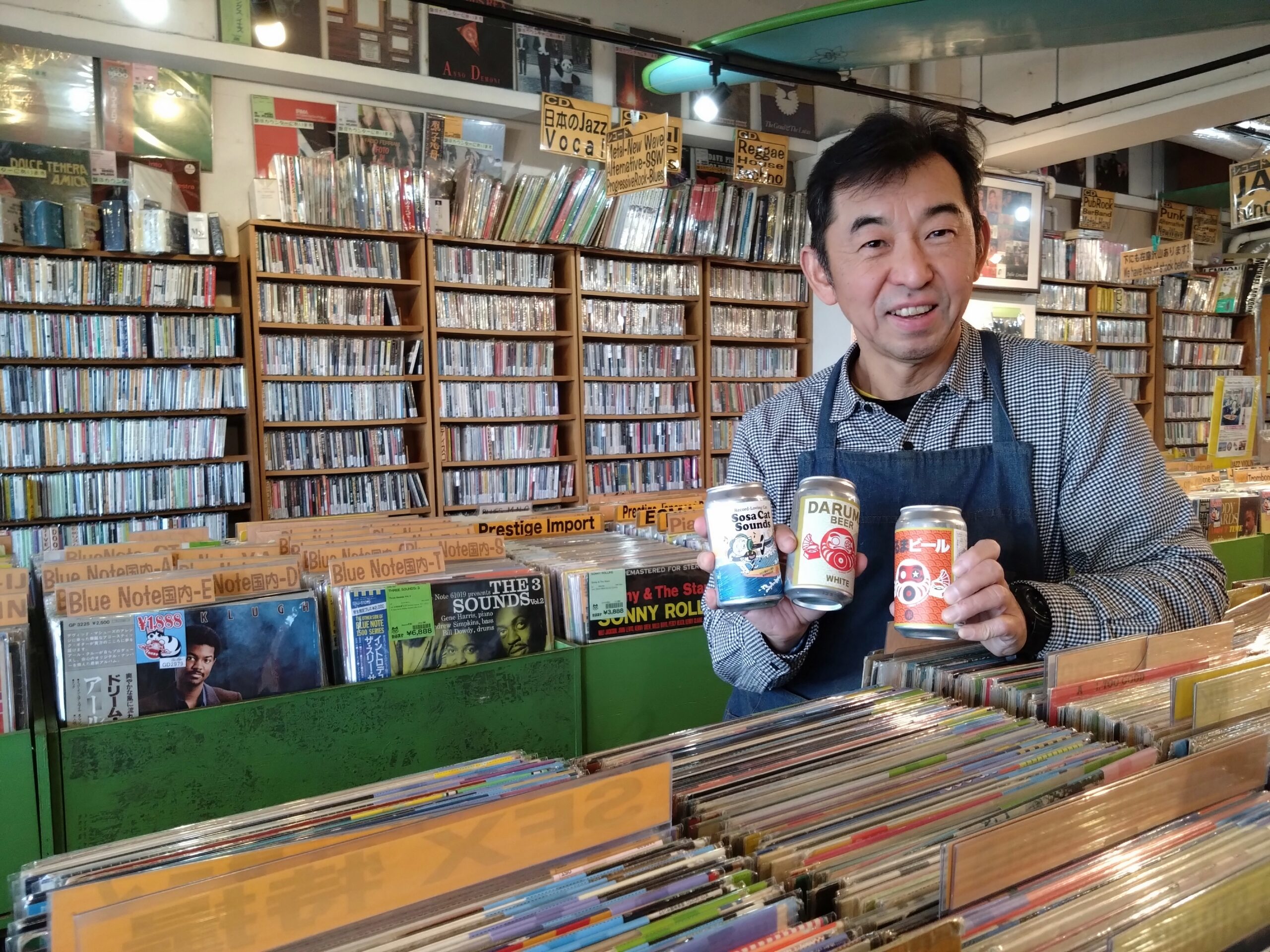
Near the end of the interview, when I asked about the future, Mr. Hagiwara first said this:
The brevity of that answer was good. It felt less like a declaration and more like a natural premise he had quietly accepted. That is why it feels strong.
These days, if all you want is to buy the same product, the internet is usually faster and often cheaper. Even so, people still go to shops because they are going to meet something beyond the product itself. The time spent hesitating in front of the shelves, the presence of the owner, the feeling of walking through the city to reach that shop—all of that becomes part of the store experience.
Darumaya was exactly that kind of place. Of course it is for people who already love records, but it can also be an entrance for those who want to know a little more. It does not feel like genres are being imposed on you. But the more you dig, the more interesting it becomes. And beside that time spent digging, there is properly the presence of people.
There is no strange strain in that line. Rather than proclaiming some grand dream, it sounded like the words of someone who has already quietly accepted what he is meant to continue.
If you are looking for records in Ikebukuro, this is a shop you should definitely visit at least once. Not only to encounter its massive stock, but also to feel the breathing rhythm of a shop that has continued for so long. And above all, because this is the kind of place where you naturally come to understand that, in the end, records return to people.

|
||
|
||
|
||
|
||
|
||
|
||
|
||
|
||
|
||
|
||
|
||
|