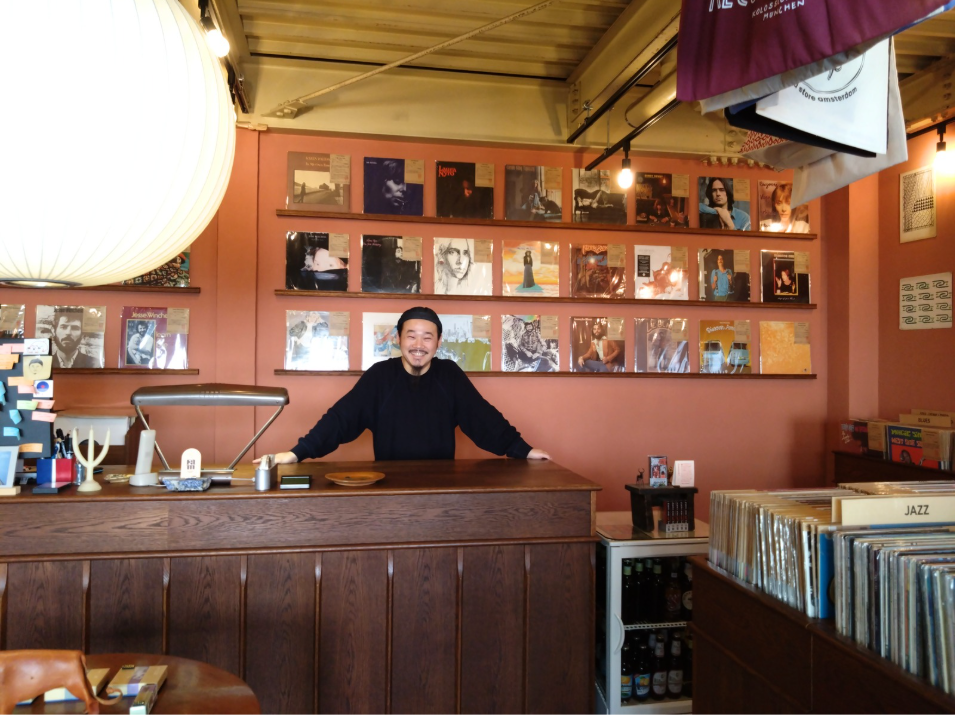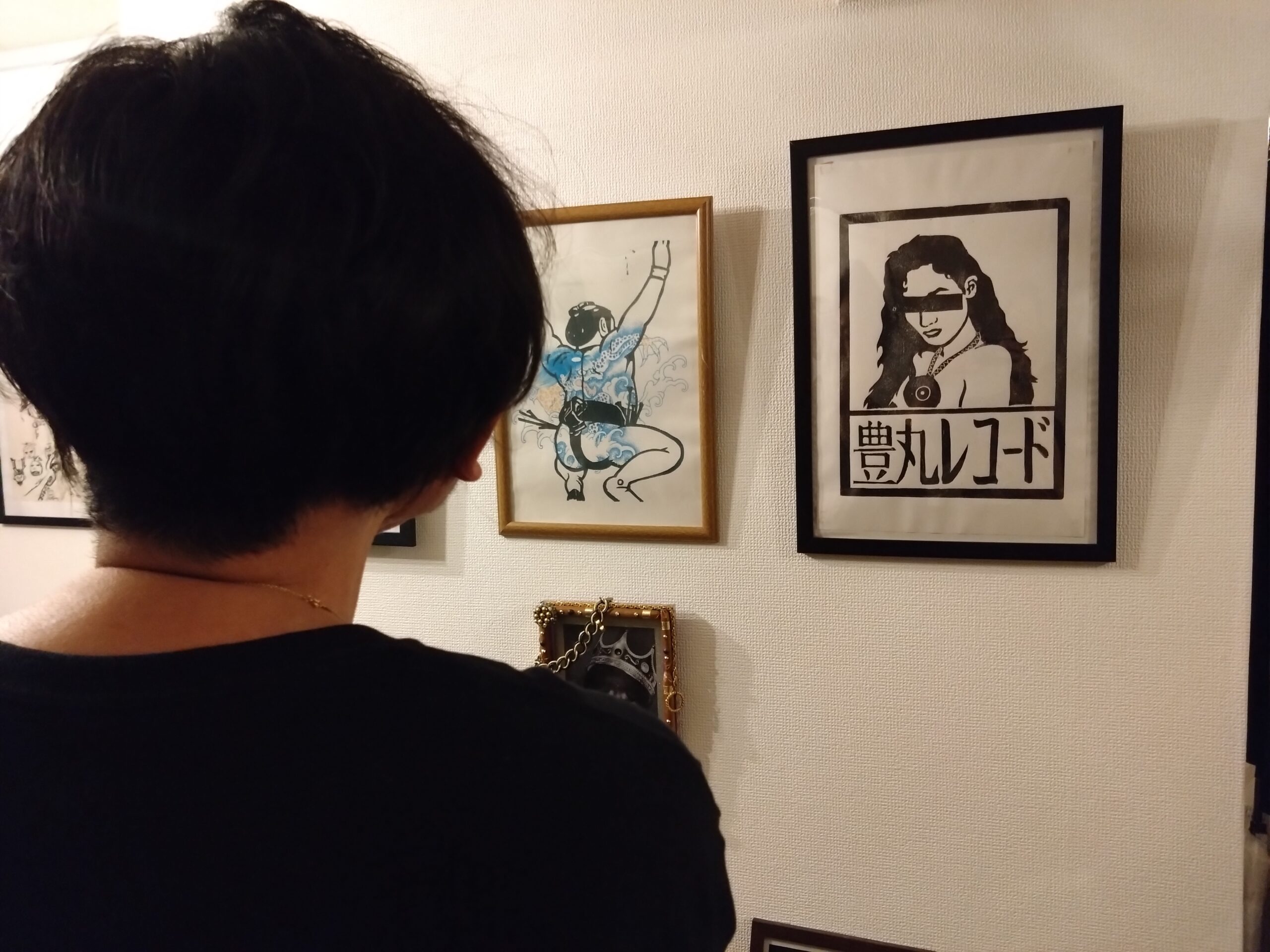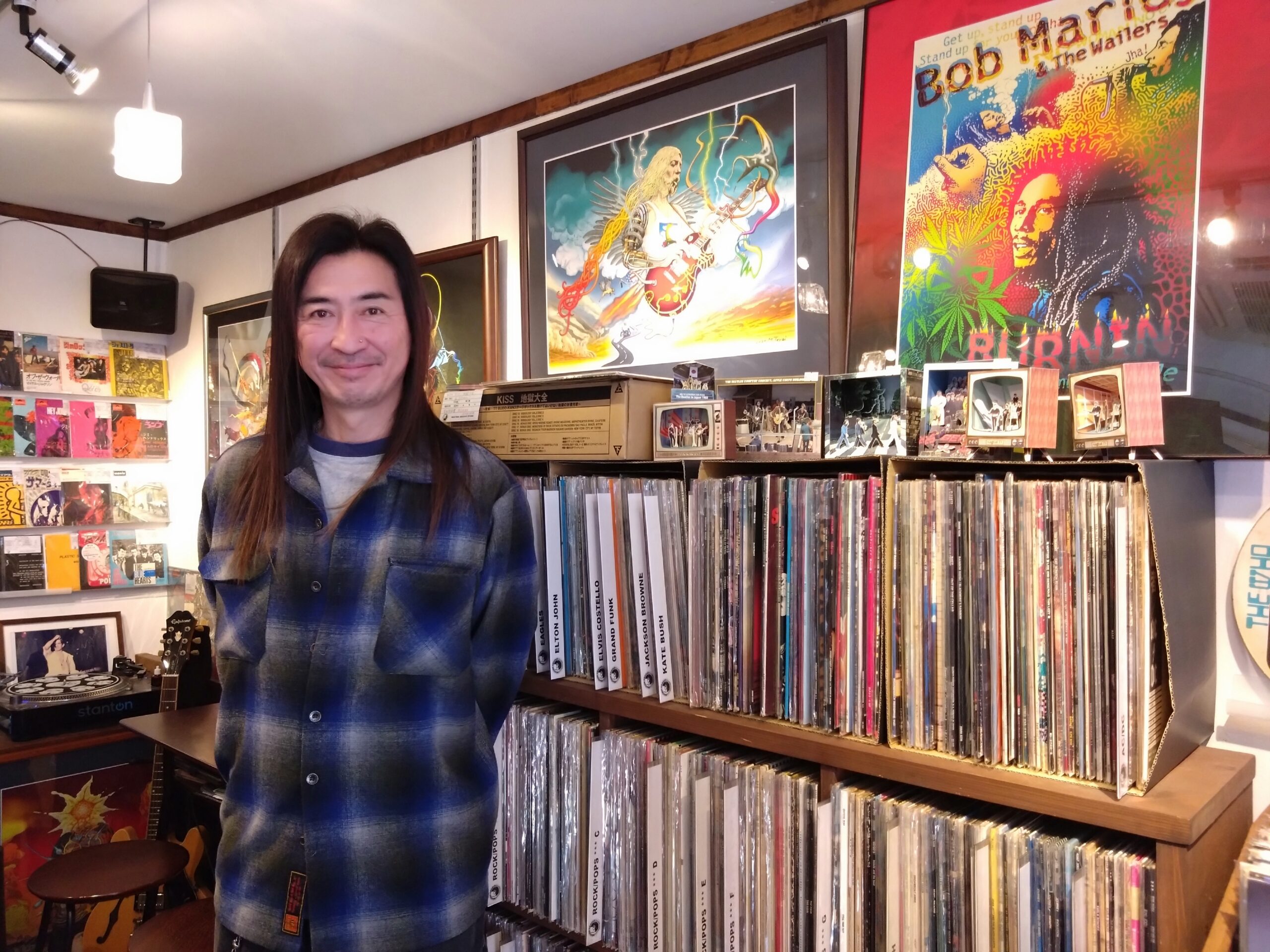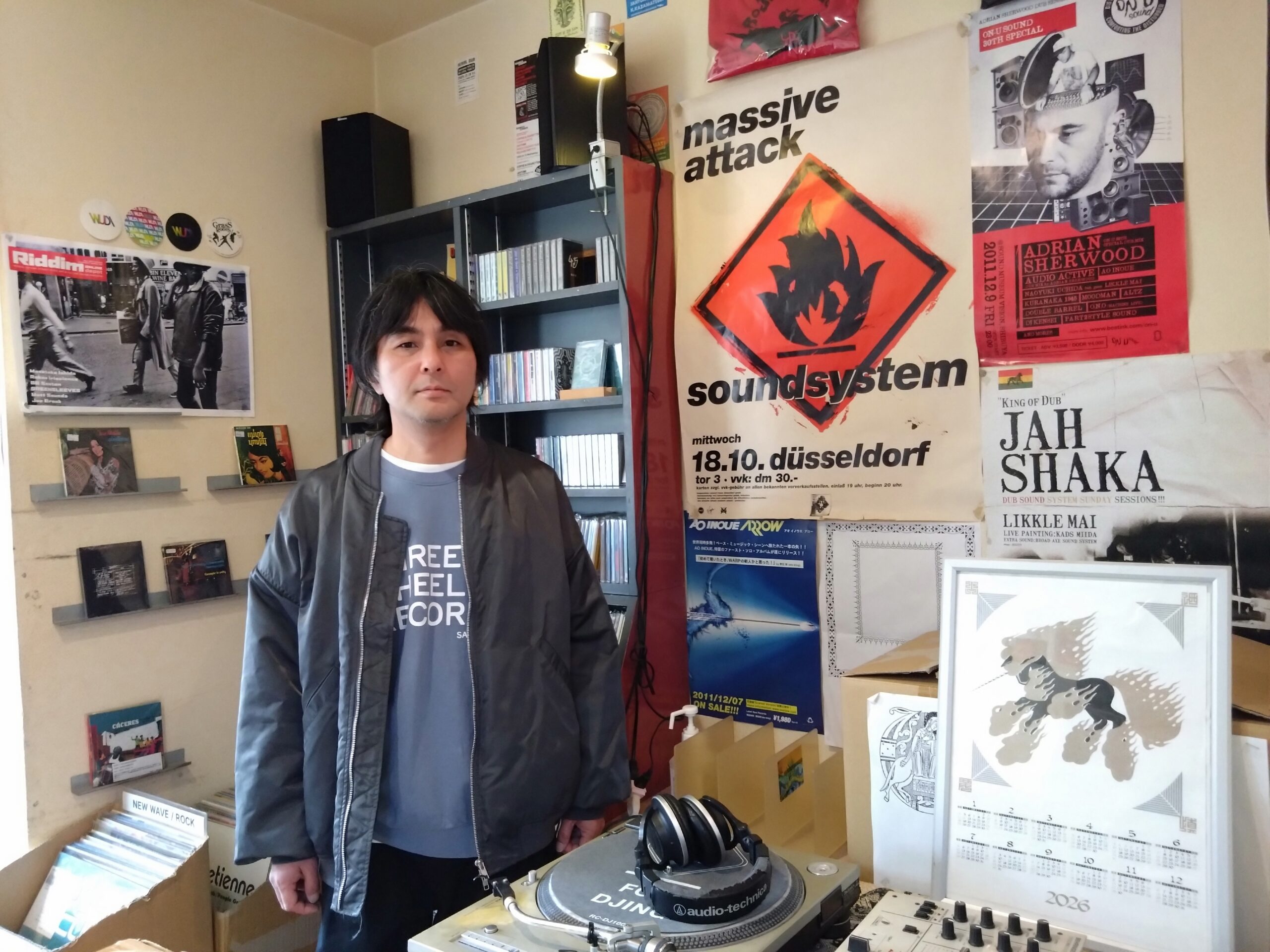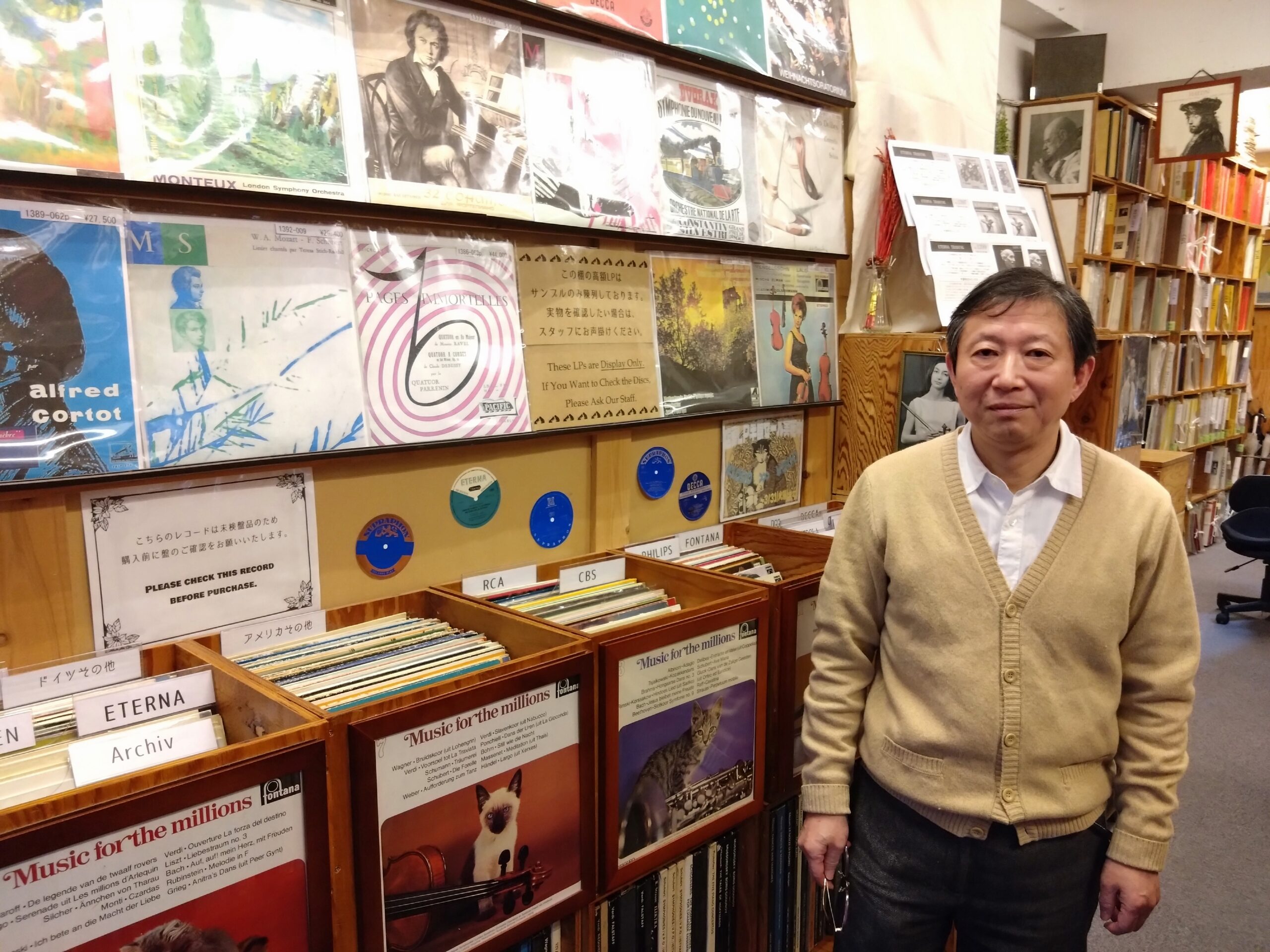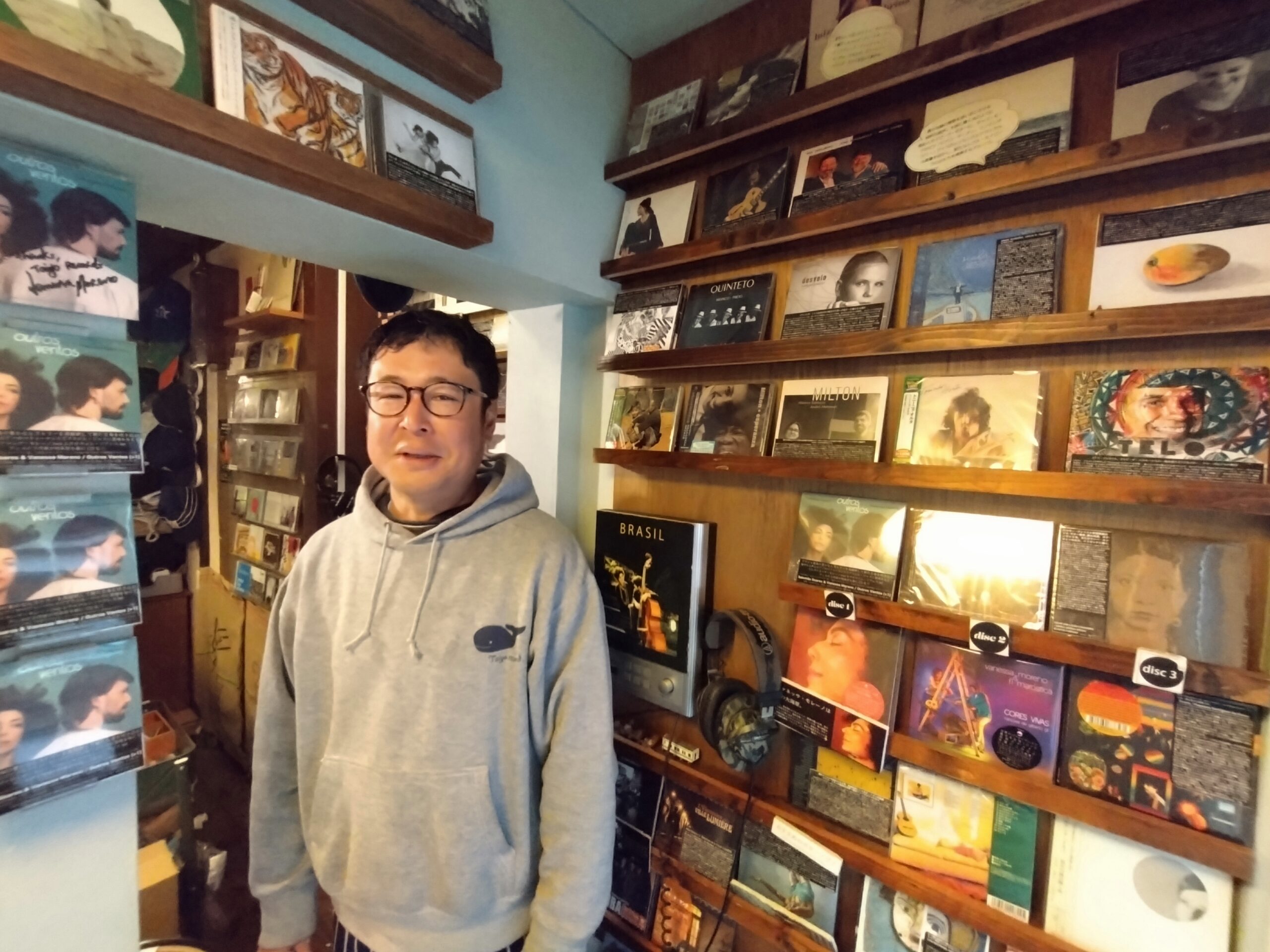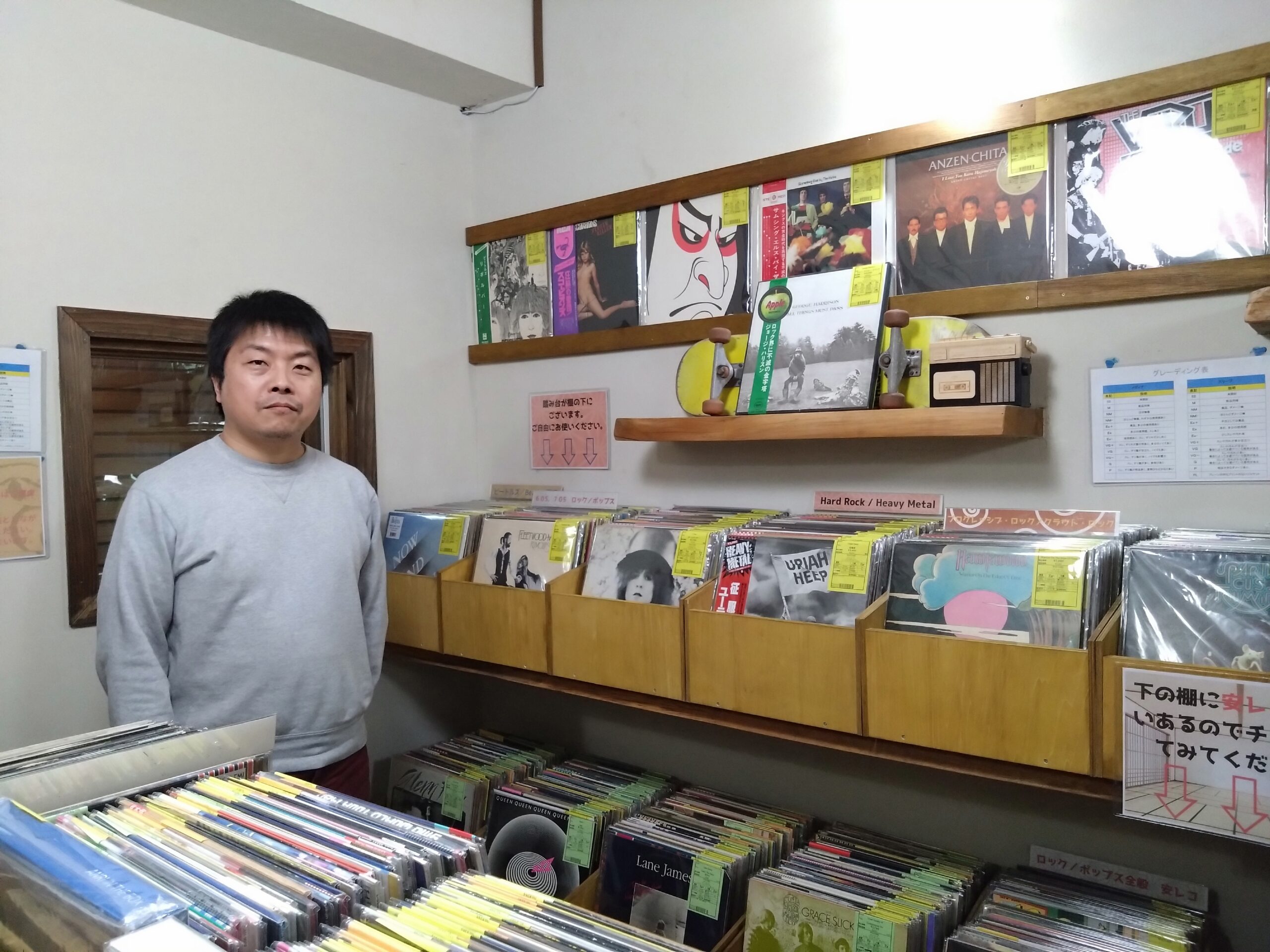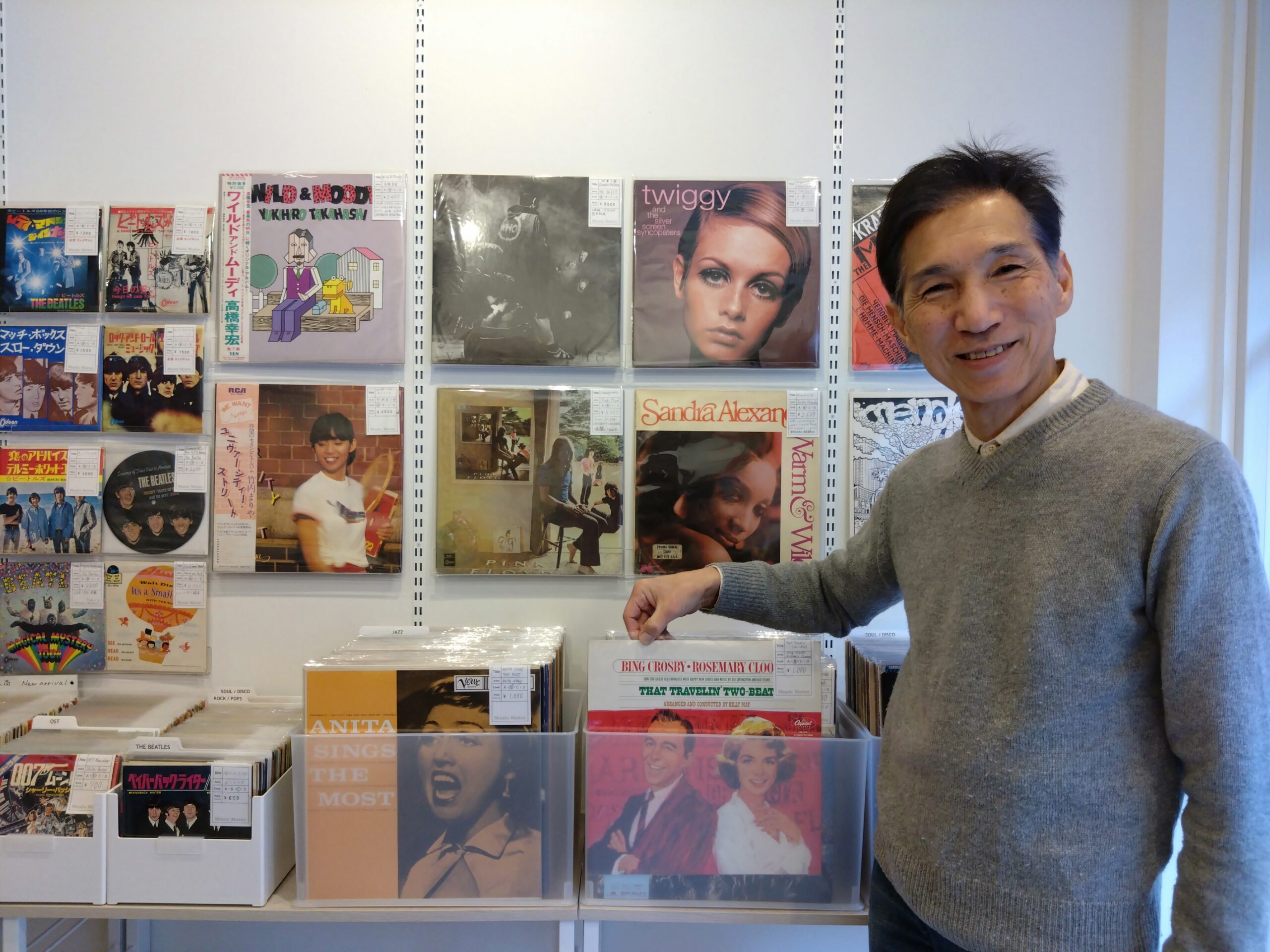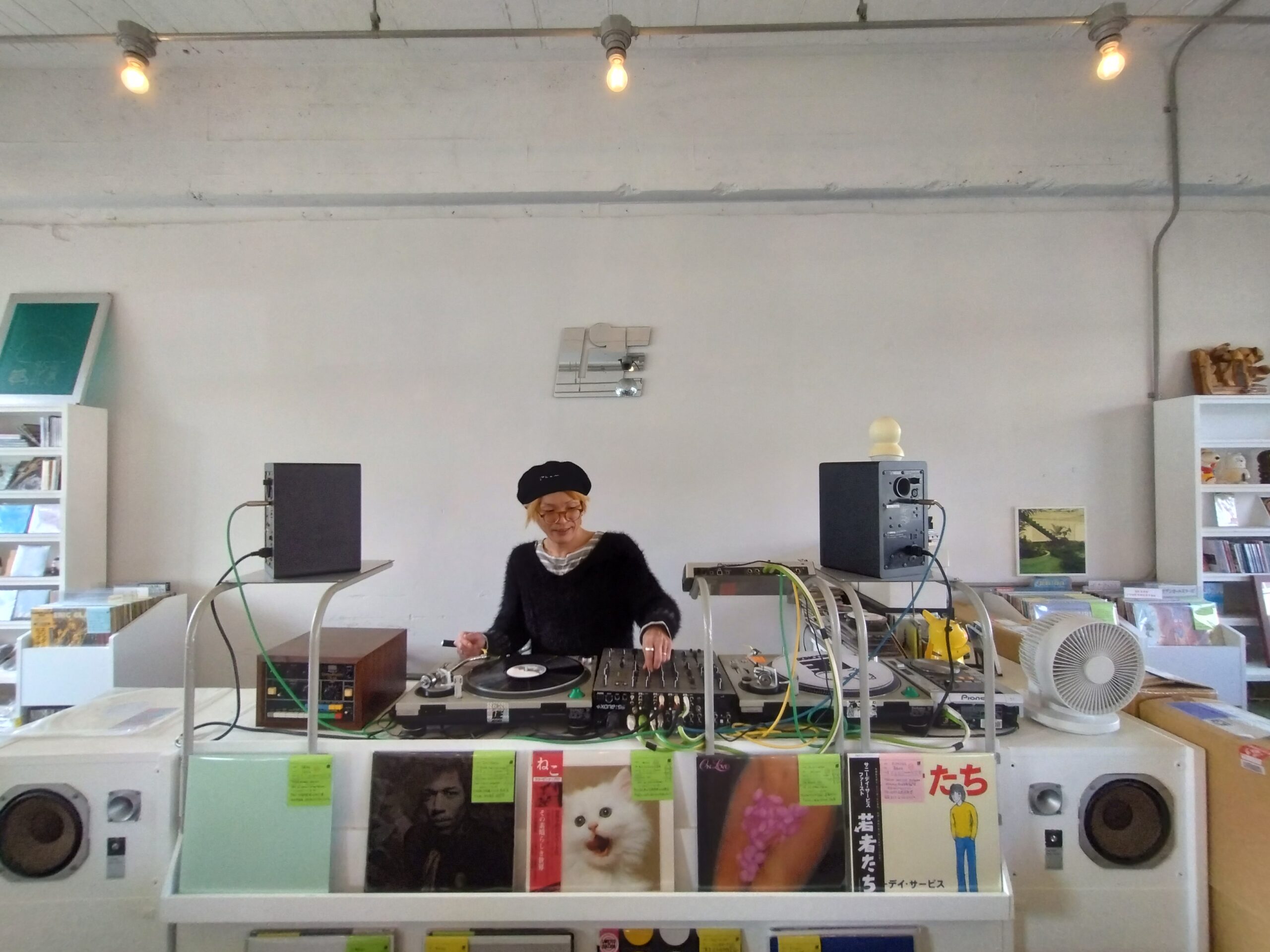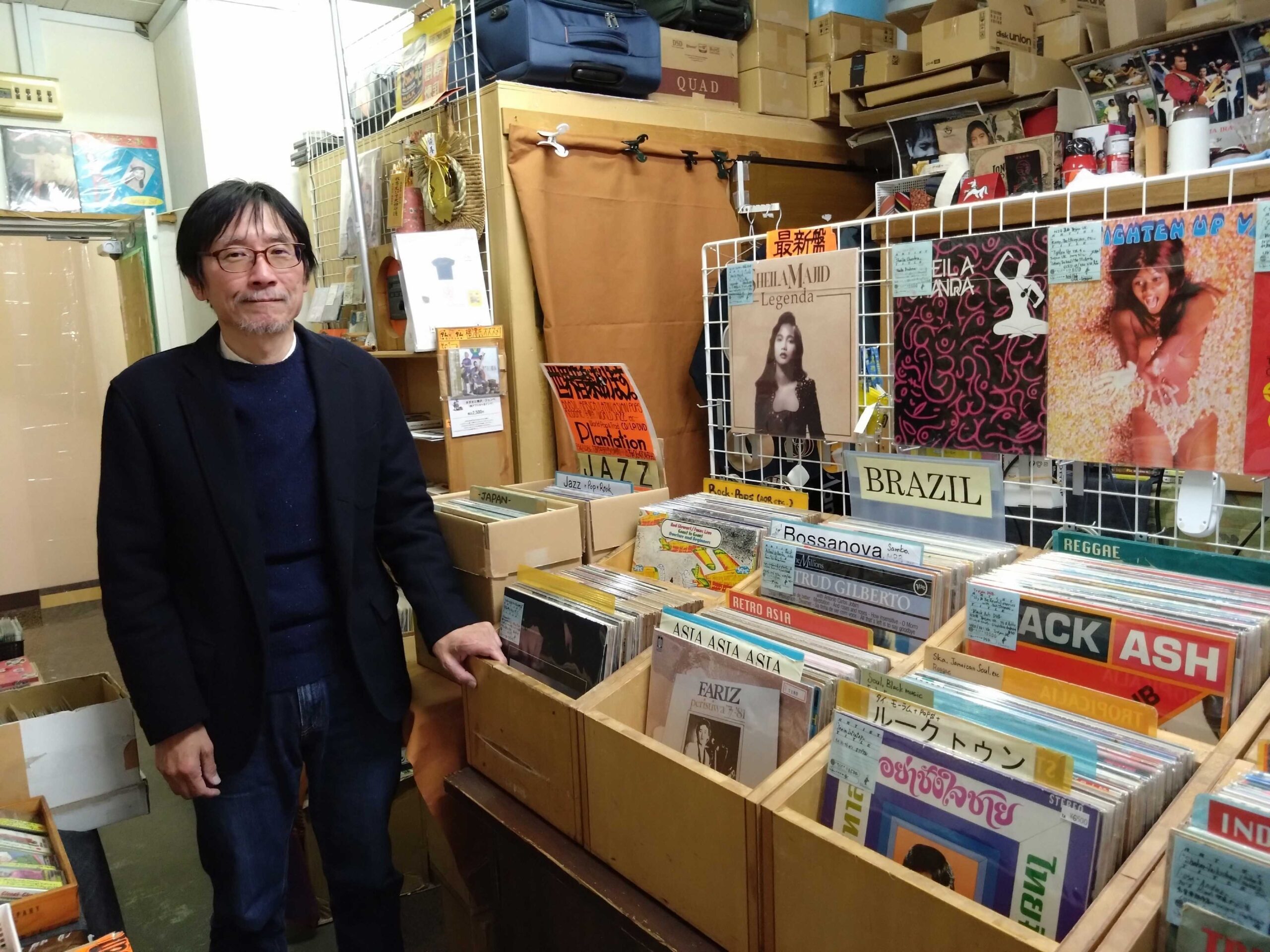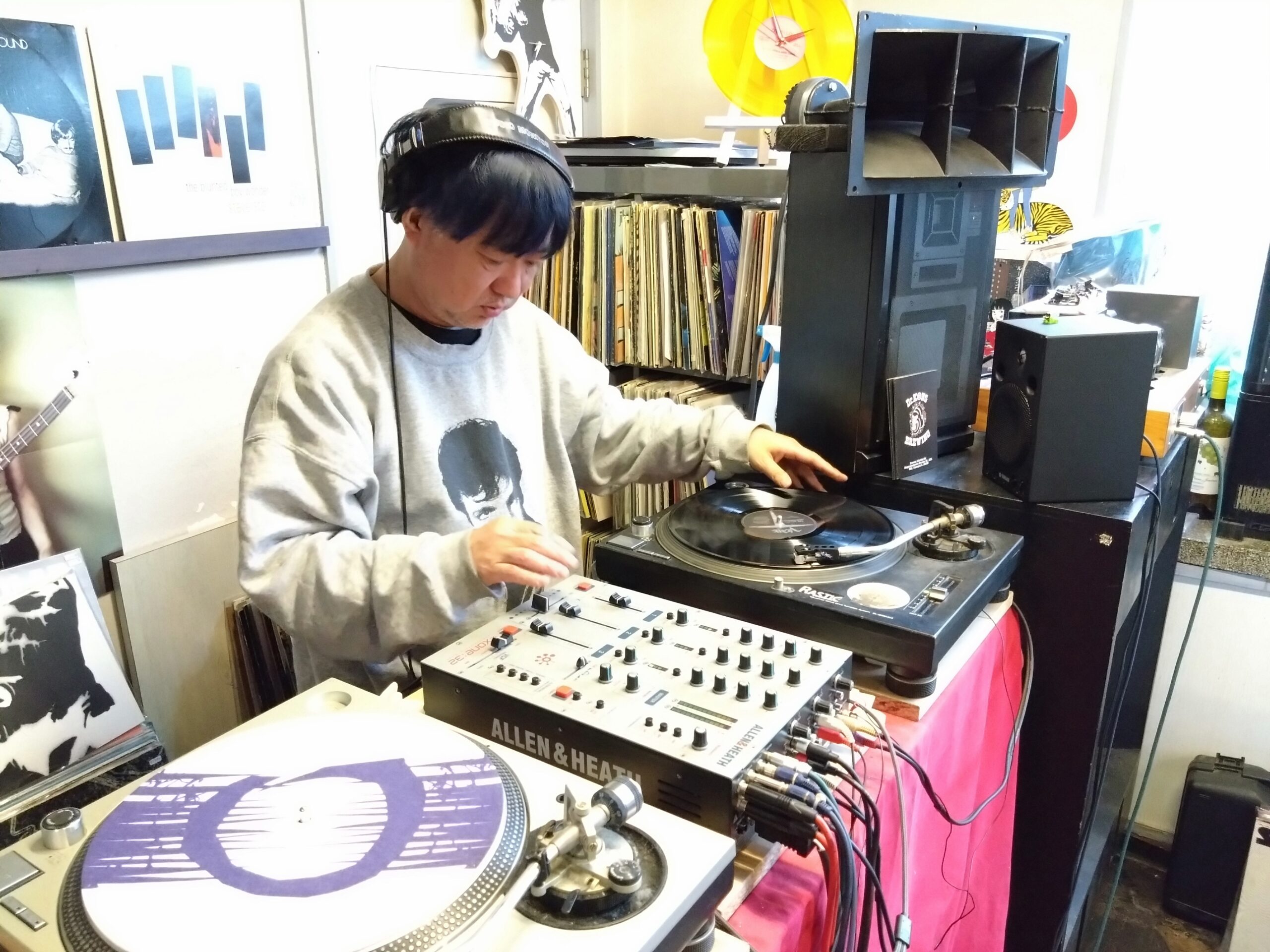
“Recoya’s Yomoyama Tales” is an interview series featuring record shop owners. This time, we visited PHYSICAL STORE in Shimoigusa, Suginami City, Tokyo.
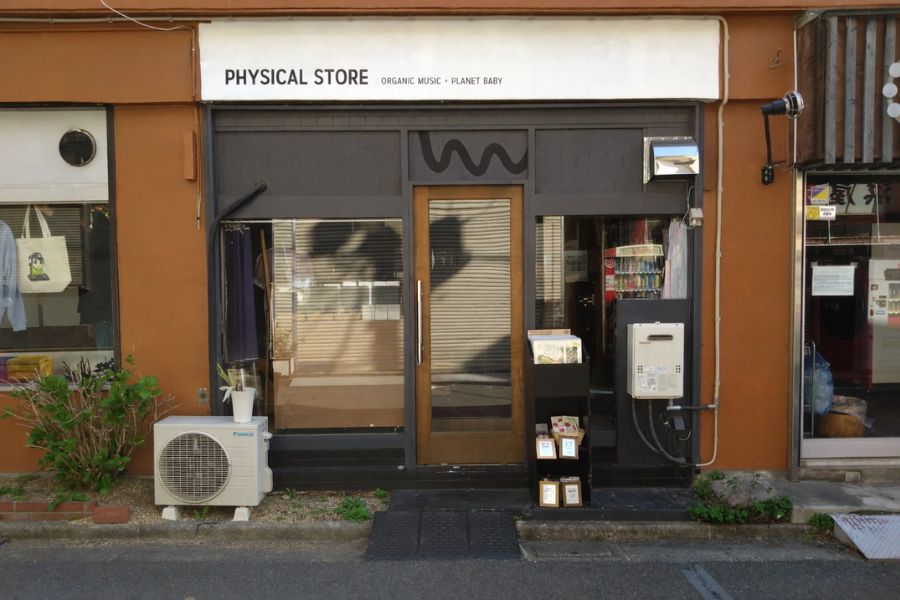
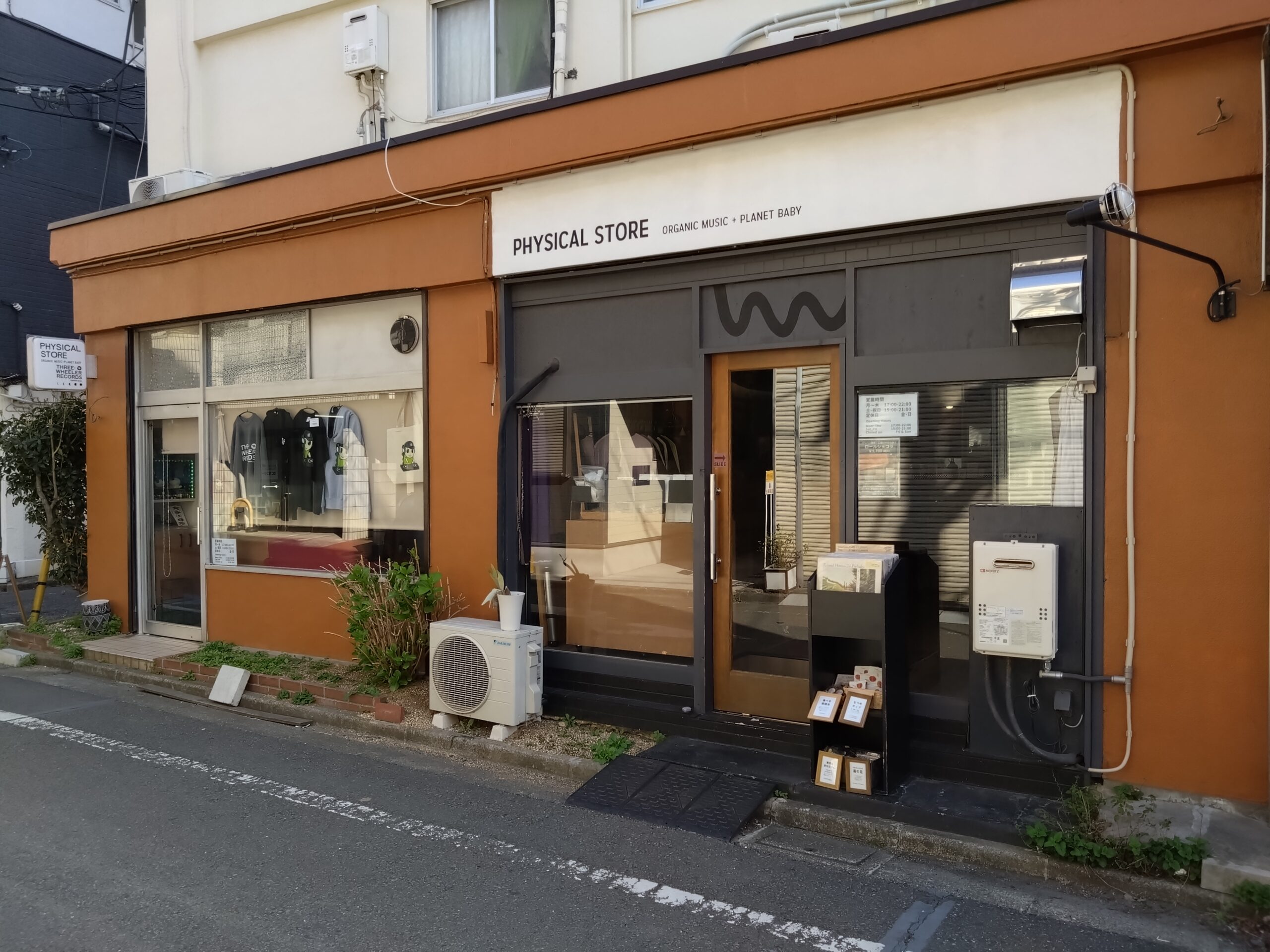
This shop, tucked into a residential neighborhood in Shimoigusa, is more than just a “stylish independent store.” Its owner, Mr. Shimizu—better known in music circles as CHEE—has built trust over many years as a DJ, both in Japan and abroad. It wouldn’t even sound like an exaggeration to hear that some customers come from overseas just to meet him. That is why this place has a pull that goes beyond being merely a local record shop.
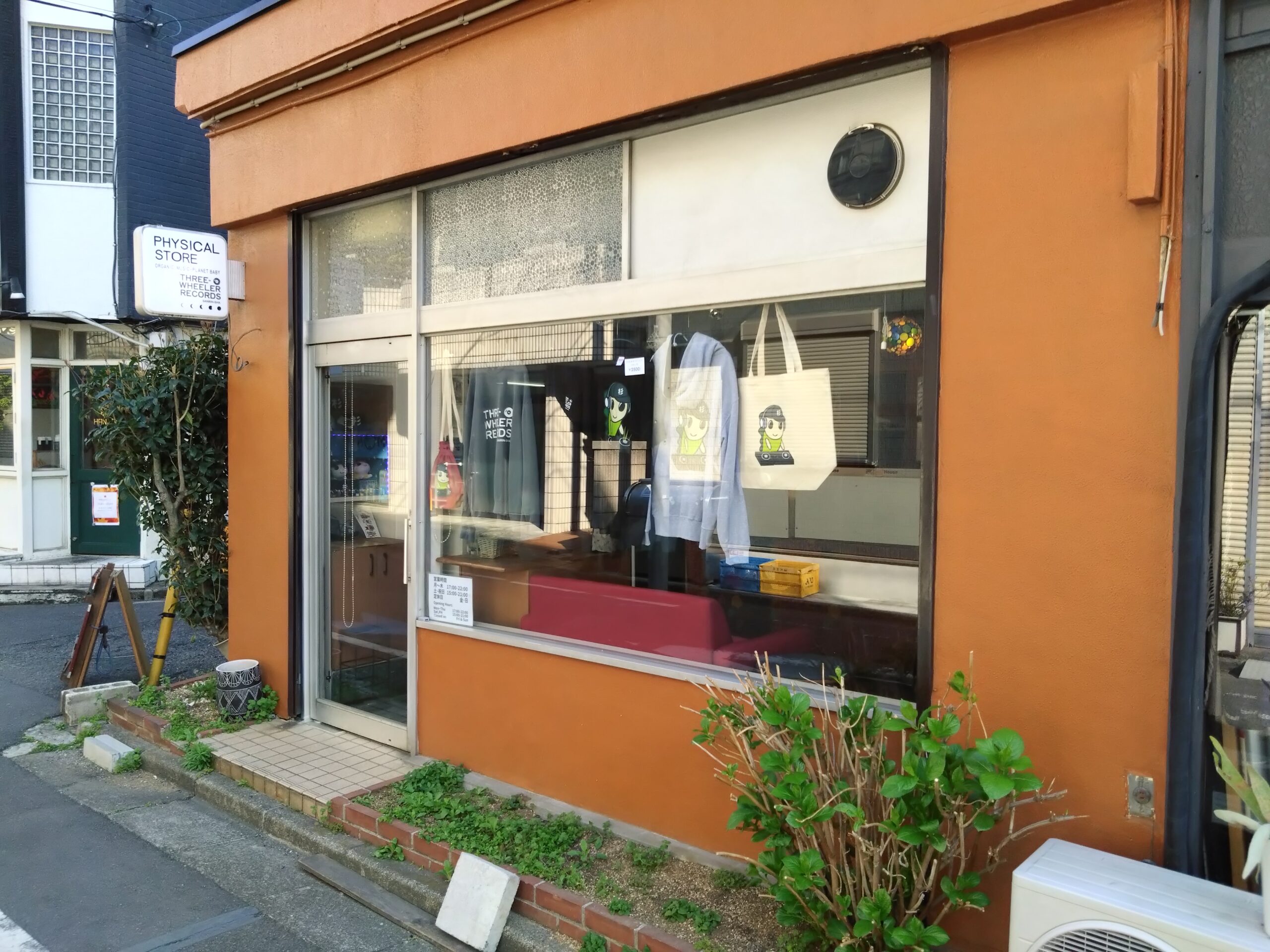
And yet, what you first feel standing in front of the shop is not the weight of his reputation, but a certain tension in the space itself. The dark-toned exterior. An entrance that makes you brace yourself just a little. In fact, CHEE himself described the first impression of the store like this:
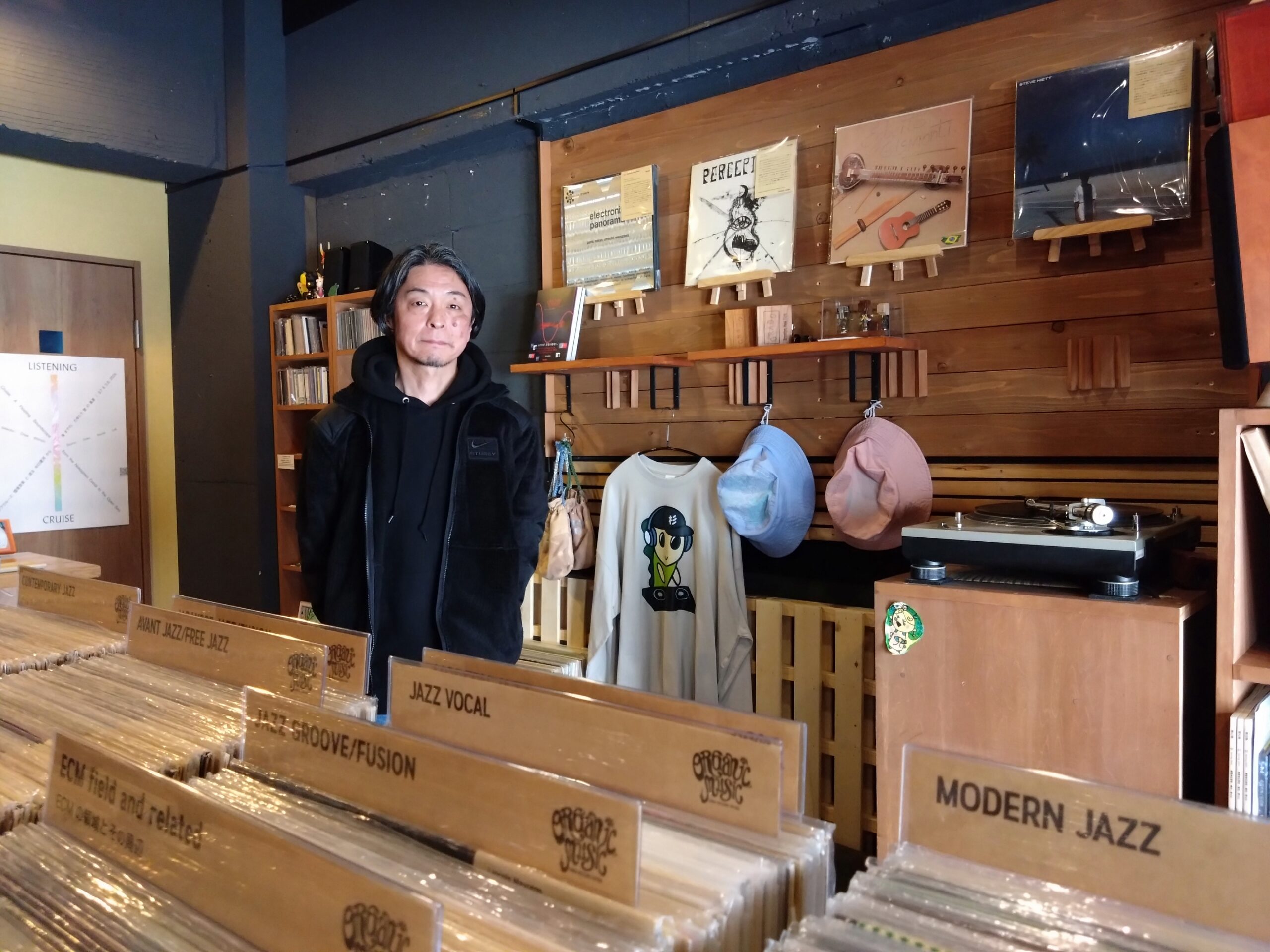
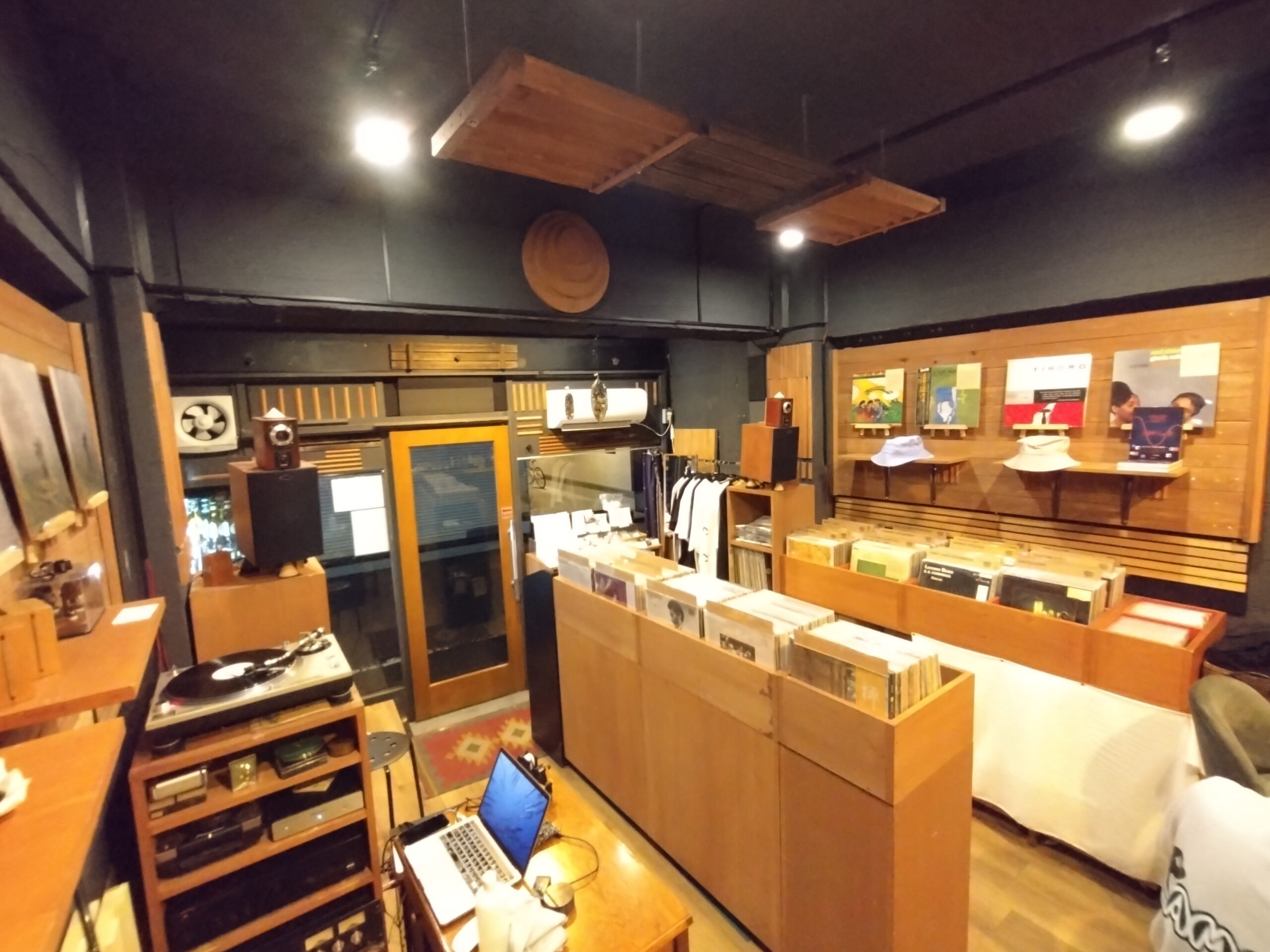
But once you step inside, that brief tension is pleasantly overturned. Wooden shelves, neatly arranged records, turntables, speakers, headphones. There is a lot to take in, but it never feels noisy. From a DJ’s point of view, this is not a shop that feels “dressed up”; it feels “well arranged.”
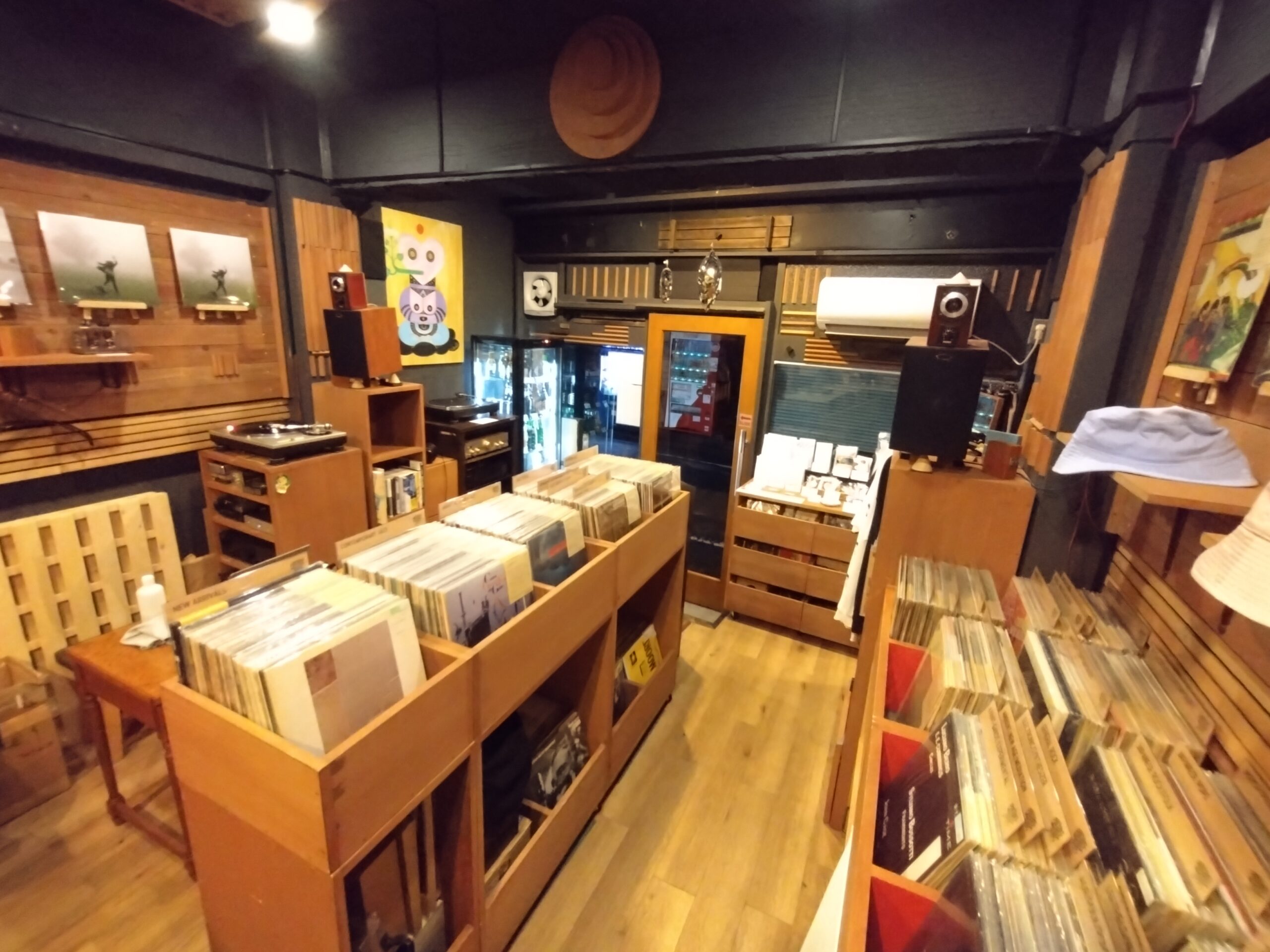
And this is not just a place to buy records. Neighbors come by for a drink, then naturally mix in with regulars who love records. It is a local social spot, while also being a destination for people who come from afar. CHEE described that feeling this way:
That was how he put it.
There is a bit of tension before you walk in. But once you do, it feels softer than you expected. That sense of “unraveling” felt very much like this shop’s character.
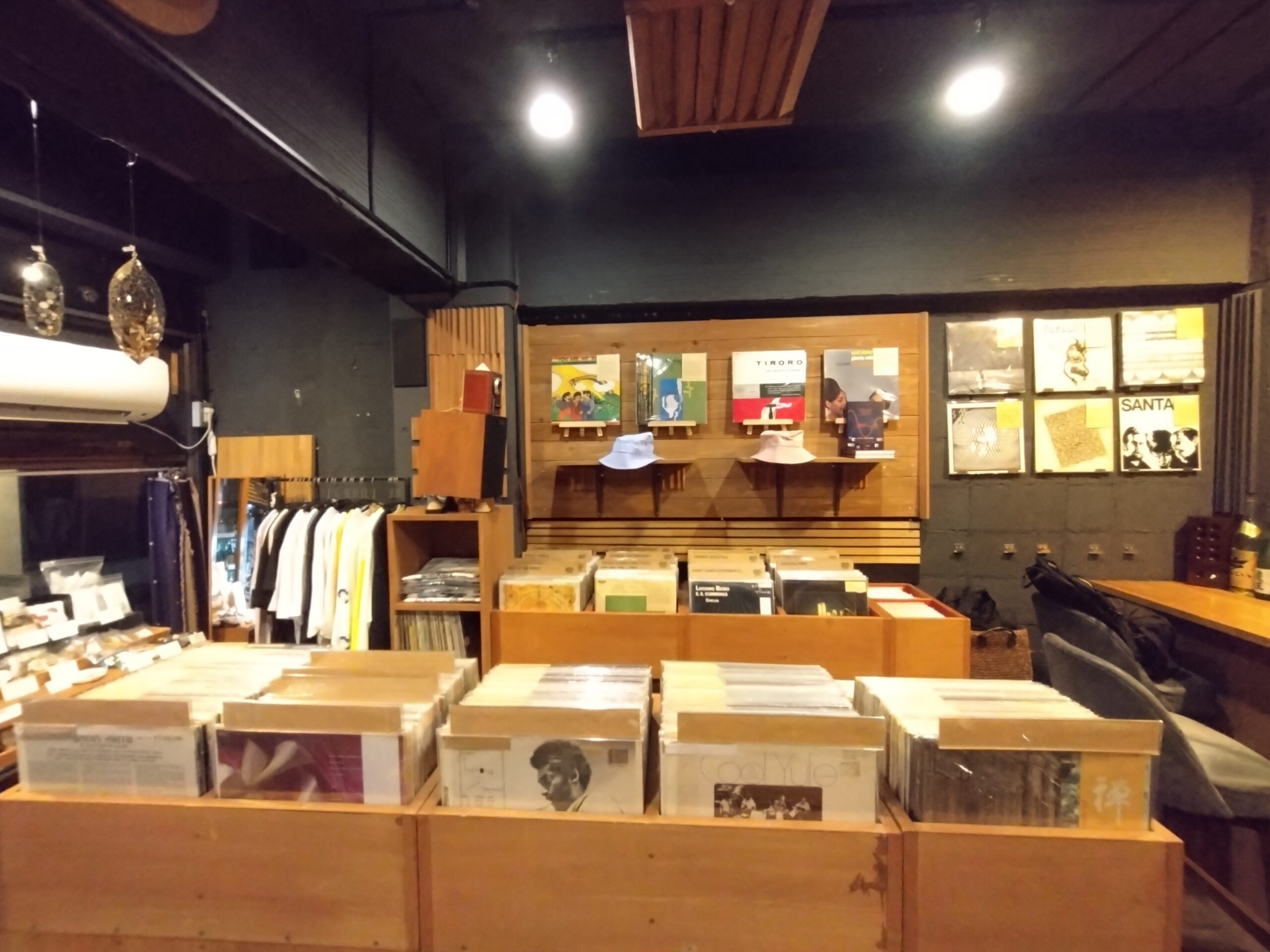
A record shop’s shelves reveal the way its owner thinks. Looking at the shelves at PHYSICAL STORE, what struck me was not so much “what is there,” but “how it all connects.”
Jazz, European progressive rock, world music. Taken as words alone, the range sounds broad. But this is not simply an all-genre shop. What runs through the shelves is not comprehensiveness, but the trail of sounds that caught CHEE’s ear.
CHEE expressed that attitude very simply:
It is not just about digging deeper into what he already knows. It is about reaching toward things he still cannot fully explain himself, but feels drawn to anyway. That sensibility spreads across the entire store.
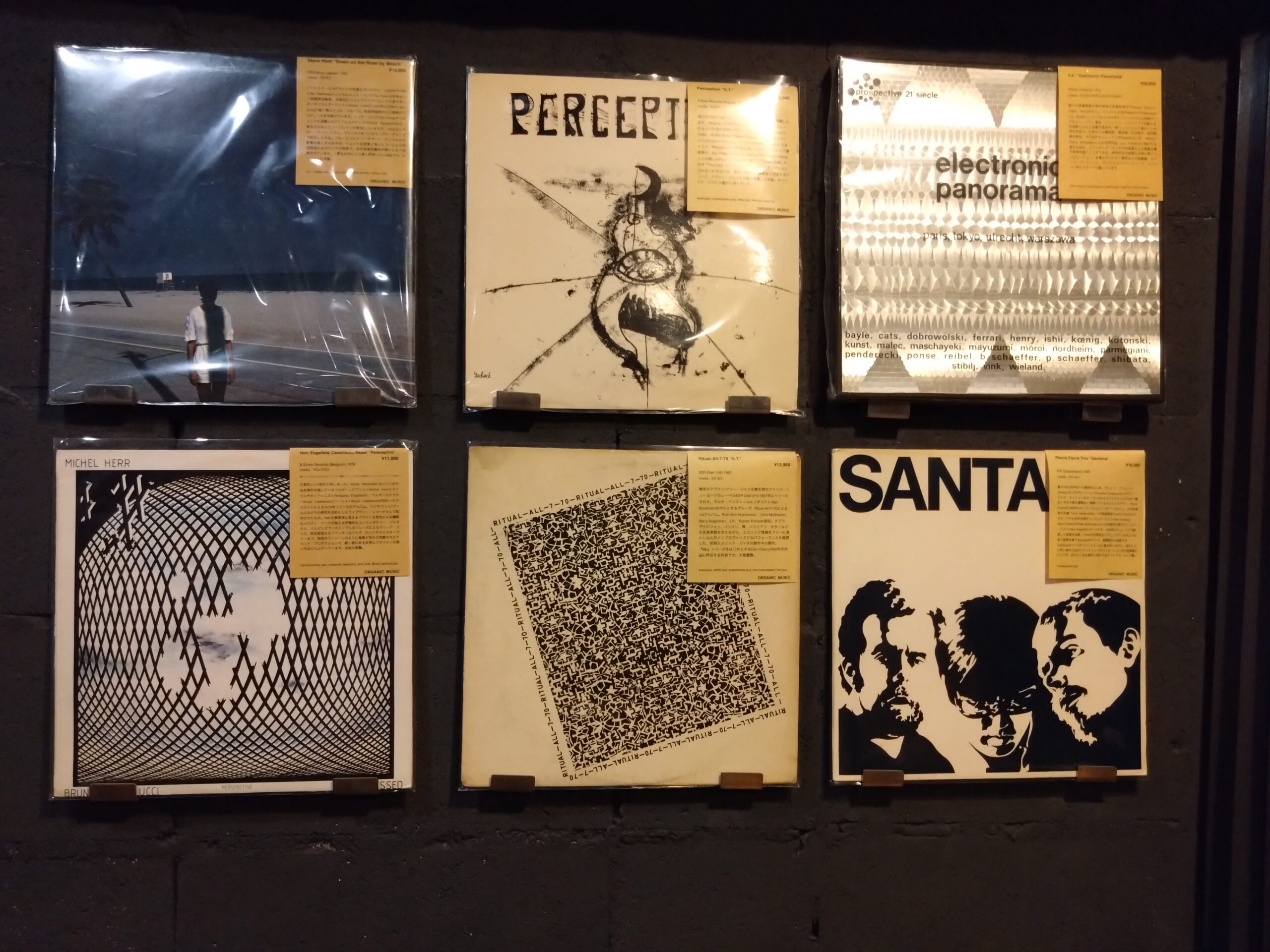
These days, he says there is a lot of jazz in the shop, but that was not because he had aimed for it as a specialty from the start. A major record buy brought in a substantial batch of authentic jazz, and as he listened, he gradually discovered its appeal for himself. In other words, the shelves were not built from a finished blueprint. They have grown little by little, alongside the owner’s curiosity and discoveries.
And what gives these shelves their conviction is the fact that CHEE has spent years presenting music to people as a DJ. He knows how certain records work in a room, how certain sounds settle into the spaces between conversations, and which records have just the right moment to be played. That sense runs beneath his comments. Which is why the shelves at PHYSICAL STORE do not feel like a collection of “correct answers.”
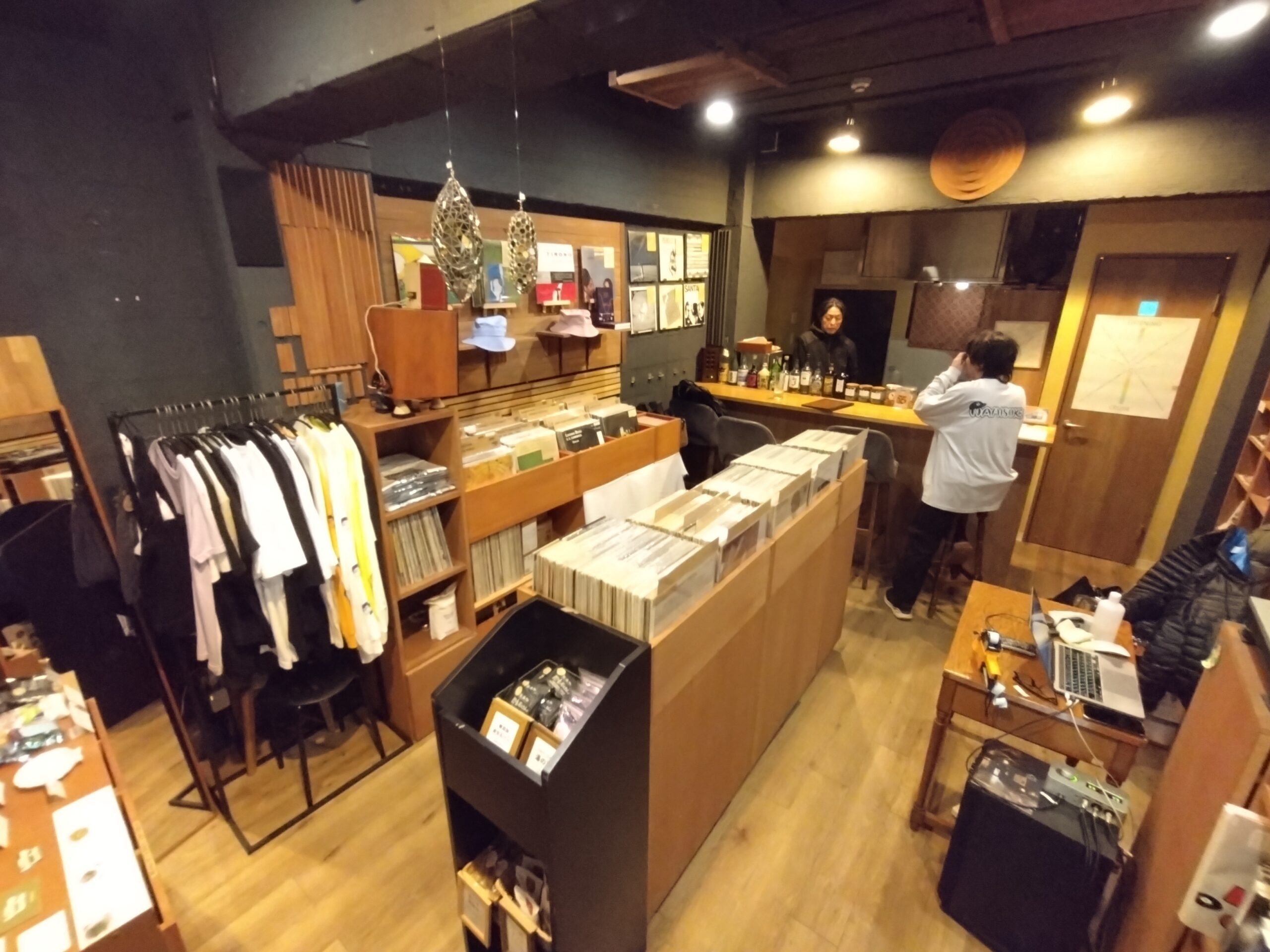
This was the part of the interview that drew me in the most. When I asked whether there was a record that changed his life, CHEE did not respond by naming some obvious masterpiece.
The reason he gave was deeply memorable:
That answer felt very much like PHYSICAL STORE itself.
Something that did not resonate when you were young can suddenly open up later in life. Sounds you once passed by can, at some point, hit you in exactly the right way. CHEE talked about ambient music, about how the way he sees Brian Eno changed over time, and about how the charm of older jazz has started to bloom for him more recently. The line that expressed that feeling best was this:
That passage stayed with me.
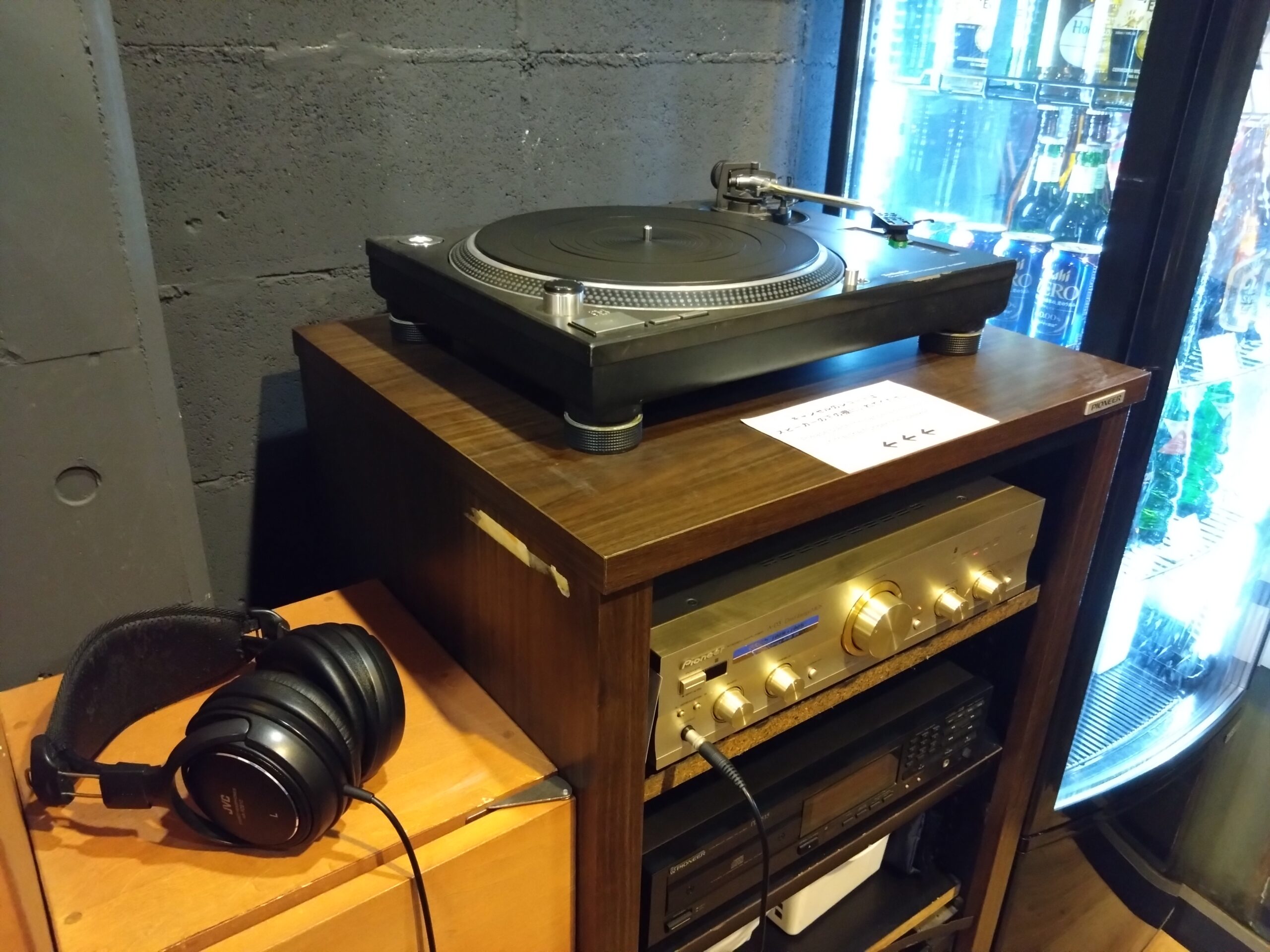
There are plenty of records I did not understand at first, too. Then a few years later, I play them again and suddenly the sound feels more open, or the comfort of the midrange starts to come through. Records I once passed over can one day hit me with a simple “This really works.”
The record itself does not change, but because the way we listen grows, the same disc can show us different landscapes again and again.
What is interesting about PHYSICAL STORE is that it assumes this kind of ear can keep growing. Rather than crudely dividing things into “for beginners” and “for experts,” it stocks records that might not make sense to you yet, but may suddenly open up one day.
It feels less like a store for increasing the number of songs you know, and more like a place that believes in the sensation of becoming able to hear.
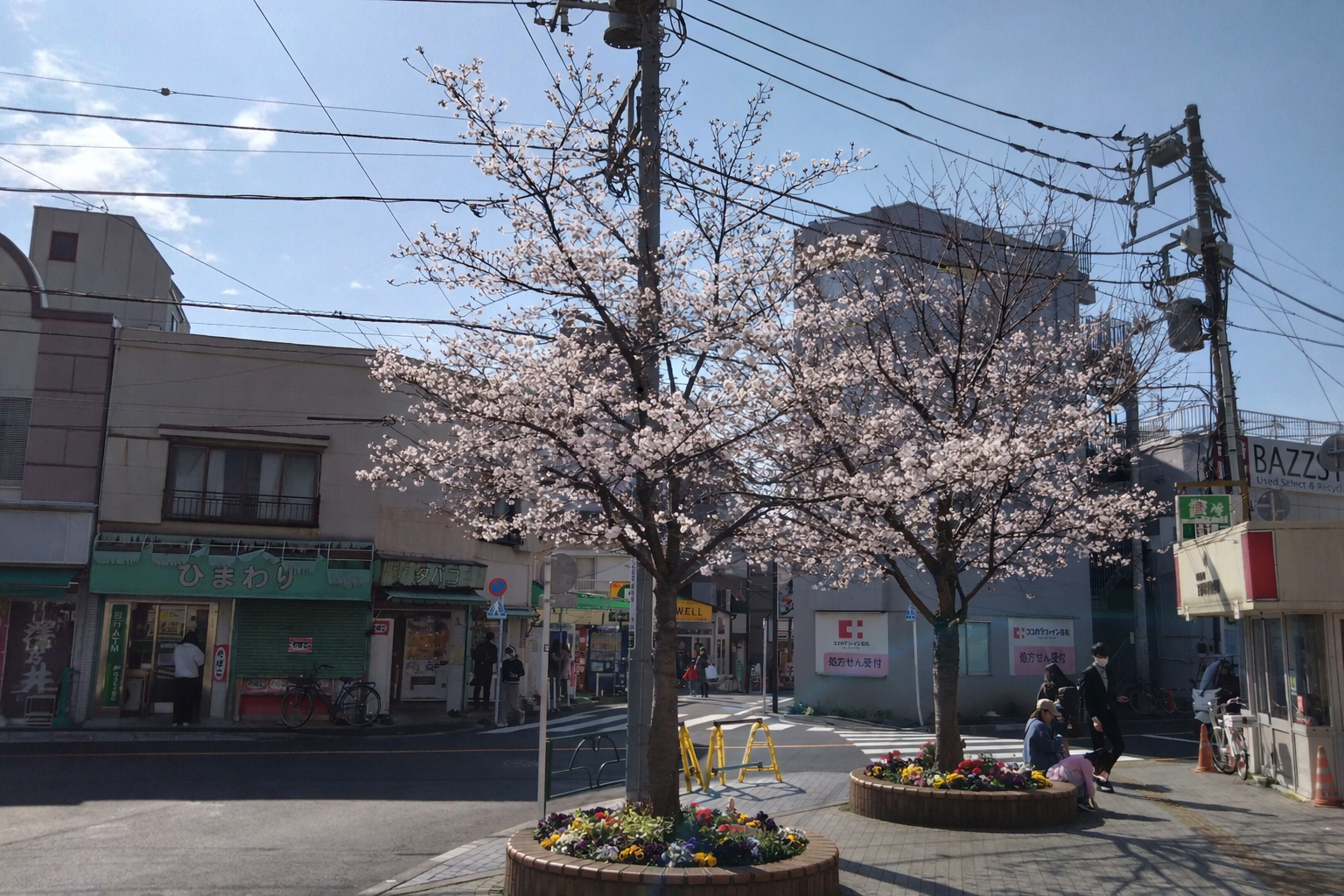
The more you listen to the story of PHYSICAL STORE, the more you realize that its relationship with the neighborhood is as important as the shop itself.
Shimoigusa is not what people would call a “record district.” It is a residential area, home to many long-time locals. It is not flashy, but it is not overly quiet either. That ordinariness suits this shop perfectly.
CHEE described the area like this:
But that very lack of fuss feels important. If it were deeper in the city center, the shop would probably feel more like a destination. On the other hand, if it were in a more closed-off place, perhaps there would be fewer chances for people coming from overseas to cross paths with it. Shimoigusa sits right in between.
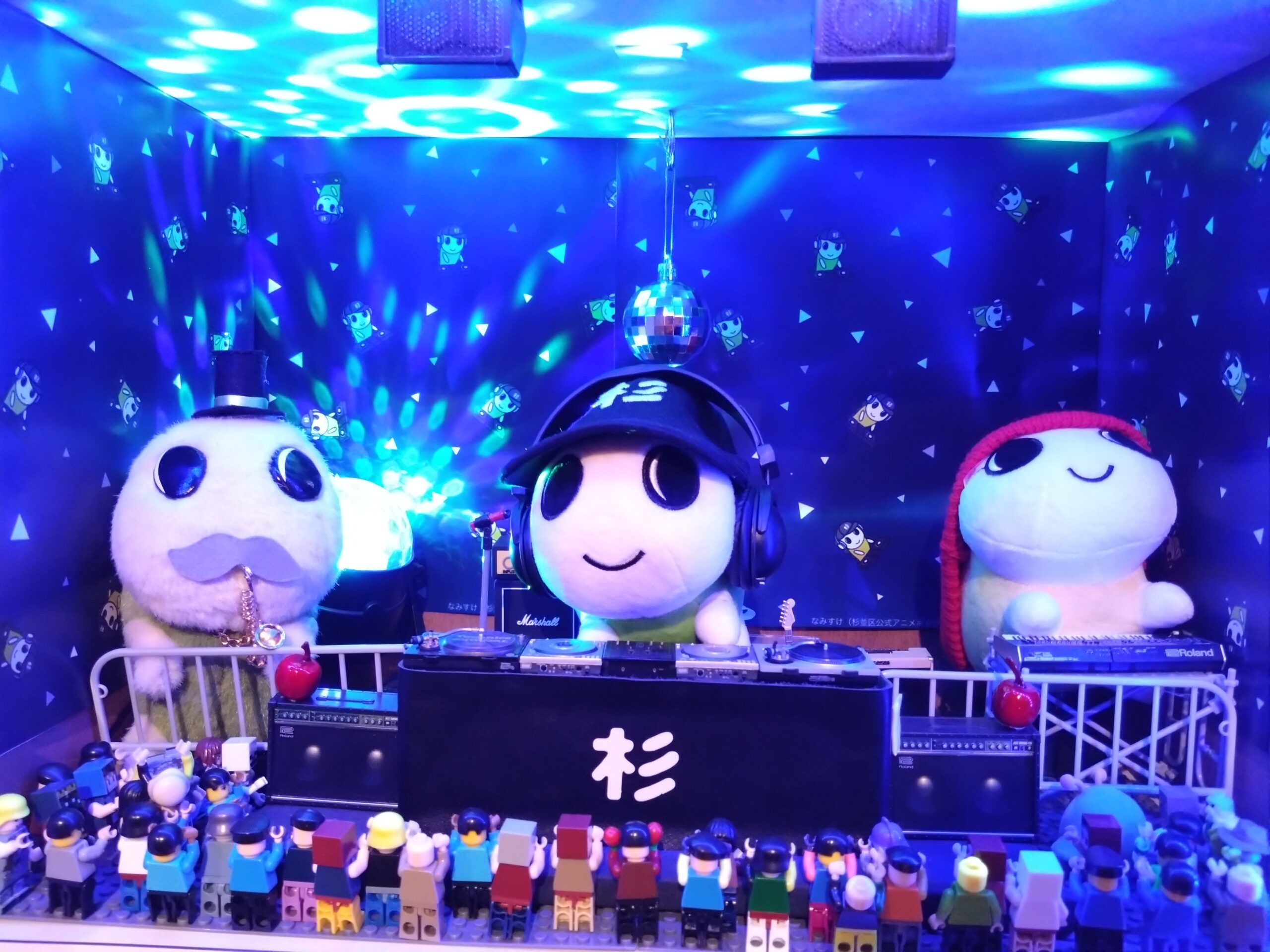
It still feels like a residential neighborhood. But because it is Tokyo, people also make their way here on purpose. Locals drop in for drinks, while others come from overseas just to meet CHEE. The crossing of those two worlds feels completely natural.
And you can also sense that CHEE genuinely loves this town.
The relationship between a record shop and its location can shape the atmosphere of the store more than you might expect. This “perfectly balanced mixing” that could only have emerged in Shimoigusa feels like one of the charms of PHYSICAL STORE.
Recently, activity has also begun next door with Record Sanrinsha, and you can already sense the area itself expanding as a place.
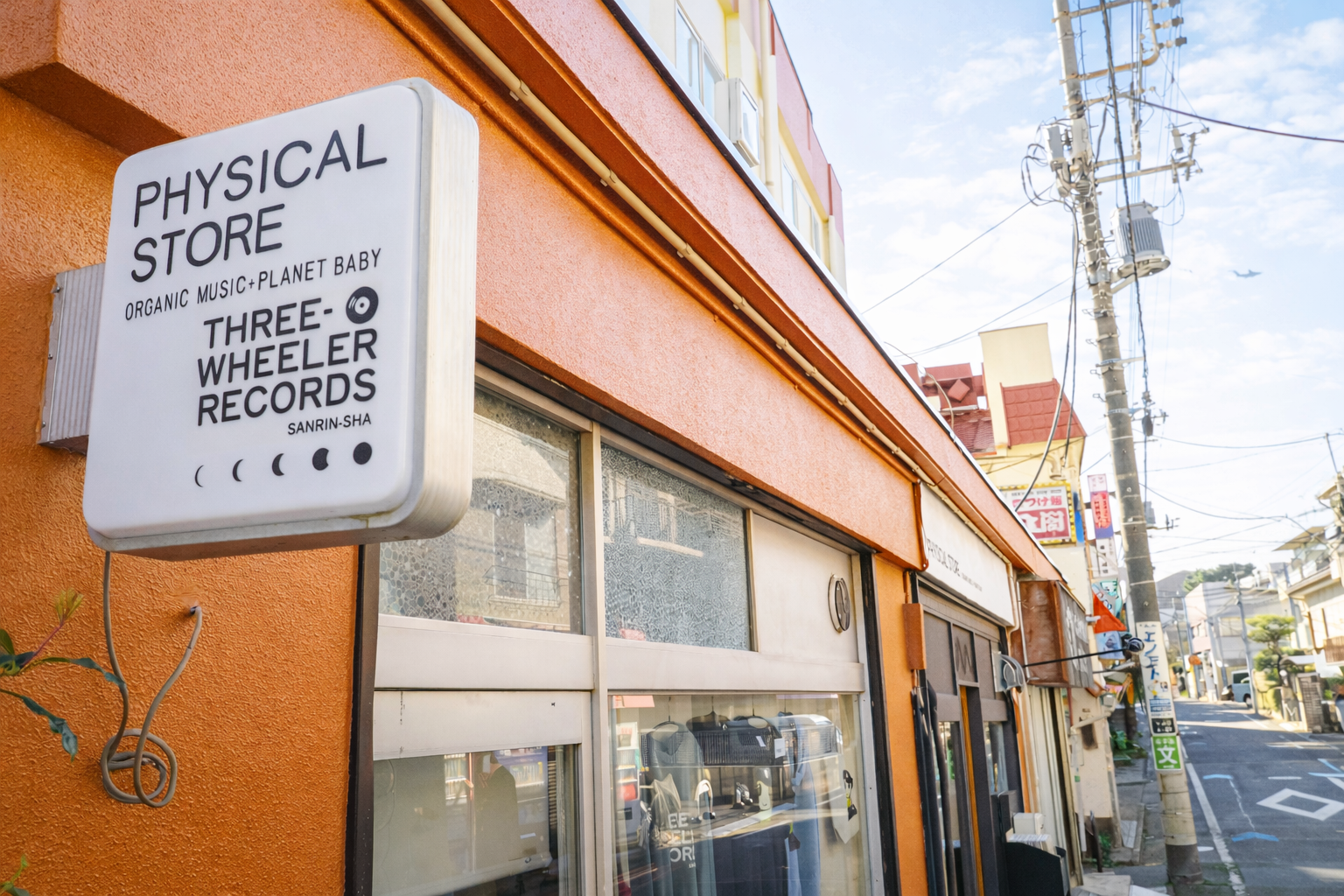
Record Sanrinsha is a newly opened record shop in Shimoigusa focusing mainly on dance music. It opened next door to PHYSICAL STORE on February 22, 2026. It is the kind of place where the enthusiasm of people connected through music seems to turn directly into shelves. There is a special kind of appeal in the fact that it has only just begun. It is not a fully finished shop, but one whose shape will grow as records and people continue to mix together. Maybe this is exactly what the temperature of a new scene feels like.
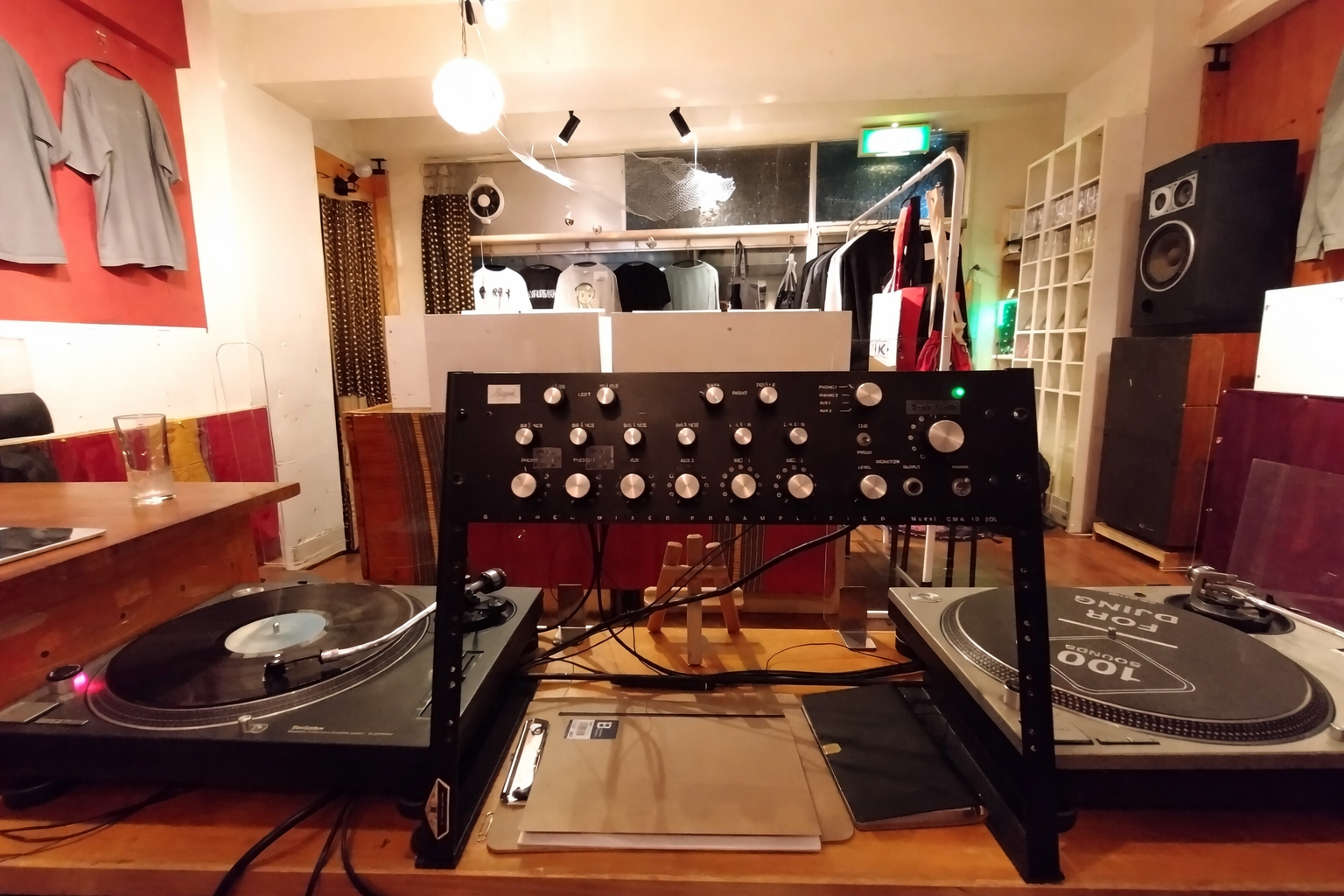
An essential part of CHEE’s story is his long career as a DJ. Born in Tokyo, he moved to Matsumoto, Nagano, at the age of ten. There, he started listening to Western music, buying records himself, and playing in bands during high school. After returning to Tokyo, he studied and worked in design, DJed, sold records online, and eventually opened a physical store. Music has remained at the center of his life all along.
What stands out in particular is that he continued building a style of DJing that was entirely his own. Without confining himself only to the context of dance music, he gradually built support as a “DJ for listening.” As his selections and his record selling developed side by side, interest in what he was doing began to spread not only in Japan but overseas as well. CHEE himself said:
That is how he described it.
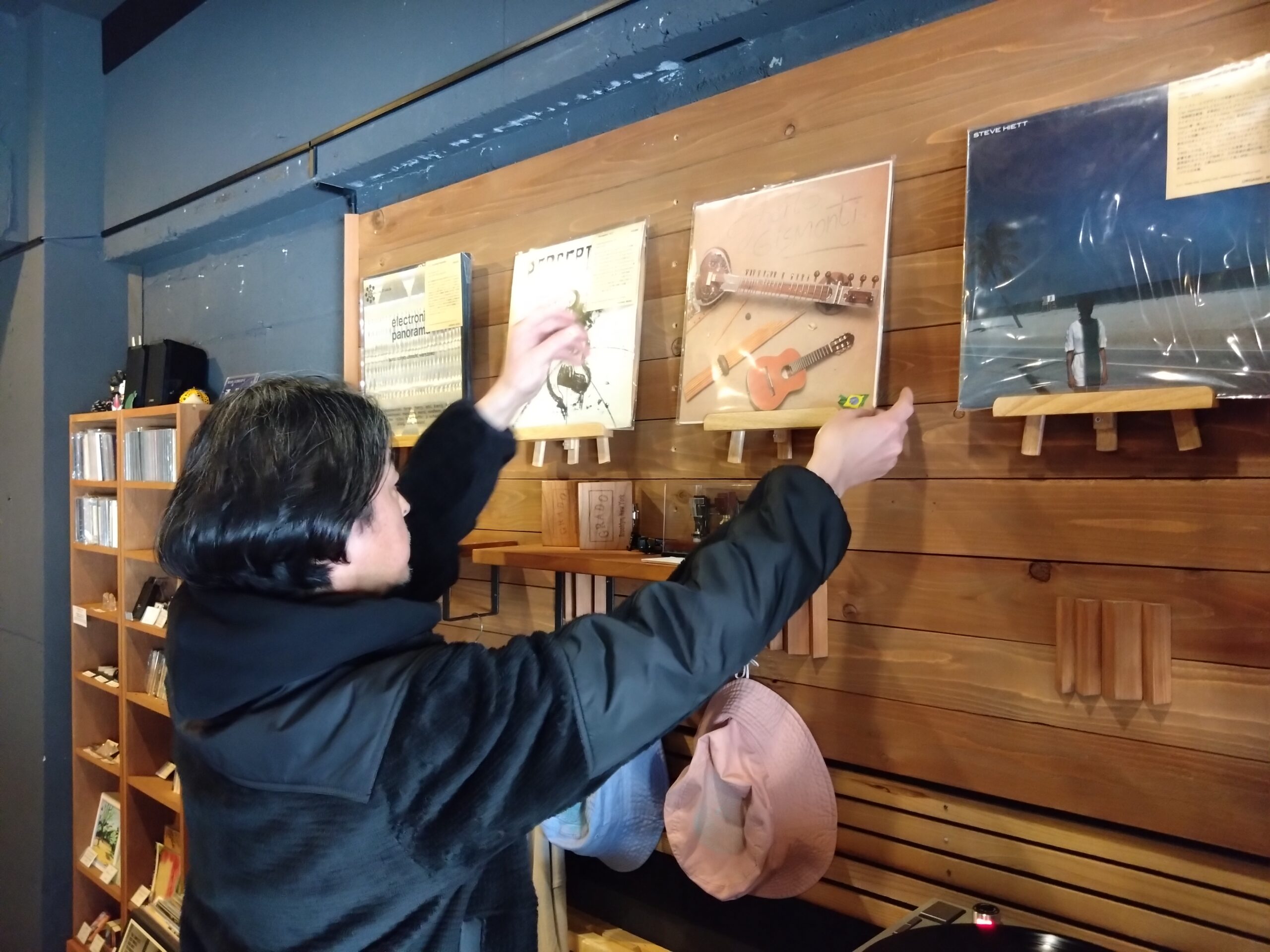
But what lingers most after meeting him in person is not that impressive career history so much as his softness. He does not pretend to know what he does not know. He asks openly when he wants to learn. That felt wonderful.
That line revealed a lot about his character. Apparently he was much sharper-edged when he was younger, though.
Over many years in music, he has met all kinds of people, encountered all kinds of ways of thinking, and gradually come to see things from a wider perspective. Music can change more than just your skill or knowledge. Sometimes it changes the contours of a person, too. CHEE’s calmness feels less like something he was born with, and more like a texture that has slowly grown through a long life spent with music.
When I asked, “Is there something you especially value when it comes to your customers?” CHEE’s answer was strikingly simple:
PHYSICAL STORE is not a shop only for people who know exactly what they are looking for. Of course some people come with a specific record in mind. But even more than that, this feels like a shop people visit with the expectation that “there might be something here.”
That is why it is actually very well suited to beginners, too. You do not need knowledge. You do not even need to name genres accurately. If you get stuck, you can ask. If something catches your attention, you can listen to it. This store genuinely has an entryway where “not knowing” itself becomes part of the fun.
And the phrase that felt most fitting for the motivation of the people who come here was the sense of “coming to find something.” Not so much coming to pick up a title you already know, but to collect that still-unnamed feeling of “something about this interests me.” Maybe that is the way both beginners and regulars enjoy this shop.
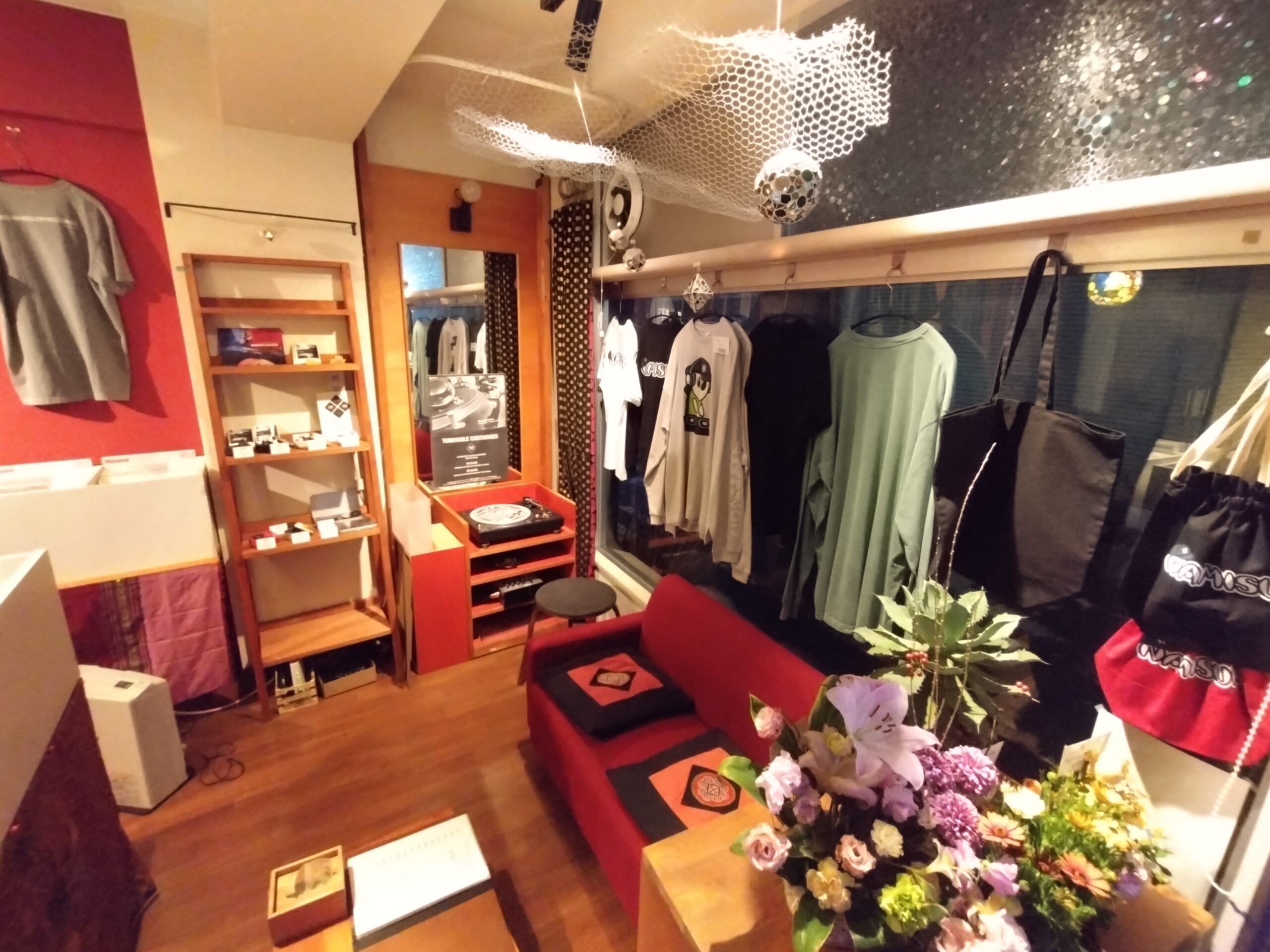
What I felt at PHYSICAL STORE was that records are not simply lined up there as objects. There are clearly people around the music.
CHEE’s ear is visible in the shelves. Conversations happen at the counter. Neighbors come by for drinks. People come from overseas to meet him. People deeply immersed in music and people who are not mix together naturally in the same place.
That way of mixing feels so good. Not like a dish that relies only on spice, but something supported quietly from underneath by the depth of the stock. It is not flashy, but it stays with you afterward. There is real depth here as a record shop, yet information never pushes itself to the front. In the end, it feels as though even the human presence on the other side of the records is part of what makes this place so appealing.
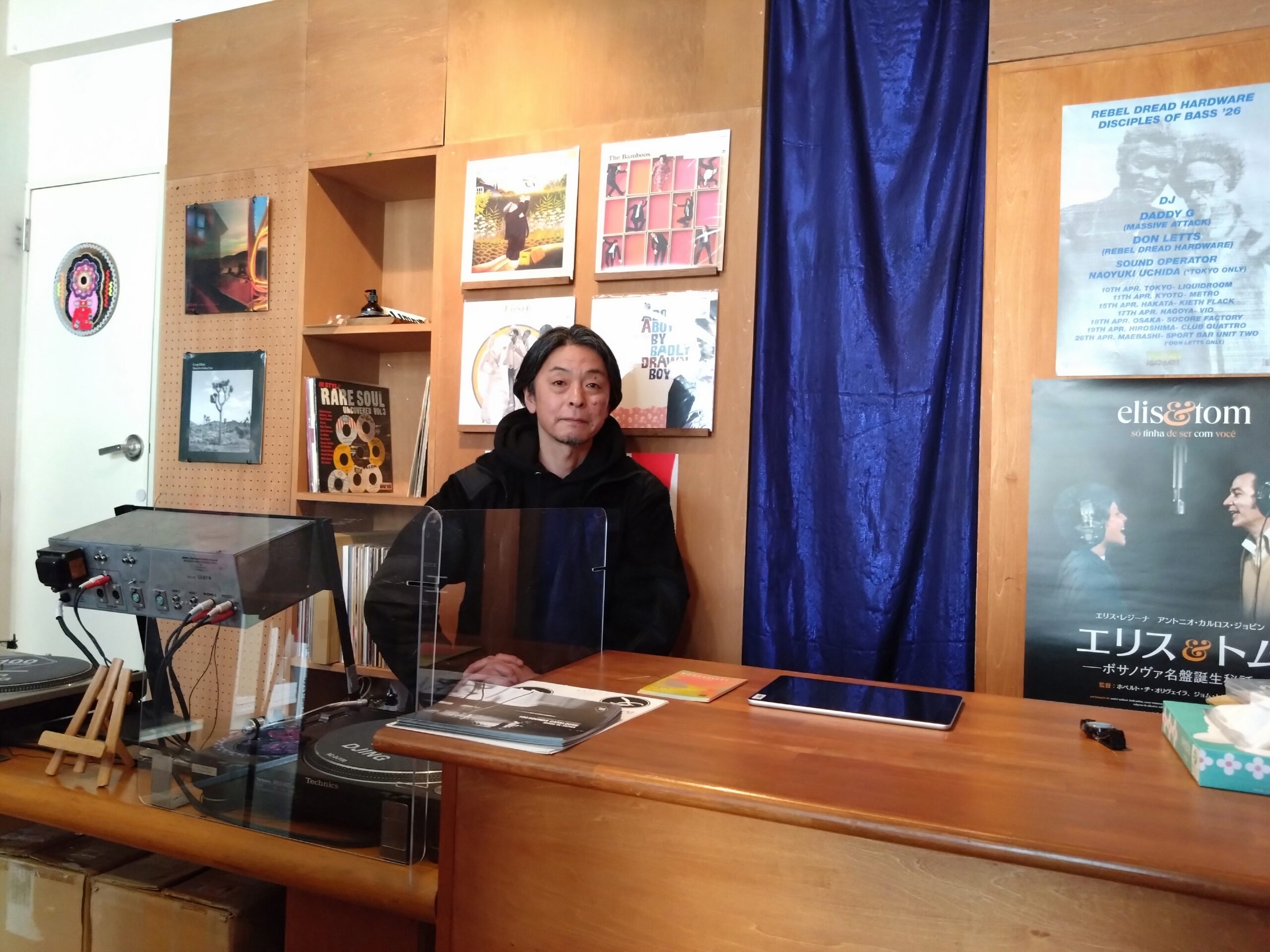
CHEE himself, speaking about the nature of the place, said:
Here, music is not a tool for sorting people. It is not about competing over who knows more, or about proving what is right. The fact that people connect naturally around music has itself become part of the value of this shop.
And in the end, maybe the simplest expression of this place’s essence was this:
But it is not a closed private room. It is the kind of room anyone can drift into, drawn in by music. PHYSICAL STORE felt like that: an open, personal space with a strangely compelling charm.
Meeting sounds you do not know. Meeting a version of yourself you do not know. And being able to begin that without unnecessary tension. Your imagination carries you to the next place you’ll play it. There is a real reason to come all the way to PHYSICAL STORE in search of a record like that.

|
||
|
||
|
||
|
||
|
||
|
||
|
||
|
||
|
||
|
||
|
||
|