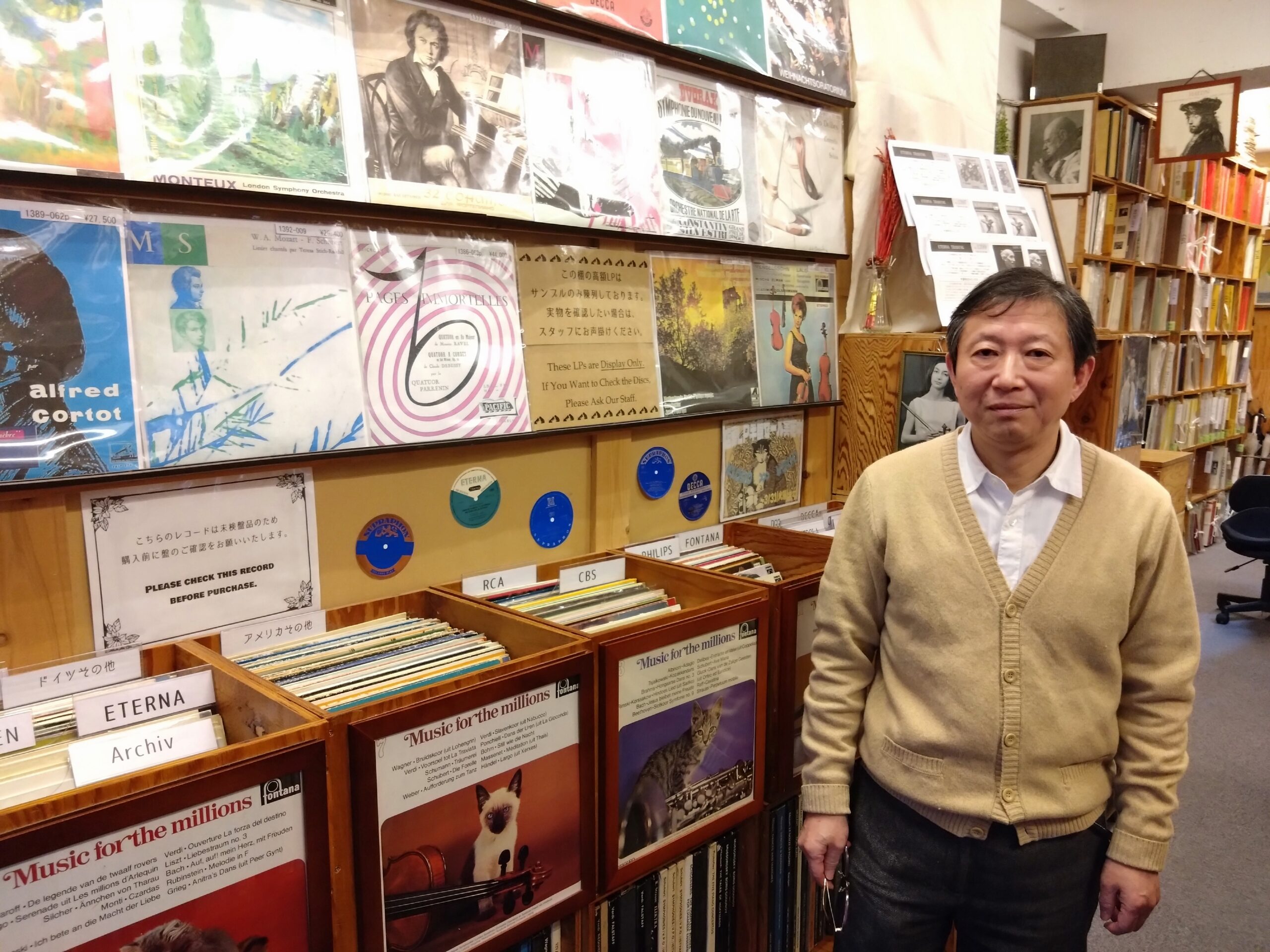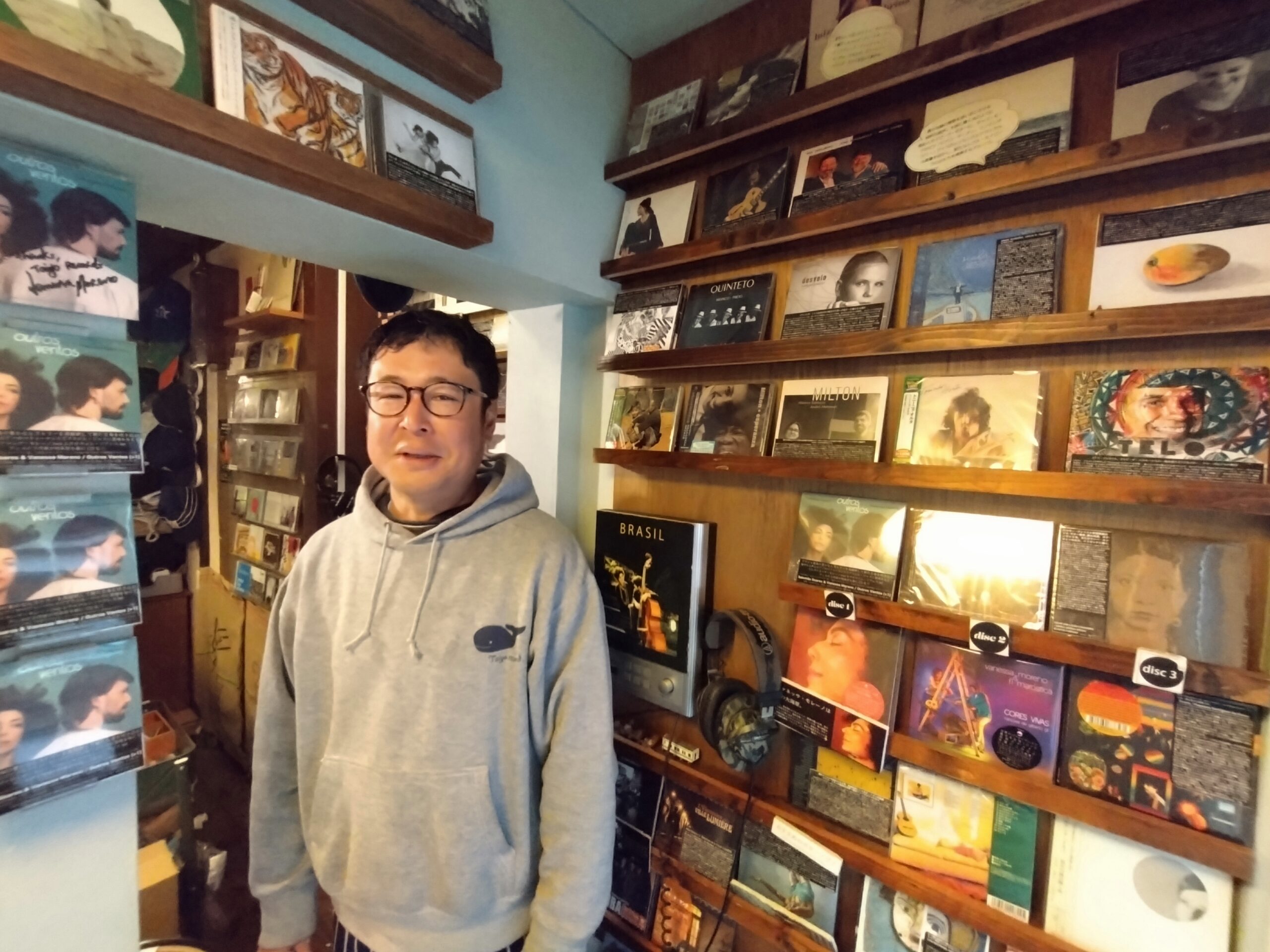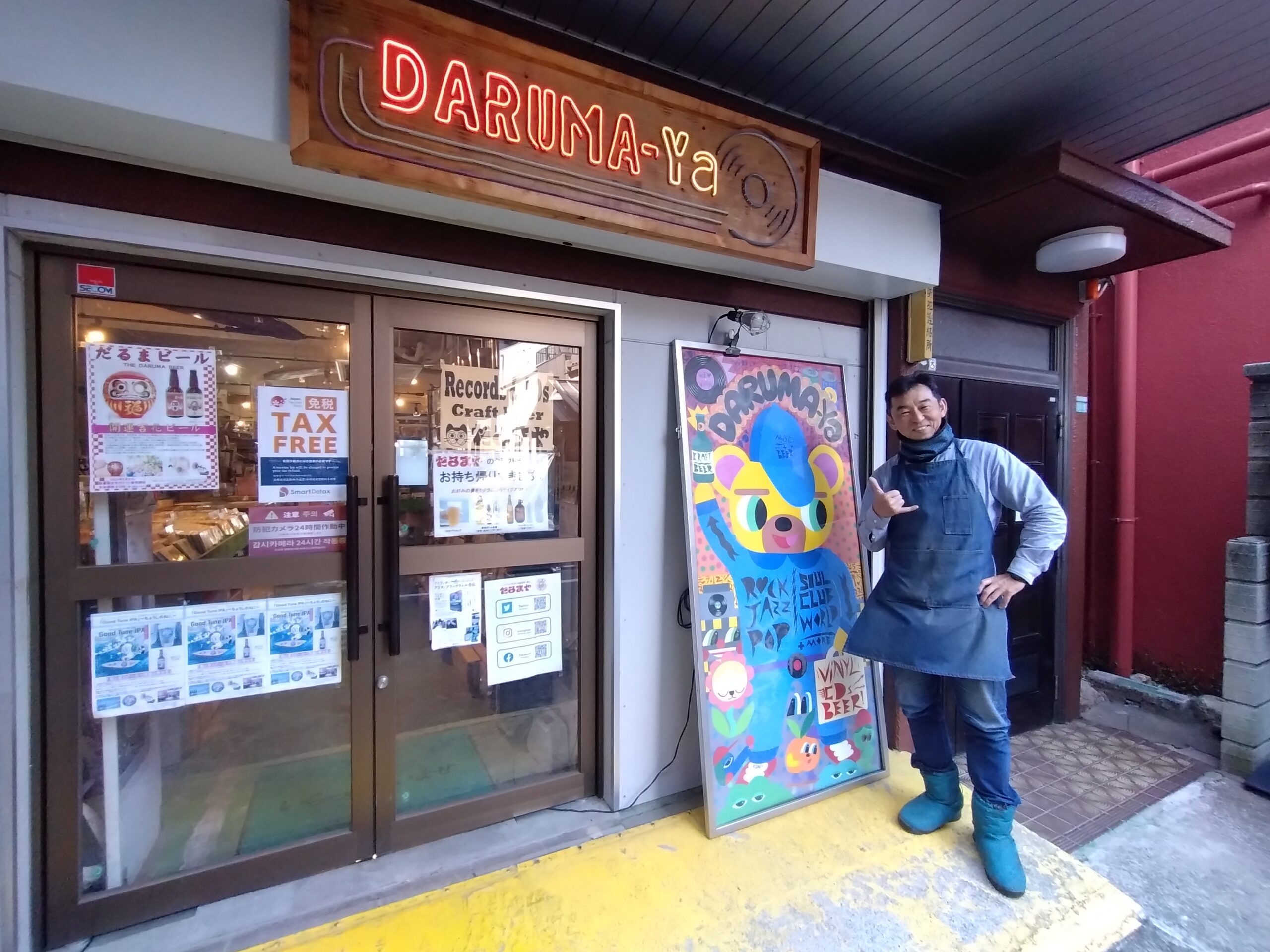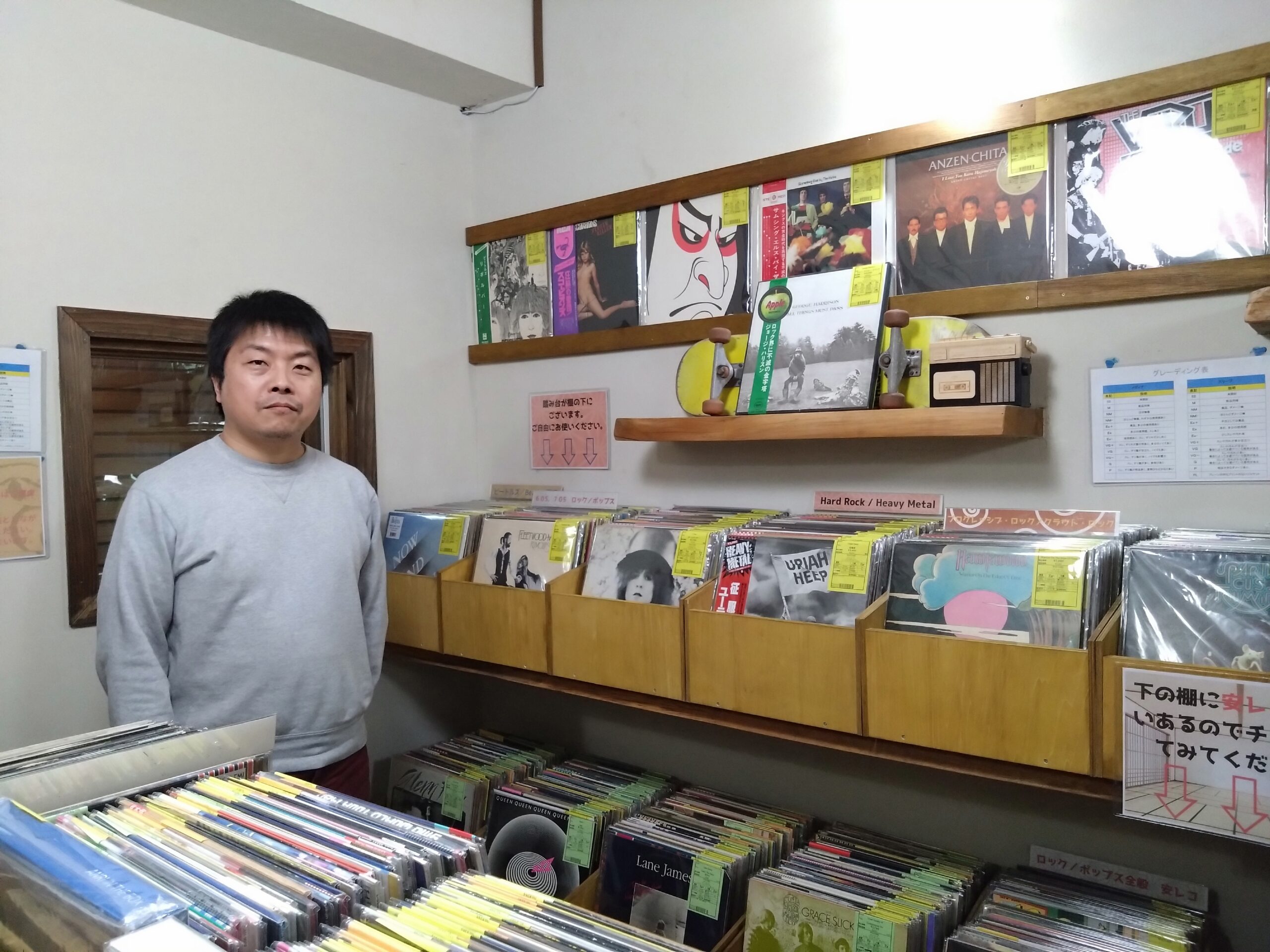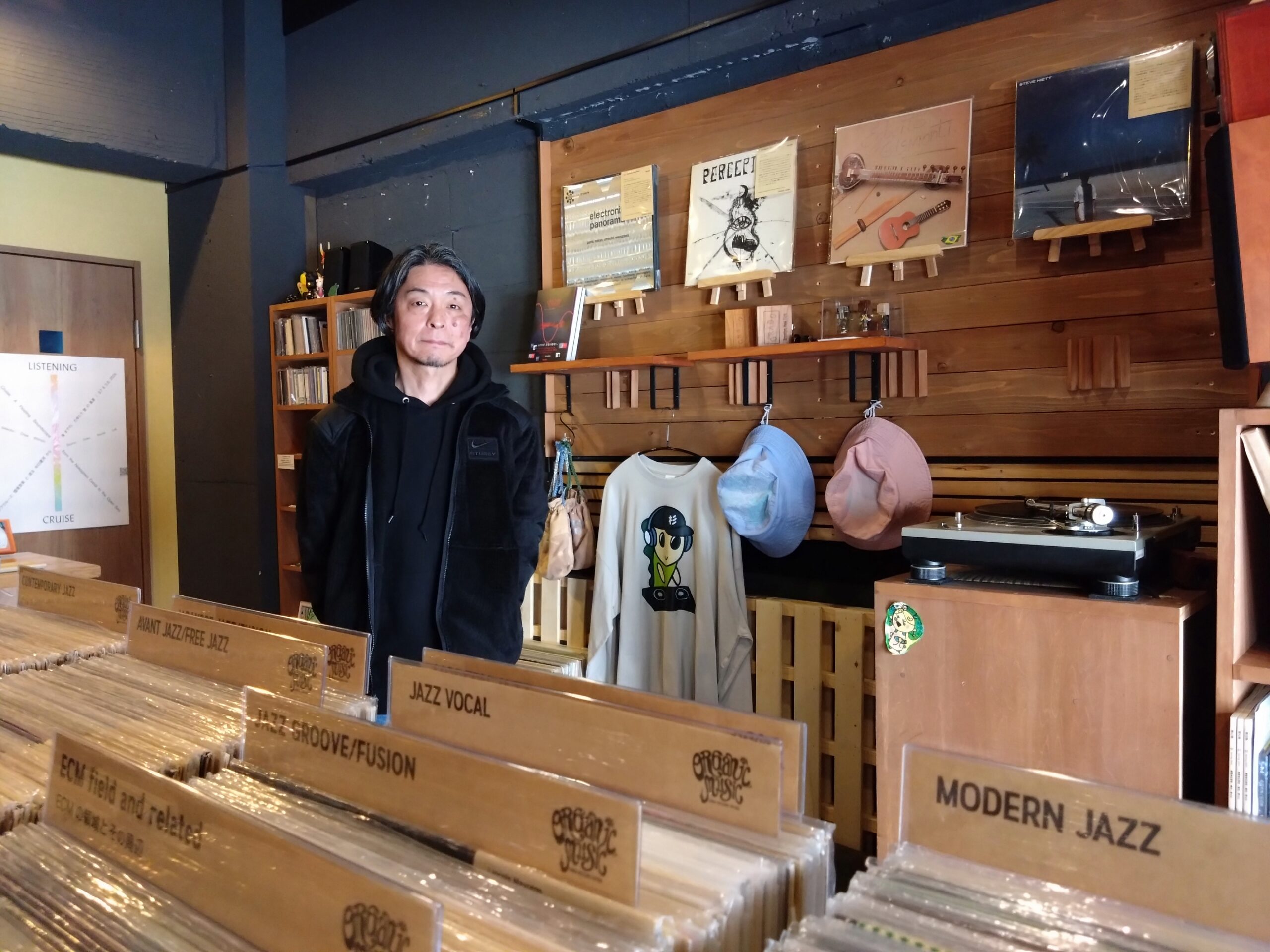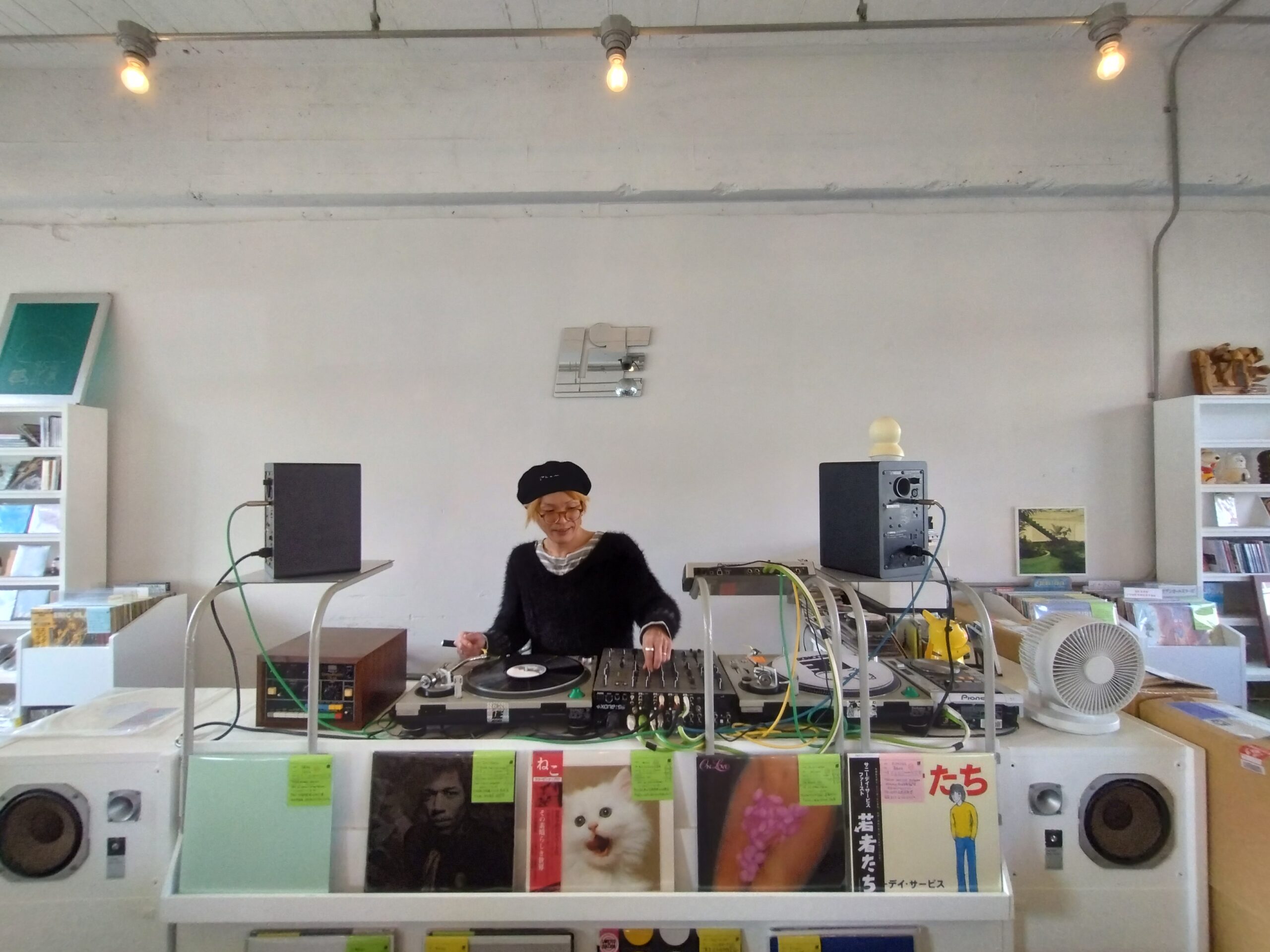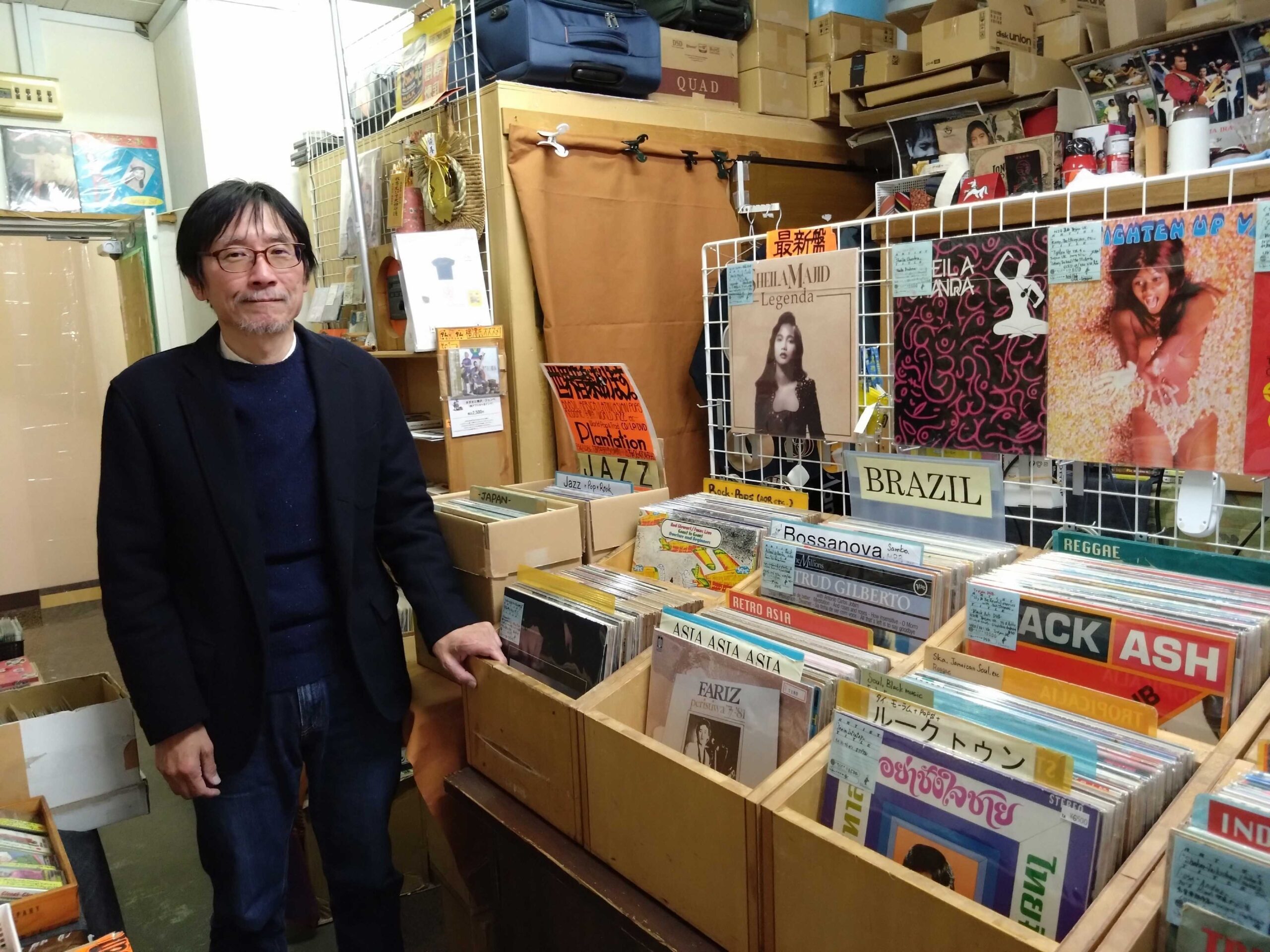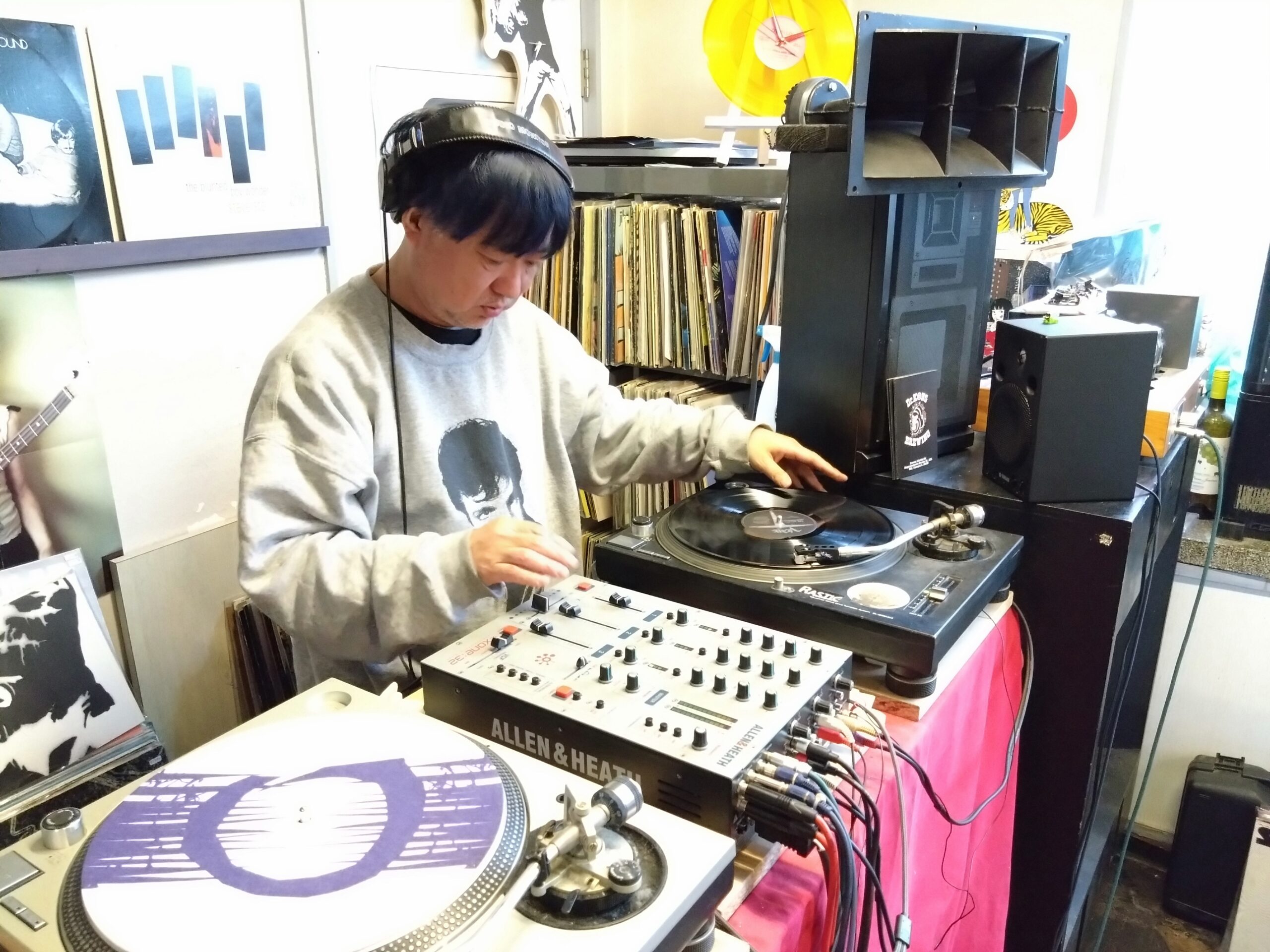
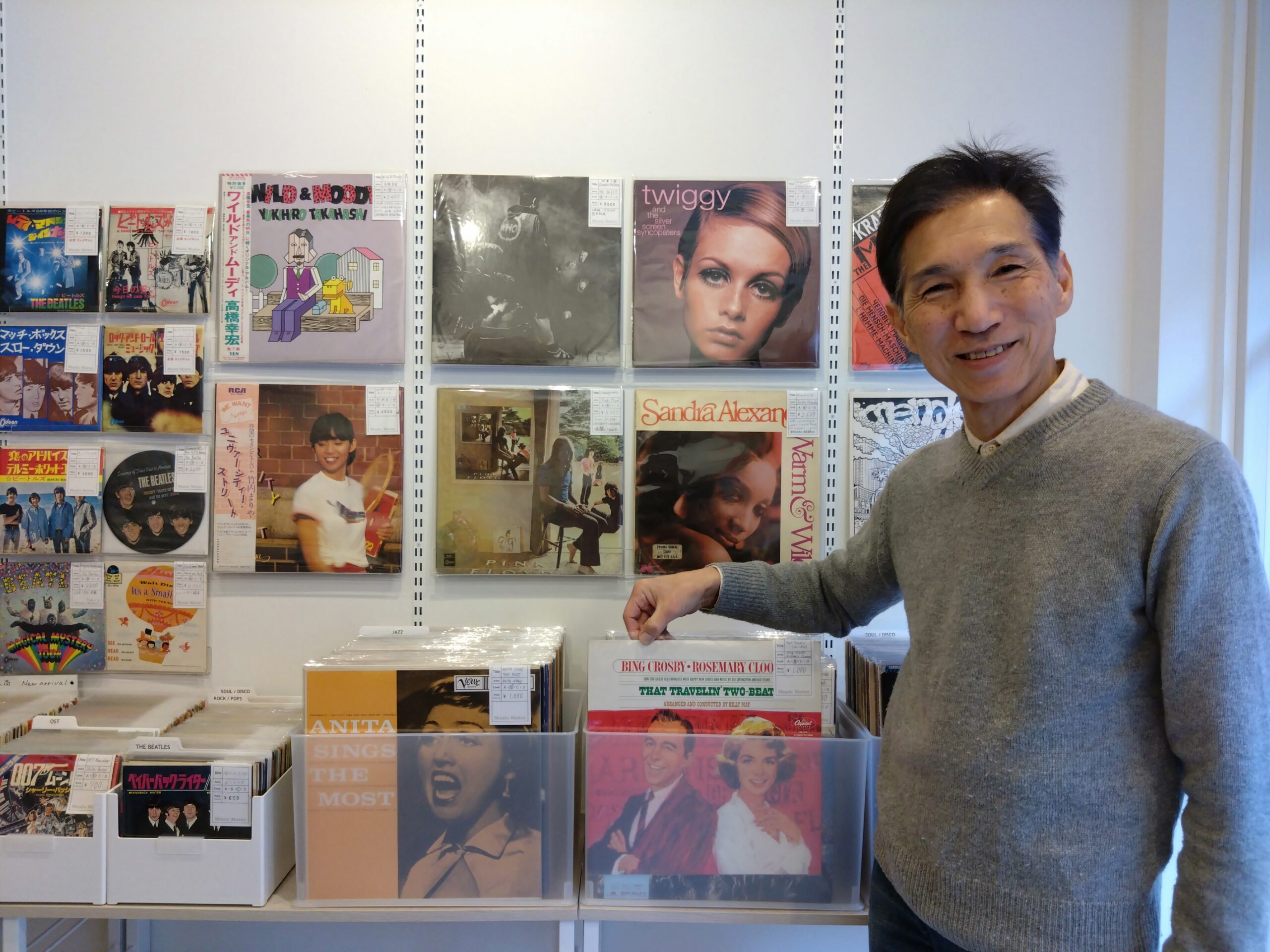
This is part of our interview series with record store owners, “Record Store Yomoyama Talk.” This time, we visited Music Mates in Asakusa, Taito City, Tokyo.
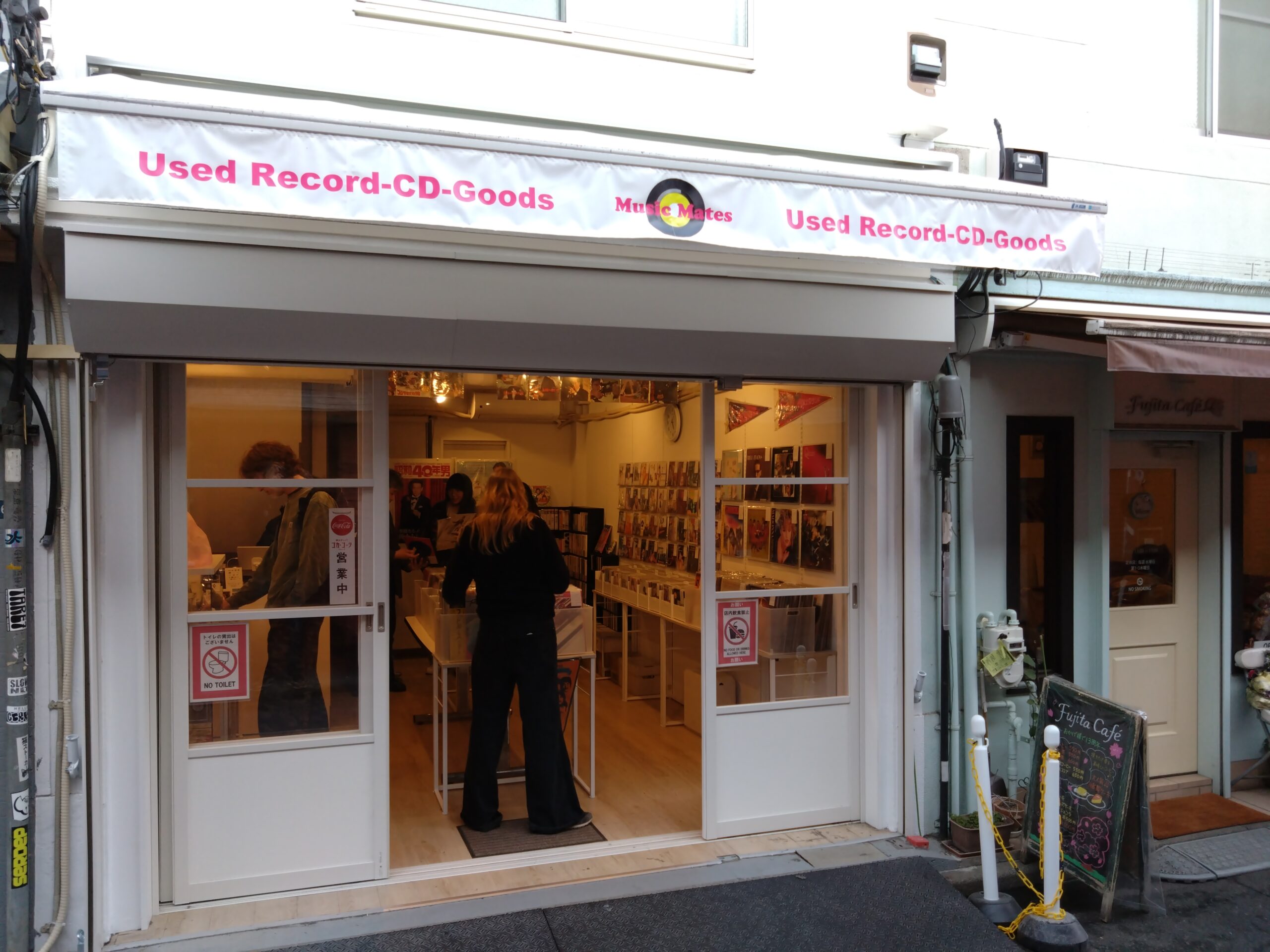
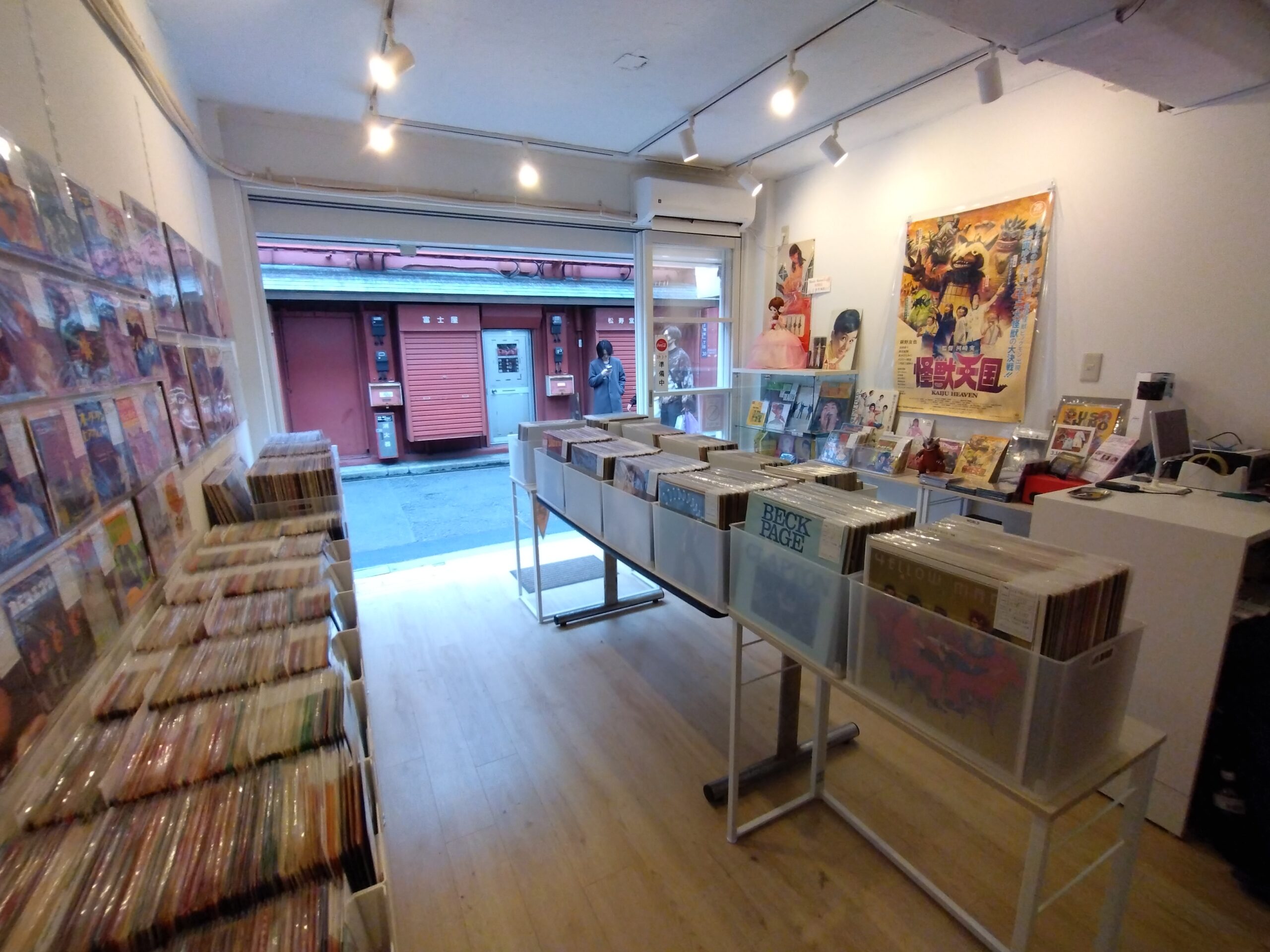
Asakusa is the kind of place that gives you plenty of reasons to visit. There are temples. There is Nakamise. There are long-established shops. Just walking around is enough to lift your mood a little.
But sometimes, the one place you happen to come across becomes the thing you remember most from the day. Music Mates was exactly that kind of shop.
To be honest, record shops can feel a little intimidating. Is it okay to go in? Will it be fine if I do not know much? Will it feel awkward if I leave without buying anything? But this shop softened that tension right from the entrance.
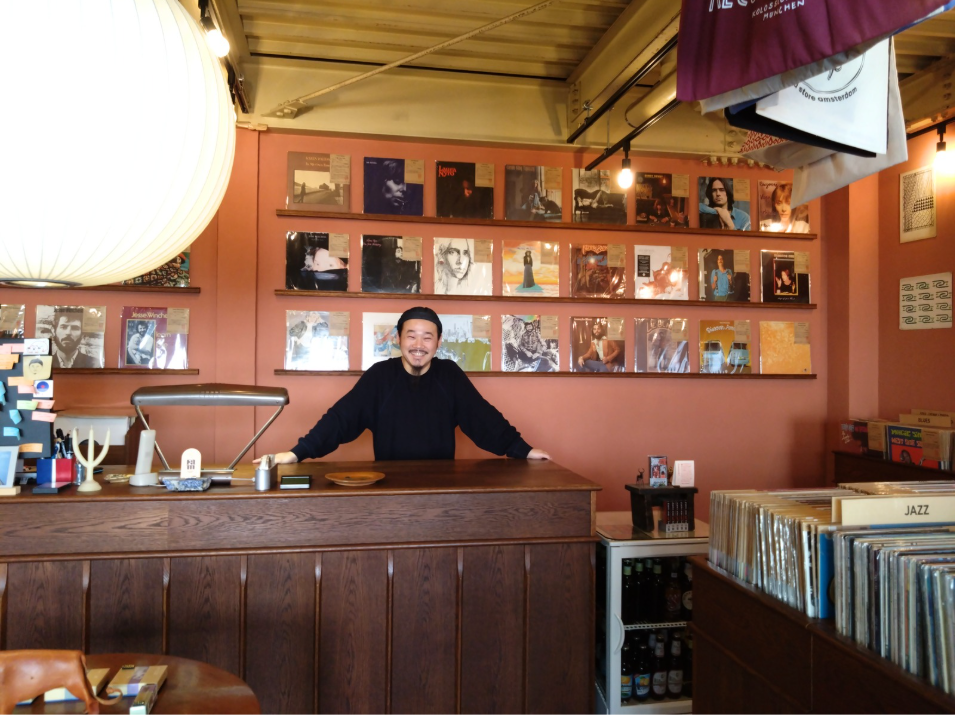
When you stand in front of Music Mates, you immediately feel at ease. You can see inside through the glass, and that matters. In the bright, white-based space, records are lined up neatly. There is no sense of pressure. Even though it is a record shop, it feels naturally easy to step inside without bracing yourself.
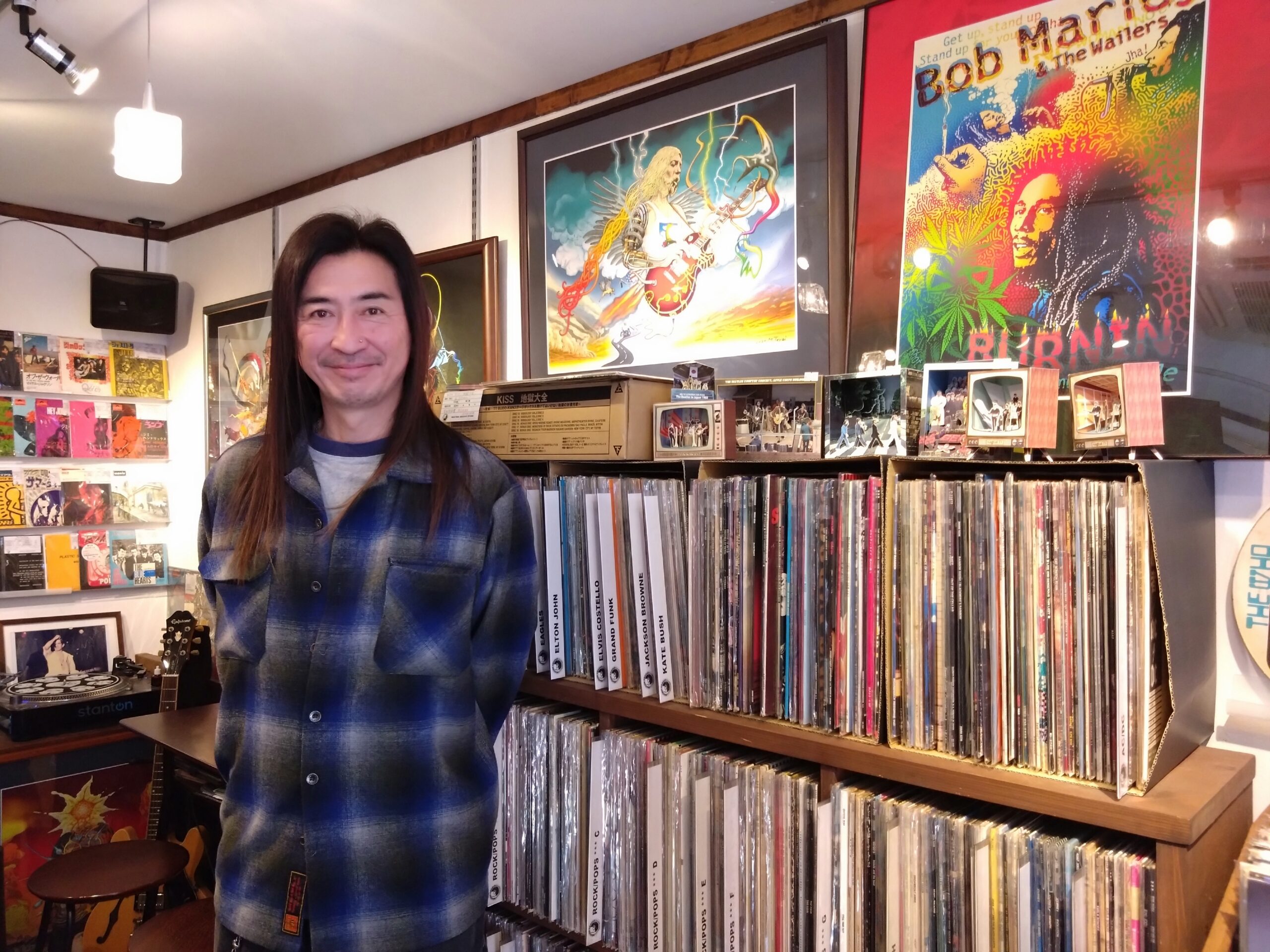
Once you step inside, the reason becomes even clearer. There is a softness to owner Ichiro’s presence. He does not rush you. He is easy to talk to. Even if you are a beginner, you never feel like you are being tested.
It made me think, “Ah, I can ask this person, ‘So what does that mean, exactly?’”
Ichiro put it this way:
It is such a good line. Before “I’m happy you bought something,” there is “I’m happy you dropped in.” That is why his next words also come through so naturally.
That is so kind. It is genuinely reassuring for beginners. I had assumed a record shop was a place you entered only after getting yourself ready to buy something. But this place is different. You can start by simply taking in the atmosphere. You can look around a little. You can talk a little. And even that already feels welcome.
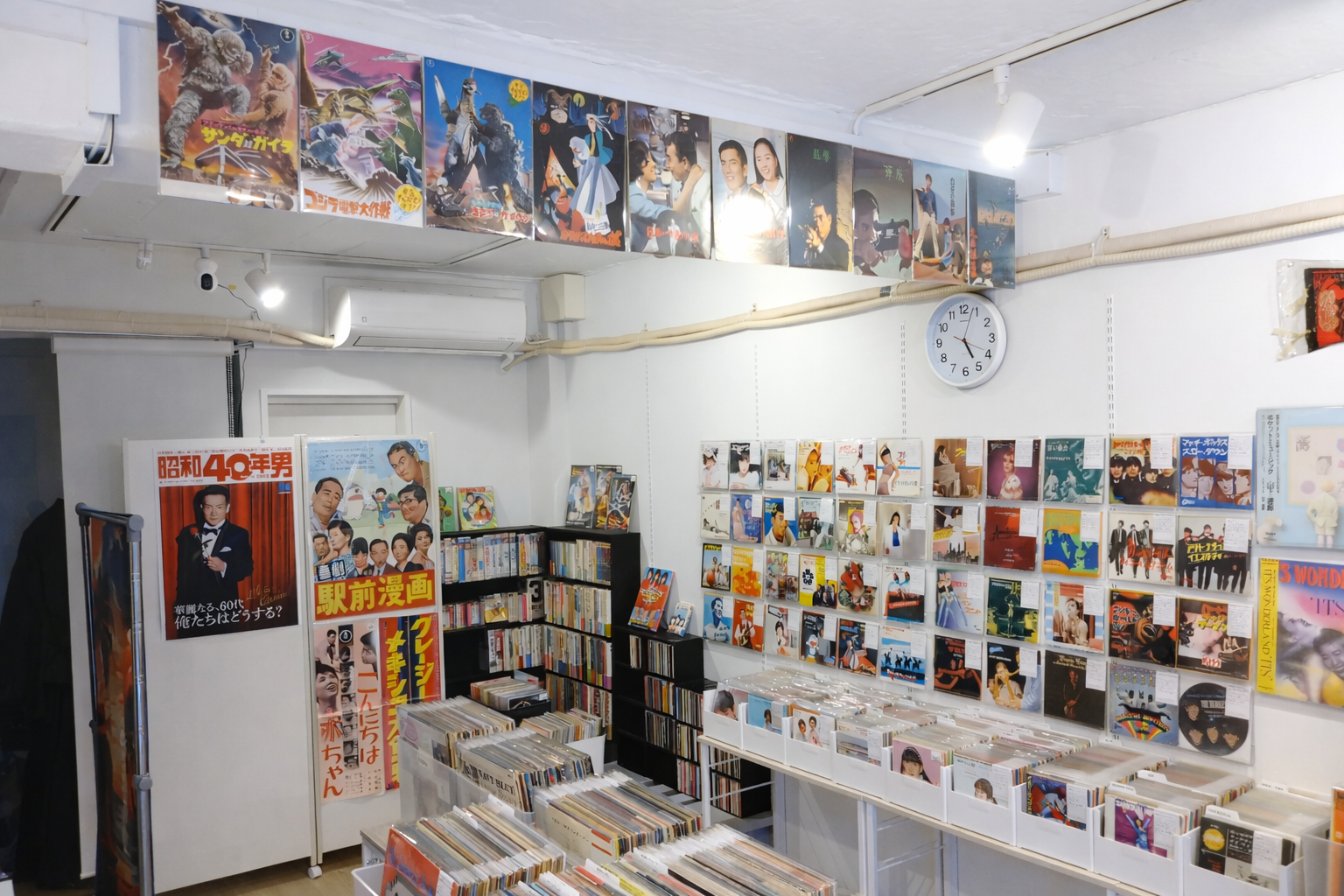
At that point, I started wondering, “Why does this place feel so easy to enter?” So I asked Ichiro about where it all began for him. That was when sonosheets came up.
Some people might be thinking, “What’s that?” I was the same at first. It is a thin, flexible record-like audio medium that used to come with magazines or picture books.
His entry point was “Sūdara-bushi” by Hitoshi Ueki, which his father used to listen to. Then came “Yūhi wa Akaku” by Yūzō Kayama, which he was bought in elementary school, and a sonosheet of Ultra Q.
So his true starting point clearly included the genres his father listened to. And that thread continues even now, connecting directly to what defines the shop today.
Ichiro grew up in downtown Tokyo, in the industrial area of Ojima. He says he preferred spending time at home rather than playing outside. He would look at manga, stare at drawings, and listen to sonosheets. And this was before the age of video. If you missed something on TV, that was it. That is exactly why audio media you could listen to over and over at home felt so special.
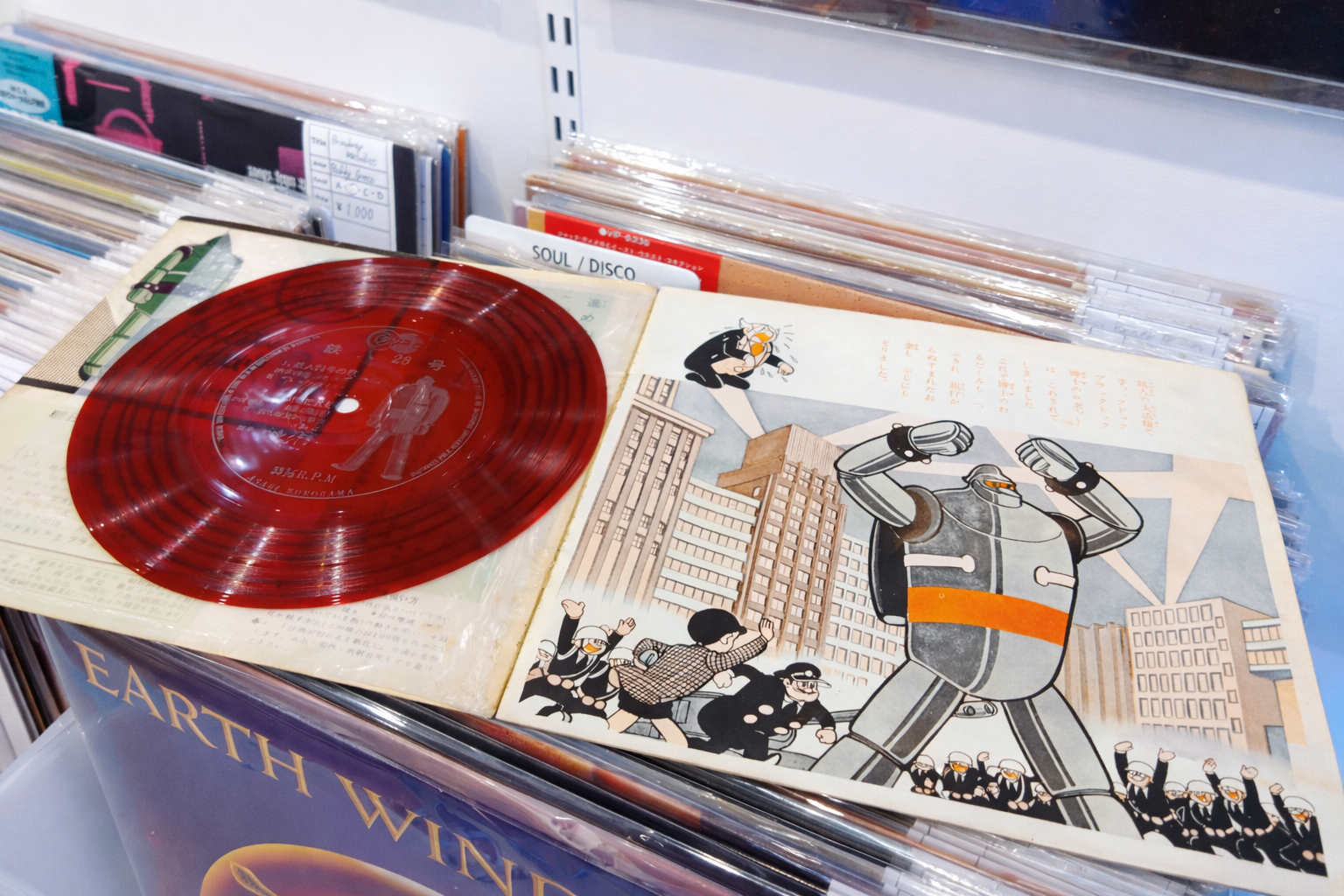
One of Ichiro’s comments really stayed with me:
That makes so much sense. This is not just a nostalgic story. It is about being able to enjoy something you love, on your own timing, as many times as you want. That feeling seems to have remained important to Ichiro all the way through.
At home, he was told, “Records are too expensive, but books are okay.” So manga magazines were something he could get, but records were not that easy.
That feels very real. You have things you love, but you cannot have all of them. And precisely because of that, the time spent returning again and again to the one record or one book in front of you becomes more intense. Sound and images came into his life together from the very beginning. That may be why this shop holds not only music, but also the texture of memory itself.
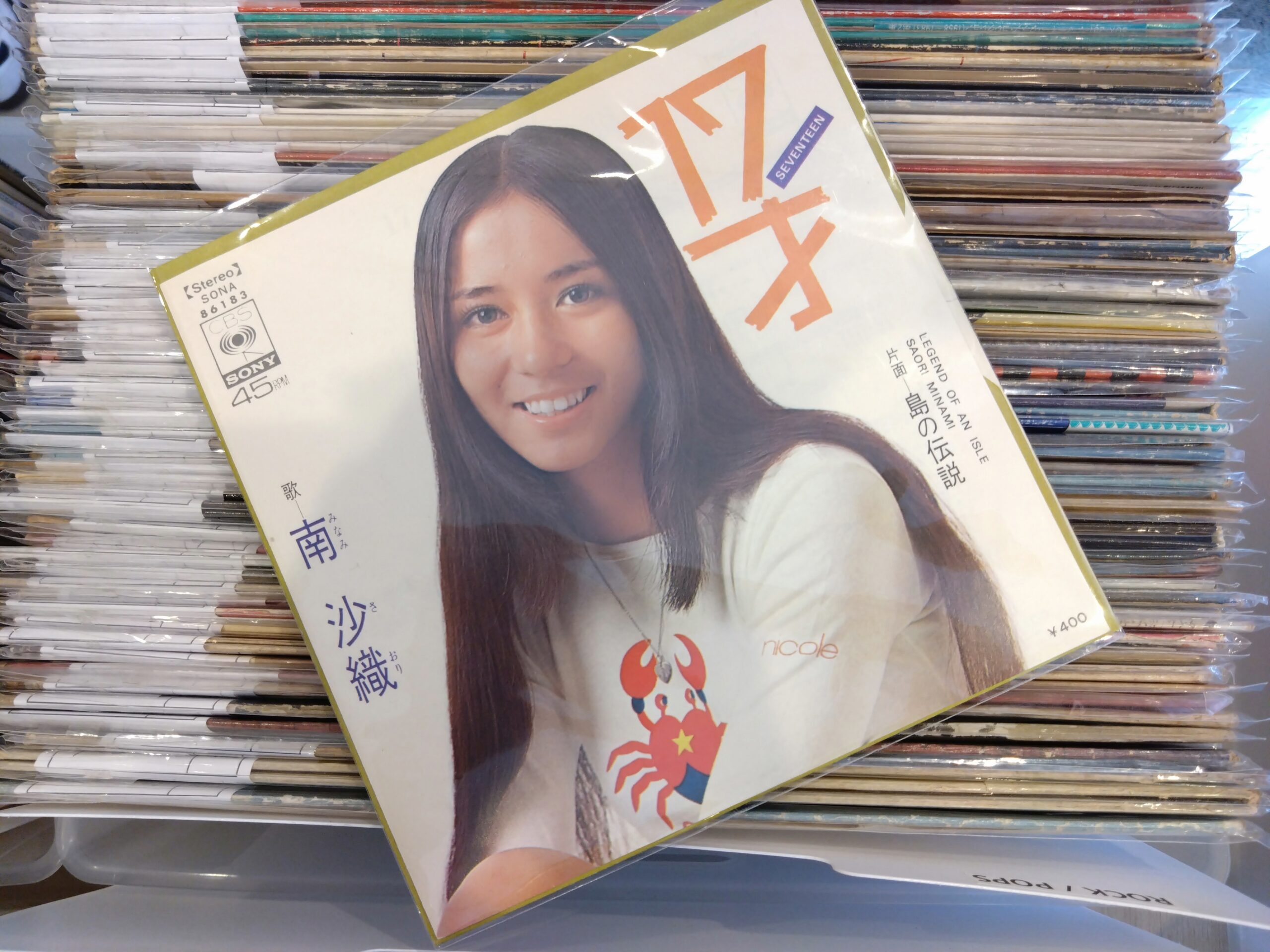
The first record Ichiro ever bought with his own allowance was “17-sai” by Saori Minami, when he was in his first year of junior high school. The reason is wonderfully simple. He saw her on TV and thought, “She’s really cute.” So he bought it. A first record like that feels incredibly important.
But before that, he already had the sounds his father listened to at home, along with the Yūzō Kayama record and the Ultra Q sonosheet he had been bought. So that Saori Minami record may not have been a completely new beginning. It may have been the moment when he chose, by his own will, a listening pleasure that had already been growing inside the home. That small sense of agency may have been what made records truly begin for him.
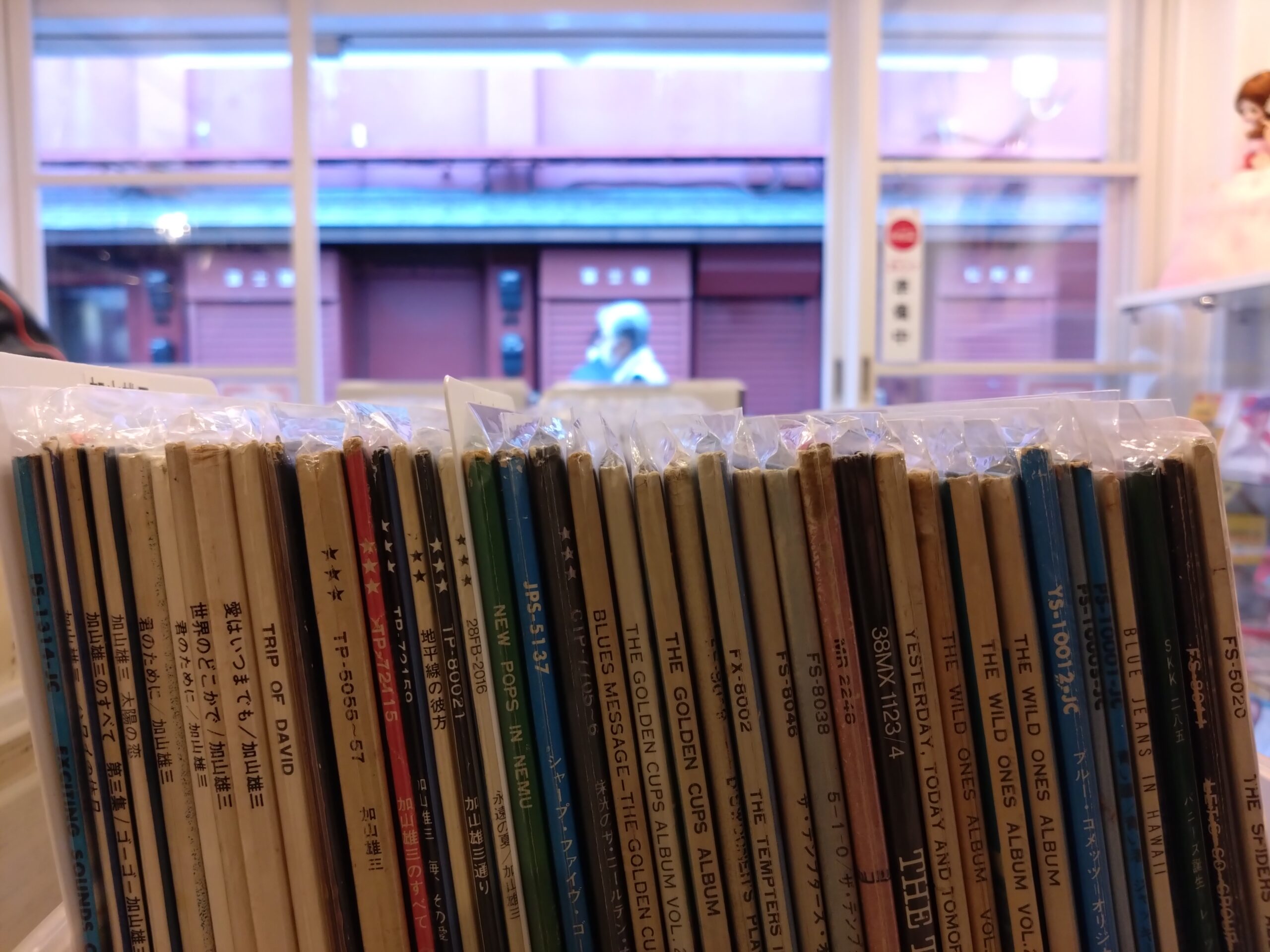
Later, in junior high, he often went to friends’ houses to listen to music together. That was where he came to know rock and many other kinds of music.
There was time spent listening over and over at home by himself. But there was also time spent at friends’ houses, encountering sounds he would not have found alone. Both experiences gradually expanded his musical world.
And after that came the world of entertainment. Getting close to singers. Standing on stage. Dancing. Suddenly the scale of life changes. But if you think about it, it does connect. The boy who brought distant worlds into the home through sonosheets eventually moved closer to that very world himself.
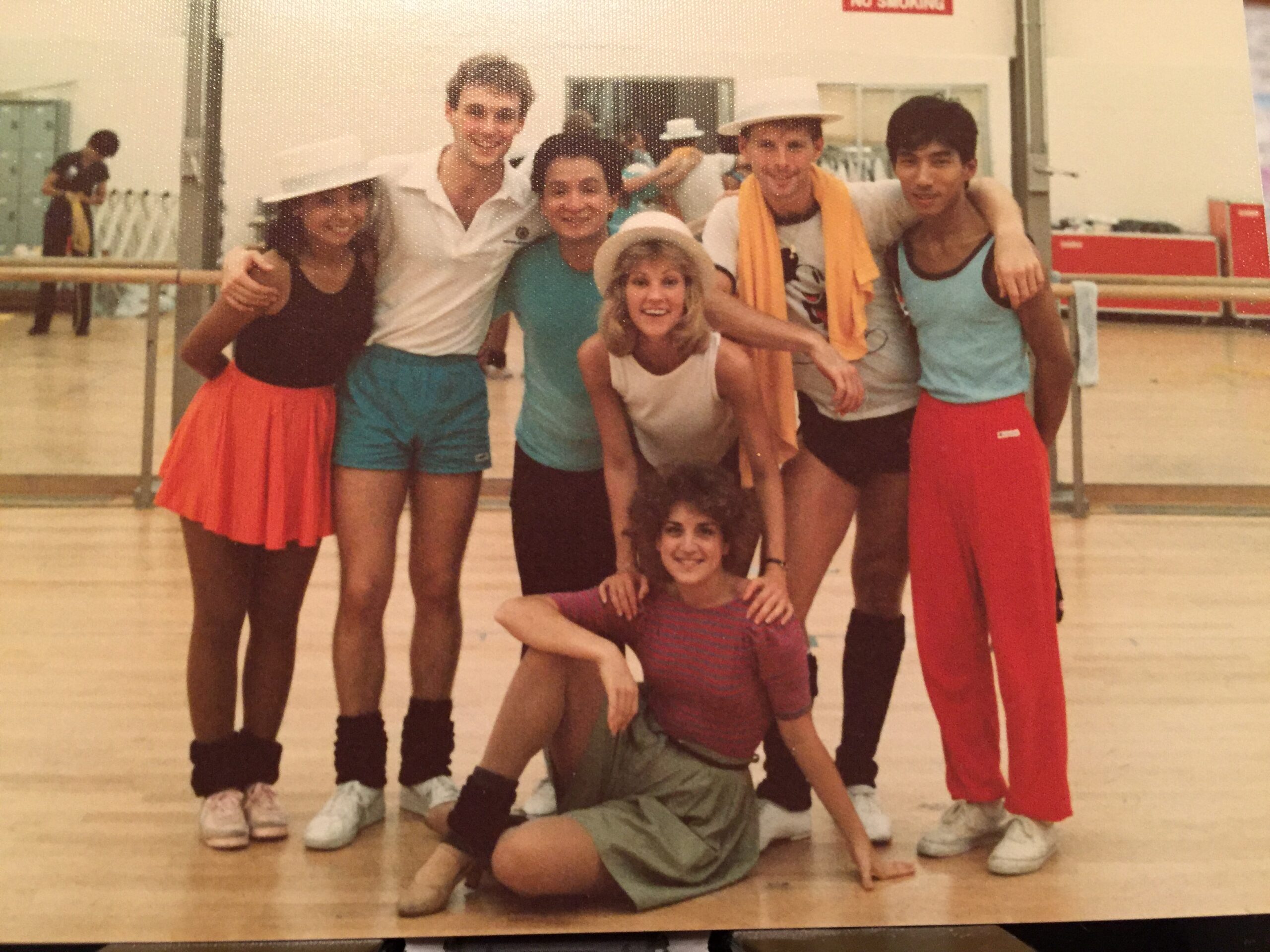
This was the part that moved me most. When he was younger, Ichiro entered the entertainment world, danced, sang, and even came close to debuting in a group. Later he spent many years working as a dancer at Tokyo Disneyland, appearing in shows and parades.
That is an amazing background. But what was truly fascinating was what came after the “amazing” part.
Ichiro said this:
What changed? The direction of his smile.
When he was young, he wanted to stand out, to be popular, to have people cheer for him. It is incredibly honest, and honestly, it makes him easier to trust. But after joining Disney, his smile stopped being something used to present himself and became something used to make other people smile.
That is such a powerful line. In other words, the main character shifted from “myself” to “the person in front of me.”
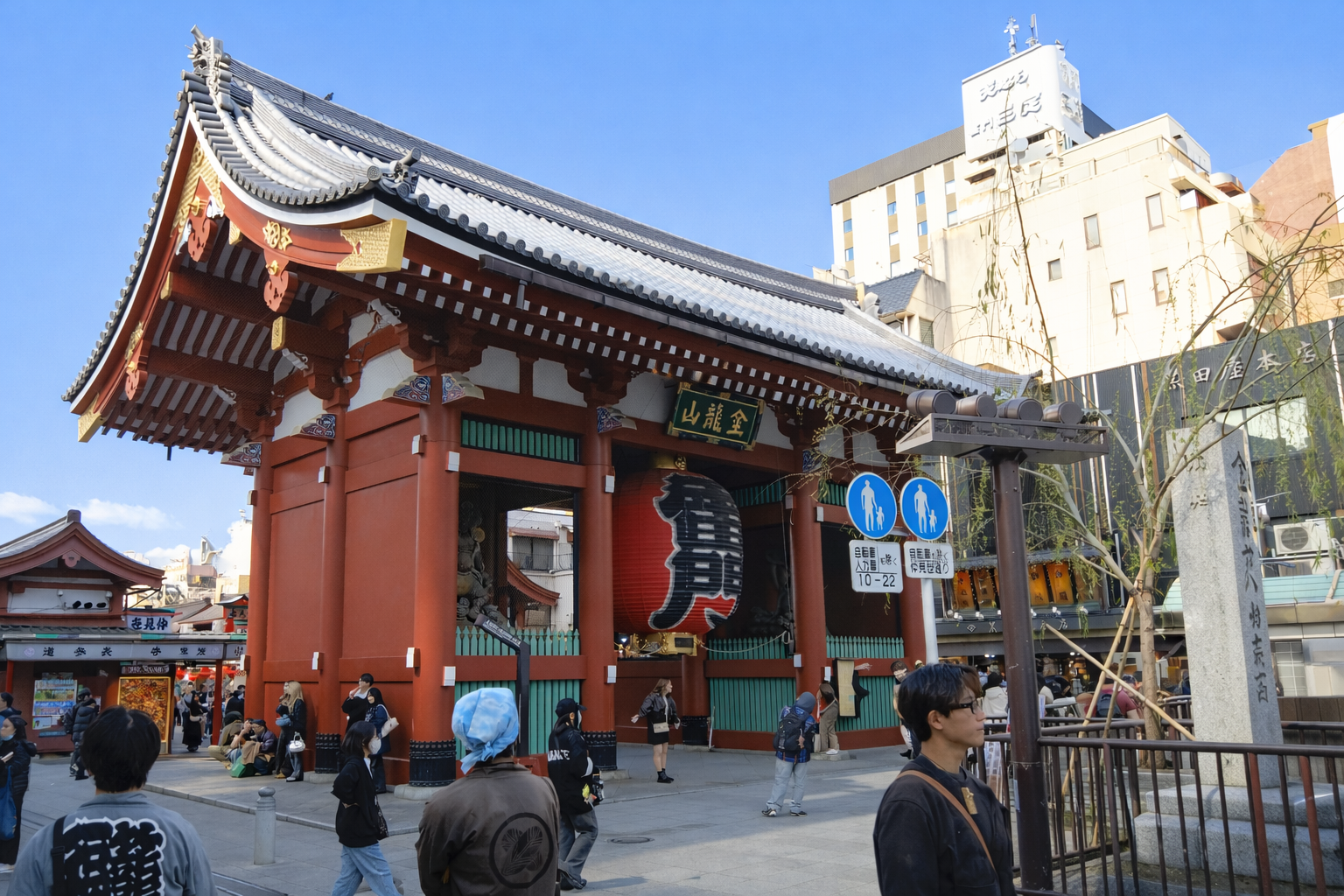
The ease of talking to him at Music Mates, the feeling that beginners are not being left behind, the fact that he really means it when he says it is okay not to buy anything — all of it seems to connect back to this change.
And after his years as a dancer, he also spent a long time working behind the scenes in costumes. He has stood at the front and supported from the back. Either way, he has always been on the side of making other people’s time better. The kindness of this shop probably is not a coincidence at all.
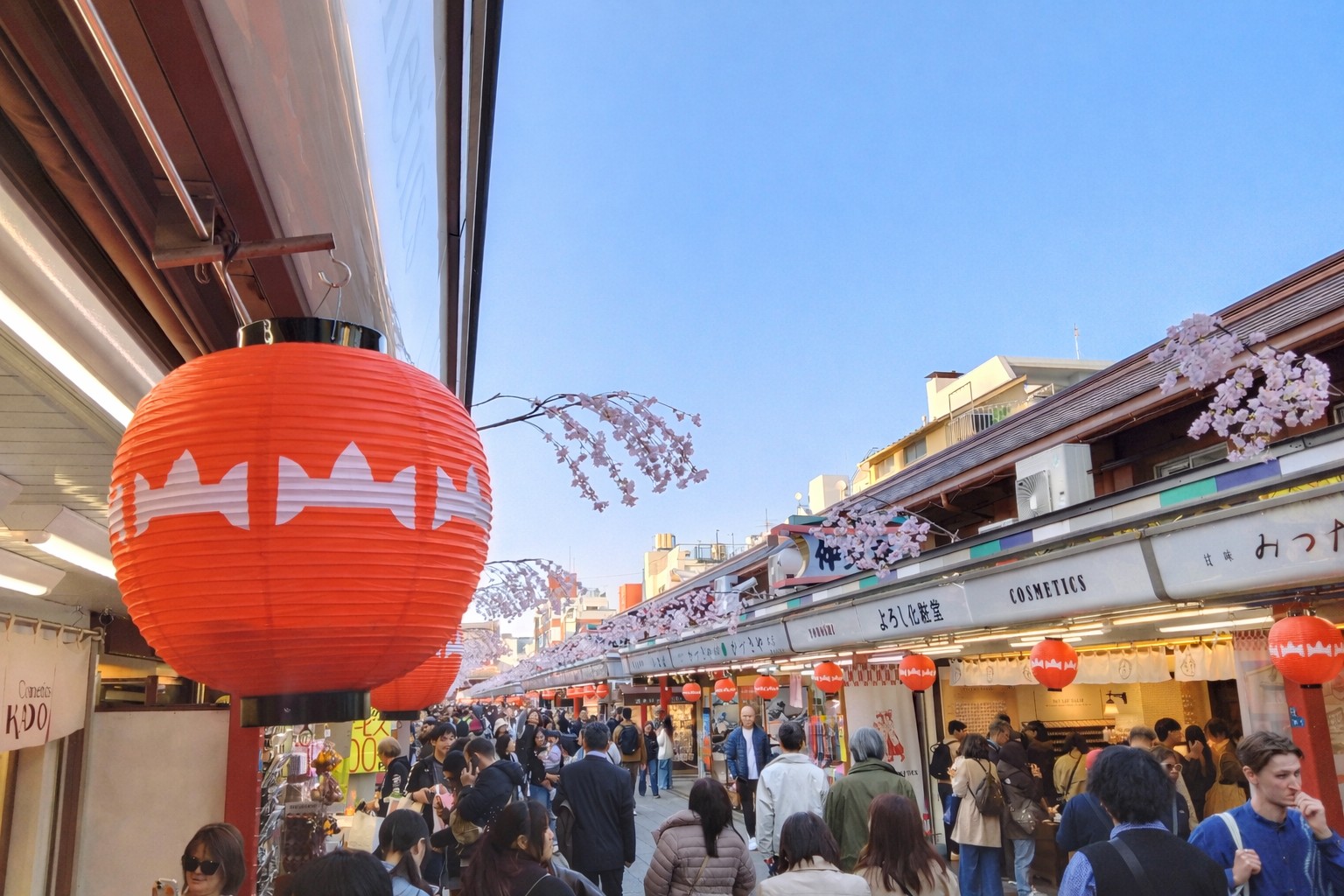
The place where Music Mates now stands was originally connected to his relatives, and at some point the family started discussing what to do with it.
Ichiro said something that stayed with me:
That one line makes it clear this was never just an empty property. It held memories. It held daily life. In one corner of Asakusa, time had continued there for years. So instead of simply letting it go, they wanted to carry it on in some form.
That is when they remembered something Ichiro had long been saying: that he wanted to try selling records. He had gradually built up his collection from around his second year of junior high school, and by around his forties he visited a great sonosheet collector who lived nearby, entering the world of collecting more seriously.
It all began with being shown someone else’s collection. Then the collection deepened. That process feels so good. Someone shows you. Someone teaches you. Your world gets wider. I feel like this is another reason Ichiro is so kind to beginners now.

Then family circumstances, personal timing, and a long-built passion all overlapped, and the shop began. Ichiro talked about it without any stiffness at all:
It is not boastful. It is just gratitude for the connections that brought him here. And maybe that is why there is no forced energy in this shop. There is also the connection between the shop and the neighborhood. Ichiro said this too:
I really liked that. Because it tells you Music Mates is not just a shop that opened in Asakusa. It is part of Asakusa’s own flow. Tourist areas tend to move fast. New shops open, get busy, then disappear. But there is a different kind of time moving through this place.
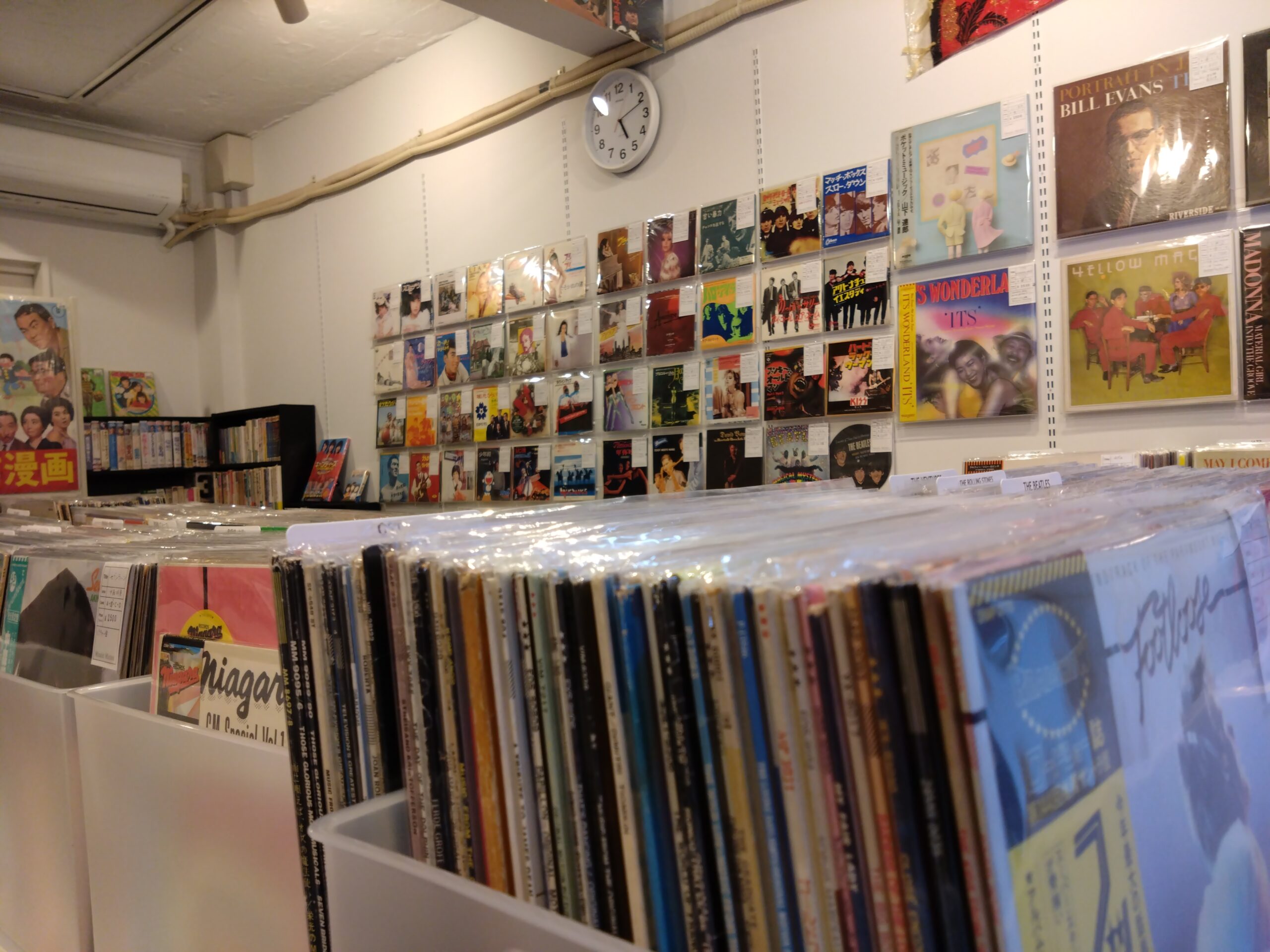
At the same time, Ichiro clearly sees how the neighborhood is changing.
So this is not just a story about how the past was better. The city keeps changing, and even so, some bonds remain. That is the ground on which this shop stands. That is why Music Mates can feel, at the same time, like a place travelers stumble upon and a place local people feel they somehow already know. That combination is fascinating.
The brightness of Asakusa as a tourist district and the memory of its downtown life — Music Mates sits right in between them. And that alone makes you want to visit, doesn’t it?
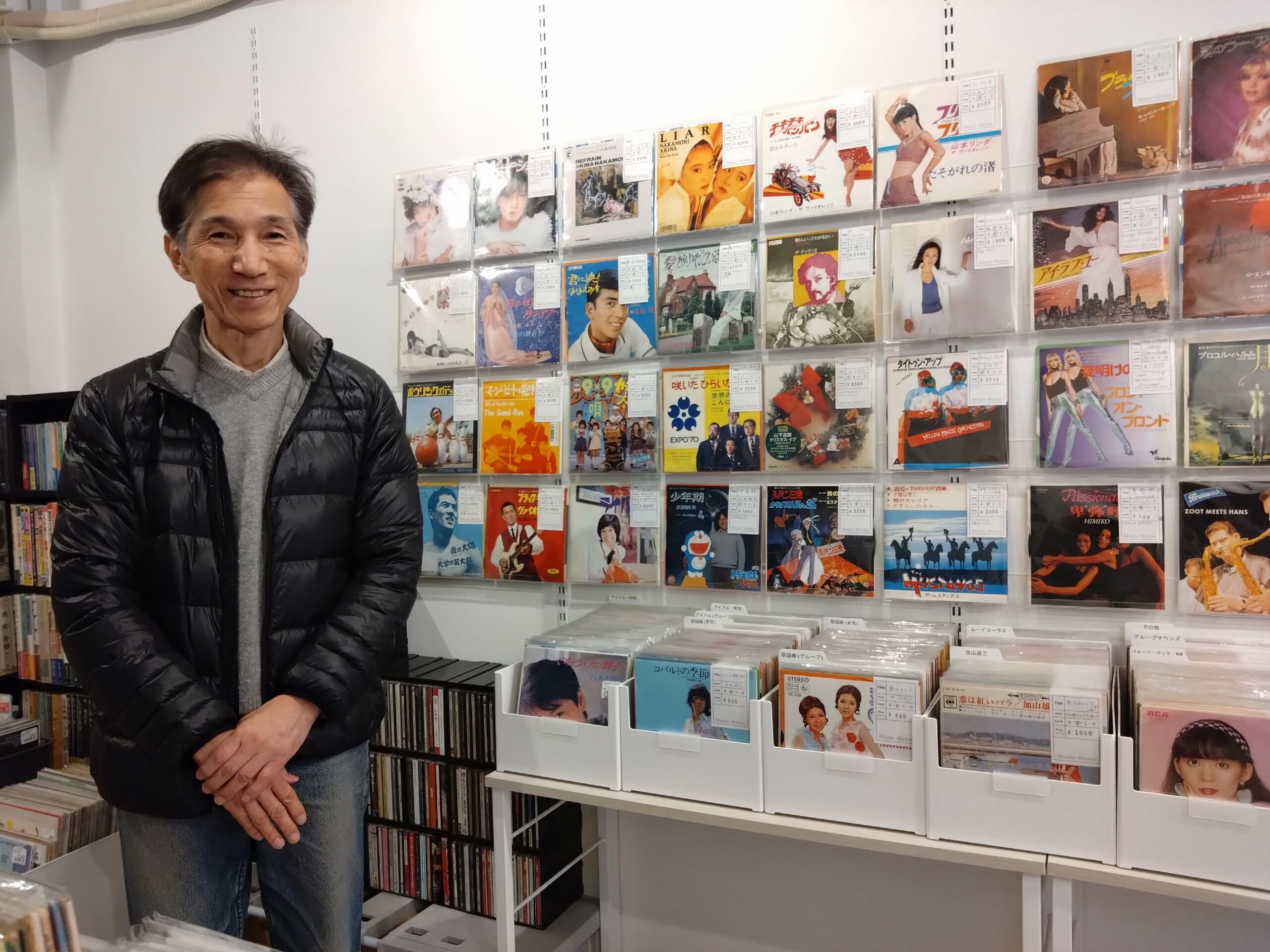
Even though it has only just opened, 80 to 90 percent of the visitors are from overseas. That is a lot, right? Even Ichiro did not expect it to be that many. So he increased the number of Western records, especially jazz. He changes what should be changed according to reality. But at the same time, he keeps the Showa-era atmosphere and the nostalgic displays. The line between what changes and what does not feels very natural here.
At the end of the interview, I asked, “What do you hope people think when they leave this store?” Ichiro answered without hesitation:
Simple. But strong.
There are all kinds of things that make a record shop appealing. Deep knowledge. Sharp curation. Rare records. Great prices. All of those matter, of course. But Music Mates is not memorable for only one of those things.
There is Ichiro’s smile. There is the time that has flowed through this family-linked place. There is the energy of Asakusa, along with the lingering bonds behind it. And there is an atmosphere that welcomes both beginners and people just stopping by on a trip. All of those things overlap, and what remains at the end is the feeling: “That was a really nice shop.”
Until the very end, Ichiro kept returning to the same thought:
That line feels like Music Mates itself. Buying a record does not have to be the goal. It is great if you find one special record. But even if you do not, it still means something if stopping by lifts your mood a little.
Maybe it is a day when you came to Asakusa to look for records. Or maybe it is a day when you were just walking through Asakusa and happened to step inside. Either way is fine. I think this shop can answer both.
You can walk into Music Mates without knowing much at all — and still have a genuinely good time.
|
||
|
||
|
||
|
||
|
||
|
||
|
||
|
||
|
||
|
||
|
||
|