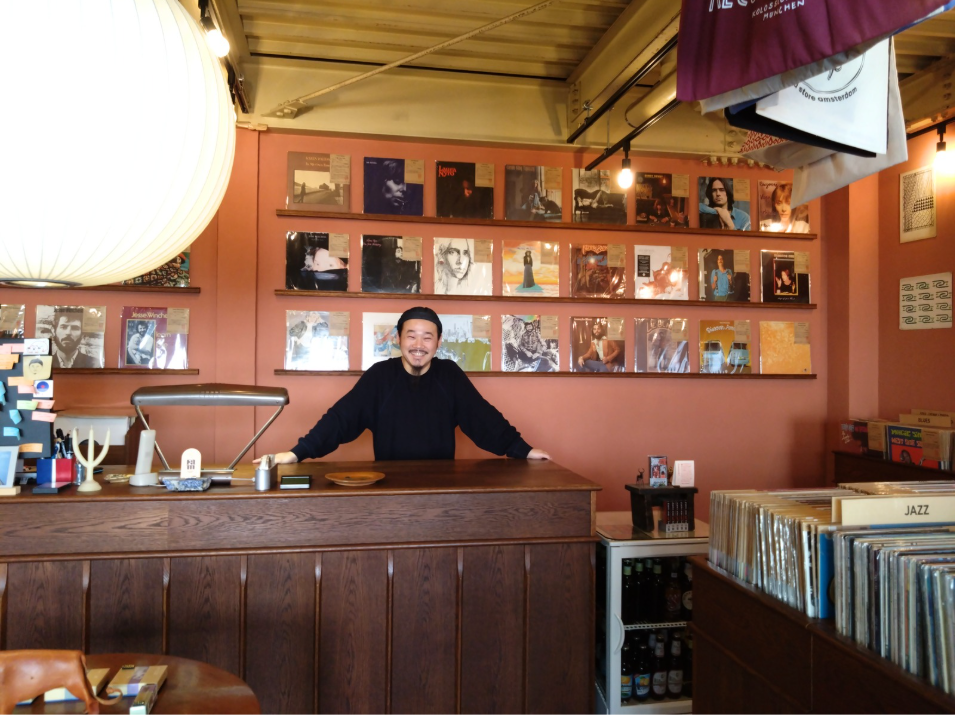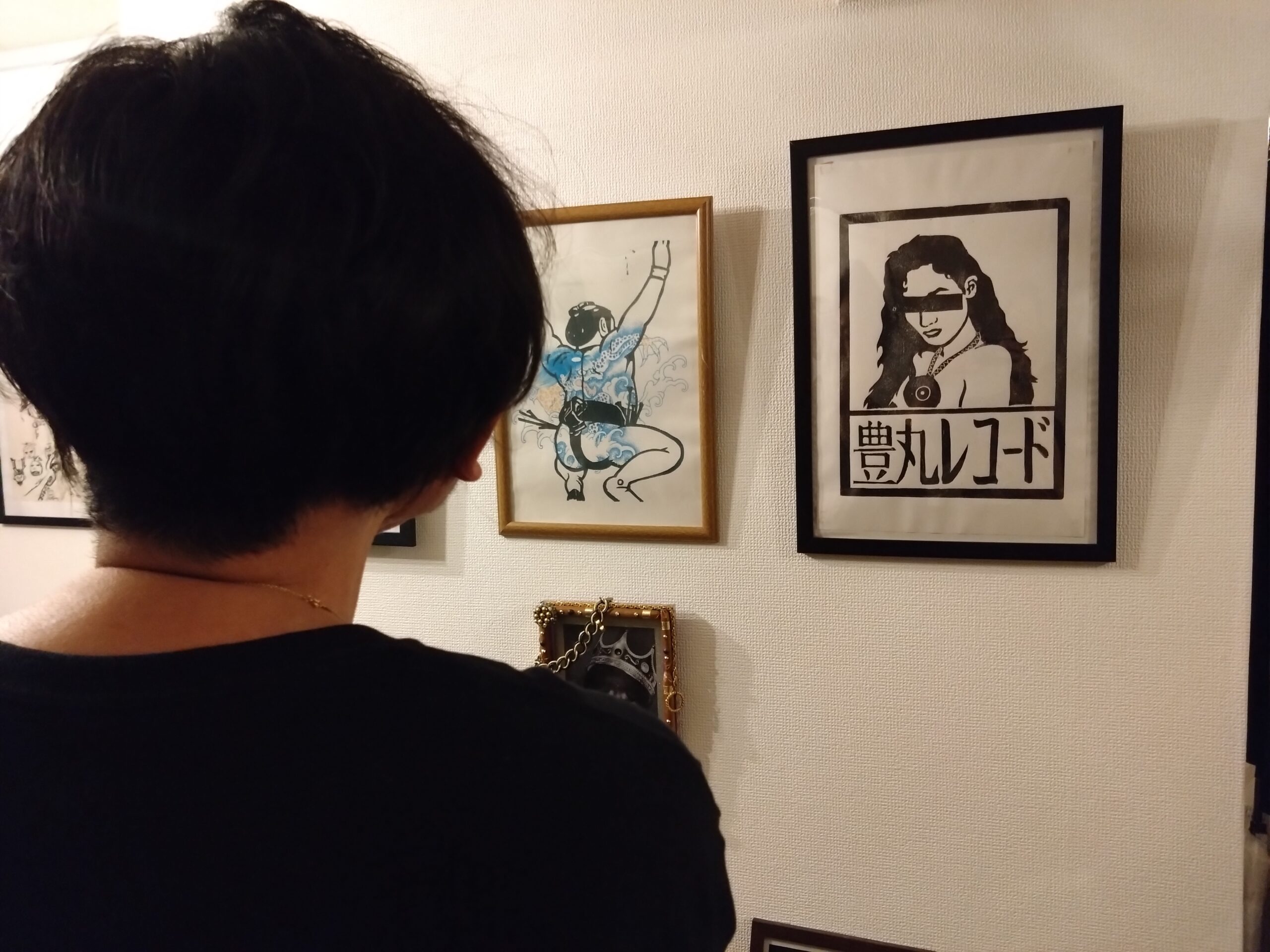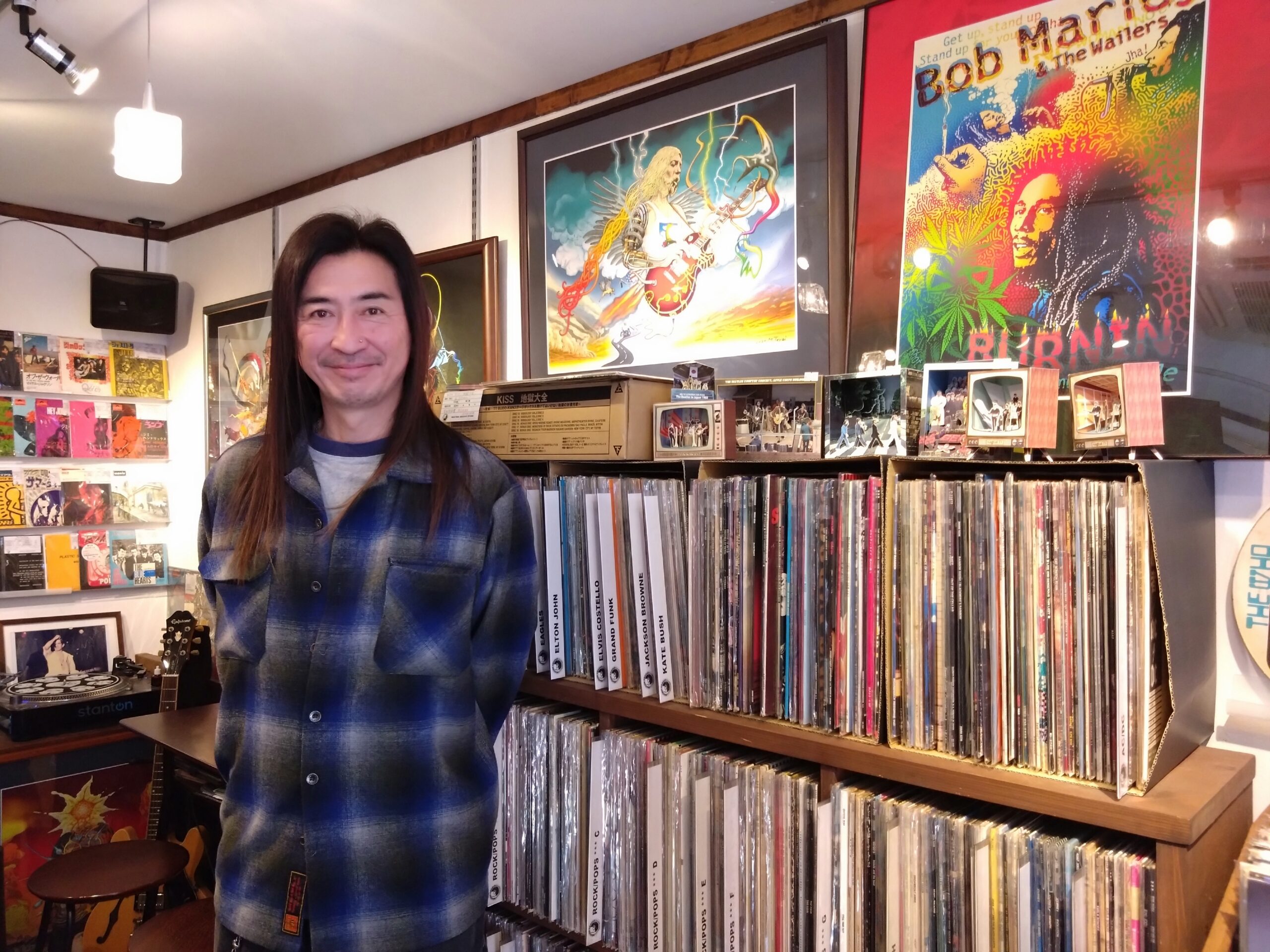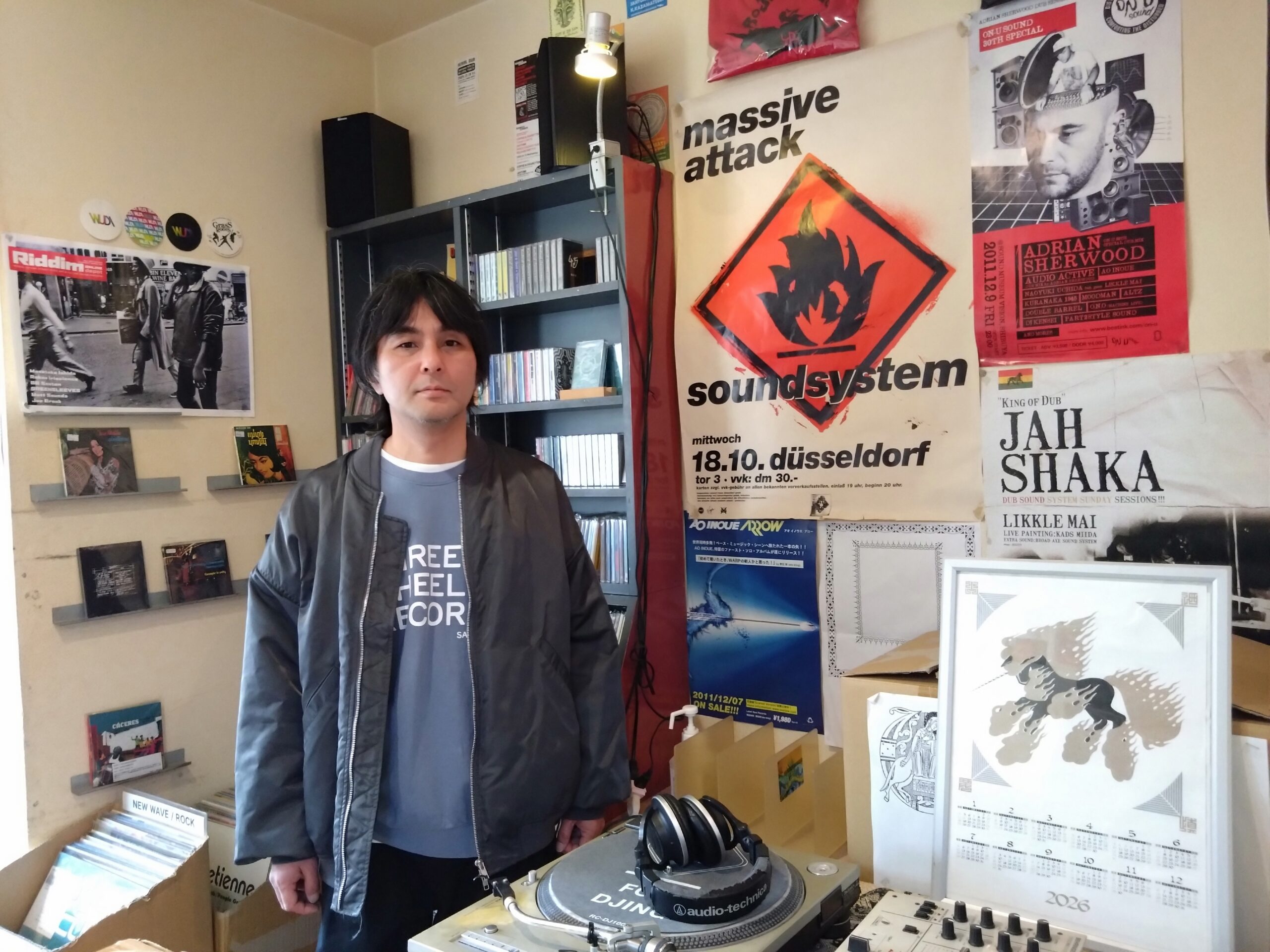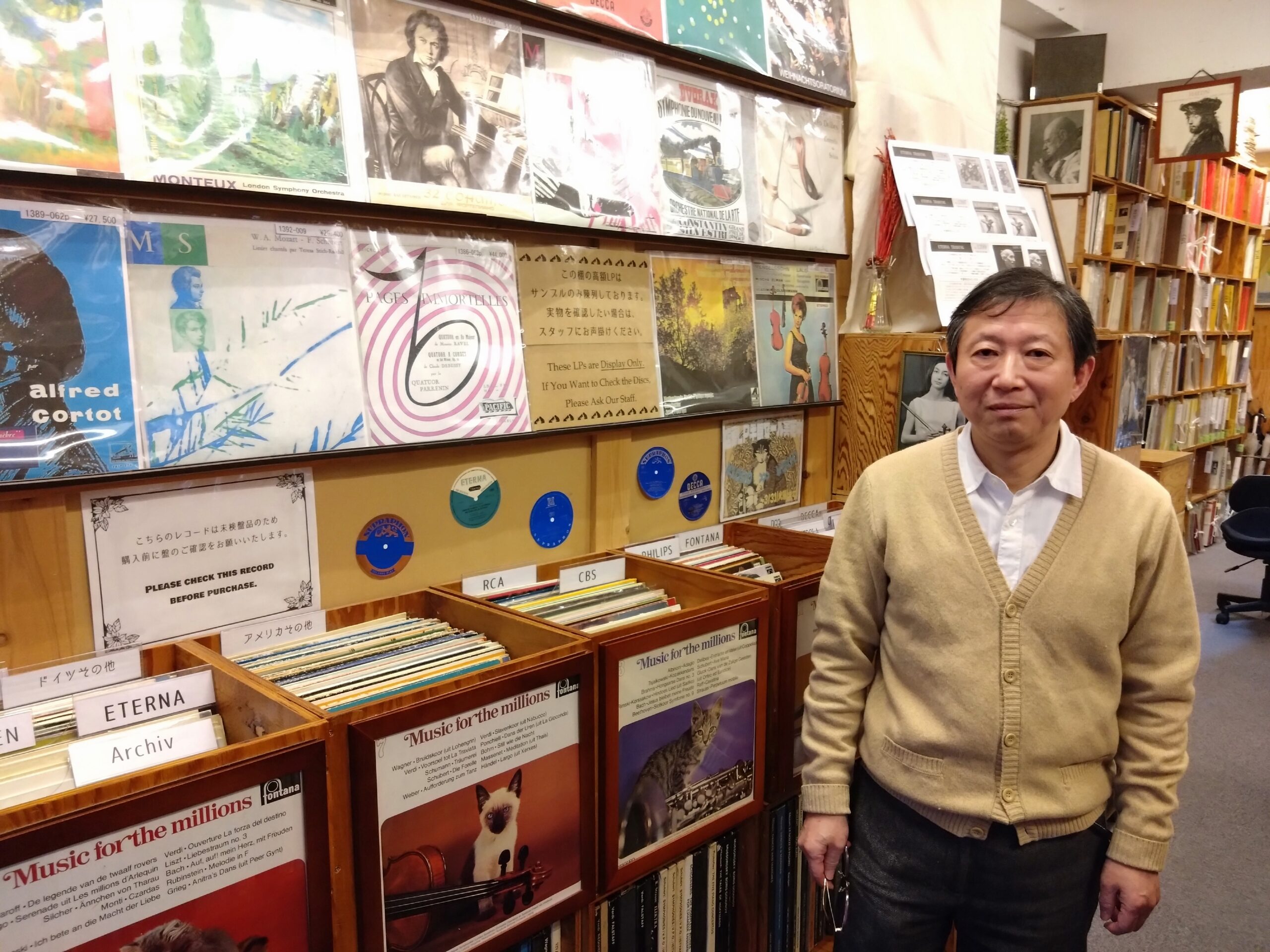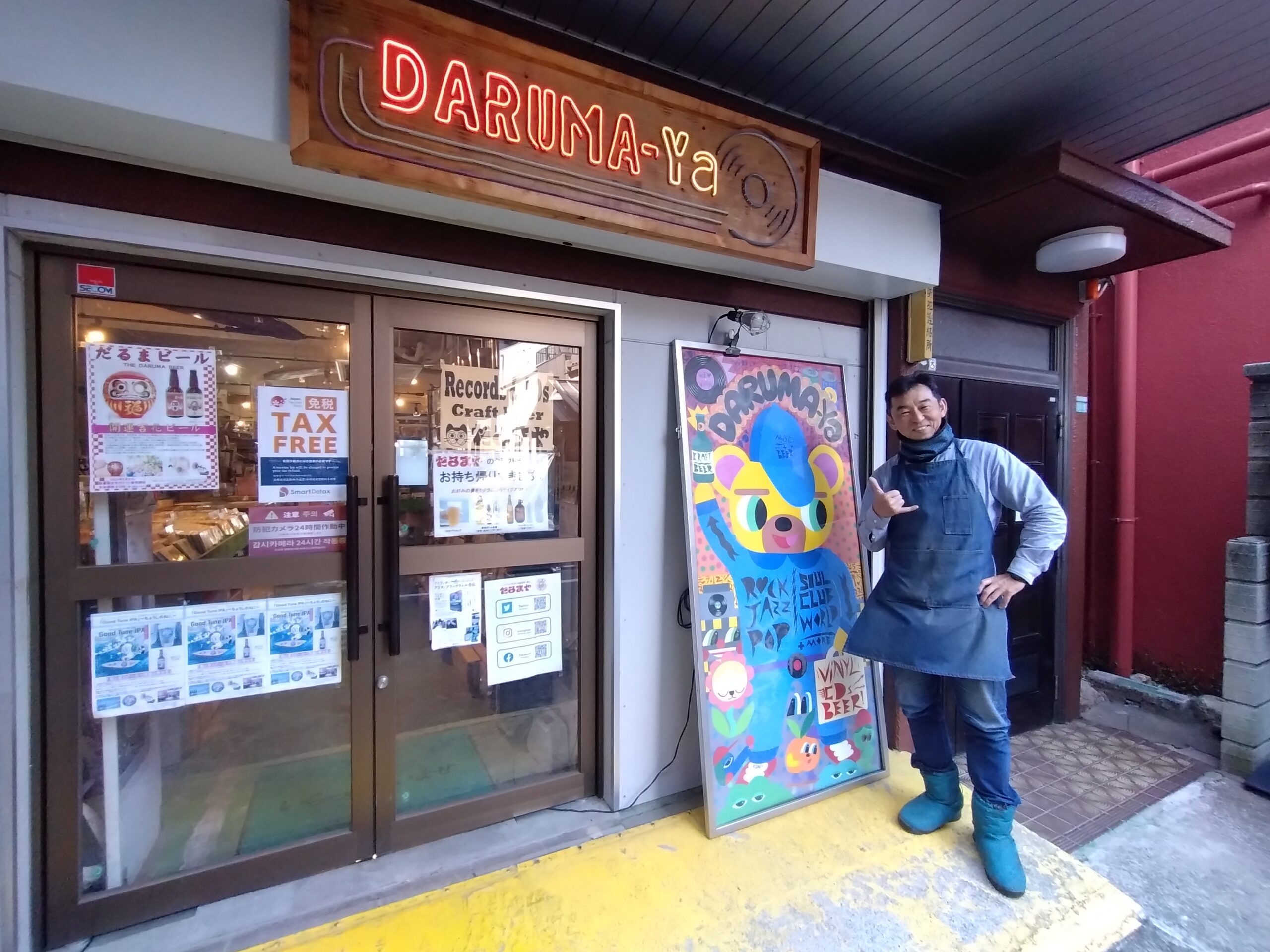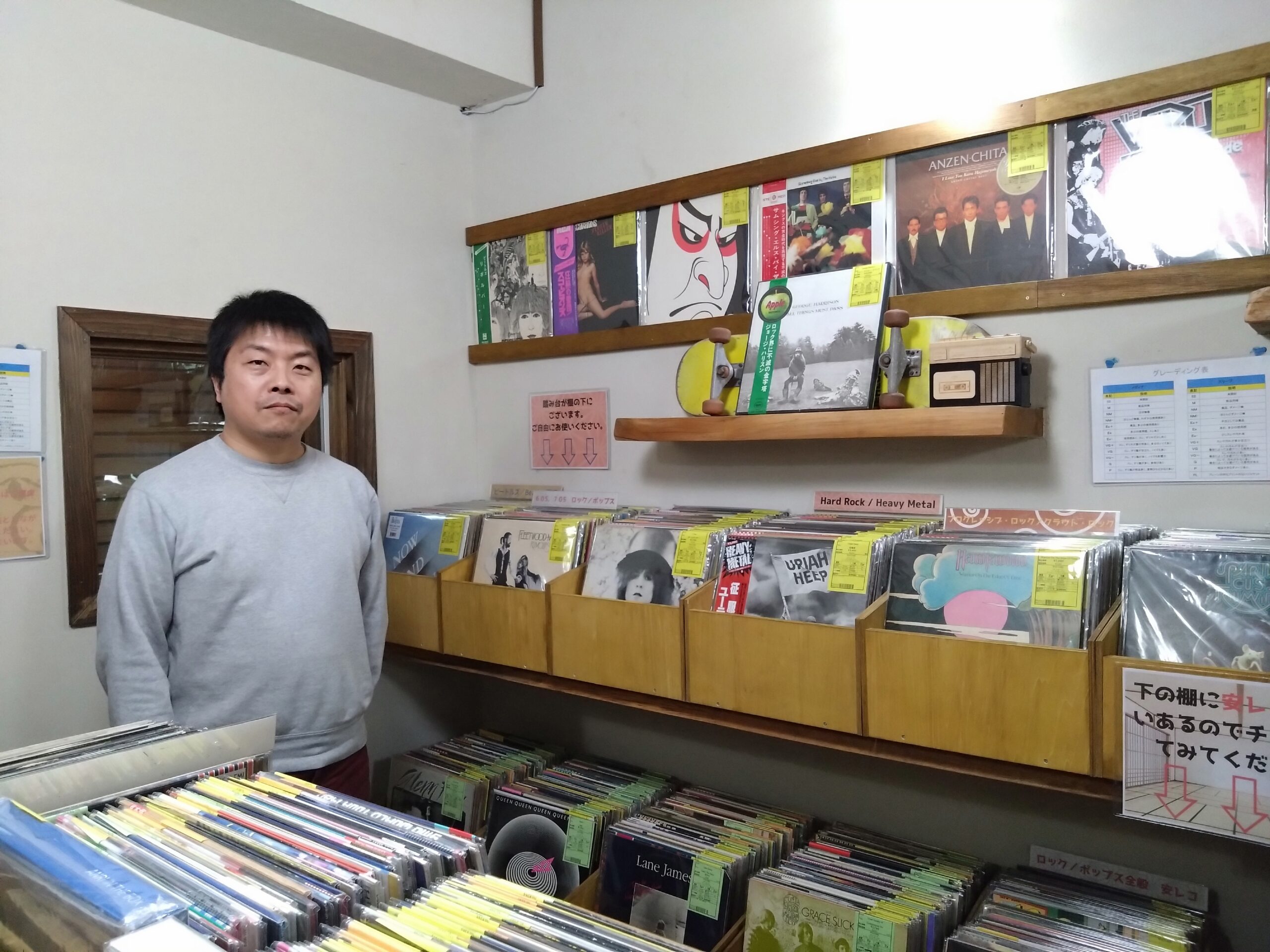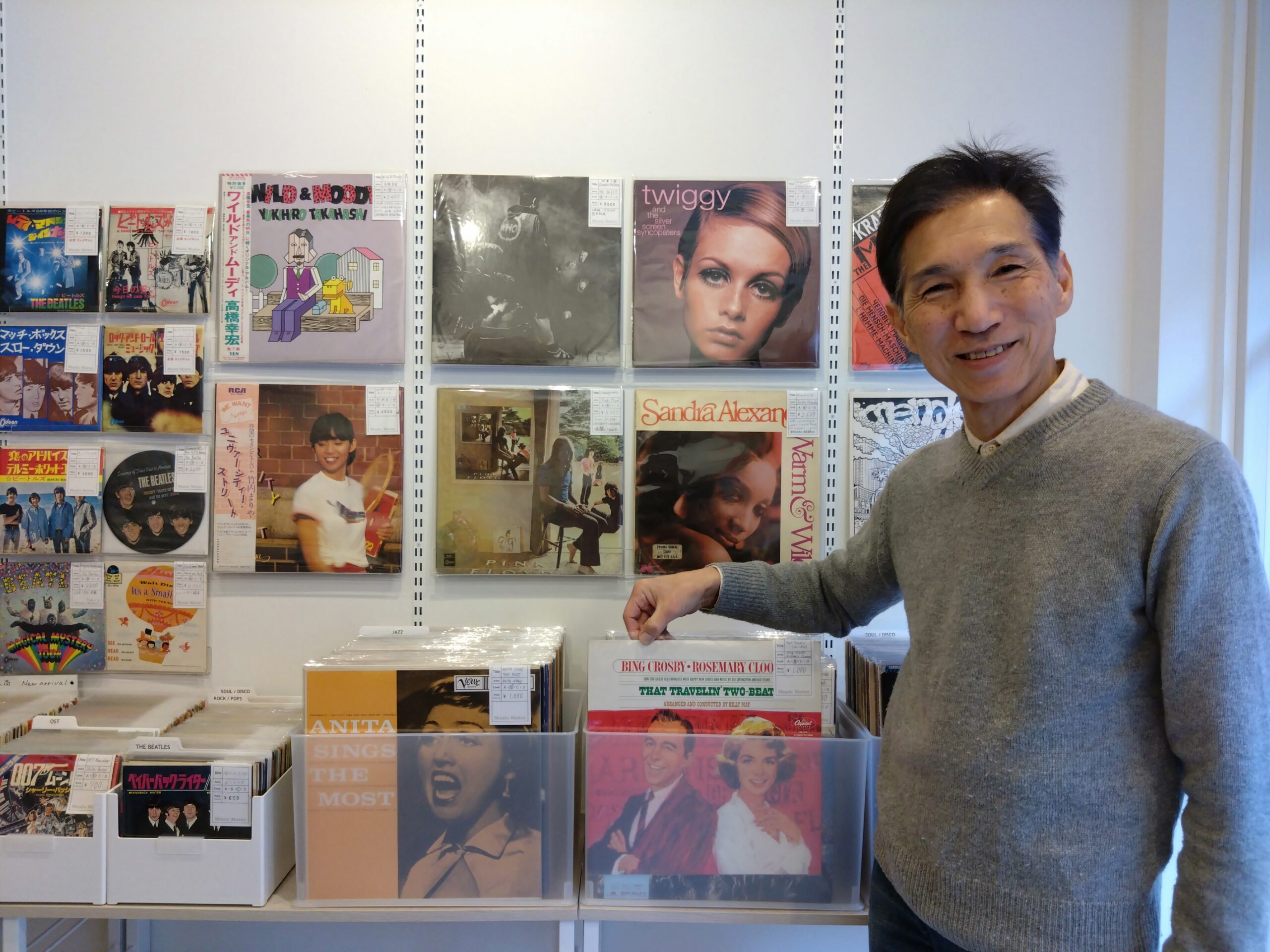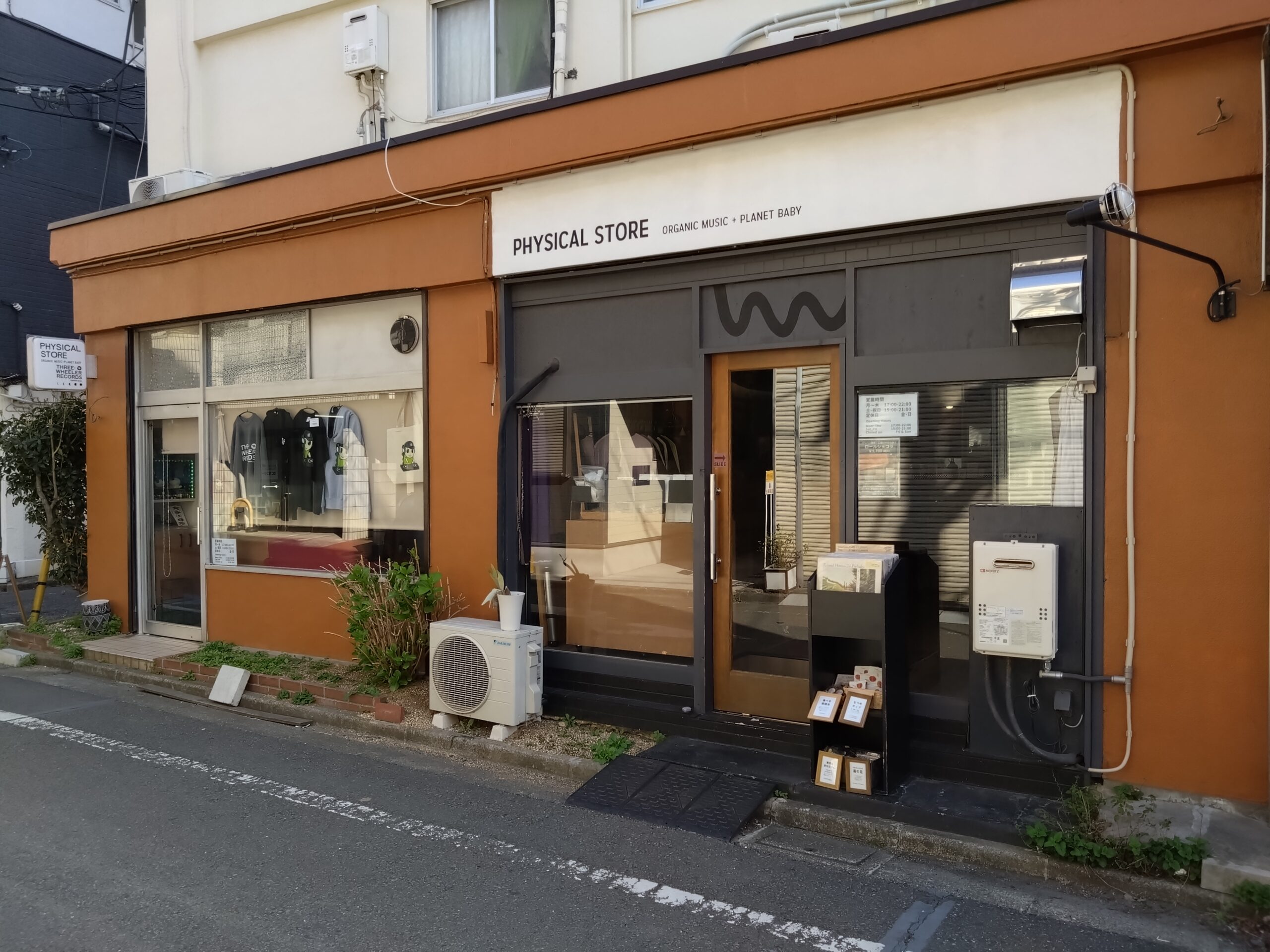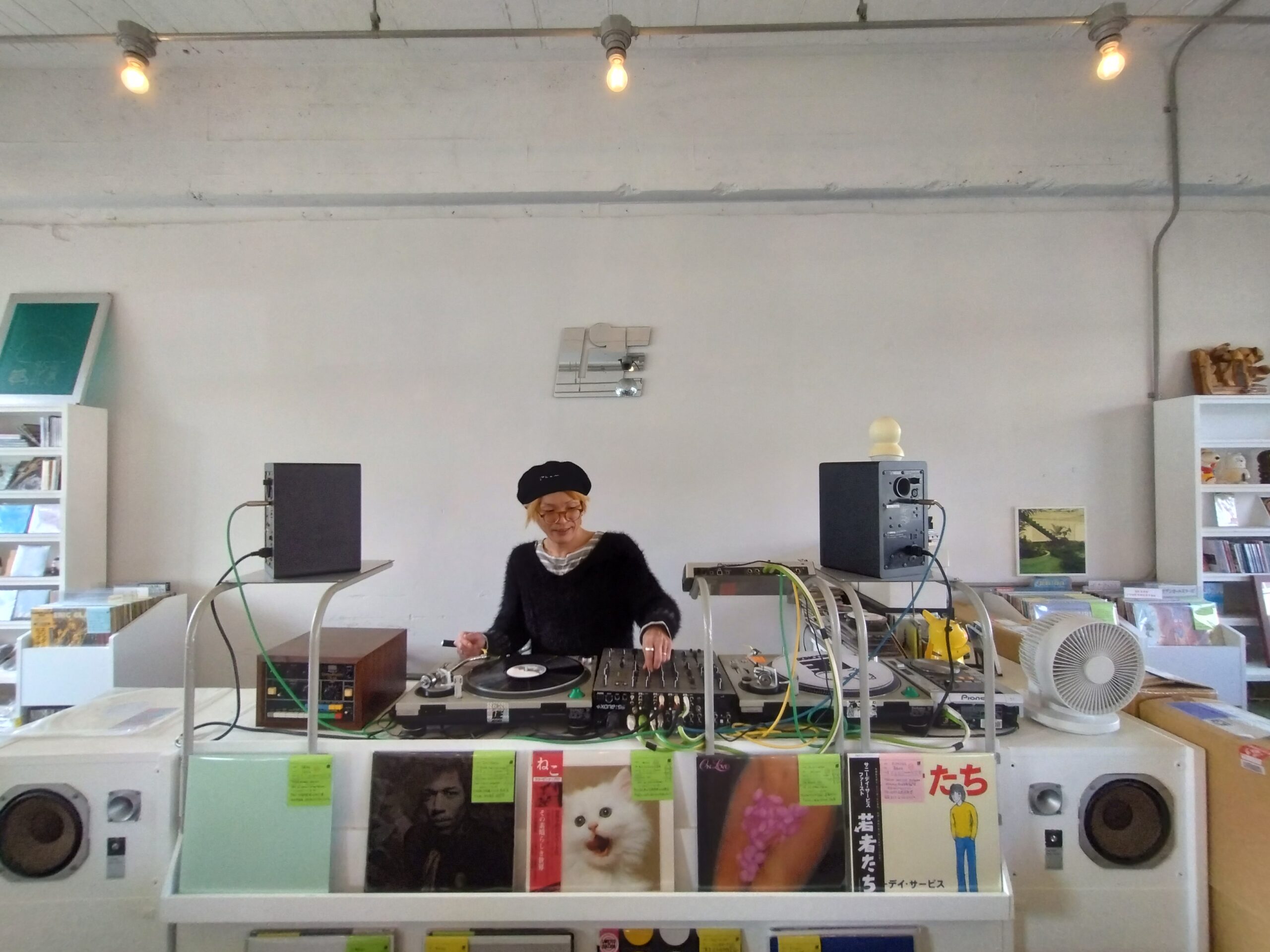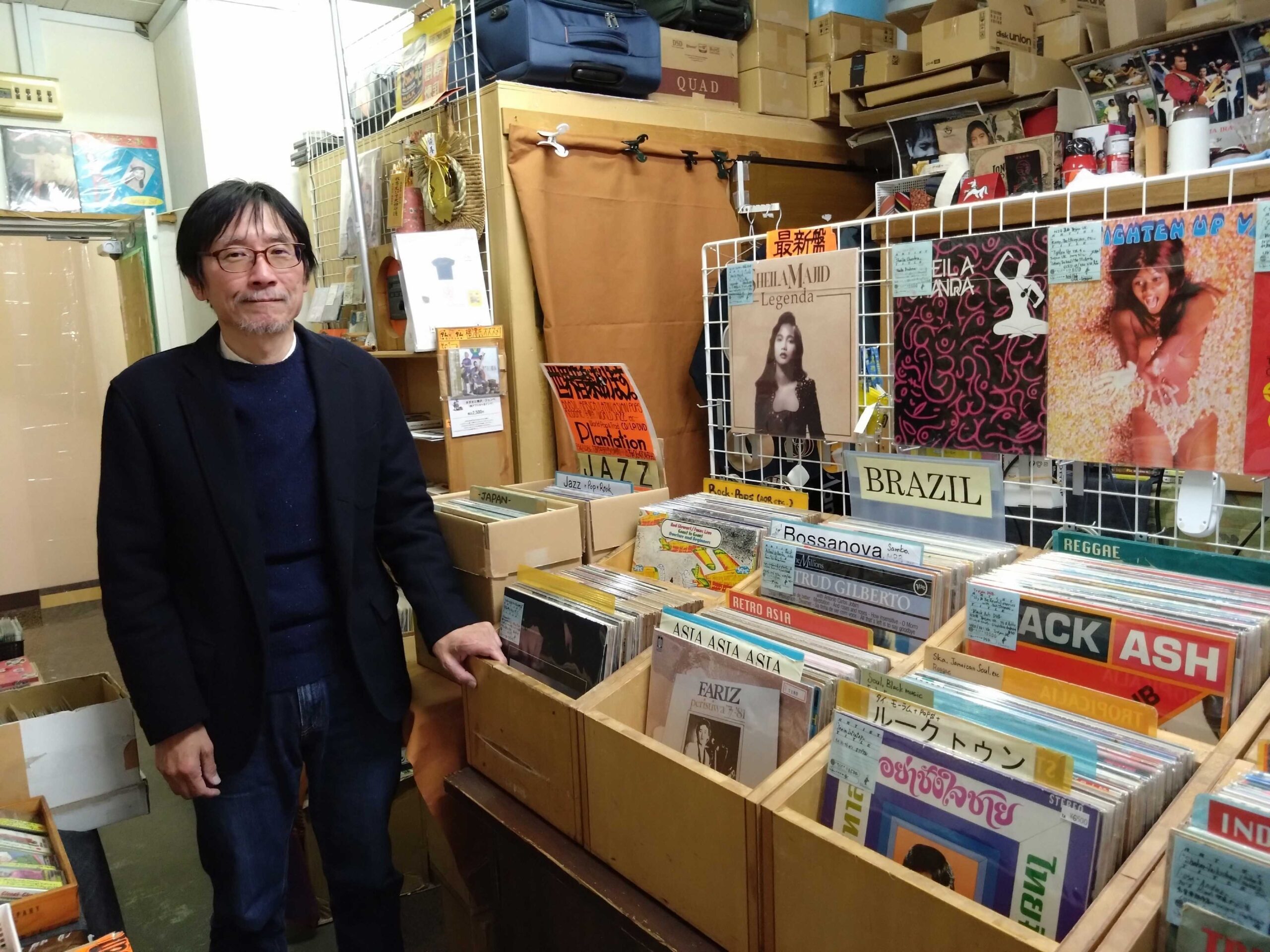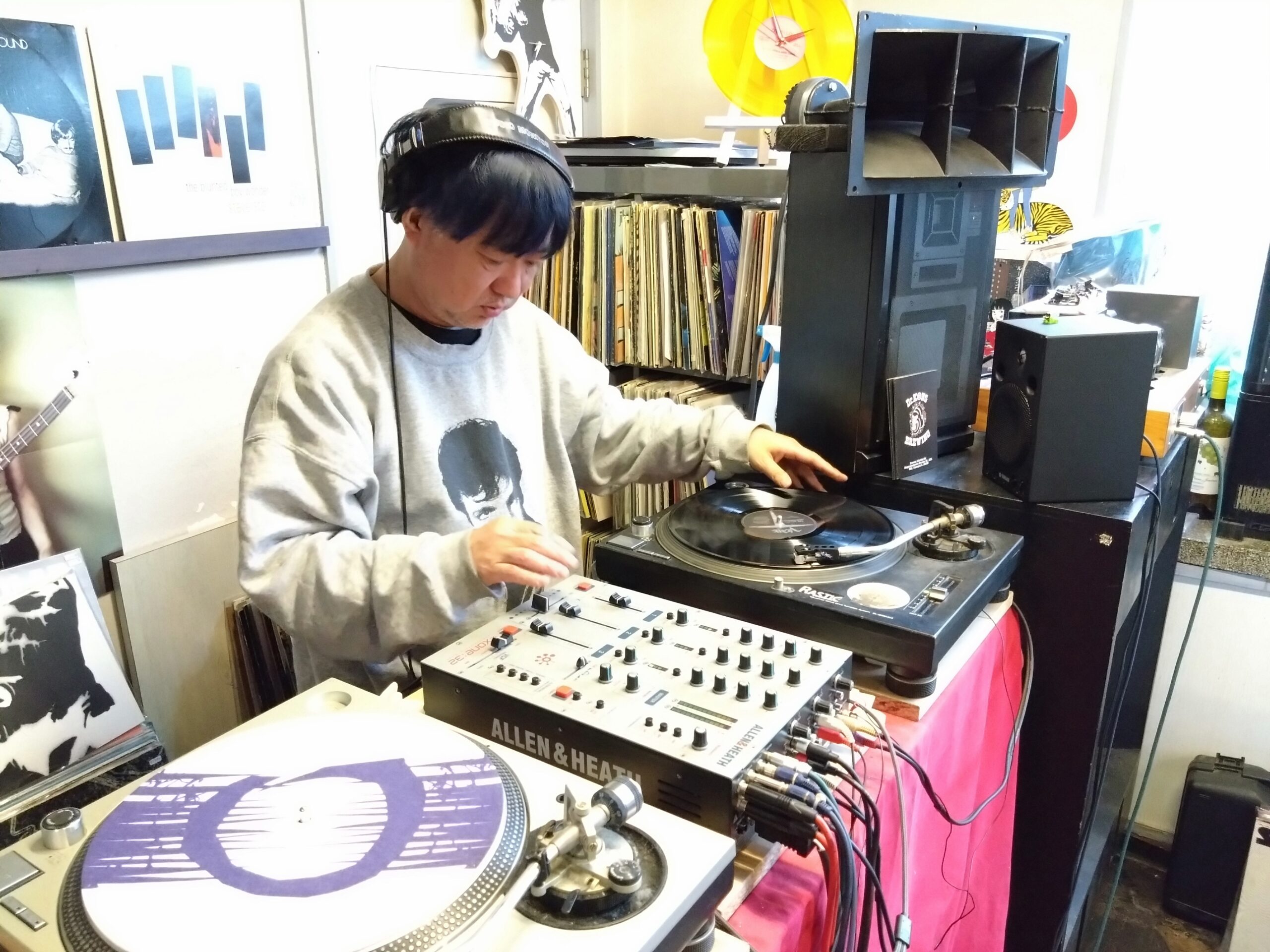
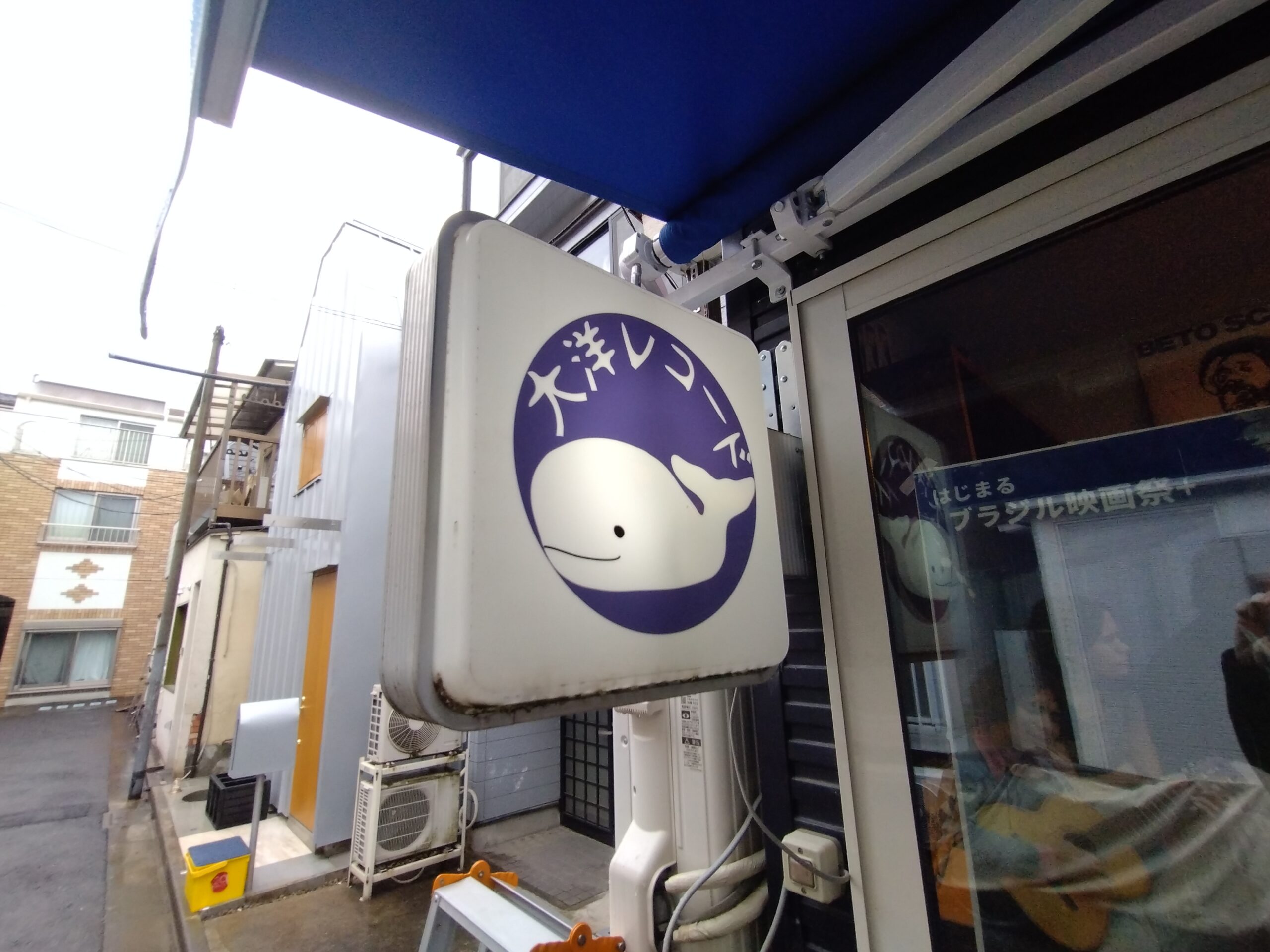
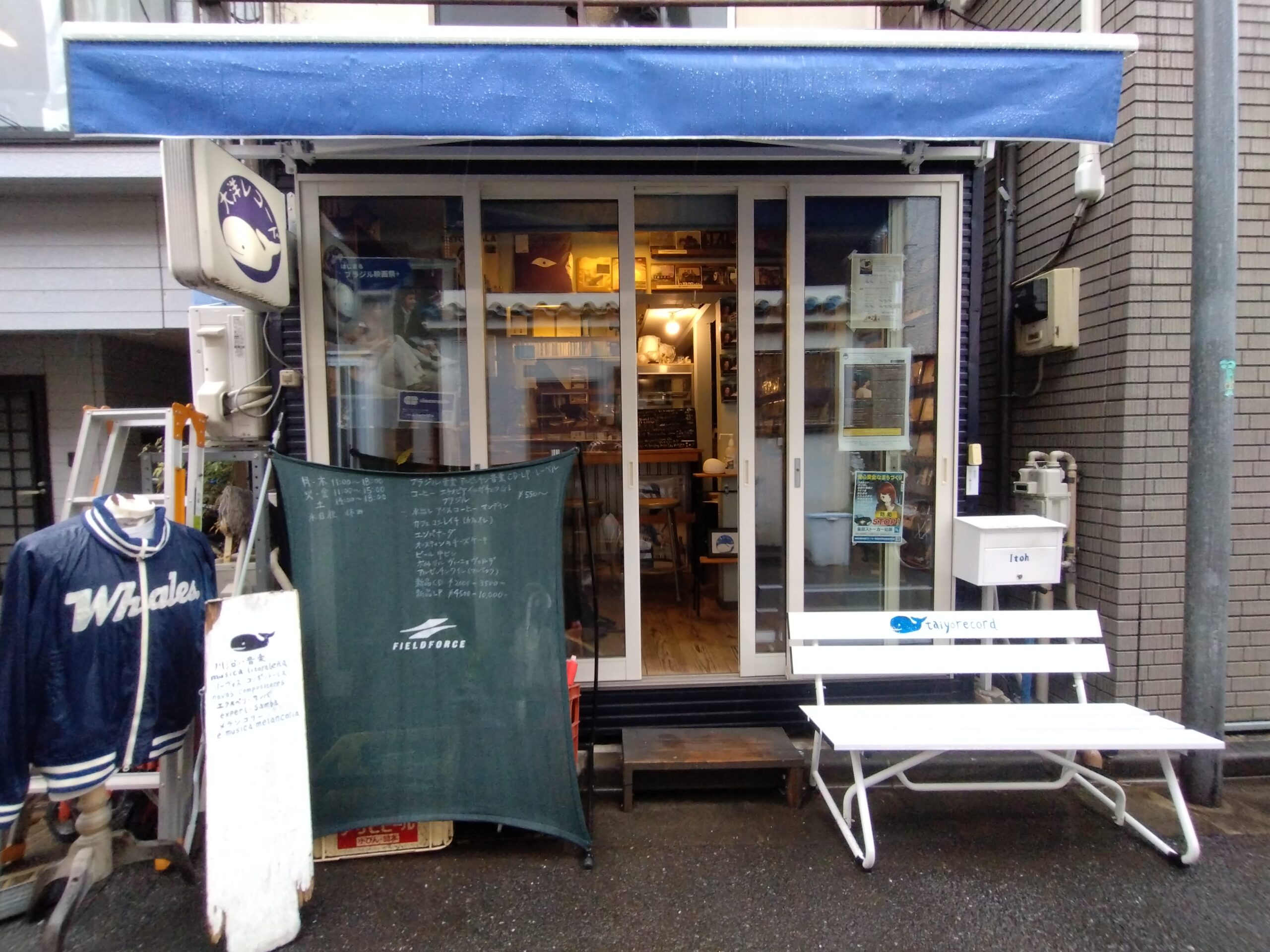
For this installment of our interview series with record shop owners, “Recoya’s Record Shop Side Stories,” we visited Taiyo Record in Kagurazaka, Tokyo.
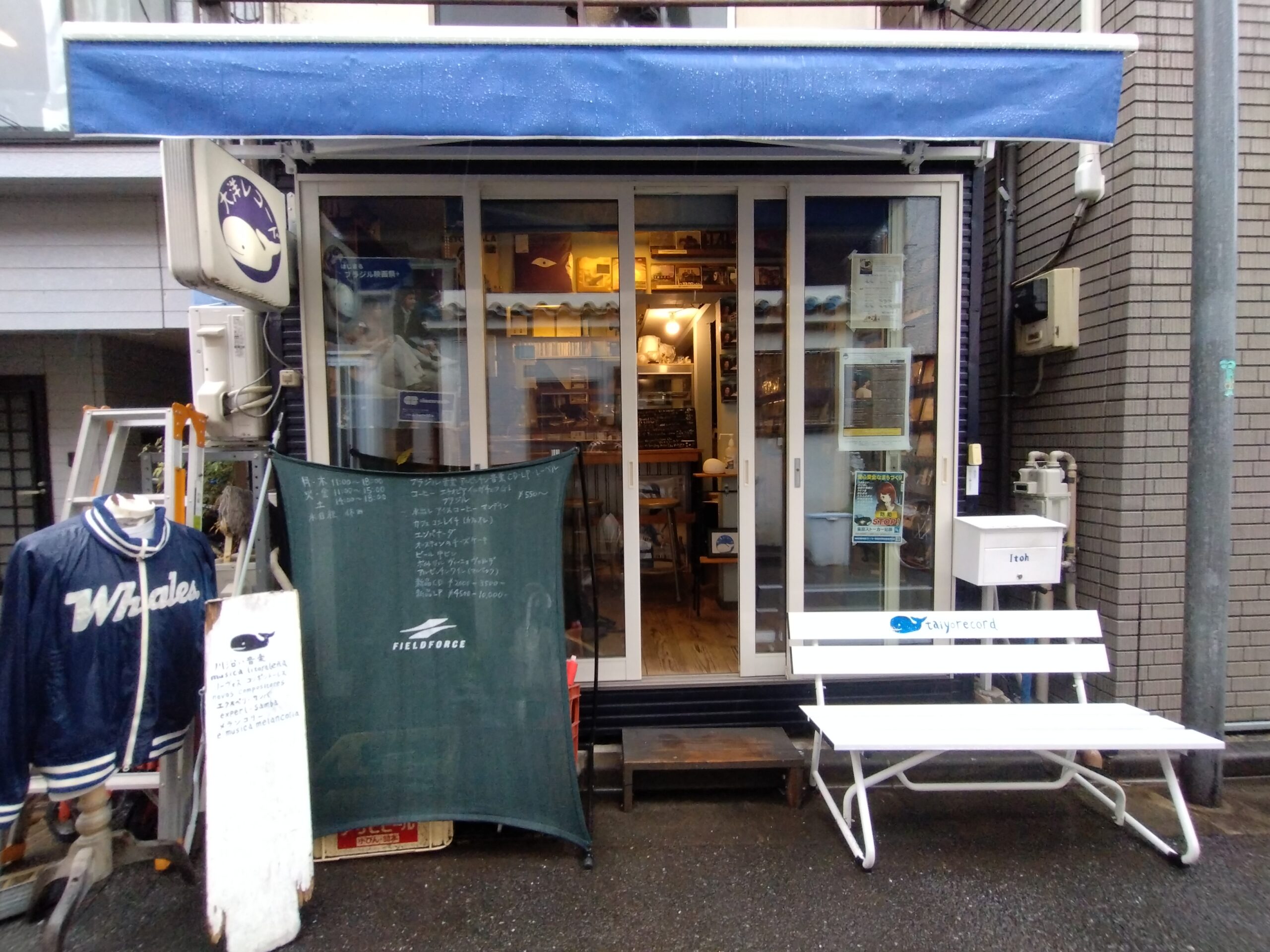
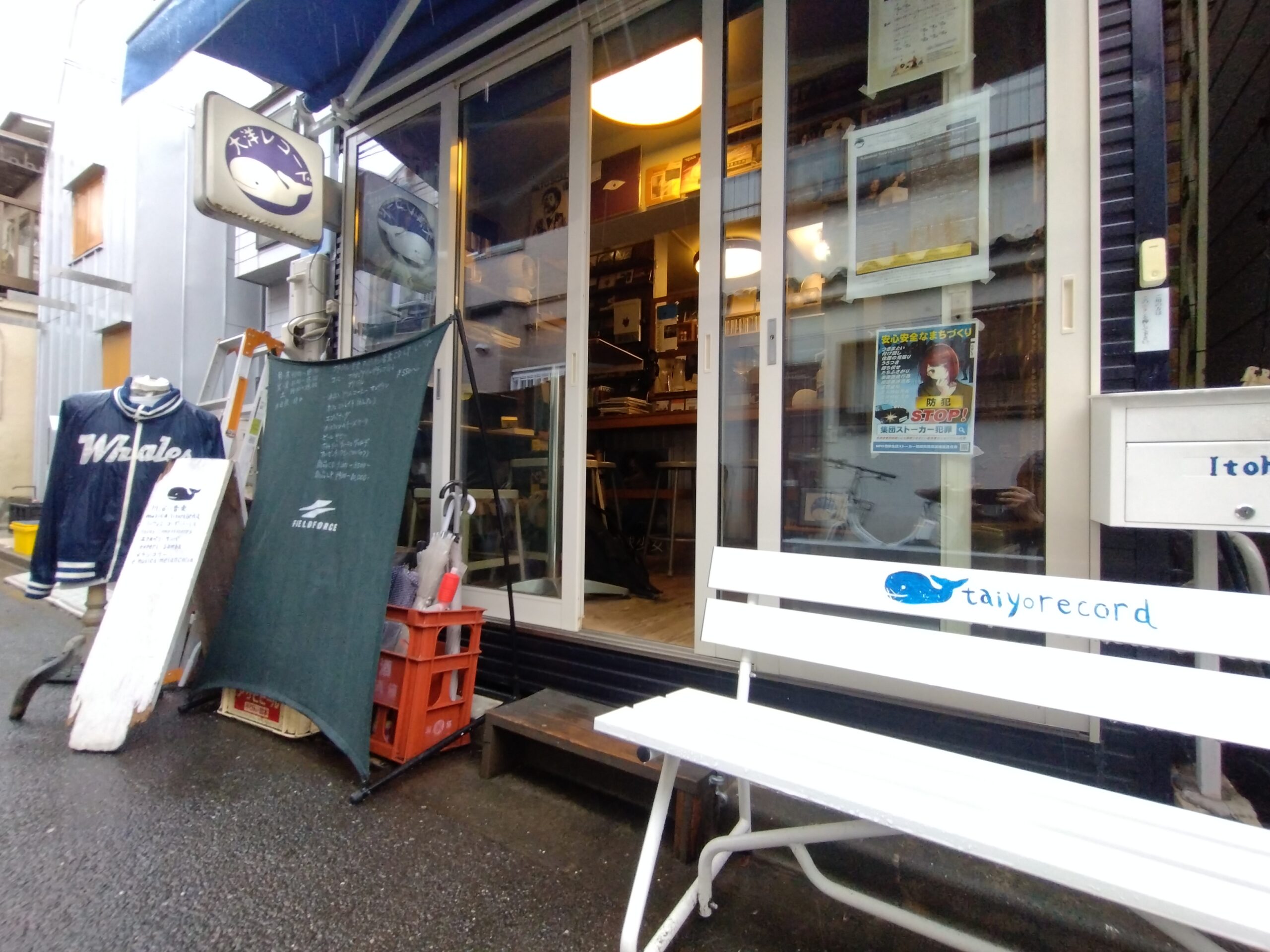
Kagurazaka’s backstreets sometimes remind me of the B-side of a great record. If the main street is the A-side’s bustle, then just one turn off it brings you somewhere cooler in temperature, but with a longer-lasting aftertaste. Taiyo Record was in exactly that kind of place.
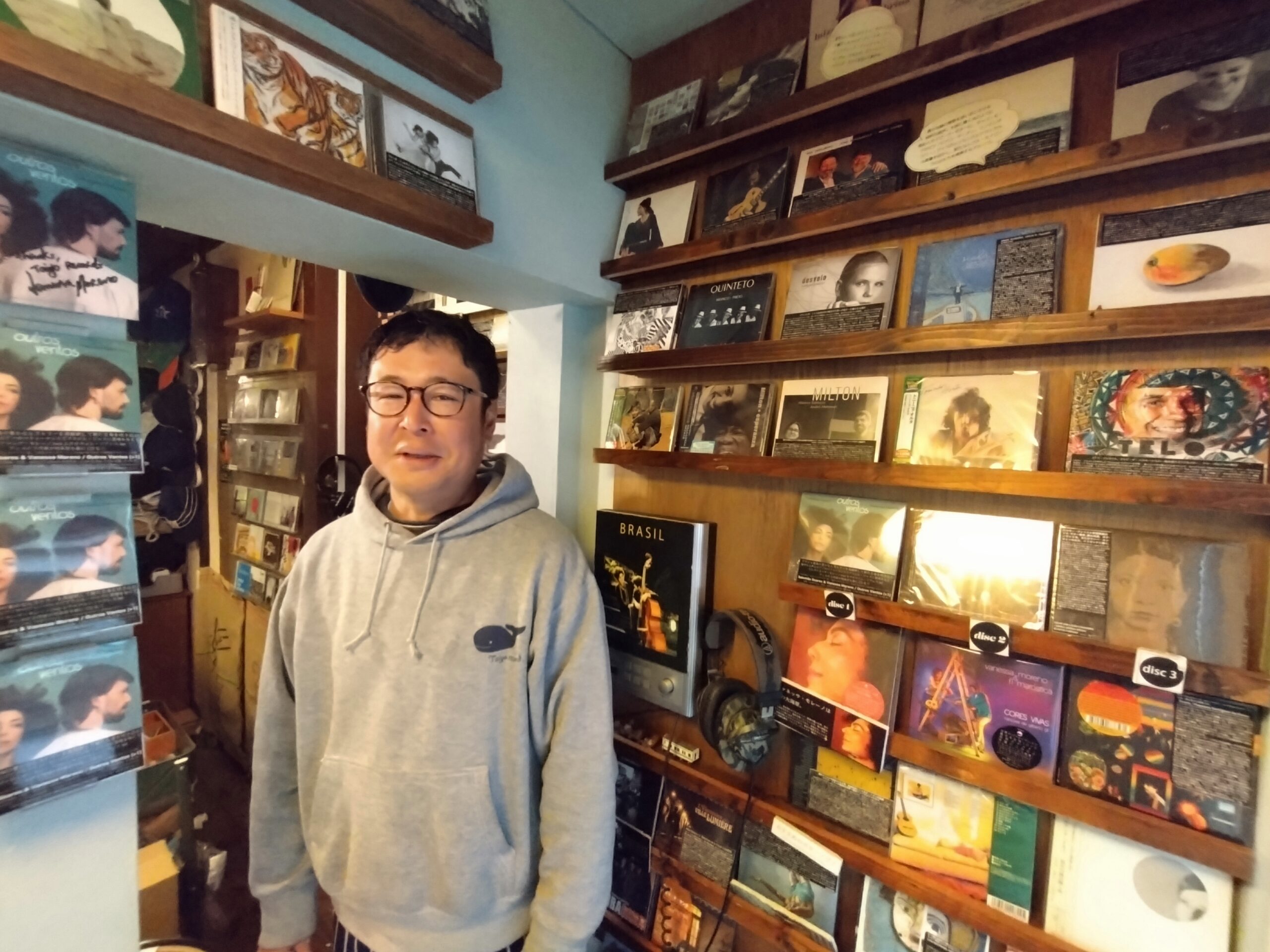
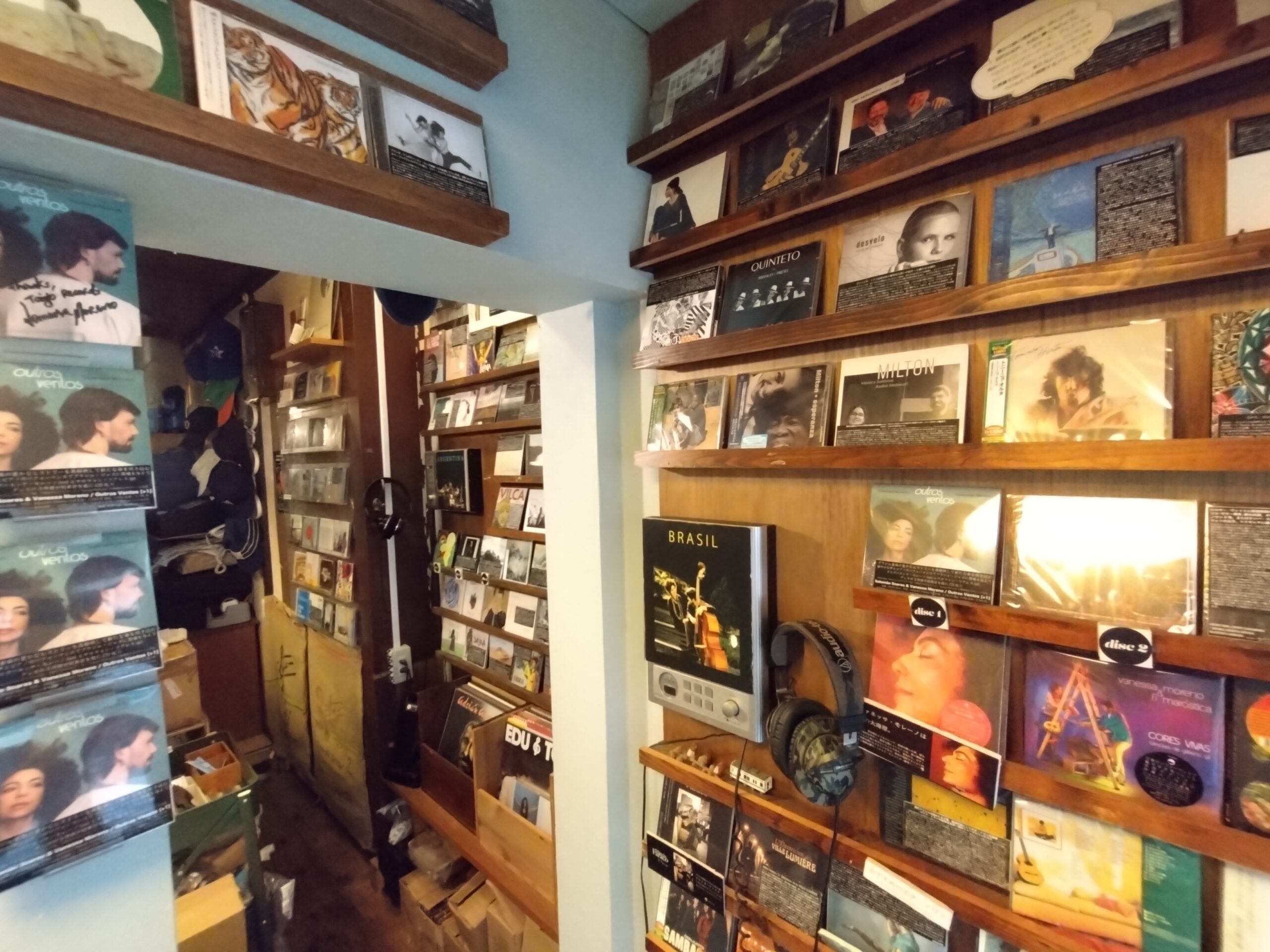
This isn’t just a shop that happens to carry rare records. The way the shelves are cut, the way the CDs are displayed, the places where records seem ready to be played, the way the walls are used—Mr. Ito’s ears are in all of it. It feels less like selection and more like editing. Not simply arranging materials, but shaping a flow.
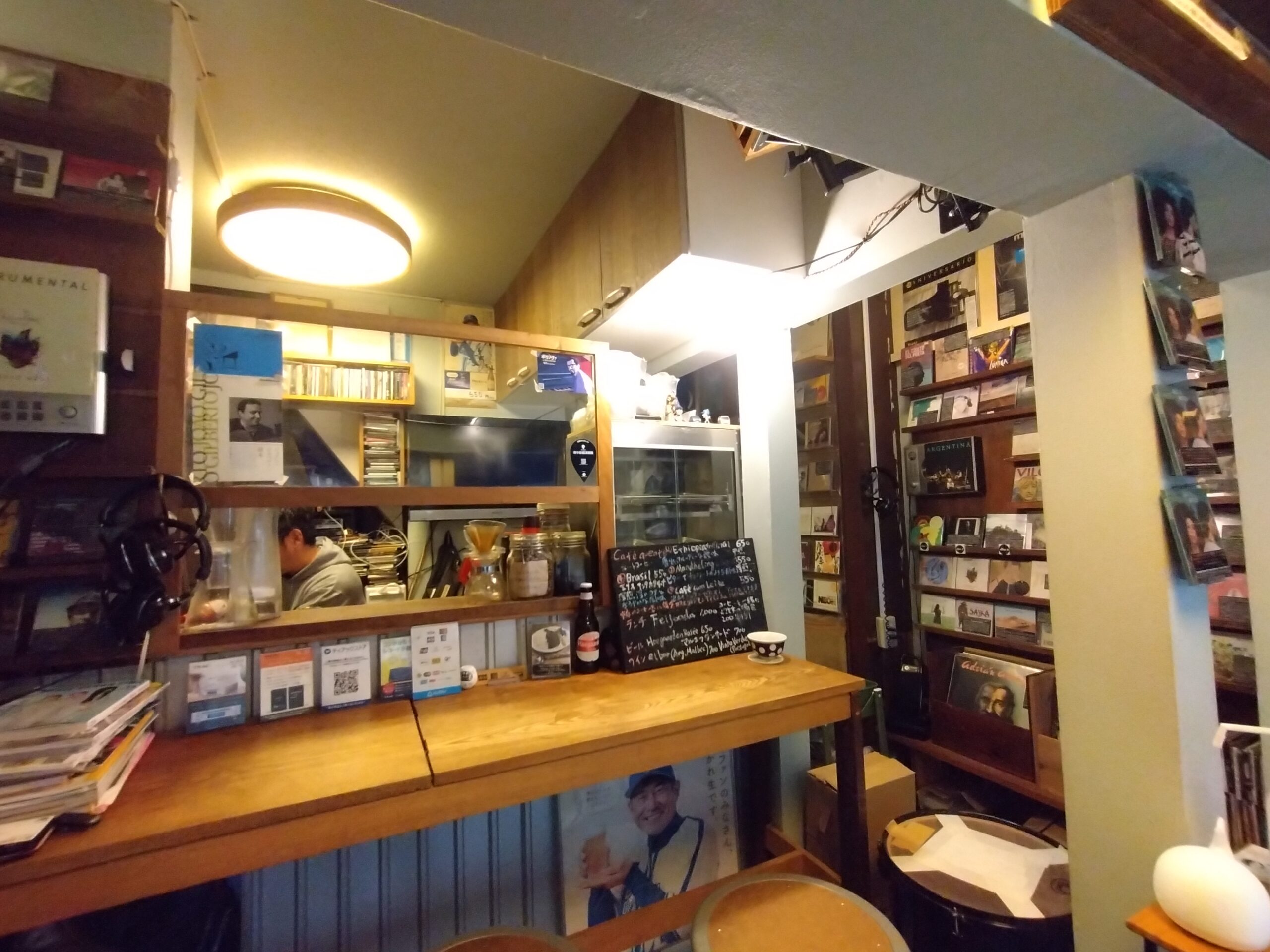
There is, though, a slight tension at the entrance. The layout naturally makes you face the owner as you come in. Mr. Ito knows that perfectly well himself.
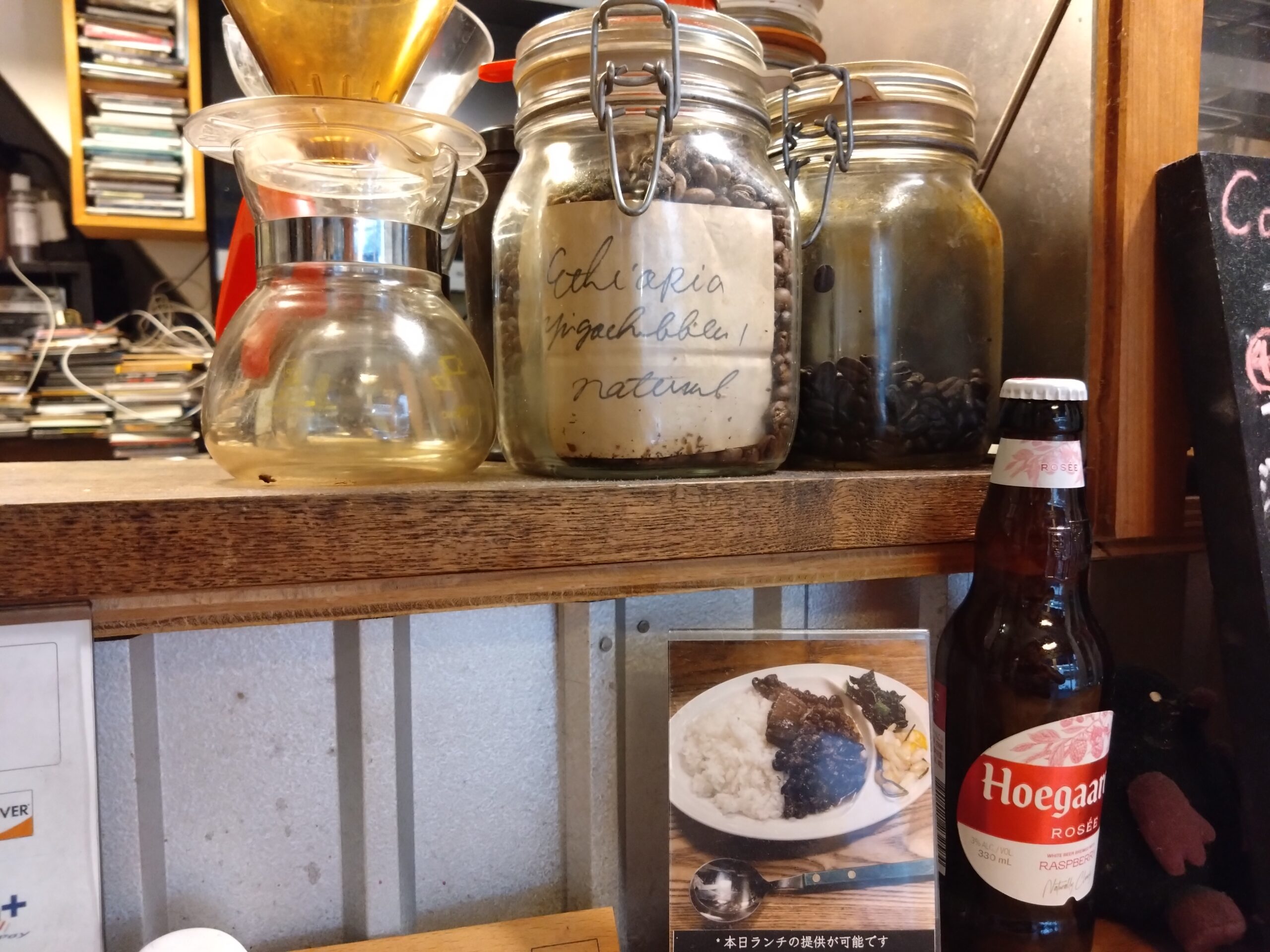
I liked that self-awareness. He understands the difficulty of the entrance, but doesn’t overcorrect by forcing friendliness. Instead, he leaves room for people to settle in as they like. At the current shop, they also serve coffee, so you can look through records, sit for a while, talk if you want to, or just stay quiet if that feels right. The distance he keeps feels very natural.
The shop focuses on music from Brazil, Argentina, and France. And Mr. Ito is someone who has connected not only the store itself, but also wholesale, label work, and the introductions that come before that. That’s why the shelves here carry more than just a lineup of titles. It’s less the thickness of knowledge than the thickness of time spent carrying this music. Like the worn corners of a sleeve, there are traces here of a life actually lived with sound.

What I first liked about Mr. Ito’s story was that his entrance into music wasn’t too polished. He wasn’t a collector with immaculate taste from the beginning. He wasn’t a specialist in South American music from the start either. It began further back than that, in the sounds of ordinary life.
As a child, he had a record player shaped like a ladybug at home. That alone is already a wonderful way in. Music often begins not with knowledge, but with shape, color, and the feeling of “I want to touch that.” That softness of entry still remains in the way he talks about it.
He watched music programs on TV, remembered songs that caught his ear, and listened to them over and over. He went through pop songs and chart hits properly, and that matters. Shelves built by someone who passed through those kinds of textures often linger more deeply than shelves built only by someone who followed a purely expert route from the start.
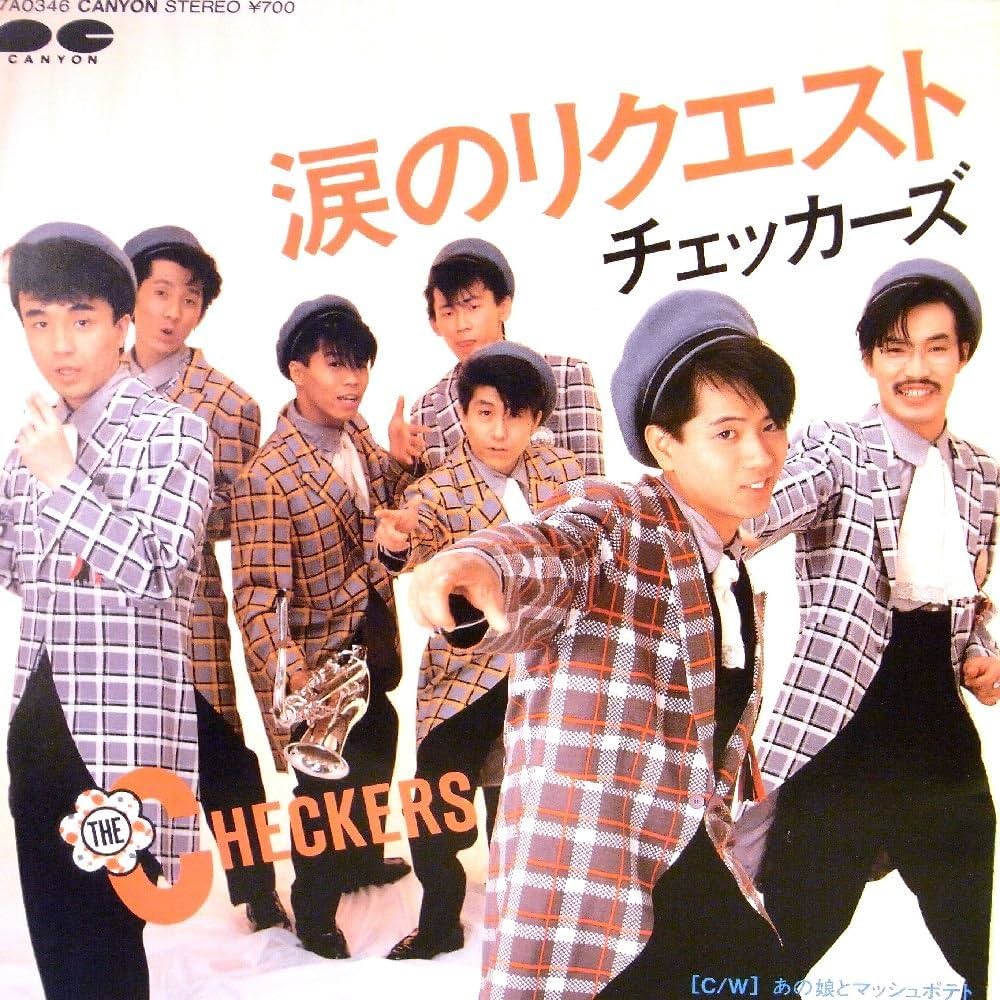
The story of the first records he bought also came out so naturally. Judging only from the atmosphere of the shop today, it feels a little unexpected—but that very unexpectedness makes it believable.
The fact that his first musical path ran through everyday pop music, and that he didn’t skip over that carelessly, matters. It’s why, no matter how deeply he dug later, his shelves never became too sharp or brittle. The music still returns, in the end, to the scale of ordinary life.
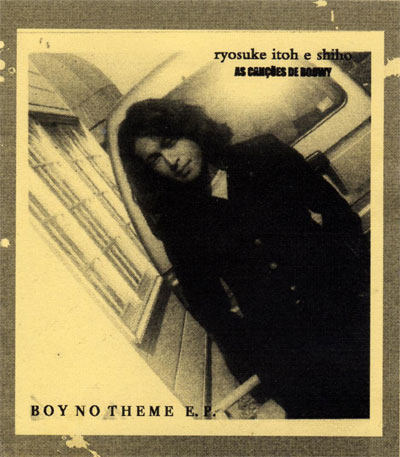
In junior high, his grandmother bought him a synthesizer, and he began a life of borrowing CDs and dubbing them onto cassette. On top of that, he would timer-record Best Hit USA and MTV JAPAN, then watch them over and over until they were practically worn out. When he says he “studied” Western music, it doesn’t sound exaggerated at all.
He played baritone sax in the school brass band, picked up the guitar in his second year of junior high, practiced with scores, and started writing original songs early on. In high school, he formed a band with friends and began playing live houses in Kashiwa, Minami-Urawa, and Shinjuku. He says he spent almost all of his time and part-time earnings on music.
The heat of those years was straight and intense, I think. He wanted to be cool, to become famous, to become something through music. But beyond that momentum, he also began to notice that the surface alone wasn’t enough.
You can borrow the form, but the core of the sound still won’t ring. If you chase only appearance and style, it won’t become your own music. Later, as a guitarist and vocalist, he came to understand the meaning of building backing parts that made it easier for him to sing, and of letting melody slip through the arrangement.
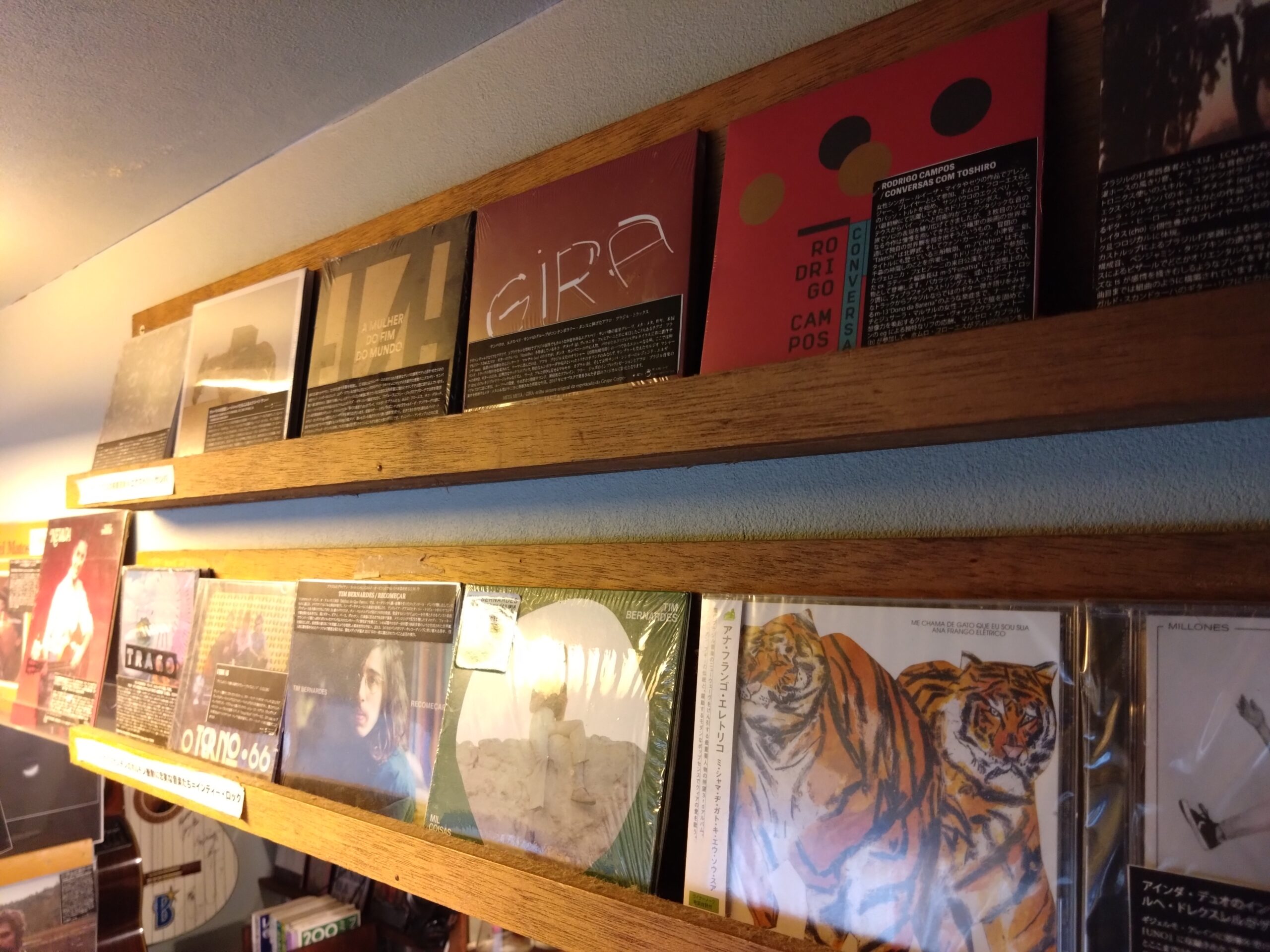
When he went to university, he started frequenting record shops in Shibuya and Shimokitazawa, widening his view from rock to indie and Shibuya-kei. Along the way, he also made time to revisit the things he once loved, rather than fixing them forever as the “right answer” of youth.
That feels like a major turning point. People who can go back and question what they once loved are strong. Once you rethink what moved you and what was missing, your shelves stop sounding like reviews. The quiet persuasiveness of Mr. Ito’s shelves probably comes from that later re-digging.
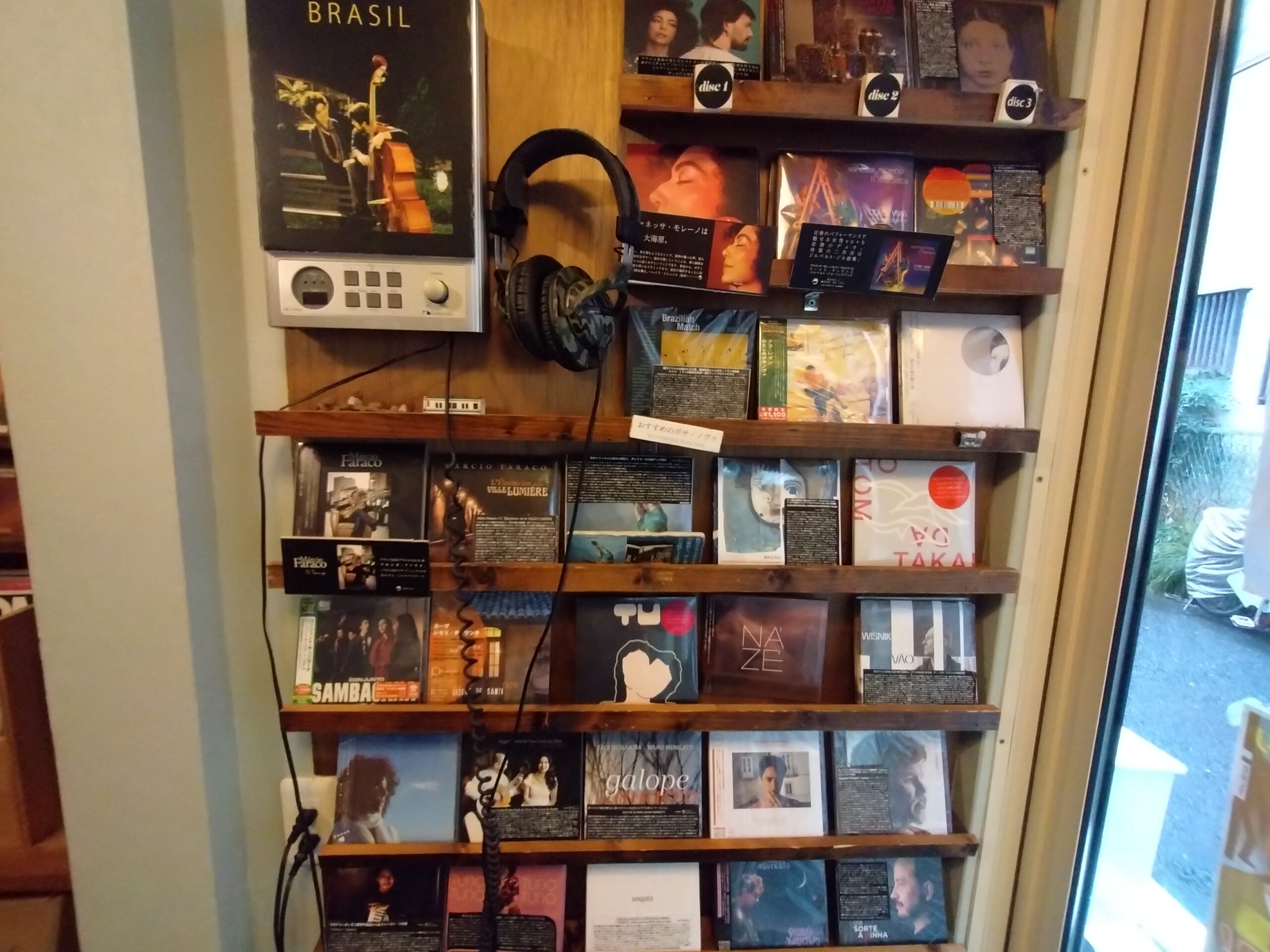
The axis of Taiyo Record is music from Brazil and Argentina. But that axis didn’t feel like a signboard added later. It sounded more like music that entered his body naturally—music that, before he noticed, had become part of his own temperature.
His first job was in women’s French casual fashion, which led him toward French pop. After that he worked in the world music section of a major CD store, where, under a boss obsessed with Argentine rock, he encountered unfamiliar sounds and fell for their addictive coolness. He then joined the import division subsidiary of a record company and, while gaining experience in sales, gradually found the direction he wanted to pursue. Alongside that, he traced a path from French pop through Georges Moustaki and Pierre Barouh, and discovered the cultural connection to Brazil.
From electric guitar to acoustic, and then to the bodily realization that “this is actually classical guitar”—he dug through an era with little information by looking, listening, and confirming things for himself. That accumulation became the core of the shop’s shelves.
And at that point, Mr. Ito didn’t remain on the side that simply waits for someone else to bring the music.
That line feels very much like him. Choosing, sourcing, delivering—it’s faster to do it yourself. There’s a merchant’s judgment in that, but also something like a DJ’s sense of aesthetics. Not riding someone else’s flow, but making your own. That feeling shows up directly in the shelves too.
Mr. Ito hasn’t only run a retail shop. He has also handled import wholesale and label work himself. In other words, he isn’t someone who merely waits in a store. He’s someone who has been shaping the flow of sound from further upstream.
He has had the experience of importing large quantities of records himself and wholesaling them to major shops, helping that music spread. He has also felt what it means to introduce and help establish movements coming out of São Paulo. He isn’t just someone who lines up what he likes. He’s someone who clearly feels meaning in that sound reaching another place.
That attitude also appears clearly in his label work and his writing of Japanese lyrics. He traveled to South America, combining sourcing with promotion on the ground. He provided Japanese lyrics for a Brazilian singer, helping bring an old bossa nova song into a new form. He also became involved in Japanese lyrics for a film theme song.
Selling music in a shop, releasing it on a label, and spreading it through wholesale may look like different jobs, but at the root they are the same. The point is to deliver music that is still not widely known to the people who need it. The value of Taiyo Record lies less in the rarity of any one record than in the way it hands over that flow.
A record first encountered here might later play through someone’s home speakers, come up in conversation, be heard somewhere else, or return unexpectedly in memory while traveling. The appeal of Taiyo Record is that its records don’t end inside the shelves.
Mr. Ito’s story also included some very practical struggles. Differences between the way work culture functions in Japan and overseas, and the impact of external conditions like shipping costs and the weak yen. The difficulty of keeping a specialist shop going hardly needs stating. Yet the center of gravity in his story never collapses into that.
I think that for Mr. Ito, what matters more than being good at business itself is how to pass along the sounds he has brought back. Wholesale, labels, retail—the forms differ, but what he is doing is fundamentally close. Taking something he genuinely believes in and connecting it to the place where it needs to go. There is unmistakable pride in that work.
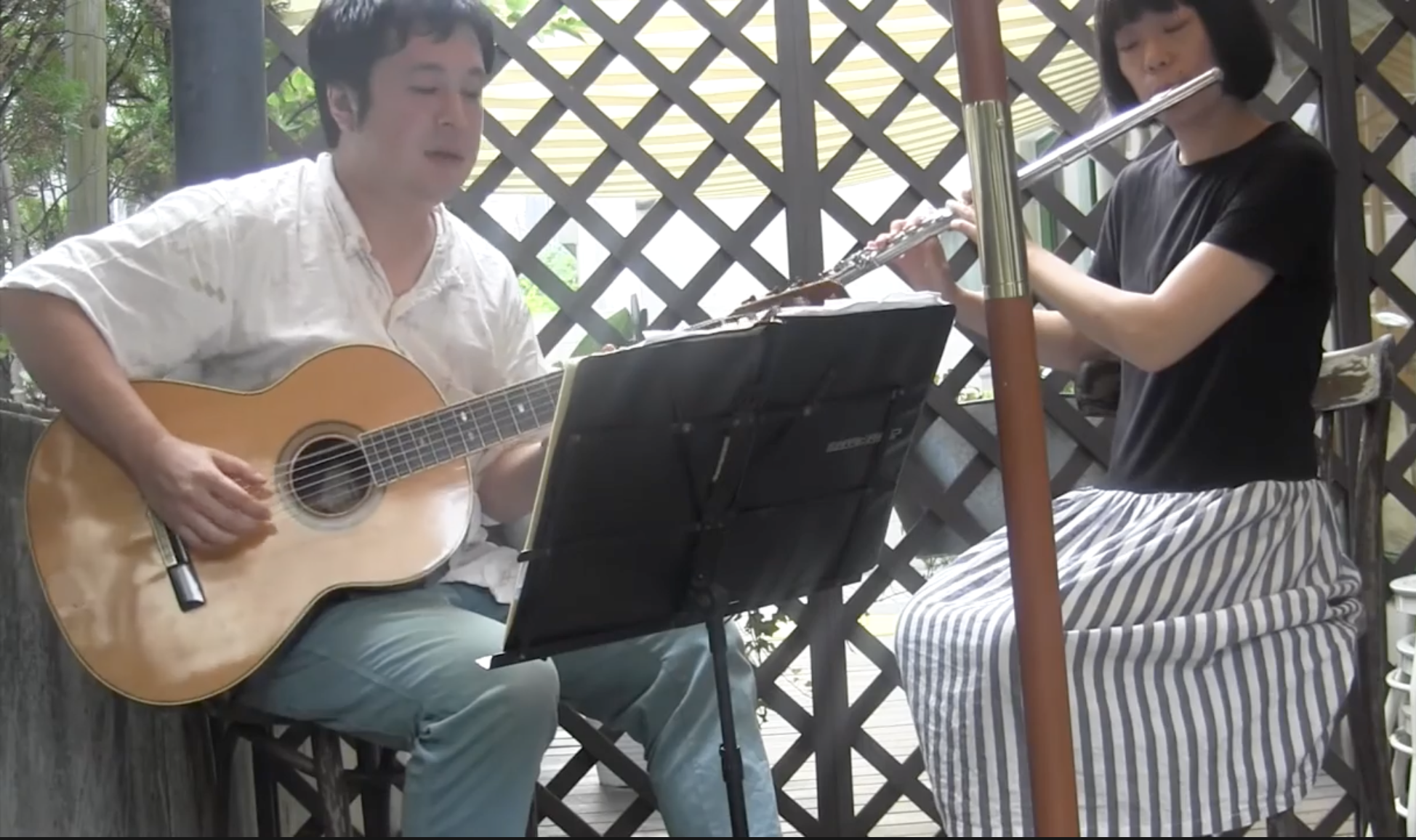
At one of the previous locations, he used to hold small, no-mic live events on the terrace with the changing seasons. Hearing him talk about that, I felt that what he really loves is not simply selling music, but the moment when sound enters a place and mingles there. People gather, music starts, and something he introduced passes onward to someone else. Creating that flow seems to have been a major source of joy for him.
It’s such a beautiful line. Rather than wanting to stand at the center himself, he seems happier knowing that a sound he connected is playing somewhere else. Work like that isn’t flashy, but it’s strong. It lingers later.
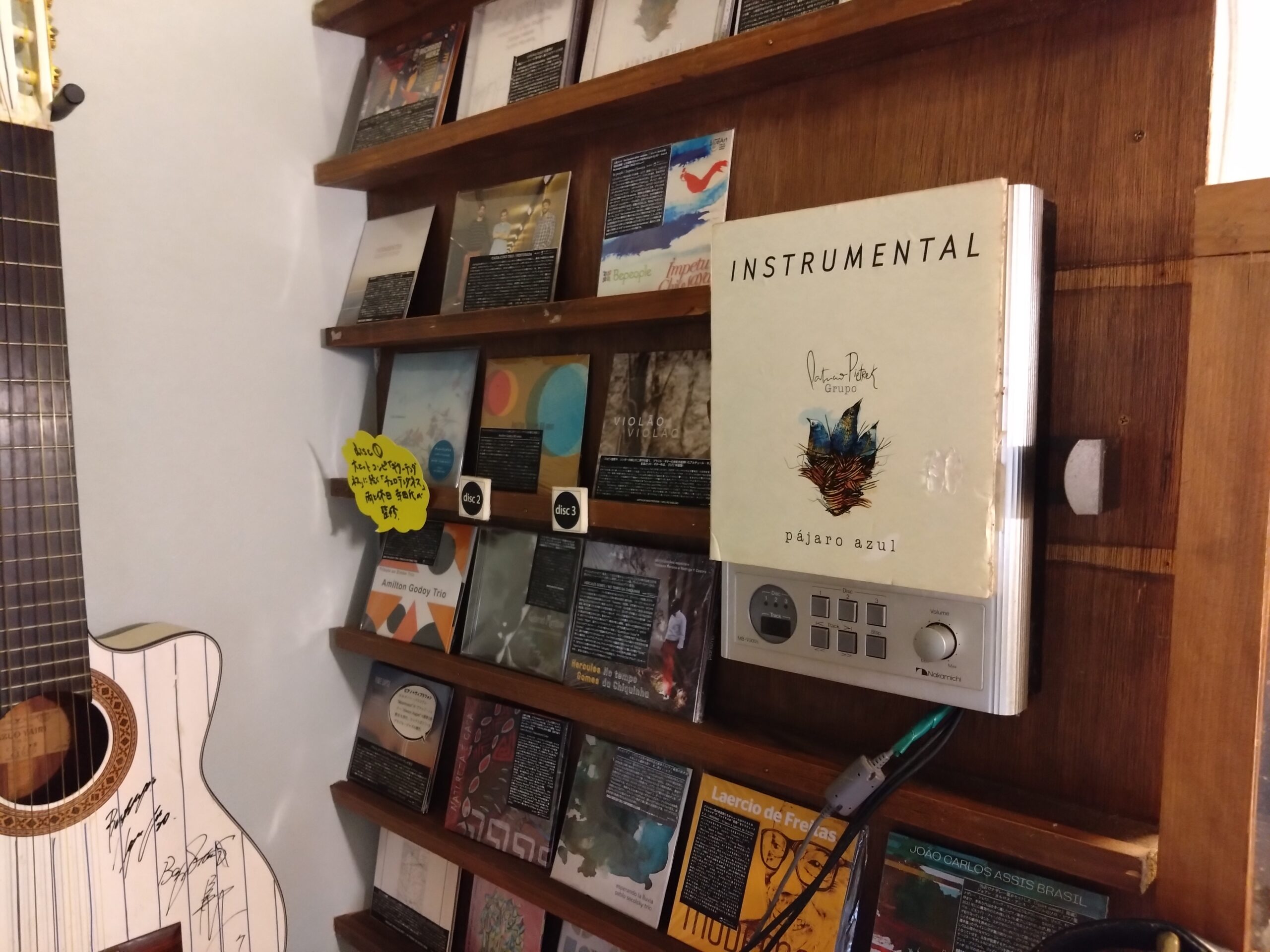
At the same time, that sincerity can also make things a little precarious as a business. Mr. Ito knows that too.
But I liked that “lack of skill” very much. There’s a resonance there that people who build shelves by efficiency alone can’t produce. He doesn’t stock something because it will sell, but because he can stand behind it. That awkwardness itself becomes part of the shop’s sound. That’s why Taiyo Record’s shelves are quiet, yet still deep.
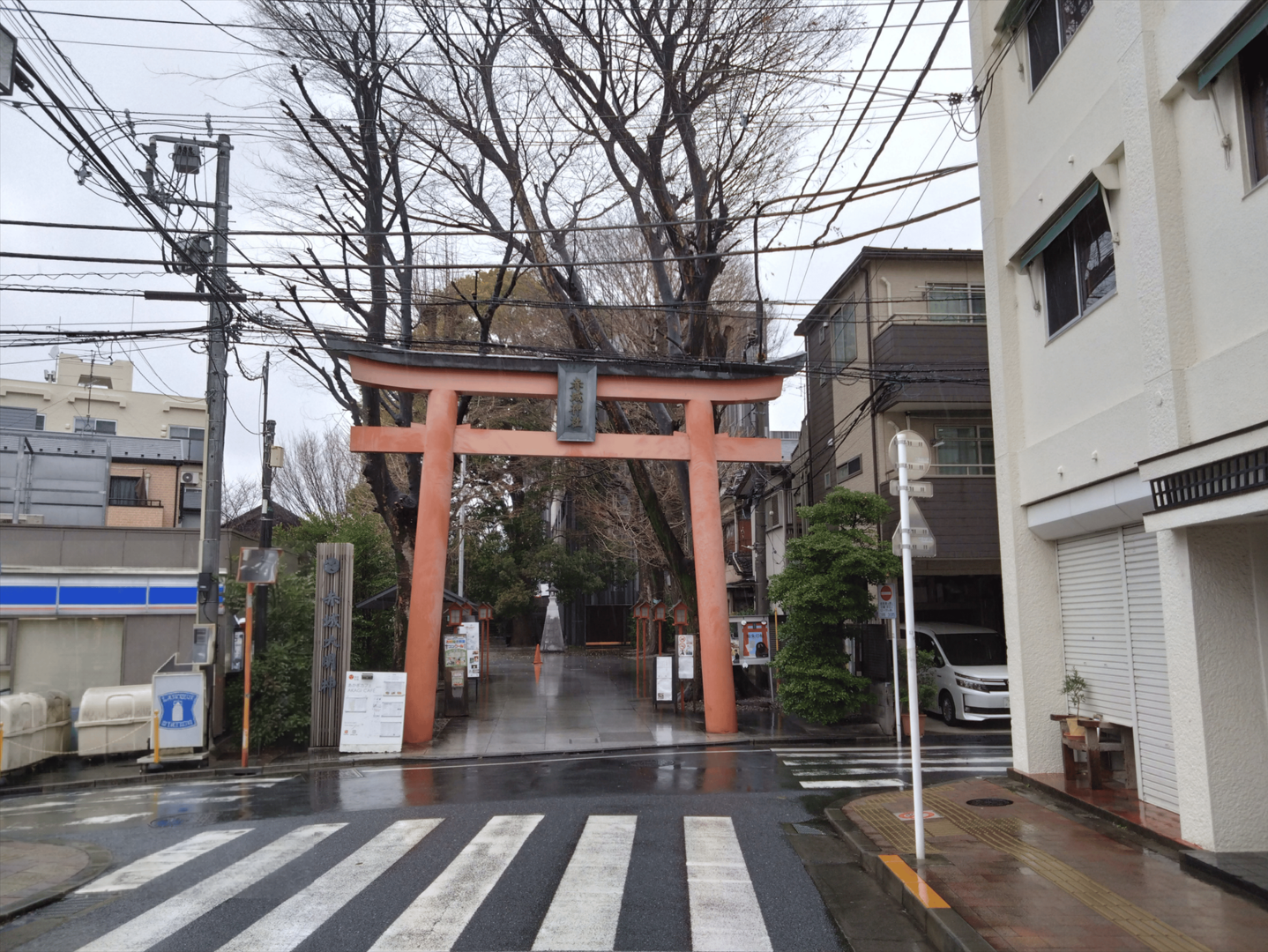
Kagurazaka is full of polished shops. Many are highly complete, and many establish their “world” the instant you step inside. Taiyo Record has more breathing room than that. It doesn’t push. It doesn’t loudly perform itself. But it sinks in gradually. It’s the kind of shop you remember on the way home.
You don’t need to know Brazilian or Argentine music well at all. In fact, that might make it an even better entry point. You can look at shelves you don’t yet know, listen to a bit of conversation, have a coffee, and leave. In that time, you may encounter not a song you already know, but a self you haven’t heard yet. Good record shops are like that.
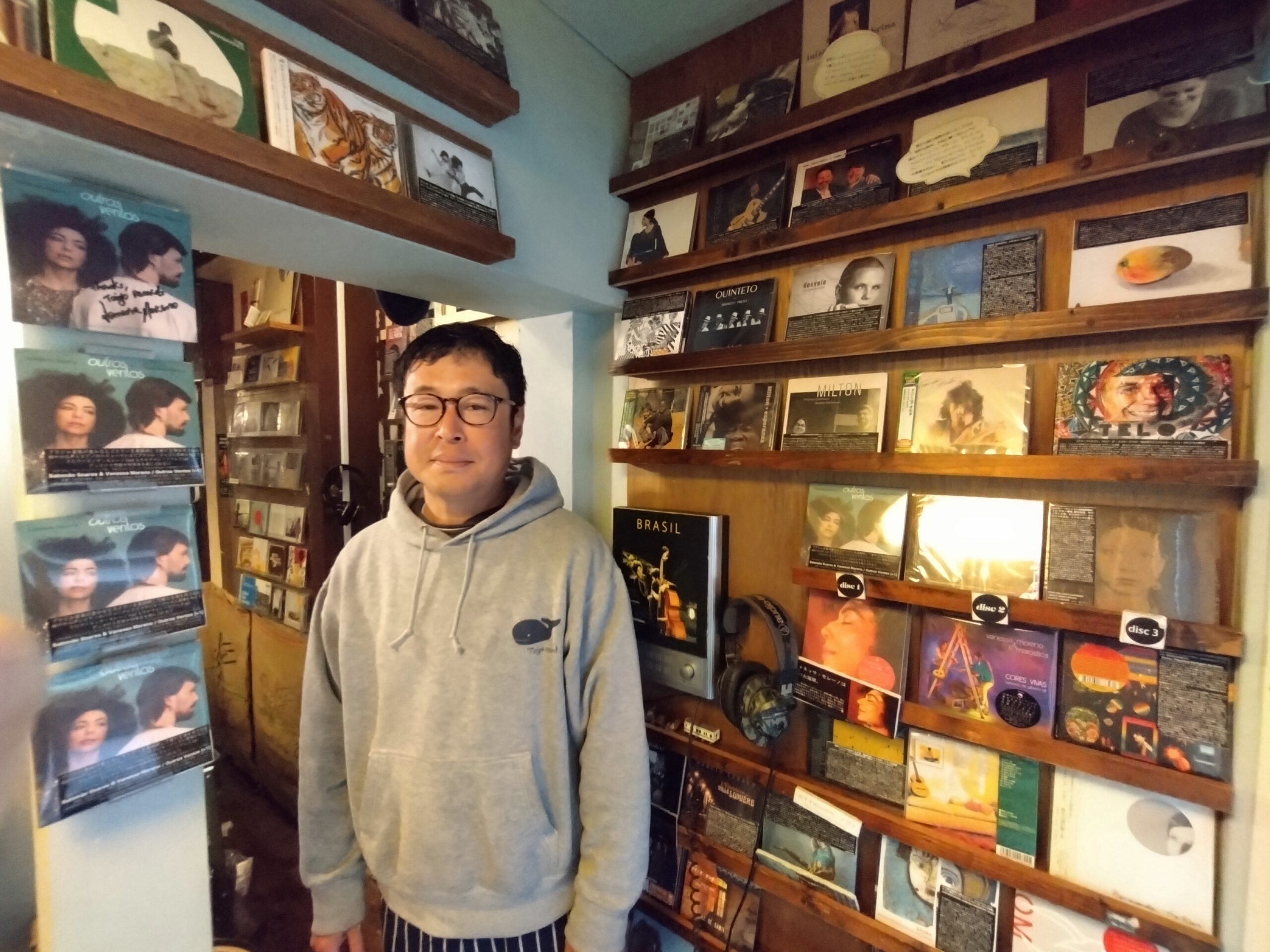
Mr. Ito is not someone who pushes hard. But the arrangement of the shelves, the records placed there, and the way he keeps his distance in the shop all carry a clear philosophy. That’s why this shop is quiet without being weak. Light in touch, yet lingering in the finish. Like a good spice, it stays with you a little later.
Take a slight detour in Kagurazaka and step into this shop. There is a real reason to come all the way to Taiyo Record in search of a record like that.

|
||
|
||
|
||
|
||
|
||
|
||
|
||
|
||
|
||
|
||
|
||
|