
“Record Shop Yomoyama Stories” is an interview series featuring record shop owners.
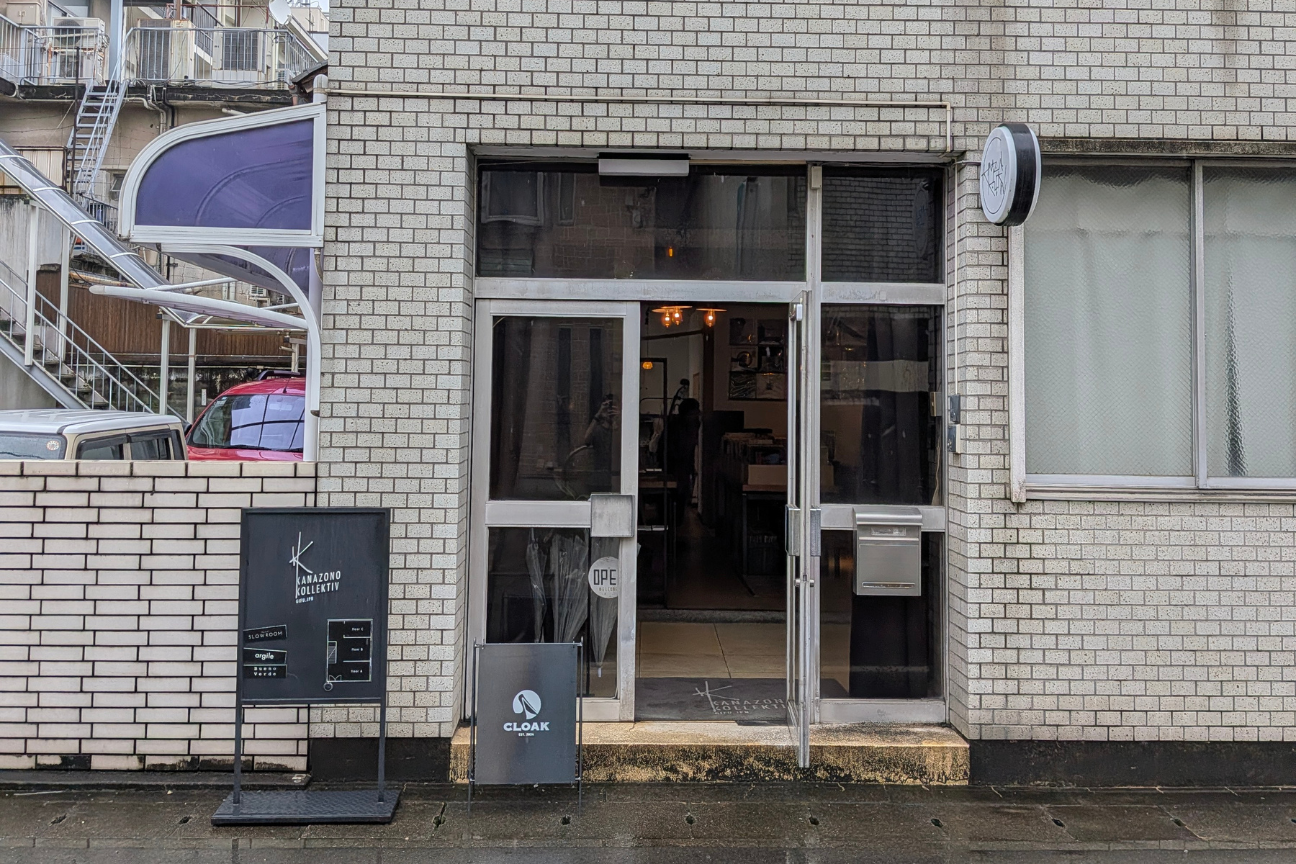
slow room is a record shop located about 10 minutes by bus from JR Gifu Station.
“I love discovering music I’ve never heard before.”
That is how owner Ohashi describes his relationship with music. Born and raised in Ichinomiya, Aichi, he went from playing in bands and managing a live house to running a bar, gradually moving into selling records along the way. We spoke with Ohashi about his first encounters with music, how he began selling records at his bar, and the kind of music he wants to introduce through slow room.

What first drew you deeply into music and records? What were you listening to back then?
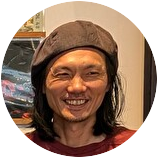 Ohashi
There was a record player at home when I was a kid, and my father was a band musician. But when I think about what really shaped my image of records, it was my older brother, who is about 12 years older than me. When I was around six or seven, he started DJing, and I think that was when I first saw records as part of everyday life at home.
I started playing guitar in junior high school and was in bands for a long time. When I was in elementary school, I listened to popular music of the time, like GLAY and L’Arc-en-Ciel. Around the same period, my brother and his friends were also introducing me to other kinds of music, so I was getting into alternative rock as well. I was following what was popular, but at the same time, my taste naturally started expanding into something a little different.
The music that really stayed with me from that time was definitely Nirvana. I borrowed their live videos and watched them over and over. Kurt Cobain had already passed away by then, but for me as a junior high school student, that music had a huge impact.
What did you do after entering the working world?
In my early twenties, I was managing a live house in Ichinomiya. At some point, I started thinking that I wanted to open a bar where live performances could also happen. So when I was 28, I opened a bar. It wasn’t a place that sold records from the beginning. But customers who came in for drinks often asked me about the music I was playing in the shop.
At the time, I was really into world music, and a lot of it was probably not easy to find in ordinary places. So I started by putting out about five CD titles for sale. That was the beginning: just a small selection of music I wanted to introduce.
So that gradually grew into selling records?
I had always bought a lot of music, so I started thinking, “I want to stock this too,” and “I want to introduce that as well.” It just kept growing.
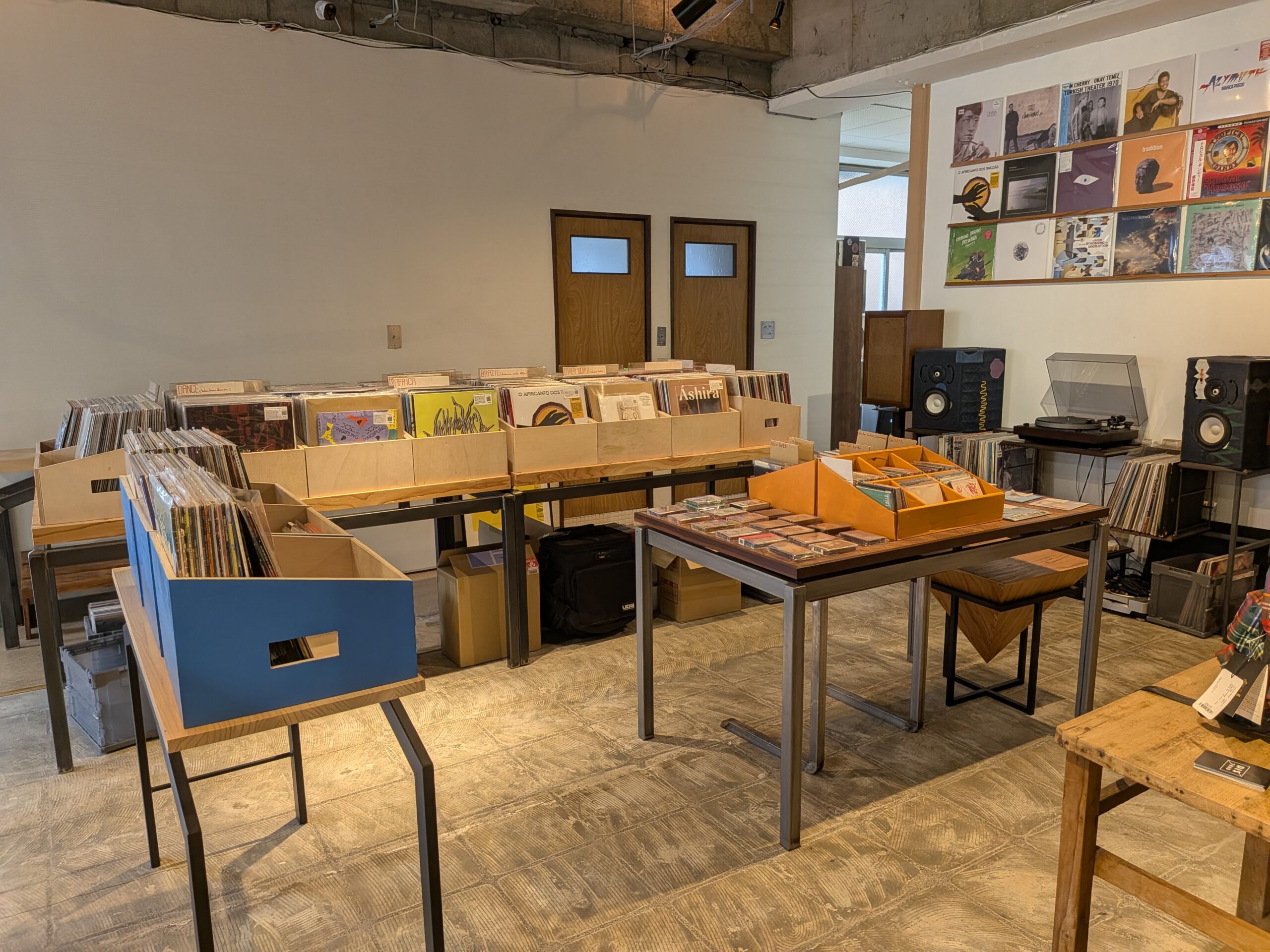
At first it was CDs, but since I personally loved listening to records, I eventually started handling records too. I built a DJ booth and began hosting events. Before I knew it, there were quite a lot of records lined up in one corner of the bar. It was almost ten boxes’ worth, so it had basically become a record shop. People in the industry found it unusual at the time. These days, there are more places that combine cafés or bars with records, but back then there weren’t that many. Later, people told me, “You were pretty early doing that back then.”
But once the number of boxes had grown that much, it became too much for the bar. So now, the bar and the record shop operate in separate locations within Gifu City. People who come to look for records now visit the record shop side of slow room.
What do you value in your work?
I realized recently that one thing I value is basically not doing the same thing as everyone else.
That might even be more important to me than profit. When I started the bar, it wasn’t just that I wanted to run a music bar. At the time, I was also interested in organic and vegan ideas, so I created food concepts that you wouldn’t really find at other places.
Back then, when we played with bands from overseas, many of them were vegan. I was influenced by countercultures like crust punk and the Summer of Love, where people tried to create their own ways of living. I think I was drawn not only to the music, but to the culture as a whole.
What kind of record listeners come to slow room?
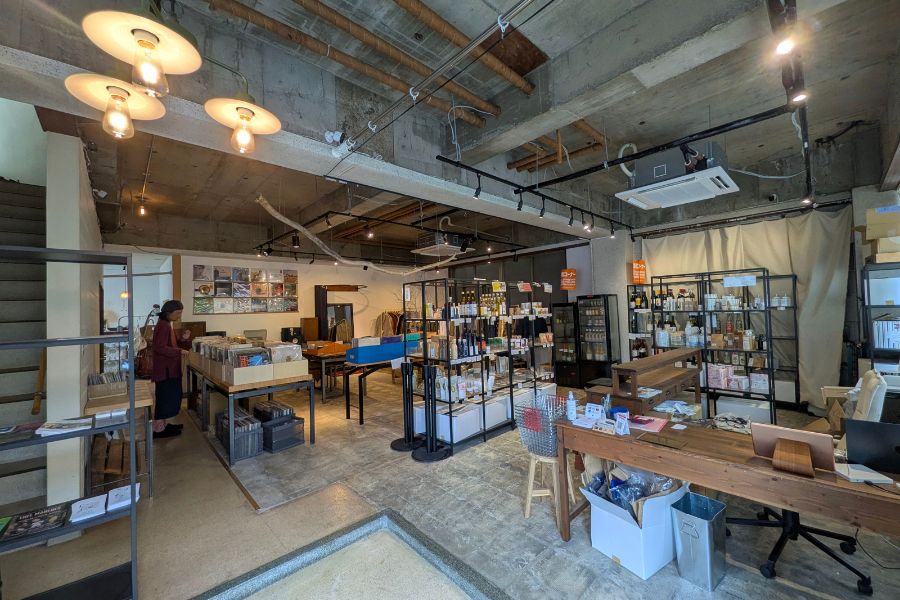
These days, most people come specifically for records. The age range is really broad, and many people come from outside the prefecture too. Our shop mainly focuses on new releases, so it may feel a little different from coming to dig through used records.
If someone comes looking for cheap used records, they might feel that our records are a little expensive. But for people who simply love music and are looking for something new, I think they can really enjoy the shop.
Why do you mainly focus on new releases?
I love old music too, and it’s not that I dislike used records.
But I think I’m better suited to finding and introducing new music. Classic records from the past, of course, continue to remain great. There is music like The Beatles that will be listened to forever.
But sometimes, music by so-called one-hit wonders, music that could only have existed in a particular era, or music that may never be listened to again in the future, actually reflects that era the most. And I think that kind of music can be incredibly cool. Music that captures a fleeting moment in time. That is the kind of thing I love finding.
More than anything, I really love discovering music I’ve never heard before. I also enjoy explaining why that music is interesting. Of course, I don’t want to force anything on anyone. But if a customer asks me for a recommendation, I want to be able to explain why I’m recommending that record right now.
I don’t really limit myself by genre. That said, I do think I naturally lean toward rock and world music, because those are things I’ve loved for a long time.
I try to look at many different genres with a flat perspective, but I also think about the flow of the times. If I feel that a certain genre is interesting right now, I may put more energy into it. But that part is really instinct, I guess. A kind of sense of smell. (laughs)
Back when I was in bands, I was always looking for things that could give me hints for my own music. It didn’t matter whether it was on CD or vinyl. I would buy whichever was cheaper and listen. I listened to a lot of music, so I think that experience still shapes me.
Lastly, what kind of place do you want slow room to be?
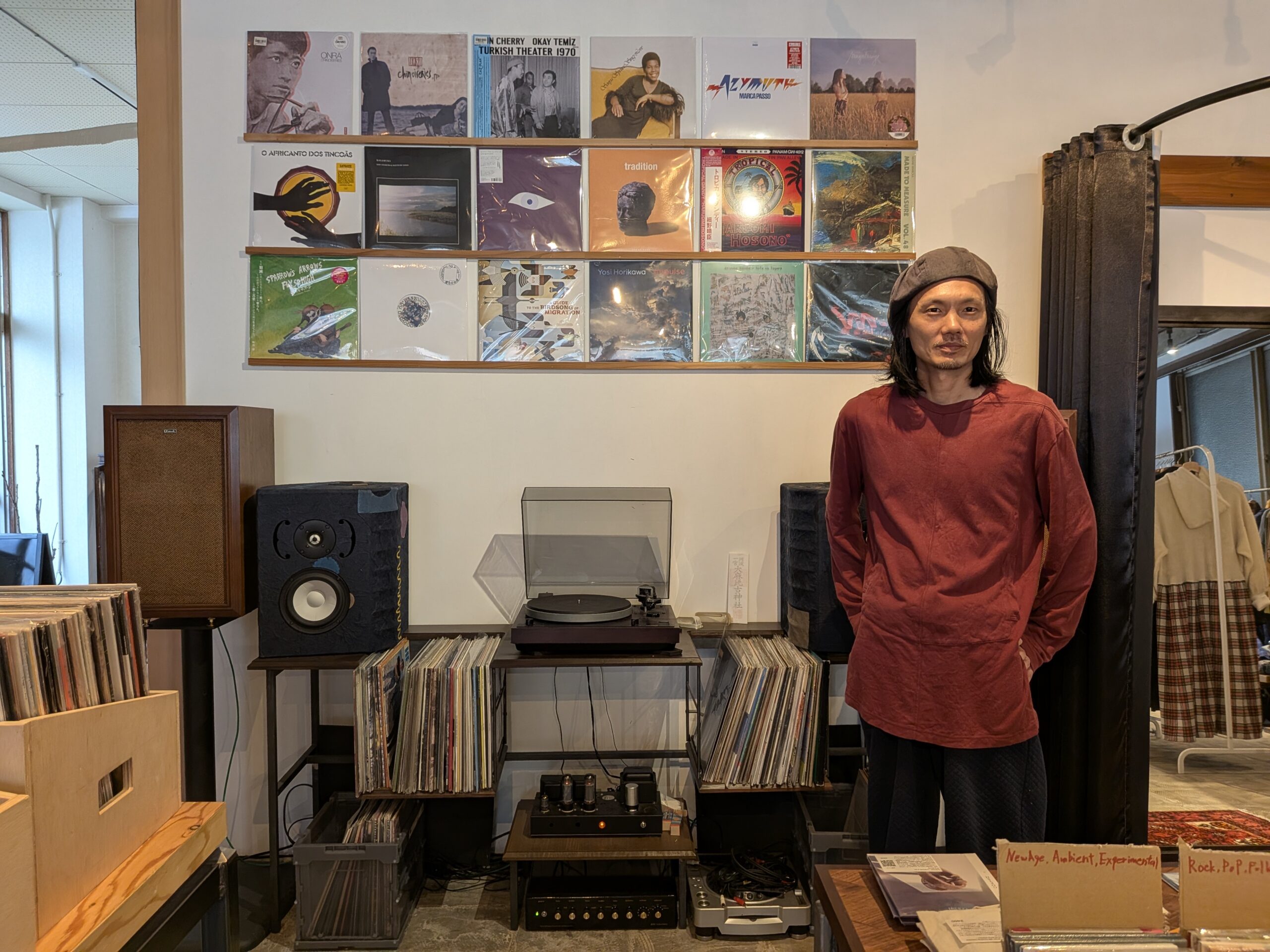
I want it to be a place where people can discover music they’ve never heard before. It’s not just a world music shop, and it’s not just a rock shop either. I want to properly introduce the things that I find interesting right now.
I also think handling new releases is important because it gives something back to the artists. Of course, there is joy in digging for old music. But introducing music that is being made right now and delivering it to people who need it is also something a record shop can do.
I’m still in the middle of listening to all kinds of music myself. That’s why I want to keep introducing what feels interesting at any given moment. I know I’m repeating myself, but I really do believe there is always music that captures a fleeting moment in time. I hope slow room can be a place where people encounter that kind of music.
Recoya VIEW
What stood out most in speaking with Ohashi was his phrase, “music that captures a fleeting moment in time.” It is not only music that remains as a timeless classic that matters. Music being created right now also carries the atmosphere of its era. slow room is a record shop where you can enjoy encountering that kind of new music.
Focusing on new releases is not simply about lining up new records. It is also a way of creating circulation that reaches the artists making music today. Finding unfamiliar music, understanding why it is interesting, and passing it on to someone else — that attitude feels central to slow room.
It offers a different kind of pleasure from digging through used records: the joy of encountering music that is sounding right now. For anyone looking for an entrance into new music in Gifu, slow room is likely to be a reassuring place to begin.