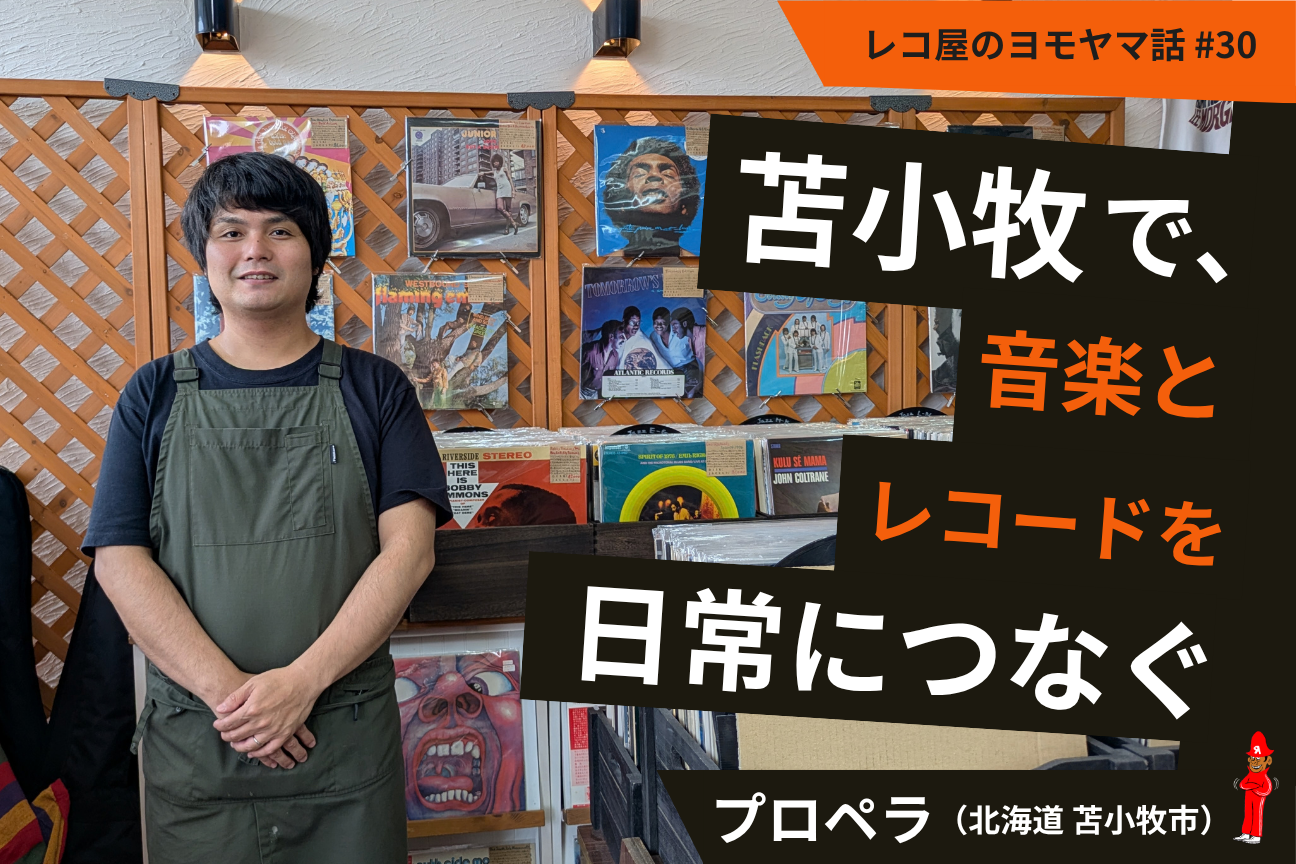
“Record Shop Stories” is our interview series with the owners and managers of record stores.
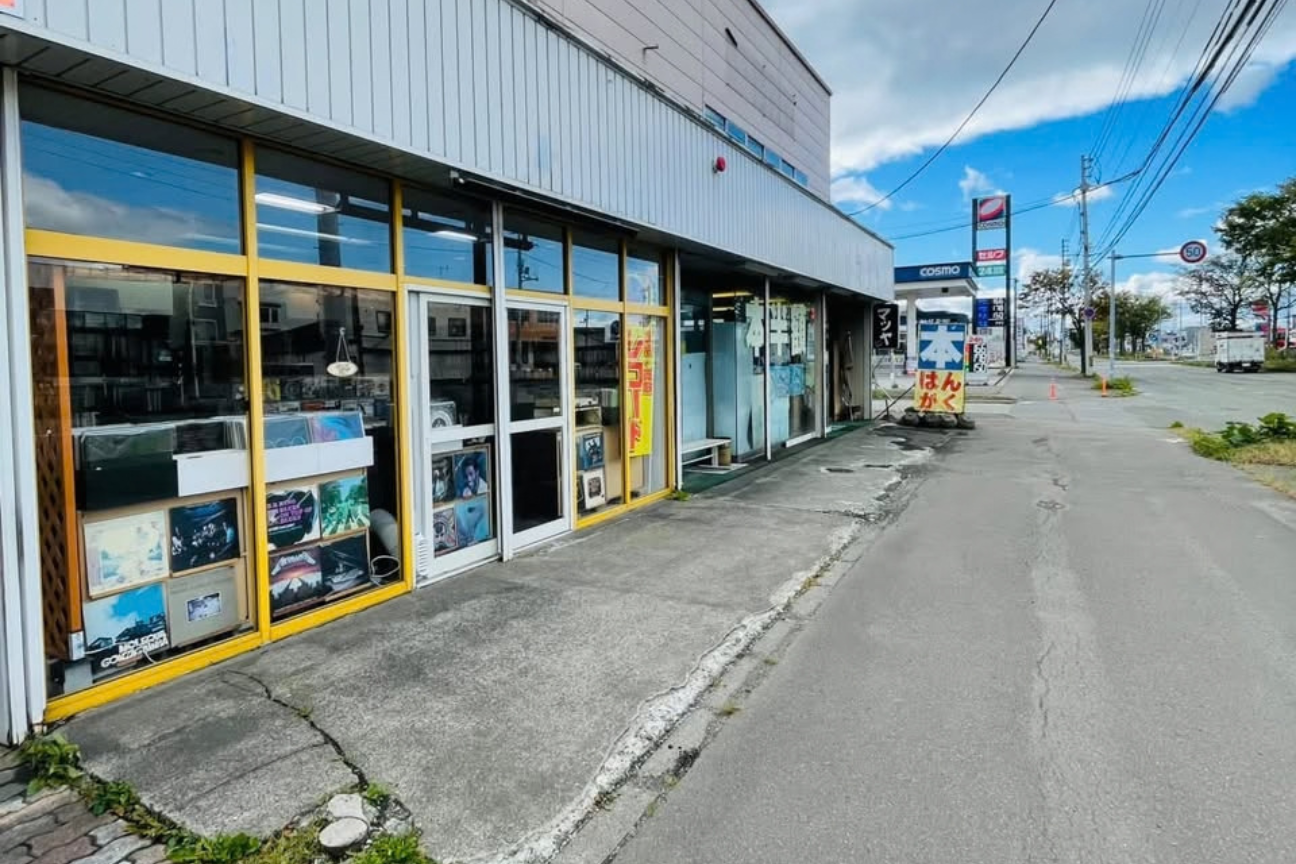
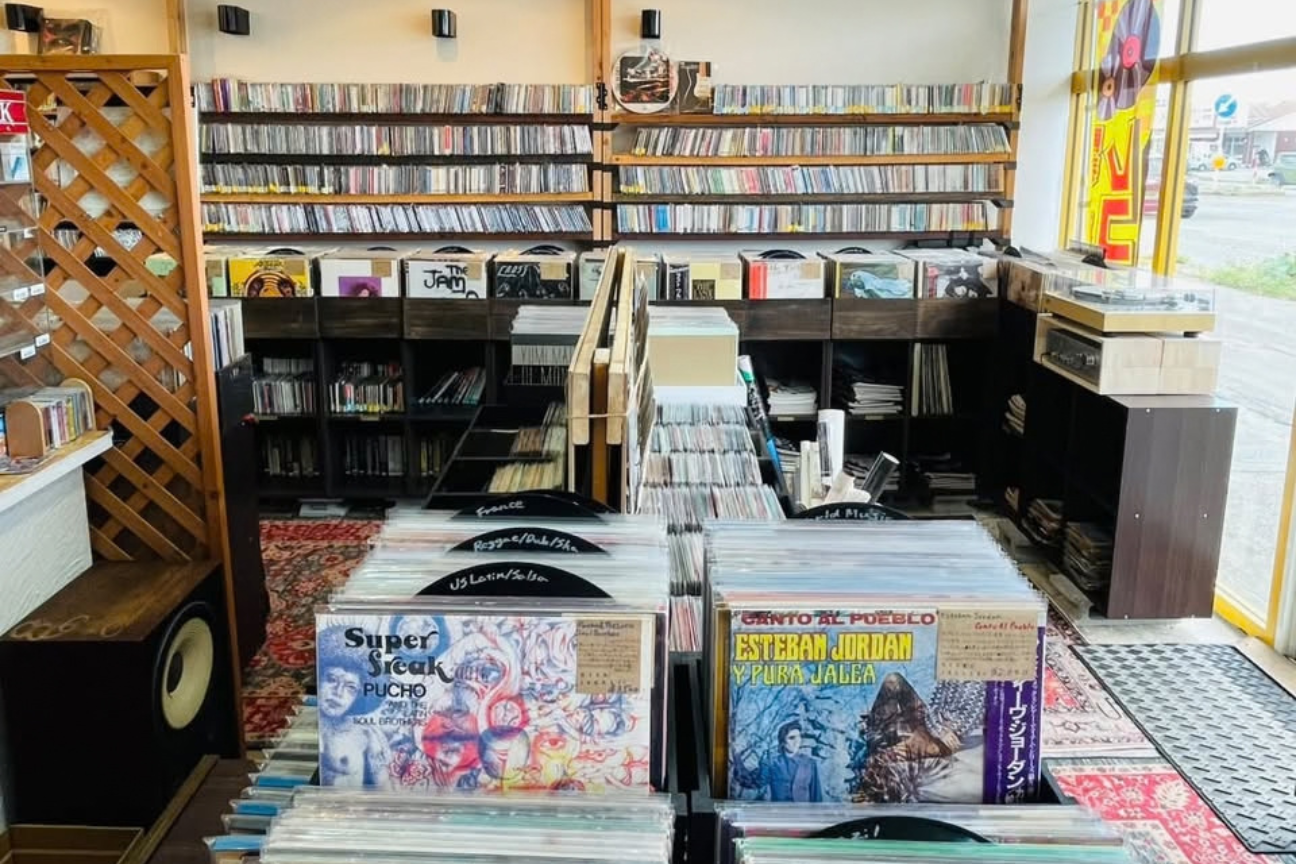
Propeller is a record shop in Hanazono-cho, Tomakomai, Hokkaido. Its shelves hold records and CDs spanning rock, soul, jazz, kayokyoku, and many other genres.
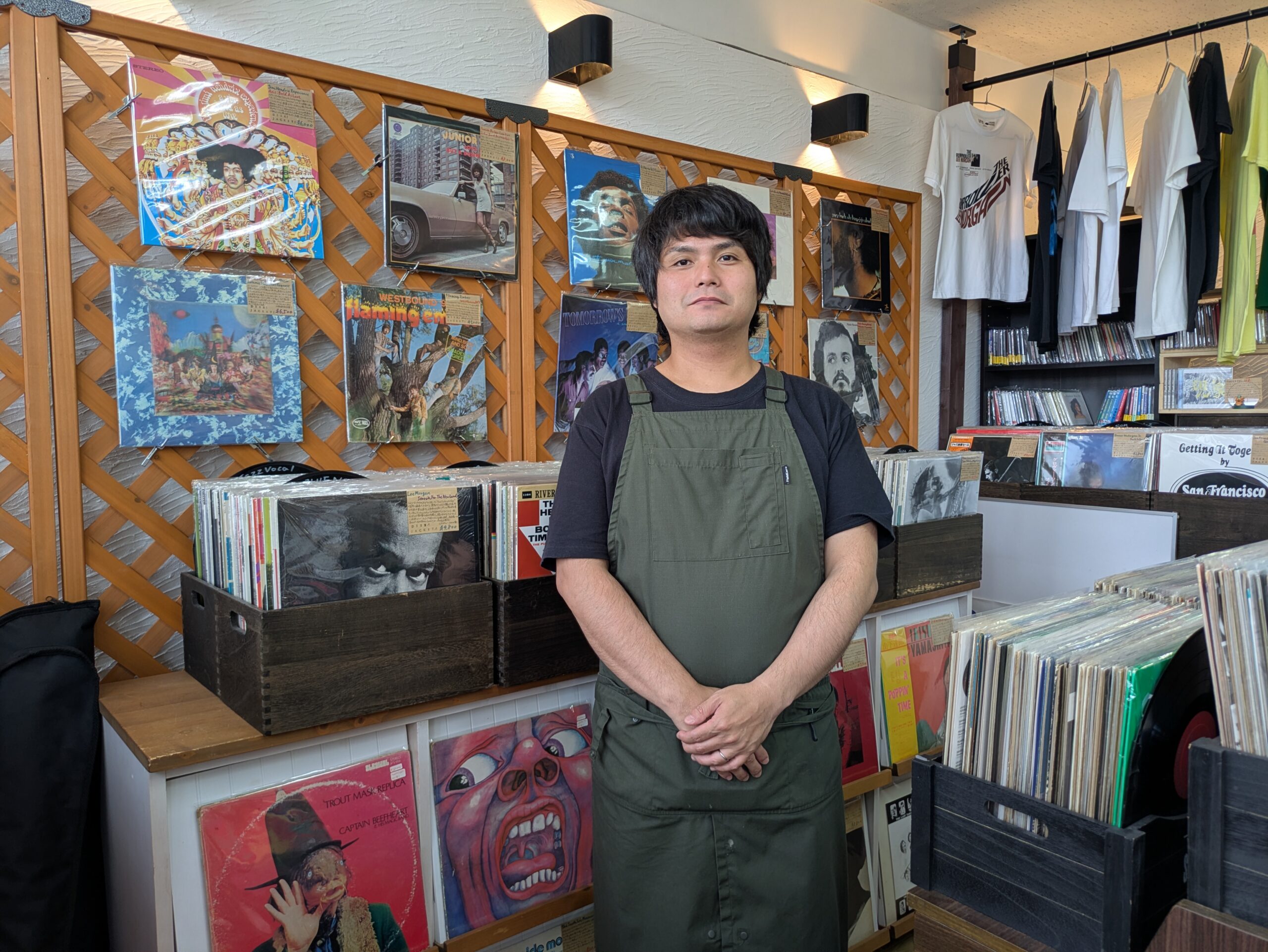
Owner Kono was born in Tomakomai. He started playing guitar in high school and became absorbed in hard rock and heavy metal. After entering university in Sapporo, the people around him—and the long hours he spent commuting—led him toward alternative rock, progressive rock, and Black music.
After graduation, he spent about a decade working in Sapporo while collecting records. In 2022, he returned home and opened Propeller. What began in a small shed on his family’s property moved twice before arriving at its current location. We spoke with Kono about discovering music, traveling to Sapporo in search of records, opening a shop in Tomakomai, and his determination to keep it going for years to come.

What first drew you so strongly to music and records?
 Kono
I was born in Tomakomai in 1989, the first year of the Heisei era. By the time I was old enough to remember, there were no specialist record shops in the city. There were a few CD stores, and until junior high I enjoyed music much like everyone else—recording J-pop from the radio onto cassette and listening to Mr.Children on a boombox.
A major turning point came when I joined the light music club in high school and started playing guitar. An older student lent me Ozzy Osbourne’s first album and a Randy Rhoads instructional book, saying, ‘If you’re going to play guitar, you should listen to this.’ I was stunned. That was when I became absorbed in hard rock and heavy metal.
There were no streaming services then, and rental shops rarely carried specialized CDs. CDs were expensive for a high-school student, so I searched the junk section at Hard Off for 100-yen records. I first began buying records as an inexpensive way to hear music I liked, including Scorpions.
My father also had records and a player at home. I remember listening to YMO’s Zoshoku with him in junior high. By my final year of high school, I had become attracted not only to the sound but also to the large sleeves, and I began deliberately choosing records.
With no specialist shop in Tomakomai, how did you look for records?
It was difficult to find what I wanted in Tomakomai, so I took buses and trains to record shops in Sapporo by myself and visited all kinds of stores. Even on a school trip to Kyoto, I slipped away from my group partway through to explore record shops alone.
My homeroom teacher in my second and third years of high school was also extremely knowledgeable about hard rock and heavy metal. He lent me many CDs and told me, ‘If you want to understand metal, you should also look beyond metal. There is so much good music out there.’ Those words stayed with me and helped me develop the habit of listening across genres.
Tomakomai did not have many nearby places where a single culture was concentrated the way it might be in a large city. You had to learn to love what was in front of you. But because the selection was limited, I also learned to cross genre boundaries. Looking back, it was a very valuable experience.
Your way of listening broadened even further at university, didn’t it?
I entered a university in Sapporo and joined a light music club. Few people there played hard rock or heavy metal; alternative rock was more central. To perform with others, I needed to understand the music they liked, so I listened to recommendations from older members and became interested in bands such as Radiohead and Rage Against the Machine. I also got into progressive rock and jazz rock.
Prince was decisive for me. I saw his Super Bowl halftime show in February 2007—playing guitar, dancing, performing—and wondered, ‘Who is this person?’ Prince became my gateway to soul and neo-soul, including Stevie Wonder, Donny Hathaway, and Curtis Mayfield.
During the latter half of university, I commuted from Tomakomai and spent around three hours a day on the train. I listened on an iPod classic and worked my way through album guides, chasing down every record they mentioned. It was a kind of time immersed in music that is difficult to create now.
Whenever I found good music, I wanted to share it with friends and younger members of the club. We brought CDs to the clubroom and passed them around. There was joy in sharing music through physical objects. Searching for something myself, loving it, and telling someone else about it—that feeling still connects directly to the shop today.
After working in Sapporo, why did you decide to open a record shop in Tomakomai?
After university, I moved to Sapporo because I wanted to live somewhere I could buy the records and CDs I wanted, and I worked at a call center for about ten years. I moved into management in the latter years, but eventually felt it was becoming difficult to continue. When I considered what to do next, the first thought that came was, ‘I want to return to Tomakomai.’
After more than a decade in Sapporo, I had also begun to feel uneasy about everything being concentrated there. I was one of the people who had left because I lamented the lack of a record shop in Tomakomai. So I thought: why not create one back home? I did not assume a shop outside a major city would be profitable. I simply felt that, even if I did not know whether it would work, I could recover from failure while still in my early thirties. I opened in September 2022.
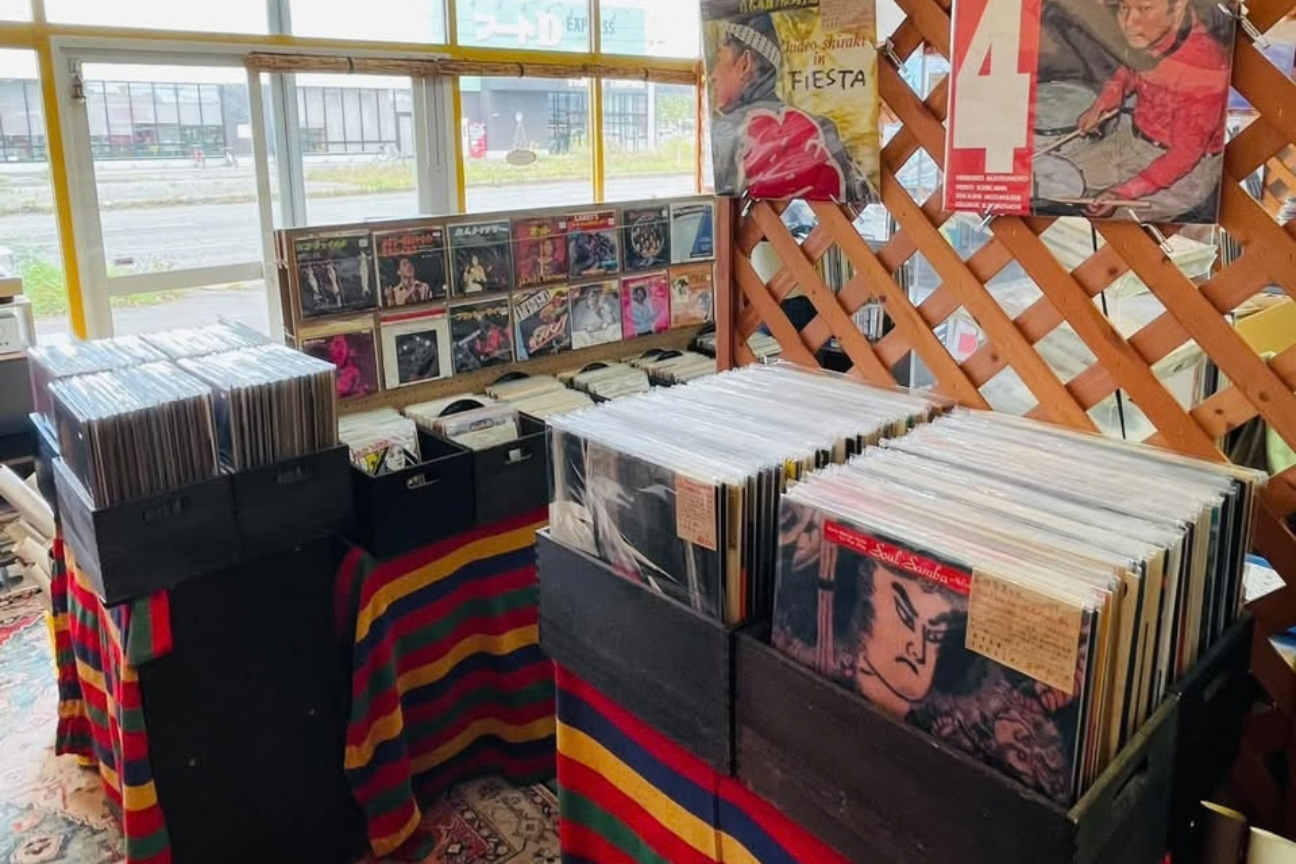
The first shop was a shed on my family’s property. My late mother had used it as an art classroom and studio, but it had stood unused for years and even leaked when it rained. Still, people came. That showed me how many people in Tomakomai wanted records. The following July, I moved into a commercial space and turned my determination to continue into a proper storefront.
At first, the inventory centered on my own collection—mainly soul and city pop, which I had begun gathering shortly before its worldwide boom. Purchases from local customers then added rock, jazz, kayokyoku, and more, gradually broadening the selection.
What meaning did you put into the name ‘Propeller,’ and how do you think about keeping records circulating locally?
Records spin round and round. When I thought of something familiar that also spins, a propeller came to mind. The name also carries the idea of circulation: receiving records someone no longer needs and passing them on to the next person.
Tomakomai lacked not only a place to buy records, but also a place where people could sell them to someone who understood their value. I knew there must be collectors whose records would be treated as nearly worthless if they took them to a general reuse shop.
As mail-in purchasing and buying trips from big cities expand, good records sleeping in regional communities flow steadily into urban areas. Meanwhile, people in those regions pay shipping to buy from city stores or spend time and money traveling to Sapporo. That circulation is natural in a way, but I wanted to resist it a little.
I want to keep good records from Tomakomai in Tomakomai—or have a record become the reason someone visits the city. That remains important to me. Most customers are local, but people also come from nearby Chitose and other parts of Iburi and Hidaka. I am especially happy when someone travels from Sapporo and chooses Propeller as the place to bring their collection.
What matters most in shaping the shop today, and what do you hope for its future?
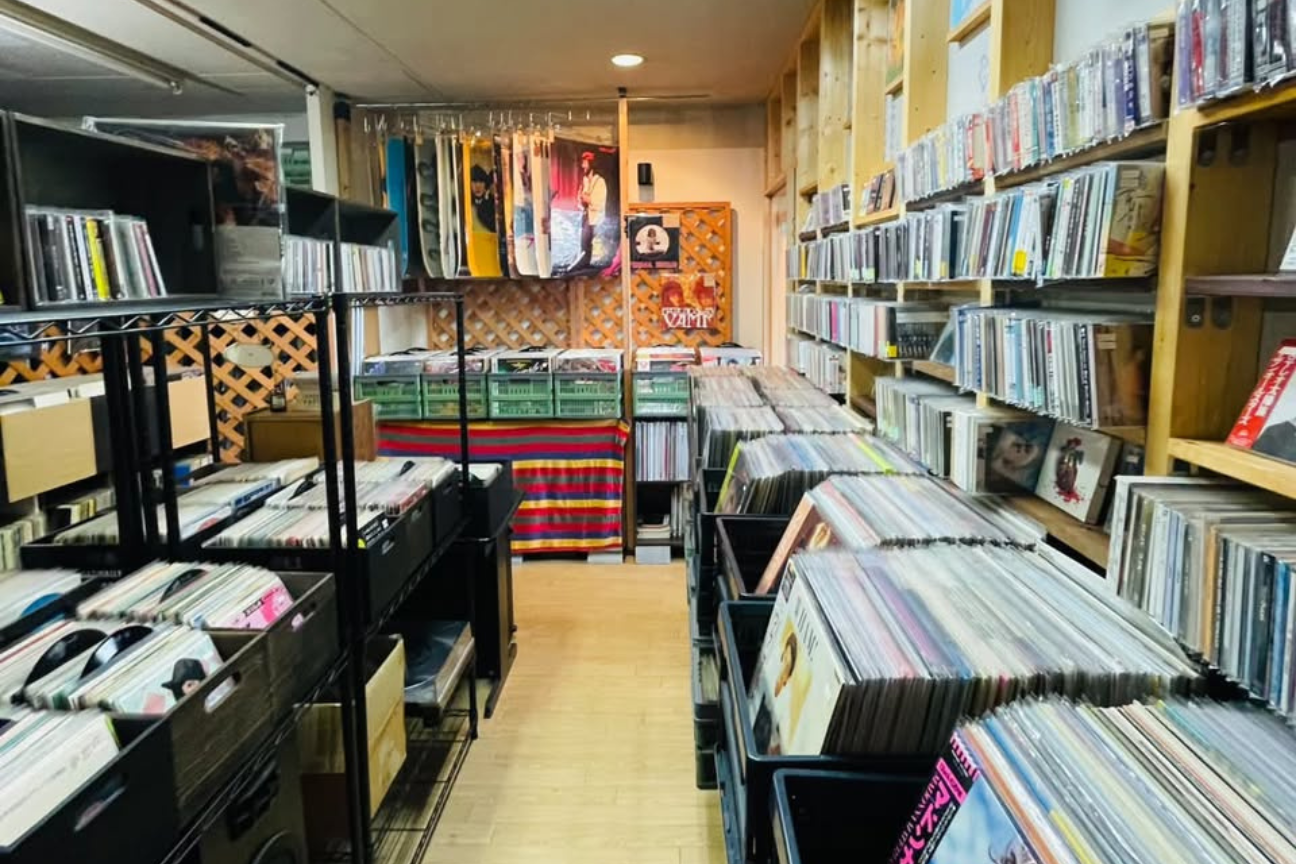
We moved to the current location in February 2026. The previous shop had limited parking, and as more people visited, it became difficult to welcome them properly. This building used to be a bakery, with the sales area in front and the baking workspace in back. We kept that layout, preserving the excitement of discovering that there are records in the rear as well.
The front holds culturally focused items, mainly Western music, while the back has kayokyoku and other stock reminiscent of a traditional record shop. I want it to welcome not only devoted collectors, but also people who want to hear an old single again and young people touching records for the first time. We try to make it enjoyable for every age and background.
When setting prices, I want the money a customer saves on a round trip from Tomakomai to Sapporo—or on mail-order shipping—to be enough for one more record. I love seeing an older jazz fan, someone from club culture, a young band member, and a customer searching for nostalgic songs all in the shop at once. Music becomes a filter through which very different people gather.
In a regional city, both people and stock are limited, so specializing in one genre is difficult. Yet handling every genre creates encounters of its own. We also join pop-ups at the live venue ELLCUBE and events such as Never Retreat Market. For people who feel nervous entering a specialist shop, I hope those other settings offer an easy first contact with records and eventually lead them to visit us.
Rather than making the shop bigger, I simply want to keep it going for decades. Tomakomai went a long time without a record shop, and there is no Tower Records now. With so few places to buy CDs and records, I want Propeller to continue—even quietly. By accumulating years, I want having a record shop in Tomakomai to become normal.
The record boom is a tailwind, but booms can seem to begin and end in big cities. If records are to become culture rather than a passing trend, it matters that towns like this have a shop too. Some young customers choose CDs because records are expensive. Seeing them look for Iron Maiden or Ozzy Osbourne, just as I did in high school, makes me happy. As long as people live in Tomakomai, new music lovers will keep appearing. I want this shop to be there for them.
Recoya VIEW
What stayed with us after visiting Propeller was that Kono did more than lament the absence of a record shop in Tomakomai: he returned home and created one himself.
A limited environment taught him to listen across genres, and now he passes records resting in the community on to their next listeners. The idea of ‘something that spins’ in the shop’s name evokes not only the records themselves, but also people and music circulating through the city.
Kono wants years of steady work to make the presence of a record shop in Tomakomai feel ordinary. We look forward to seeing Propeller continue to bring encounters with music into the city’s everyday life.