Record Store Stories is Recoya's interview series with record shop owners and managers across Japan.
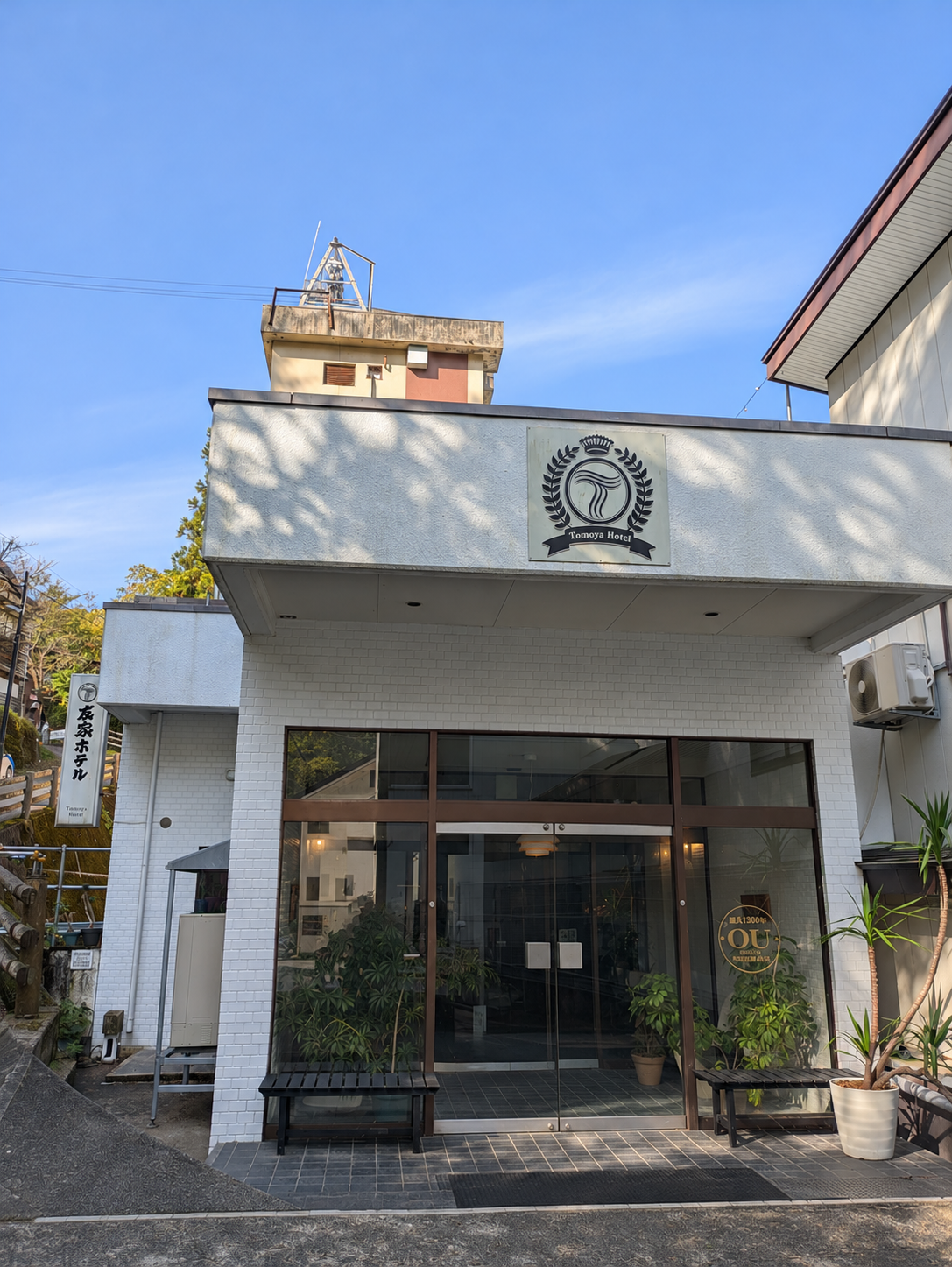
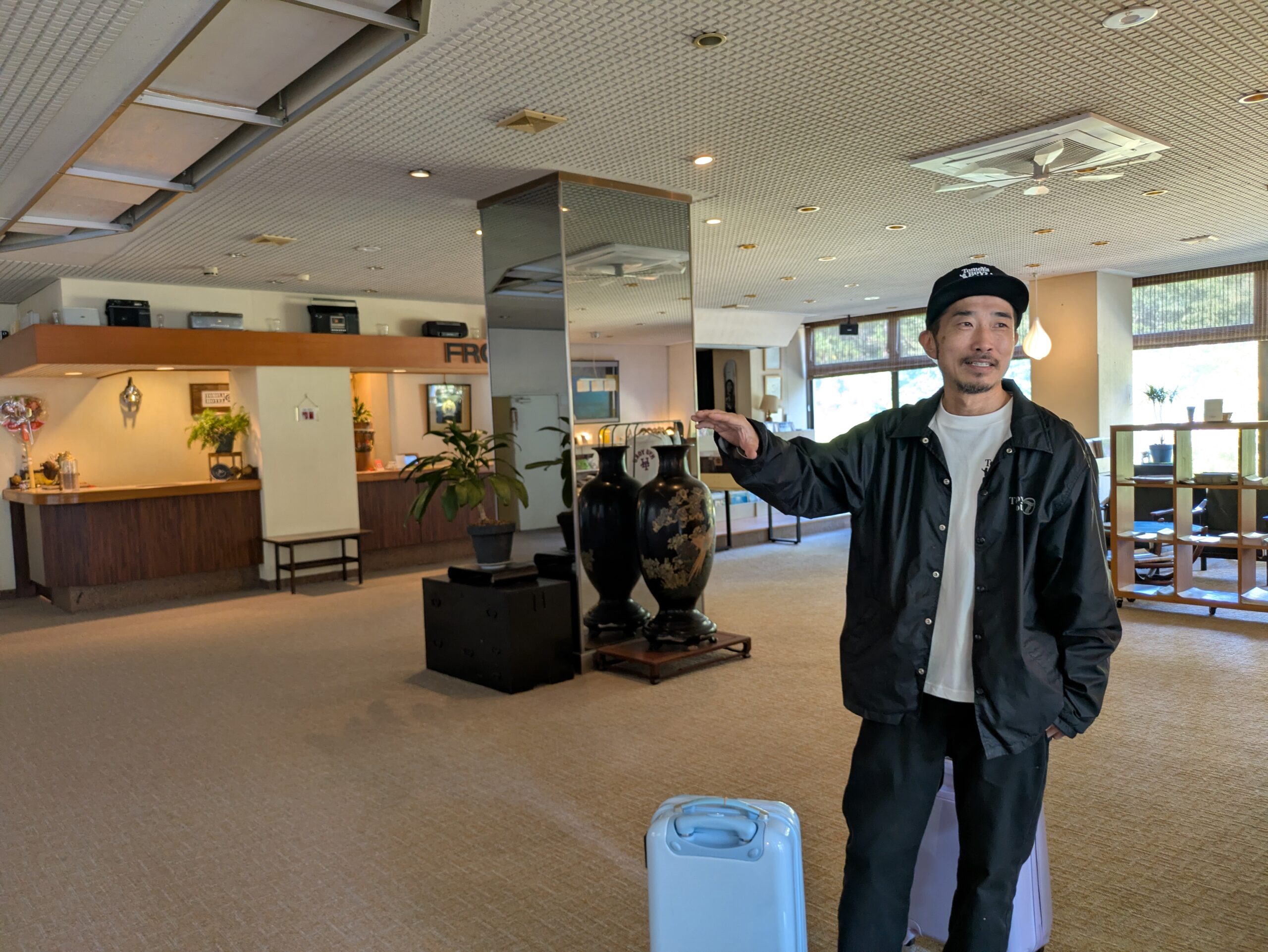
Tomoya Hotel is a hot-spring inn in Oyu Onsen, Uonuma City, Niigata Prefecture. Alongside its baths and rooms, the inn has shelves of hip-hop, Black music, Japanese records, and more, inviting guests to browse vinyl after a soak.
Some visitors discover the shelves only after settling into the inn. People without a turntable may choose their first record, while others buy back an album they once owned. At Tomoya Hotel, vinyl is not pushed to the foreground; it blends naturally into the time guests spend there.
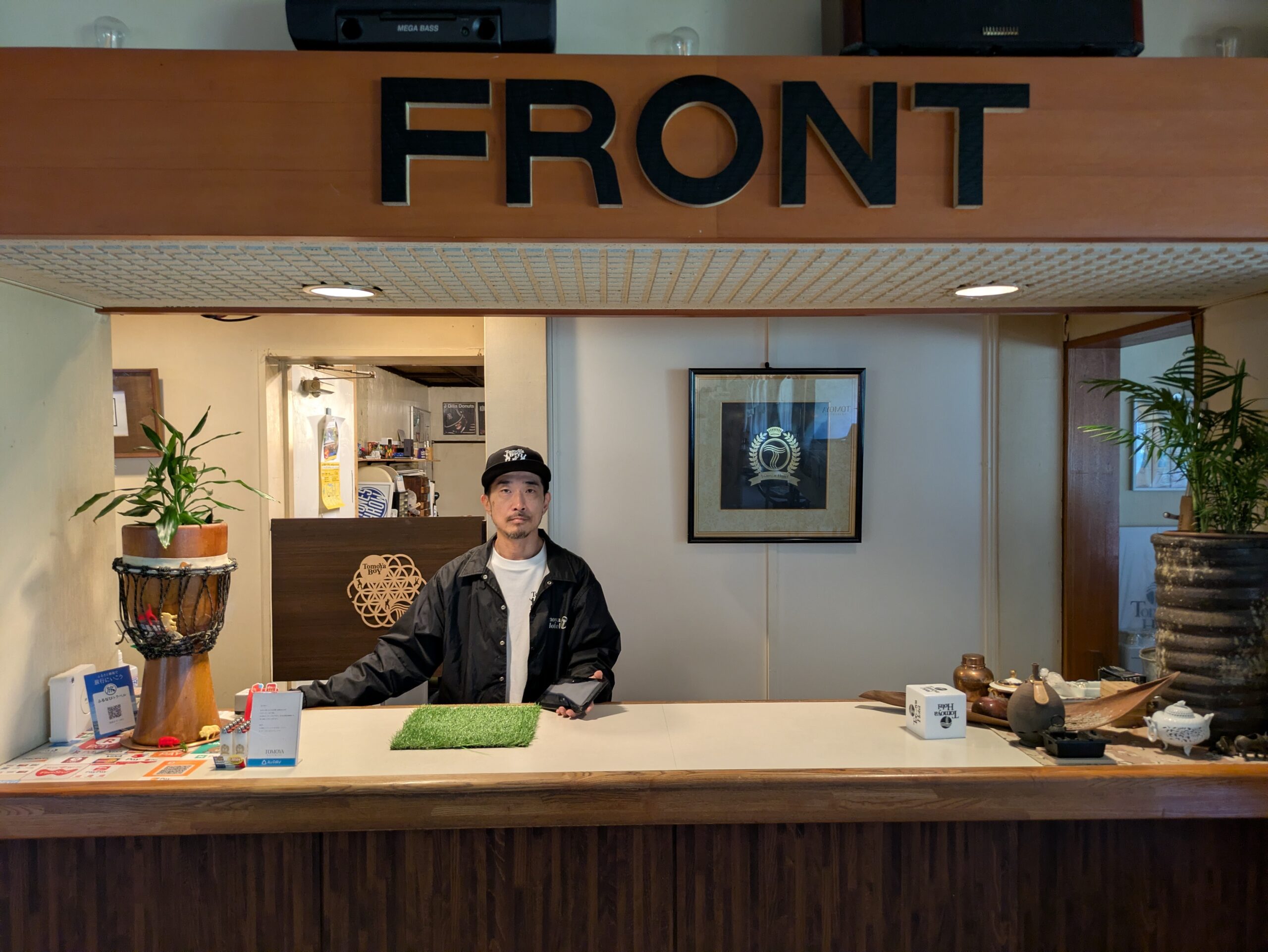
The person behind this setting is owner Ichiro Mitomo, who was born and raised at Tomoya Hotel. He discovered hip-hop in Uonuma, moved to Tokyo and worked in music, lived in New York, and eventually returned home to join the family business. We spoke with him about his first encounters with music, why he left the city for the inn, how he brings hospitality and records together, and the meaning he places in tangible things guests can take home.

What first drew you so strongly to music and records?
 Ichiro Mitomo
It started when I watched a skateboarding video in junior high school. I heard the hip-hop in it and was immediately hooked. It was around the time Nas released Illmatic and Snoop Dogg released Doggystyle.
Back then in Uonuma, you could not simply go out and buy the music you wanted. I would fill in order forms from magazines and send them by mail to get records. During spring break, I would visit relatives in Tokyo with my siblings and buy 12-inch singles and sneakers. That became something I looked forward to every year.
Tokyo seemed to have everything I admired: records, clothes, clubs, and street culture. By then, it felt completely natural that I would move to Tokyo after high school.
How did you stay involved with music after moving to Tokyo?
I moved to Tokyo in 1998 to attend university, but I ended up spending more time in music circles than at school and eventually left. After that, I worked in music and gained experience in many areas, from day-to-day work in the scene to digging for records.
From 2005 to 2006, I lived in New York and spent my days digging. It was also the moment when listening habits were shifting dramatically from records and CDs to streaming. I experienced the excitement of a scene where it seemed everyone had a DJ setup, while also watching music move from physical formats toward digital distribution.
Experiencing both the height of that energy and the beginning of a major transition within a short period still shapes the way I work with records today.
Did living in New York also inspire you to return to Uonuma?
When I lived in Tokyo, I had a sense that the city was somehow above everywhere else. But once I lived in Manhattan, a place that looked like the center of the world, I saw that people there came from all kinds of places. I realized that staying in a city forever was not the only definition of success.
Someone there told me that the city is a place to survive when you are young, and that after finding success people move to a spacious home in the suburbs. That made me ask myself whether I really wanted to return to Tokyo and keep living the same way. Family circumstances and requests for me to come home also overlapped, so I decided to return.
I did not join the inn immediately. I first worked for a local company so I could understand what kinds of businesses and projects were active in the area. Only after that did I begin working at Tomoya Hotel.
How did records become part of Tomoya Hotel?
For the first few years, I set records and New York aside and tried to study the hot-spring inn business in a very earnest way. Then a representative from a travel website said to me, ‘You are interesting when we meet and talk, so why is Tomoya Hotel's page so dull?’ That made me realize I was forcing myself into a role.
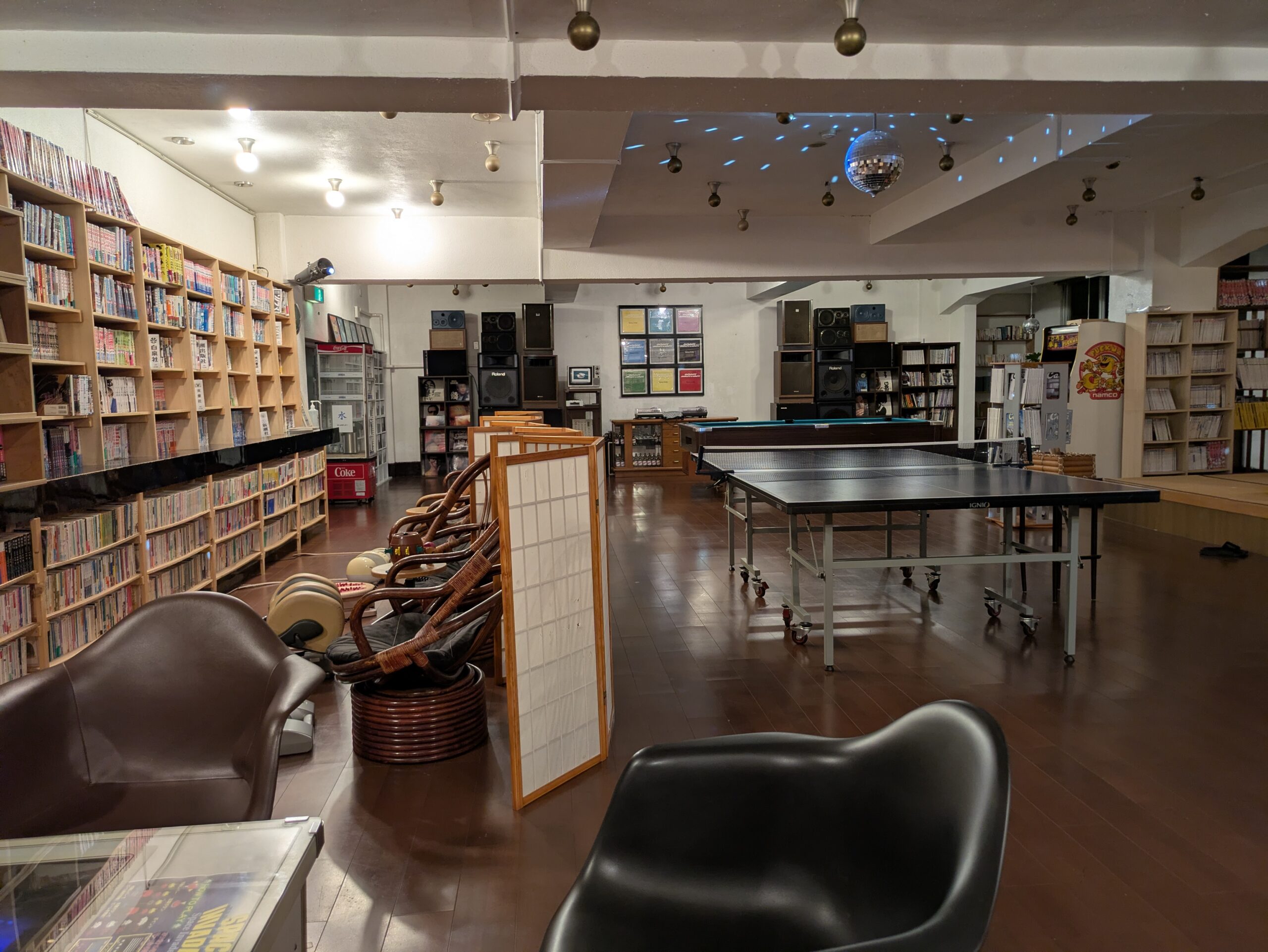
I gradually brought the things I had always loved—hip-hop, reggae, records, and street culture—back into the inn. But I never wanted it to become a hotel only for record lovers. I do not want guests who are not interested in vinyl to feel that the inn has nothing to do with them.
Ideally, guests first enjoy the hot spring and relax, and only afterward notice that there are records. Some people arrive without knowing about the vinyl and end up buying one, while others visit specifically for the records.
What kinds of encounters with records can guests enjoy inside the inn?
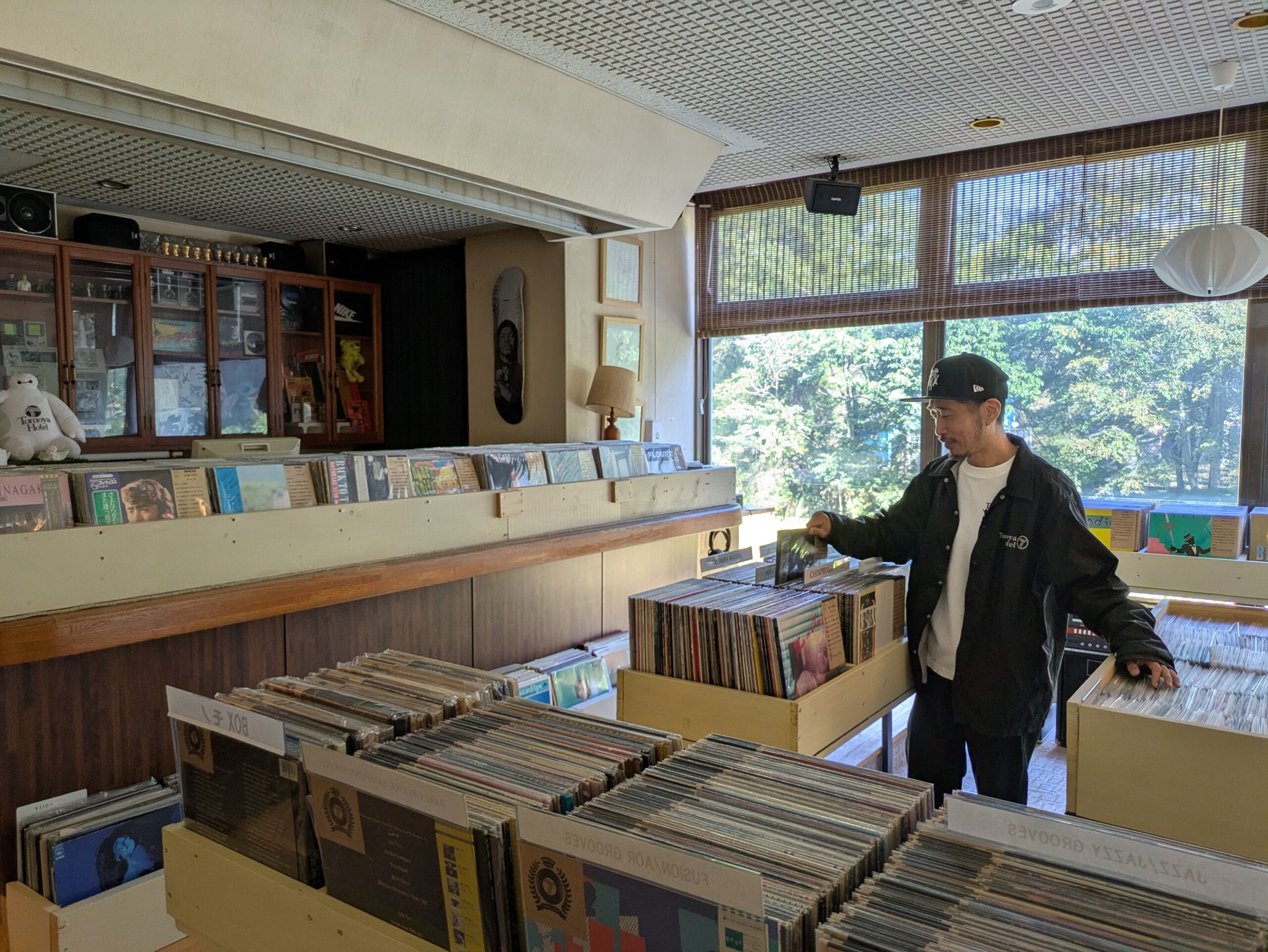
Japanese records are popular now, and we often carry artists such as Hideki Saijo, Hiromi Iwasaki, and Goro Noguchi. To people who heard them when they were released, they may be nostalgic pop songs. To a hip-hop generation, they can sound like sampling sources or breakbeats. Younger listeners sometimes discover them as completely new music.
Each record has a short handwritten-style introduction. I use the writing skills I developed through my past experience to suggest what makes the record interesting. Even if guests do not buy anything, I want them to enjoy the act of browsing and digging through the shelves.
We also buy and source records. While helping local residents clear out their homes, we sometimes come across old records and audio equipment. The same goes for tableware and tools that can be used at the inn. Passing along things that might otherwise have been discarded has also shaped our selection.
What do you hope to convey through the onsen mixes and the hotel's original goods?
What an inn sells is an intangible experience: a stay with dinner and breakfast. No matter how good the time is, the memory gradually fades after a few weeks. I wanted guests to be able to take home something small that would not get in the way of everyday life.
That is why we make tenugui towels, slippers, and onsen mixes. I do not want them to be souvenirs that merely sit on a shelf. They should be useful and made properly with people we trust. I hope that picking one up later brings back the time a guest spent at Tomoya Hotel.
Records work in the same way. One record can connect you with someone you might never otherwise have met. Beyond sales, I find romance in those once-in-a-lifetime encounters. Above all, I hope people will spend time here and experience the hot springs and records together.
Recoya VIEW
What stayed with us most after visiting Tomoya Hotel was how naturally records blend into the experience of a hot-spring inn. Guests first soak and unwind, then discover the shelves. That sequence reflects a thoughtful respect for every kind of traveler, not only dedicated vinyl collectors.
Mitomo's experiences in Uonuma, Tokyo, and New York live on in the selection and in the notes attached to each record. A nostalgic Japanese pop song for one generation may sound like a fresh sampling source to another. Vinyl becomes a meeting point across generations and places.
The hot springs, meals, records, and small objects guests can take home all help preserve the feeling of the stay. Tomoya Hotel is a place designed not only for the time spent there, but also for the memories that return afterward.